Over the last couple of months, I needed care in our local hospital in Fraser Valley, British Columbia, for a… Read More
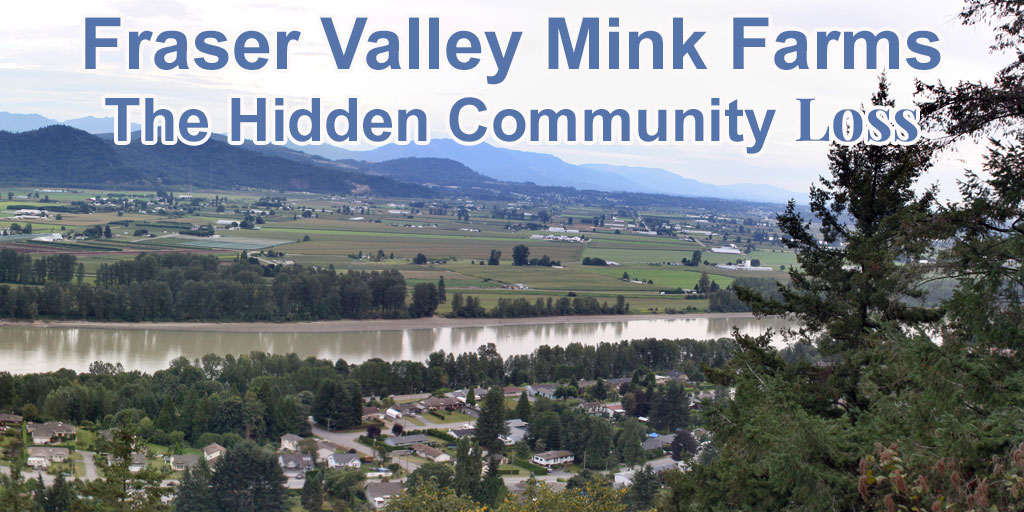
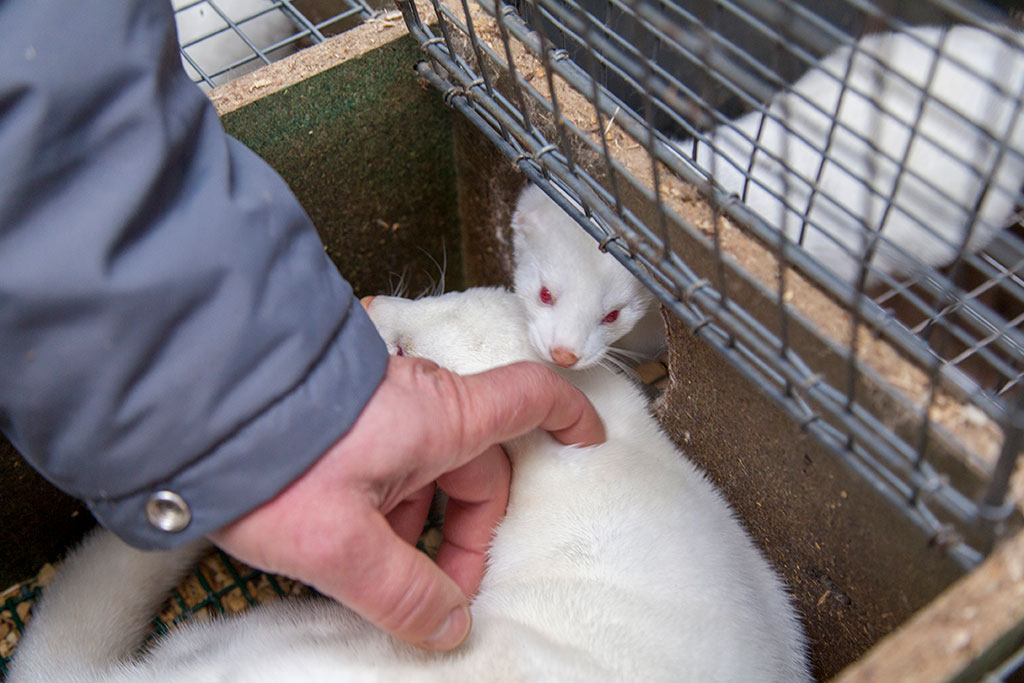
Shutting down mink farming in Fraser Valley has been a loss for the whole community. Photo: Mimigu at English Wikipedia, CC BY 3.0, via Wikimedia Commons.
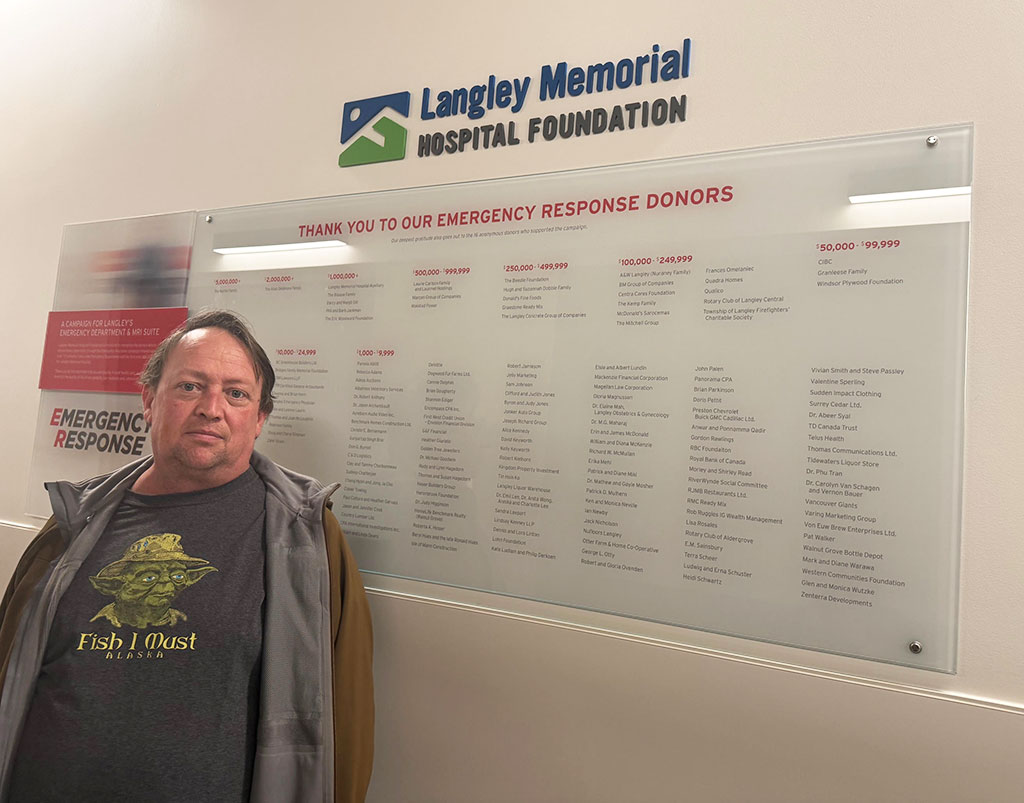
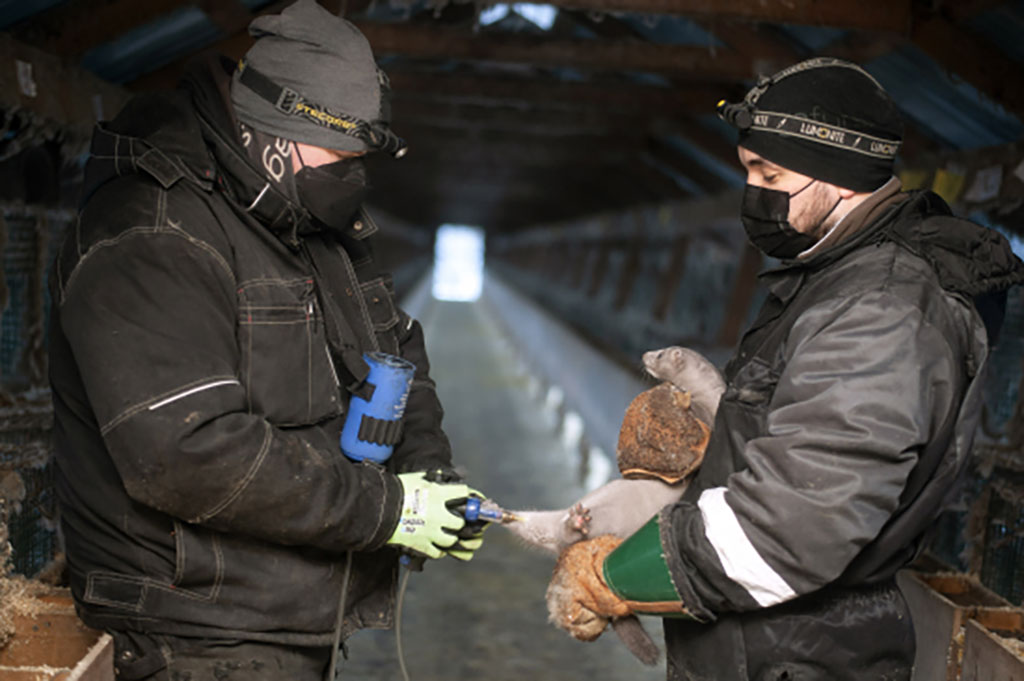
Over the last couple of months, I needed care in our local hospital in Fraser Valley, British Columbia, for a medical issue. (A big rave to the healthcare system and the great care I received!) While waiting during one of my visits, I was sitting close to a sign recognizing the contributors to a recent update to the hospital. All the donors were recognized, and I was a little surprised to see a local fur farm listed. There was also a local resident’s name that is also likely that of a family connected to the mink-farming community.
I was not surprised that they had donated. But I was surprised that they had chosen to be listed as donors.
You see, as a trapper, I have always felt that fur farming was important. The market for farmed fur has a major impact on the value we see for wild fur. So I've made a point of getting to know some of the local fur farmers and I've been impressed. They are multi-generational and very passionate. It felt like the list of donors was just that – people with close ties to the local community, and a long or rich history in the community. In short, they care about and support important projects.
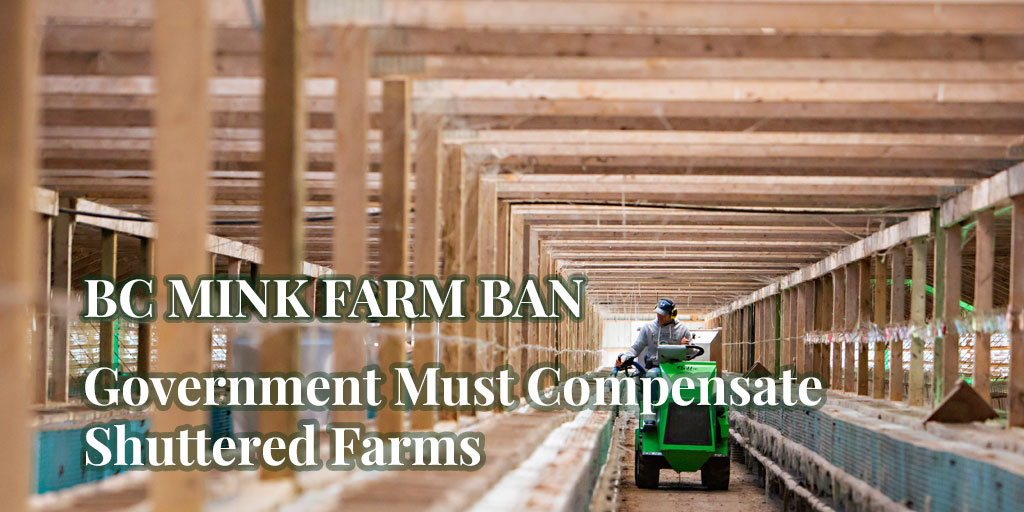
But in 2021, the BC government decided to phase out all mink farms in the province, calling them a public health risk.
I do not have to ask to realize that support for the community from these farms has now gone. Farmers no longer have the capacity, the will or the desire to make donations. Despite being in an industry with a huge target on them, they had donated and also chosen to be recognized for that. Community pride at its best!
Yet it was the same world of charitable donations that eventually brought down BC's fur farms, and I find that sad.
Immoral Use of Charitable Donations
Langley Memorial Hospital is a valued member of its community, as the large number of donors shows..
The two groups responsible for pressuring the government to end fur farming in BC were The Fur-Bearers and the B.C. Society for the Prevention of Cruelty to Animals, both of which use the same model to solicit donations. They then used these donations to fight and shut the industry down.
It feels immoral to me that an organization can be allowed to fundraise as a charitable entity and then use those funds to fight and shut down a legal industry.
Further, it was done without fair and equitable treatment or compensation to the fur farmers, despite their years of local community support. Rather, an industry has gone because of the louder voices of a minority.
Also lost is the spin-off support farms gave to other local businesses in the community – the tractors and feed they bought, the staff they hired, the taxes they paid, and the stores they supported for so many years.
My moral compass feels charitable status should be reserved for a better society, not pushing the ideologies of a minority onto society.
I am proud to be Canadian, and proud also of our right to choose. If you do not wish to wear fur, that is your choice. I respect that, in the same way I respect the right of those who choose a vegan diet, wish to hunt, or wish to be a farmer, or identify as LGBTQ.
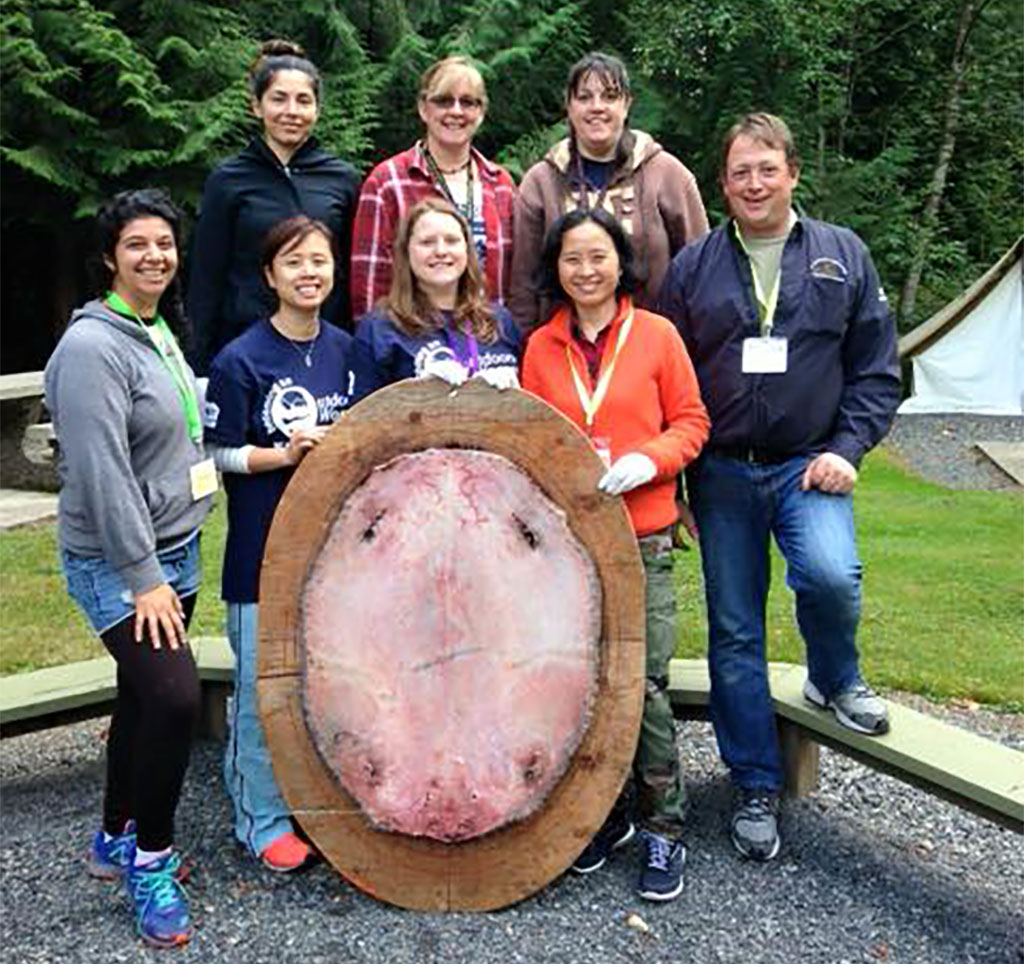
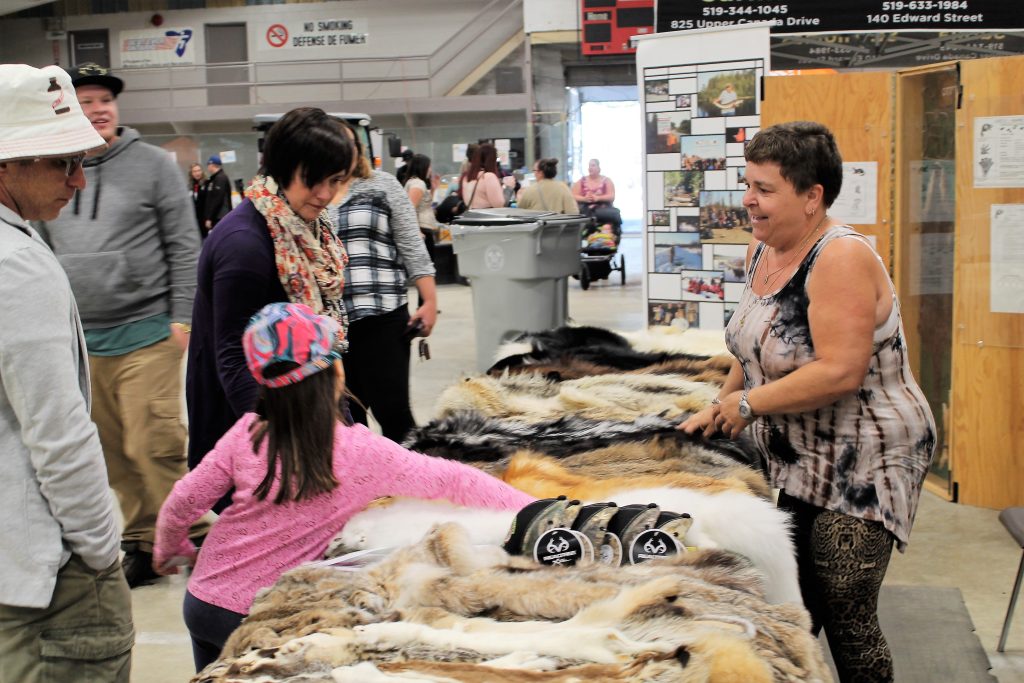
Before the latest health crisis, Tim Killey (right) and students show off a stretched beaver pelt.
The smoke and mirrors used by the government to depict our mink farms as a public health risk were insane.
Every industry comes with some risks to society, including all types of farming. For example, we have bird flu, mad cow disease, and swine fever. But we manage the risks.
Mink farms had the ability to manage the risk, including a new vaccine developed in the US specifically for Covid-19 – an option not available for all diseases. Meanwhile, of course, human populations were receiving their own vaccines. This combination was apparently acceptable to all, except of course for the BC government!
Leading the way for Canada's mink farmers was the government of Nova Scotia, which even offered to subsidize the cost of vaccinating mink against Covid-19. The only difference I could see between Nova Scotia's decision-makers and those in BC was that the former were doing their jobs, while the latter allowed themselves to be influenced by a vocal minority group.
I will continue to fight for the right to trap, hunt and fish, following in the footsteps of our forefathers that built the great nation we call Canada. I will also continue to defend our freedom to choose, and that includes our right to choose where to donate our hard-earned dollars. Hopefully my friends, family and colleagues will also take an extra minute the next time they donate funds, to review the options and pick a true charity dear to their heart.
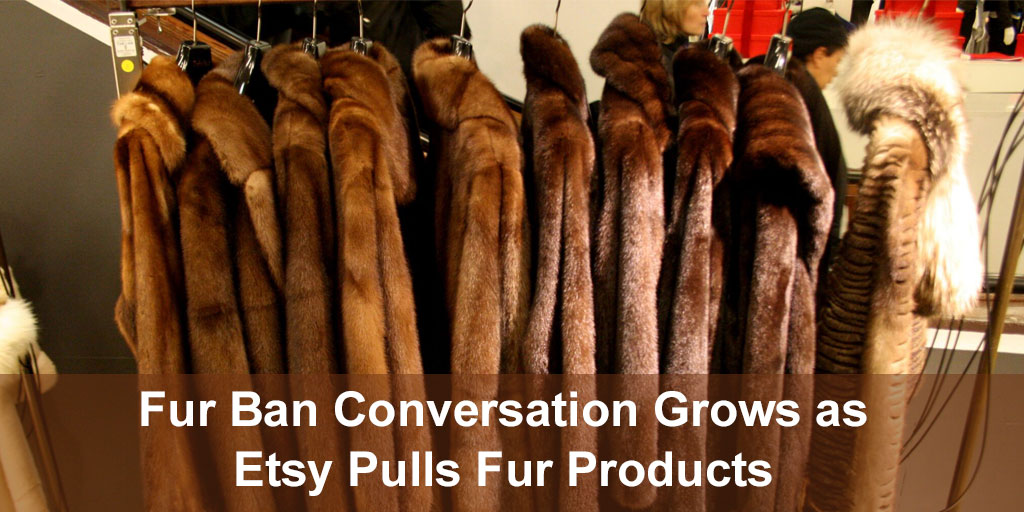
Consumers are receiving mixed signals, with some saying fur is back and others saying it’s on its last legs. So… Read More
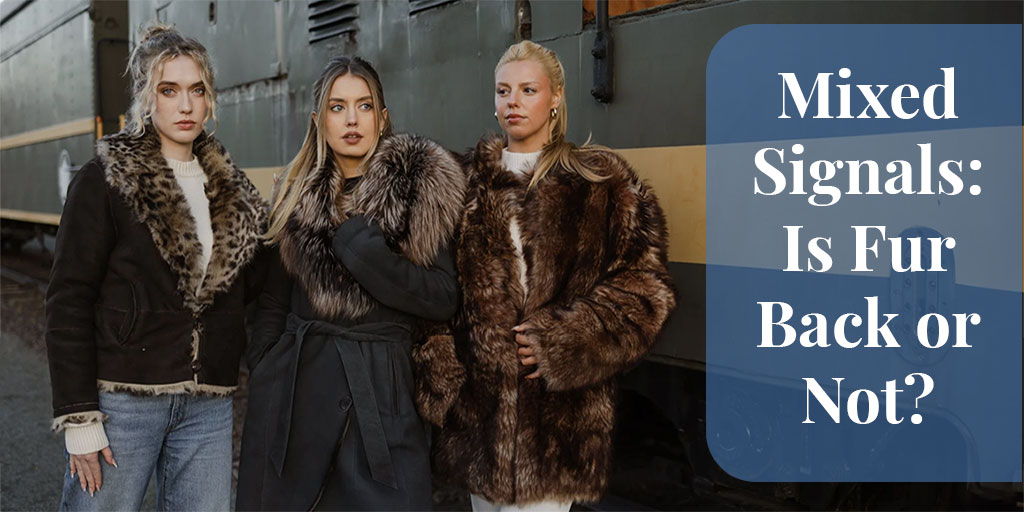
Is fur in or out? Or can it be both at the same time? Photo: Always in Vogue.
Consumers are receiving mixed signals, with some saying fur is back and others saying it’s on its last legs. So does someone have the story wrong? Let’s see where the evidence points.
Compared with the 1980s, when fur sales were strong in all traditional markets, today’s trade has shrunk, a fact it blames on the anti-fur lobby. But it also says fur is making a modest comeback. In contrast, anti-fur campaigners insist the fur trade is terminal.
In our quest for the truth, let’s journey back in time, hoping this will help explain where fur really stands today.
Animal Rights Playbook
The anti-sealing campaign was the start of the modern animal rights movement.
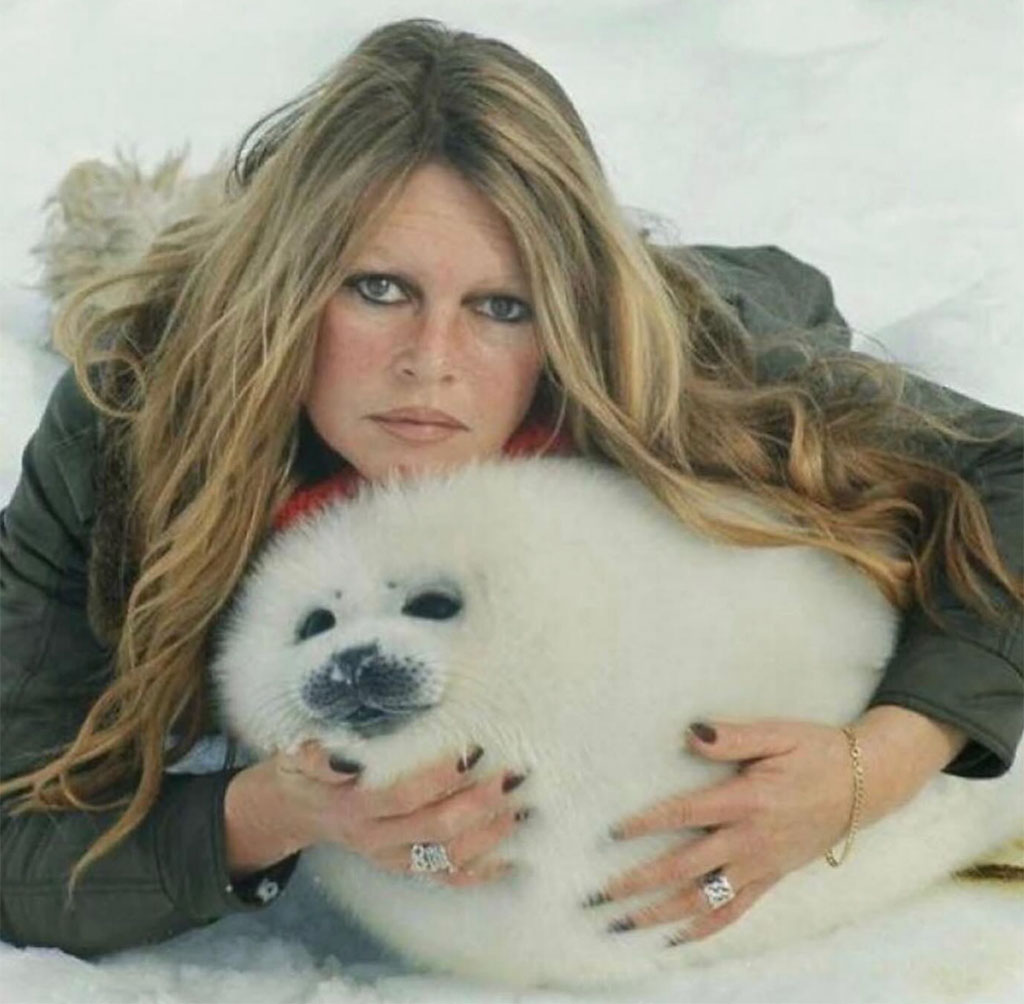
The modern animal rights playbook was written in the 1970s on the blood-stained ice floes of Atlantic Canada. With a cast of cute seal pups and “evil” sealers wielding hakapiks, protesters learned that all they had to do was provoke a fight (think Paul Watson) while Brigitte Bardot added credibility and sex appeal. The media lapped it up, and the campaign was hugely effective.
Another landmark came in 1990 when People for the Ethical Treatment of Animals launched the campaign “I’d rather go naked than wear fur”. Everyone knew that sex sold, but this was the first time animal rights had been conflated with naked women. Again the campaign was a media hit, prompting PETA founder Ingrid Newkirk to tell The New Yorker in 2003: “We are complete press sluts”. (PETA officially “retired” the campaign in 2020, but this was probably just to give media an excuse to run old campaign photos.)
Meanwhile, the fur trade was losing ground. The media (and their viewers) were by now hooked on images of stressed animals and naked women, and the fur trade couldn’t compete. Plus, funds were running low for public relations, and while some people were determined to fight back, they couldn’t agree on how to do this.
New Tactics
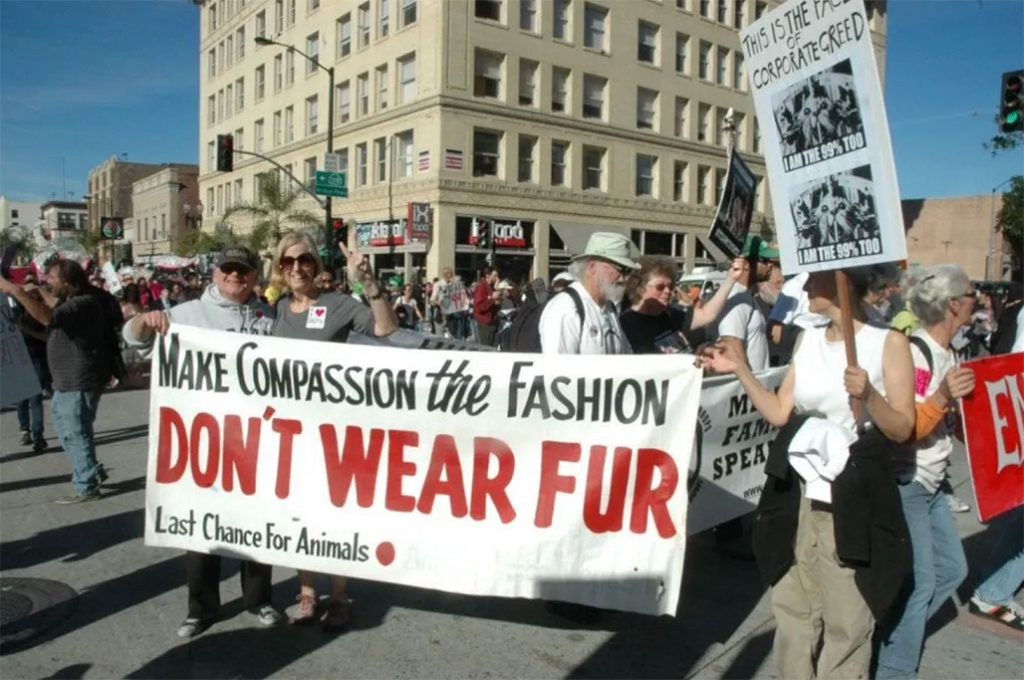
West Hollywood was the first Californian city to ban fur sales. Photo: Last Chance for Animals.
Then the 2000s arrived and the anti-fur lobby expanded its already strong arsenal with some new tactics.
Pushing local fur bans: One tactic has been to push US city governments to ban production and/or sales of fur. The fur trade must then file lawsuits to have ordinances overturned.
Almost all of the anti-fur lobby's victories so far have come in Californian cities, followed by a statewide ban from 2023. Notably absent has been the snowball effect campaigners hoped for in major cities and states elsewhere.
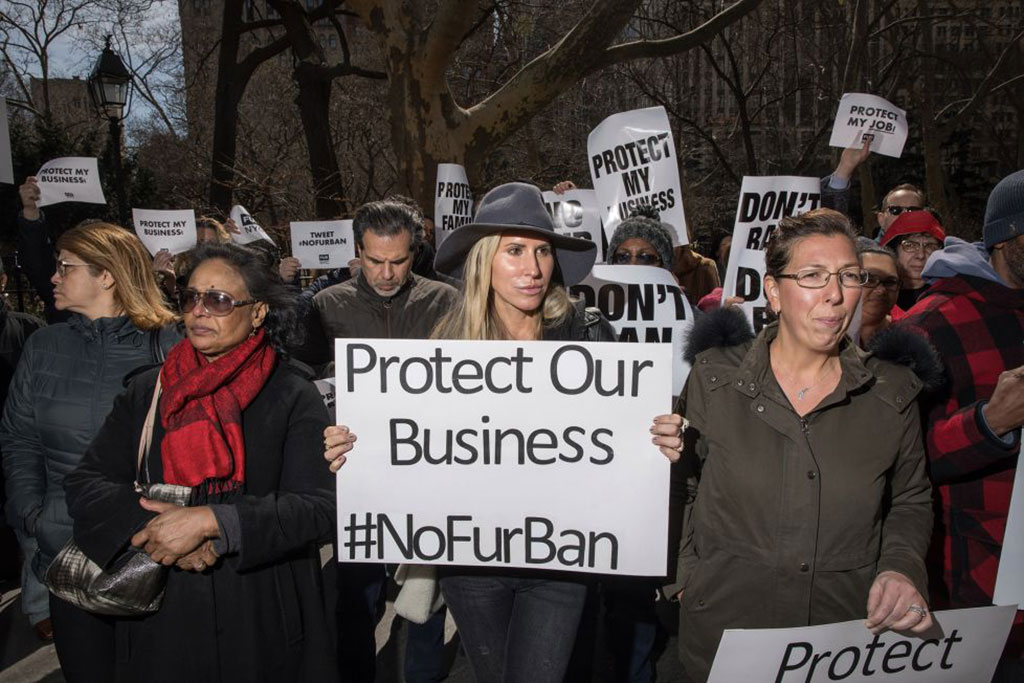
Still, it’s an effective tactic even when ban attempts fail, since it generates media exposure and costs the fur trade money. This has happened in cities where fur is more entrenched, like New York City in 2020, Denver in 2024, and Chicago in 2025.
Pressuring players to switch from real fur to fake: Another tactic has been to get key players to drop real fur in favour of fake, with the anti-fur lobby then taking credit for players “seeing the light”. While a few early converts required little persuasion, most victories have only come about after harassing executives with methods like demonstrating outside workers’ homes. Targets have been diverse, ranging from luxury brands and designers, to department stores, fashion shows and even magazines.
Fur farming bans: Yet another tactic has been to pressure governments to ban fur farming or pass regulations so draconian that it makes no sense to continue.
Though in its third decade, this campaign gained fresh legs during the Covid-19 pandemic as activists stoked fear that mink farms breed zoonotic diseases. This fear was key in the 2020 move by Denmark – then the world's leading mink farmer – to cull its entire herd, and British Columbia’s 2021 decision to phase out mink farming.
This campaign has been especially effective in the European Union, with most members having already introduced partial or total bans, the latest being Poland. Meanwhile, the "Fur Free Europe" citizens' initiative gathered over 1.5 million signatures opposed to fur farming and the sale of farmed products, obliging the European Commission to decide by next March whether to propose an EU-wide ban.
Whether an EU-wide ban happens is still unknown, plus the issue of wild fur will remain on the table. But with some 70% of fur currently coming from farms, and global output contracting steadily, who, if anyone, will pick up the slack?
So kudos to the anti-fur lobby. Though it has often fought dirty, its tactics have undeniably hurt the fur trade.
Plastic Windfall
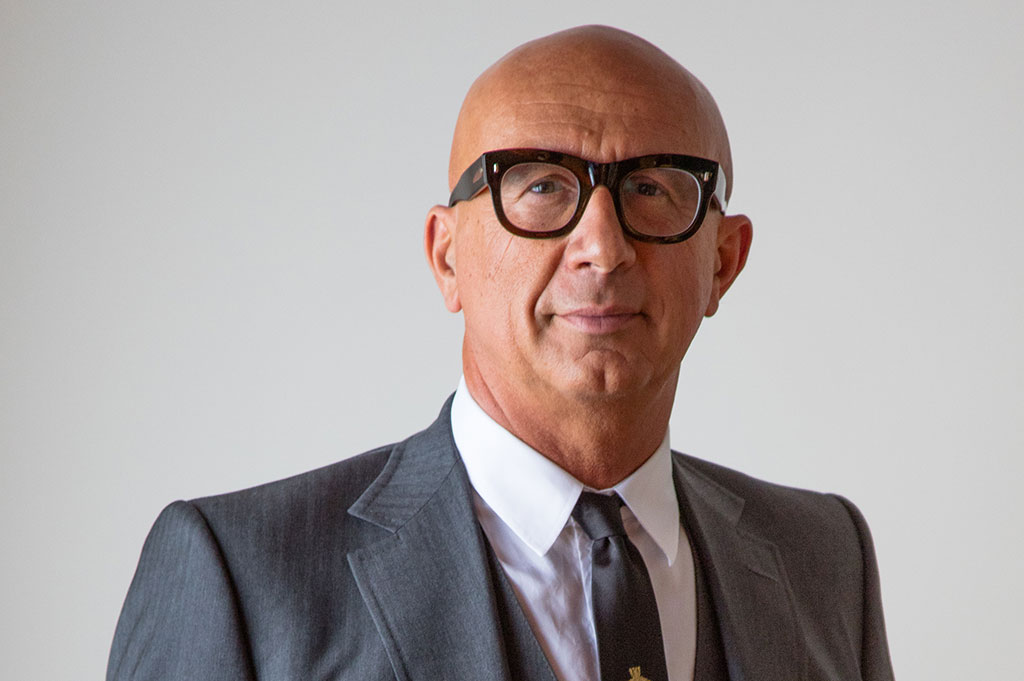
As Gucci president and CEO in 2017, Marco Bizzarri demonstrated a complete misunderstanding of sustainable use. Photo: Gpautou, CC BY-SA 4.0 via Wikimedia Commons.
But another version of this story has it that fur is making a comeback. If true, it all began with a windfall for the trade: a miscalculation by its opponents.
When the modern animal rights movement emerged in the 1970s, Western society was made keenly aware of animal welfare issues. These remain important today, but have been superseded by existential issues threatening the very future of the planet.
In recent years, society has undergone a sea change, with terms like “sustainability”, “climate change”, “global warming” and “renewable energy” entering everyday usage. And the cause célèbre is how to wean ourselves off fossil fuels like petroleum.
Of course, the fur trade has always known fur is sustainable: it’s durable, biodegradable and renewable, and its environmental footprint is a lot smaller than the anti-fur lobby claims. So logically, society's shift in priorities should benefit real fur, and work against fake fur made of non-renewable, polluting, non-biodegradable, petroleum-based plastics that only add to the tons of microplastics already in our watersheds and oceans.
So what have most anti-fur groups done? Rather than keeping their message simple and opposing all fur, real and fake, they have thrown their support behind fake fur as a replacement for the real deal, falsely claiming it is more sustainable!
This is now backfiring. Not only has fake fur kept the furry look (real or fake) on the fashion radar, it has also exposed the anti-fur lobby as dishonest.
Perhaps the biggest shock for the fur trade came in 2017, when Gucci announced it was dropping real fur. Both the world-famous brand and its animal rights handlers effused about how the move enhanced sustainability, and for a while the fur trade feared society would simply fall for this deception. But now, the media and consumers are at least questioning whether fake fur was the right way to go.
The anti-fur lobby, meanwhile, has attempted damage control, such as by calling plastic garments “vegan clothing”, and promising we'll all be wearing “bio-fur” soon, made of fungi, nettles, pineapple and the like.
Maybe one day we will. But for now, almost all manufacturers of fake fur still prefer the petrochemical kind, so the harm it does to the environment continues.
Recycled Vintage Fur
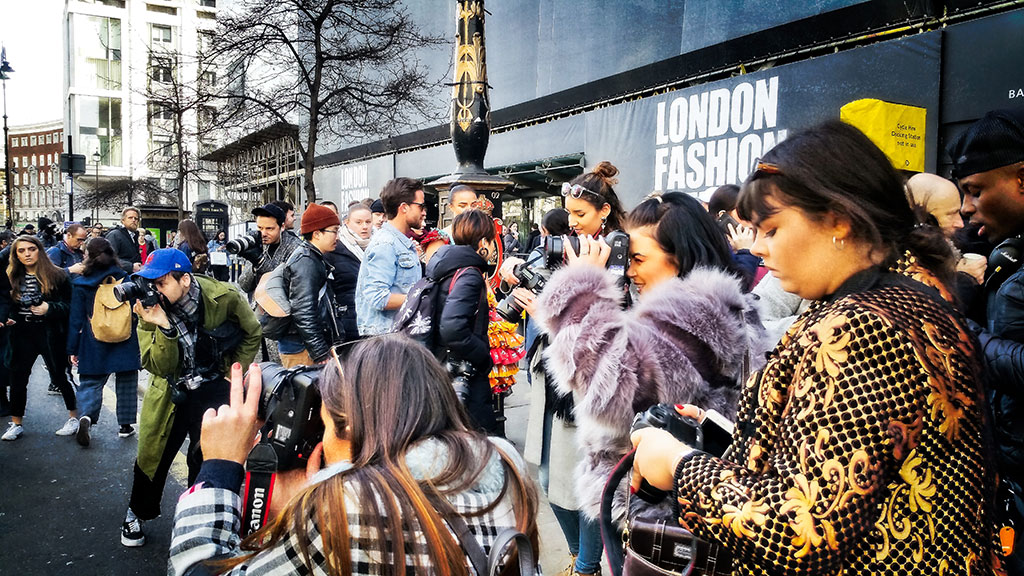
Outside London Fashion Week, wearing fur is fine, but inside is a different story. Photo: garryknight, CC BY 2.0, via Wikimedia Commons.
Then, to confuse matters further, along came vintage fur.
As any fashionista knows, recycled and remodeled vintage furs have been in vogue for a few seasons. Many come from thrift stores and are at least 40 years old, though with demand still strong, it's inevitable that dwindling supplies are seeing ages fall.
For an example of just how vintage furs have confused the picture, look at media coverage last February of the New York and London Fashion Weeks.
Hoping as always for a new angle, on Feb. 16 the New York Times ran a piece titled “What happened to the stigma of wearing fur?” “[I]n January,” wrote Jessica Iredale, “women and men all over town were busting their furs out of storage in what felt like an abrupt reversal of social values.” For years, wearing fur in the US and Europe had felt taboo. “Except, suddenly, people don’t seem to care – especially if the wearer can assert the mantle of ‘vintage’, as no animals were freshly killed and upcycling old clothes is more virtuous than buying new.”
The irony was that last December, New York Fashion Week announced a ban on fur from 2026!
Even more ironic was a report in The Standard (Feb. 21) during London Fashion Week titled “How luxury fell back in love with real fur and crocodile skins”. It was commenting on the street scene rather than on the show’s runways, because it couldn’t do otherwise. London Fashion Week had already banned fur, in 2023, followed the next year by exotic skins and feathers!
What message were these reports sending to consumers?
Was the real story not about vintage furs, but about the resurgence of fur in general? Were the likes of New York and London Fashion Weeks just part of an ivory tower trying to move past fur, while the streets said the opposite?
Predictions
If there is a shortage of farmed fur, sales of wild fur are likely to increase. Photo: Timmins Fur Council.
So where does this leave the fur trade today?
Let's first agree who we’re talking about. I'll call it the Western fur trade, that caters primarily to certain consumers in two regions: North America and Europe, and an East Asian bloc, centering on China and South Korea, that buys a lot of pelts at Western auctions and has designers showing on Western runways. Millions of fur users, especially Indigenous peoples in the High North, don't belong in this category, and won't stop using fur just because of a few bans passed in Western capitals.
That said, the Western fur trade has been under attack for decades, giving the anti-fur lobby plenty of time to refine some highly effective tactics.
No one will deny that these tactics have hurt the fur trade, but many believe the trade has now turned a corner to recovery. Assuming this is true, how durable that recovery is depends on the trade's ability to change.
One change that may be unavoidable is a fall in total output of farmed fur, plus a shift in suppliers. When shortages seemed likely in the past, North American, European and (in this century) Chinese farms simply increased production. But this time around will be different.
Obviously, EU production is falling and may stop entirely, but it's also down in North America due to bad publicity from the anti-fur lobby, and no one is expanding right now. So unless Chinese farmers step up again, or another country fills the breach, a supply shortage could be looming that requires the fur trade to operate at a reduced scale.
There are, however, a few avenues that are already expanding.
One is sales of wild fur. Pelt prices are edging up for some species; for example, at Fur Harvesters Auction last month, interest was strong in bobcats, marten and wild mink. Also, the number of trappers is increasing in many places. And since trapping is now widely recognised as an important conservation tool, choosing wild fur is one way consumers can show their support for sustainable use. There is still opposition to trapping where wildlife and human habitats coincide, notably among dog walkers, but also on the rise are problem animals like coyotes with mange, rabid raccoons and destructive beavers, so trapping won't disappear anytime soon.
Other avenues for expansion are better opportunities for artisanal designers and online retailers, especially in remote areas. Factors fueling this growth include the departure of most luxury brands and department stores from the real fur market, the closure of many brick-and-mortar furriers in expensive downtown locations, and of course the rise of the Internet, which makes it possible to run businesses in remote locations that were not viable before.
Whether all this translates into a comeback for fur remains to be seen, but the signs so far are promising. For now, there's a paradox: on the one hand, the anti-fur lobby continues its efforts to end the fur trade, with a lot of success. But on the other, many media reports and eye-witness accounts say fur is back in fashion. Who is right? Only time will tell for sure.
This March, veteran Ontario mink farmer Kirk Rankin was honoured by the Stratford Perth Museum with the addition of his… Read More
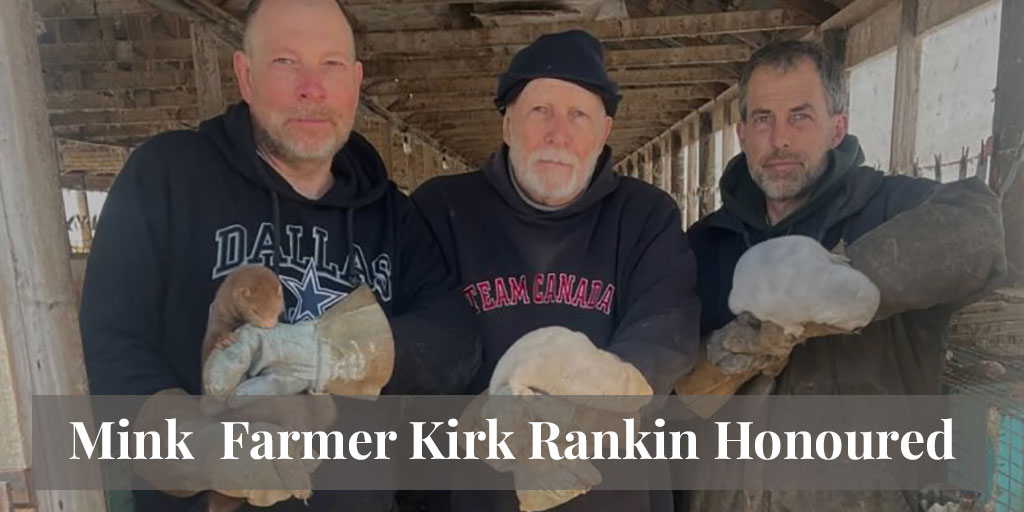
Kirk Rankin flanked by sons Jamie (left) and Curtis. Photo: Gary West.
This March, veteran Ontario mink farmer Kirk Rankin was honoured by the Stratford Perth Museum with the addition of his name to its Agricultural Wall of Fame. Launched in 2014, the Wall honours individuals from Perth County who have made outstanding contributions to local agriculture.
Kirk and family have been raising mink near the town of St. Marys, southwestern Ontario, since his grandfather, Dow, began the business in 1937. Then a cheese-maker with an eye for the next opportunity, Dow Rankin saw his cousin farming mink and decided to follow suit. Starting with just three breeding females, by the time Dow's son, Jim, returned from college in 1949, he had grown the herd to 40 females. In time, Jim took over the reins with his best friend, William Bradley, and incorporated the farm in 1965. R.B.R. Fur Farms is named for two Rankins, Dow and Jim, and a B for William.
Then along came Jim's son, Kirk Rankin, who at first pursued a career in forestry, but later opted to make a life with future wife Judith on the family farm.
Nowadays, Kirk and Judith run R.B.R. Fur Farms with sons Jamie and Curtis, and nephew Steve. That's four generations!
At the farm’s busiest in the mid-2000s, it raised the kits of over 4,000 breeding females.
Kirk's grandfather, Dow, started the family's mink-farming business in 1937.
During all this time, Kirk has filled several leadership roles, mostly in the mink-farming industry but also in the wider agricultural sector.
His first leadership role was as President of the St. Marys Mink Breeders Association, an organisation he had joined while still in high school.
He then served as President of the Ontario Fur Breeders Association.
From 1994 to 2020, he was also a Director of the Perth County Federation of Agriculture, where he advocated on land use planning issues and the importance of agriculture in developing policies.
This is not the first time the Rankin family have been honoured for their contributions to agriculture. For example, in 2014 they were featured for the month of February in the annual Faces of Farming calendar produced by Farm & Food Care Ontario.
And in 2018, R.B.R. Fur Farms received a BMO Ontario Farm Family Award for its outstanding contributions to Ontario's agricultural sector and rural way of life.
Kirk is also known for his outspoken views on animal activist raids on livestock farmers.
In July 2015, activists released 6,800 mink from his farm, at a time when the majority were kits and the herd totalled about 26,000. Just the previous May, activists had raided another local mink farm.
"Everyone is entitled to their own opinion and some people don’t want us to raise the animals for their fur," he said at the time, "but basically we take a lot of human waste that people choose not to eat and turn it into a very luxurious, good-looking, warm product.”
“So, I don’t agree with them at all that what we are doing is wrong. I agree that everybody certainly has their opinion and if you don’t want to wear fur, then you are entitled to not wear fur.”
“Everybody gets their own opinion, but some people believe that they have the power, and I totally disagree with them, to break the law and do things to people who are in the fur business. So, if they maybe looked into it, they would understand what we do and why we do it. If they still don’t want to wear fur, that is their right in our country.”
Thankfully, raids on mink farms by animal activists are far rarer now than they once were, so we're hoping Kirk can enjoy his twilight years in peace.
Mink farmers were shocked and saddened recently by a leaked video showing Dr. Bonnie Henry, British Columbia’s Public Health Officer,… Read More
British Columbia's Government has treated its mink farmers disgracefully..
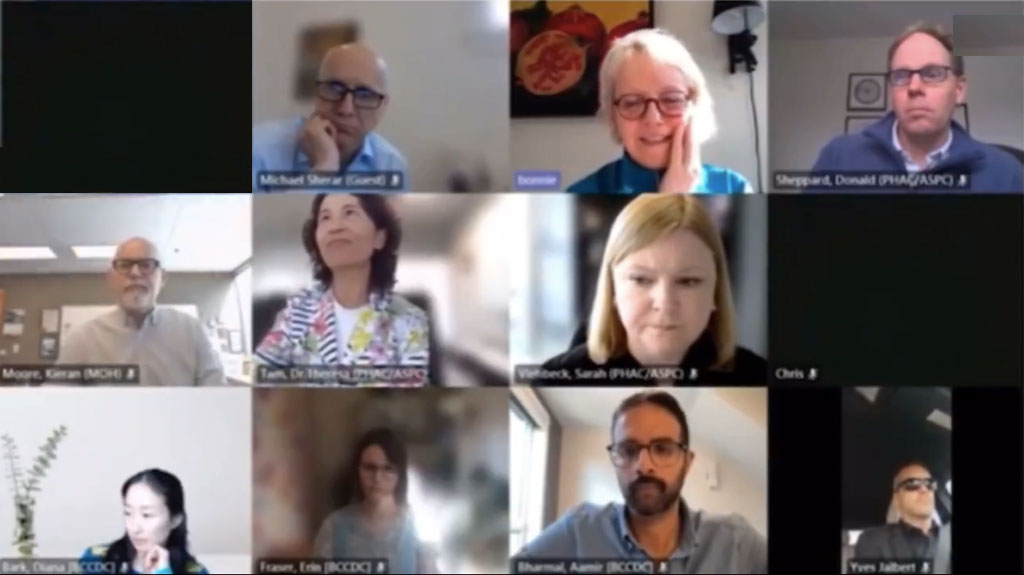
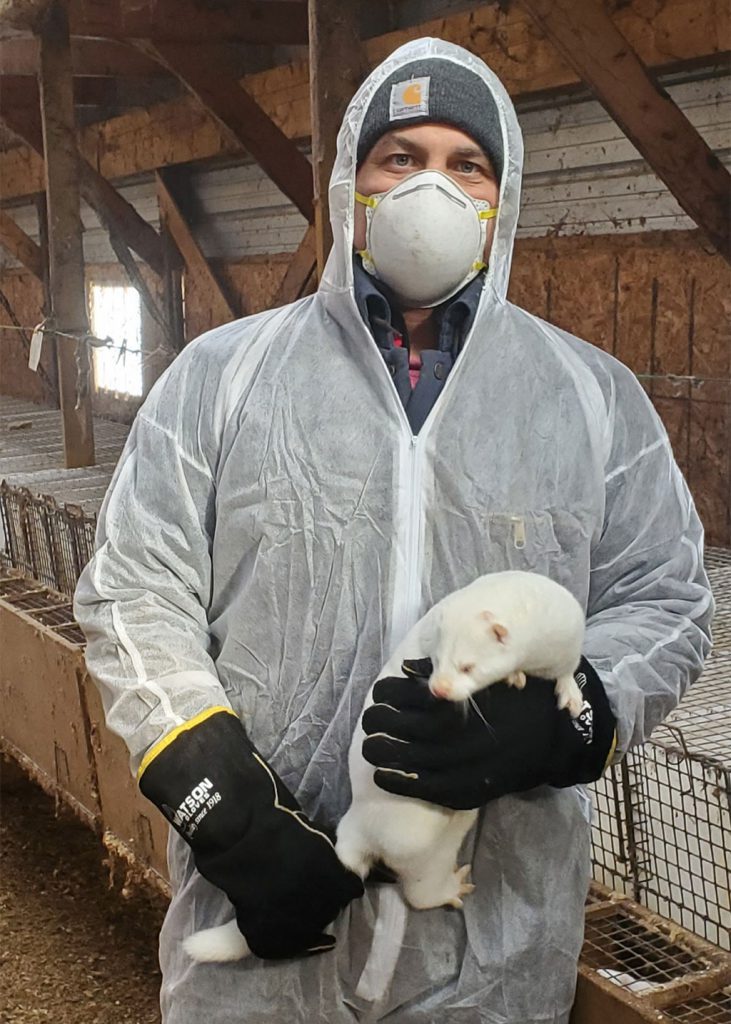
Mink farmers were shocked and saddened recently by a leaked video showing Dr. Bonnie Henry, British Columbia’s Public Health Officer, laughing as she informed her federal and provincial counterparts that the court had rejected a suit seeking fair compensation for farms shut down on her recommendation.
It was the end of a conference call with Canada’s “One Health” committee, in May. As Canada’s Chief Public Health Officer, Dr. Theresa Tam, prepared to wrap up the meeting, Dr. Henry interjected for a final word: “On a positive note, we shut down mink farms in BC, as you may know,” she began with a grin. “Ontario be aware, you still have them,” she laughed. “And they launched a lawsuit against us that was just thrown out yesterday, so, hah hah,” she chuckled. (None of the other public health officers smile during Dr. Henry’s comments.)
This was the latest bizarre twist in the sad saga of the BC Government’s vendetta against the province’s mink farmers.
Dr. Bonnie Henry (top centre) was clearly elated at the suffering she had caused mink farmers.
The scene had been set in Denmark, in November 2020, where concerns about a new “Cluster 5” variant of the SARS-CoV-2 virus traced back to farmed mink led the government to hastily order a mass cull.
It soon became clear that the risks had been overblown – the “Cluster 5” variant disappeared as quickly as it had emerged – and that the cull was ordered without proper legal authority.(1) The Agriculture Minister resigned, and the Prime Minister was forced to apologize to farmers and call a new election after a scathing report on her government’s mishandling of the issue. But the damage was done; animal activists jumped at this opportunity to fan fears and call for a complete ban on mink farming everywhere.
In British Columbia, a One Health Committee was established in October 2020, to coordinate efforts by animal- and public-health officials to monitor and manage potential Covid risks on mink farms. In December, the BC Centre for Disease Control judged that Covid on mink farms did not present an increased risk to public health.(2) In June 2021, a risk assessment found the probability of a dangerous variant emerging from BC mink farms to be “unlikely/very-unlikely”.
Nonetheless, after mink on three of the province’s nine farms had contracted Covid-19, on July 26, 2021, the Public Health Officer imposed a moratorium on new farms, and capped the number of mink at existing levels.
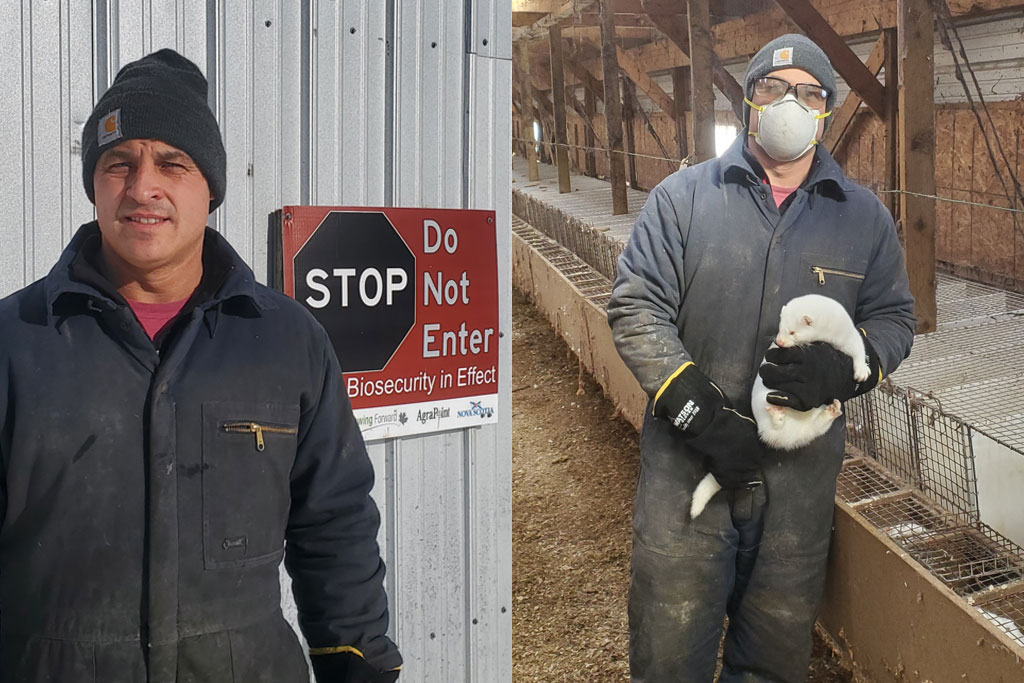
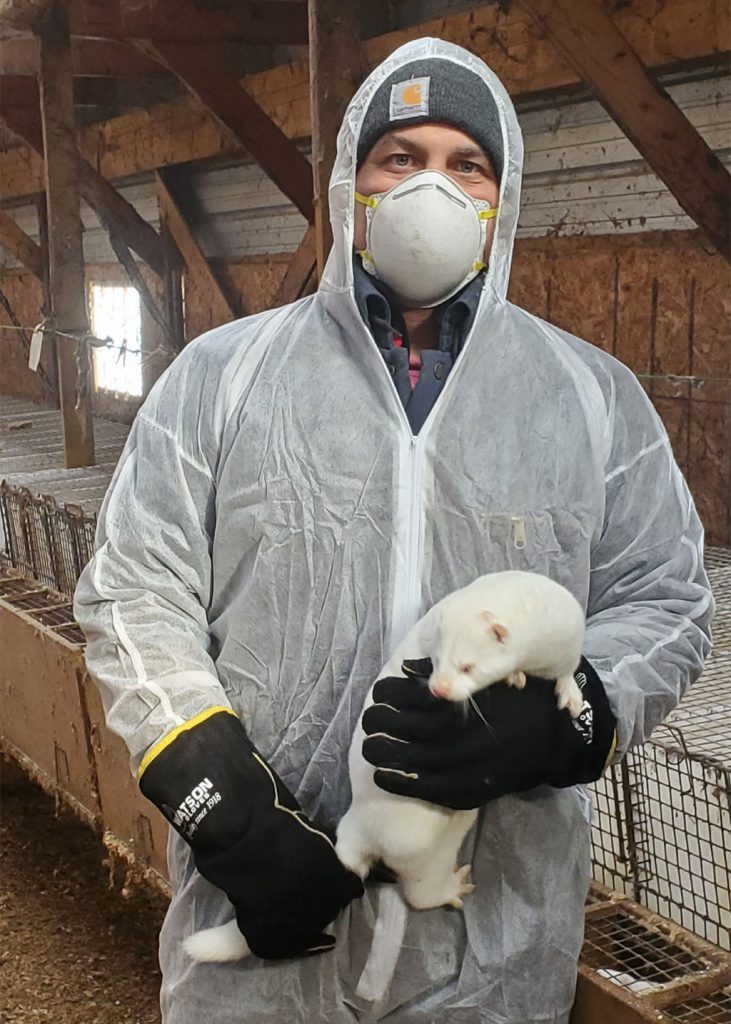
The farmers worked with the PHO to augment strict biosecurity measures: access to farms was limited; protective clothing, masks, and visors were used; and workers with flu-like symptoms did not enter the barns. The farmers felt they were working cooperatively with their Government to responsibly manage any possible risks.
During Covid-19, Canada's mink farmers cooperated fully with regional governments in implementing strict biosecurity measures. Photo: Matt Moses.
Just a few months later, however, on November 5, 2021, the Government suddenly announced that mink farming would be “phased out” in BC, following “the recommendations of public health officials and infectious disease experts,” said Agriculture Minister, Lana Popham. “We believe the risk is too great for operations to continue as they were,” said Dr. Henry.(3)
By Order in Council, on November 26, farmers were ordered not to breed their mink, and were given 15 months (until April 1, 2023) to pelt or sell their remaining animals – destroying, with the stroke of a pen, the life-work and livelihoods of the province’s mink-farming families.
This harsh directive was suspect from the start because, while farmed mink in several US states had also tested positive for Covid-19, the US Centers for Disease Control (CDC) determined that the risk to human health was low so long as farmers maintained good biosecurity protocols.(4) No other North American jurisdiction has followed BC’s decision to ban mink farming.
Influence of Animal Rights Groups Suspected
BC farmers suspected that the province’s militant animal-rights groups had unduly influenced the Government’s over-the-top response, and these concerns soon seemed to be confirmed.
In response to the farmers’ motion (February 15, 2022) for a judicial review of the mink-farming ban – seeking to have the Order in Council “suspended and declared to be of no force and effect”, the province refused to provide the full record of documents and other information that Cabinet had consulted. Full disclosure was not needed, government lawyers argued, because Cabinet was legally entitled to revise the fur-farming regulations as it wished.
On May 13, 2022, lawyers representing the farmers, with their provincial and national associations, formally petitioned for the full record of documents consulted by Cabinet. They argued that the farm ban was unreasonable because more responsive and less invasive measures were available to protect public health, including enhanced biosecurity.
Furthermore, it was blatantly illogical for the government to claim that a farm ban was urgently needed to protect public health while allowing live mink to remain on farms until April 2023.
Above all, it was unjustified to impose a permanent ban when there was no evidence that mink were playing a significant role in the spread of Covid-19 to humans.
Government Lawyers Resist Court Order
In response, on October 5, 2022, Justice Millman of the Supreme Court of British Columbia ordered the Government to file the full record of documents with the court.(5) Government lawyers appealed his decision, but on July 31, 2023, the BC Court of Appeal upheld most of the lower court’s order.(6)
Rather than comply, the Government appealed again, this time to the Supreme Court of Canada, claiming Cabinet privilege – and there it still sits.
While the Government’s stable of in-house lawyers stalled the judicial review, the clock was ticking (not coincidentally?) through the two-year limit available for the mink farmers to claim compensation for their losses. In November 2023, therefore, to ground their compensation claim in a “cause for action”, five farms sued the Province (and the then-Minister of Agriculture, the then-Chief Veterinarian, and the Public Health Officer) for “misfeasance in public office”. The Province was also sued for “constructive taking”, a sort of de facto expropriation.
The farmers claimed misfeasance because, they argued, the mink farm ban did not serve any legitimate purpose related to the Animal Health Act (the legislation under which the Fur Farm Regulations are enacted), but rather was done for “improper collateral political, social, or public opinion reasons.” In other words, mink farming did not pose a serious or urgent threat to public health, and the Government knew it ... or should have known it.
In his May 7, 2024, judgement for the Supreme Court of British Columbia, however, Justice Francis deemed that, as a political body, Cabinet is entitled to make decisions based on political or any other considerations.(7) He found no misfeasance or constructive taking. This was the judgement that so tickled Dr. Henry’s fancy – but it would be troubling if governments could, indeed, act without regard to facts or their own publicly-stated intentions. The farmers will be appealing.
"Cruel and Cynical Game"
Rob Bollert accuses the BC Government of creating "terrible emotional and financial hardship".
“It’s a cruel and cynical game the Government is playing,” says Rob Bollert, president of the Canada Mink Breeders Association. “Each time they drag out proceedings, the farmers have to find money to pay more lawyers.”
“We have to wonder why BC was the only North American jurisdiction to consider it necessary to ban mink farming, and why the Government has refused to provide the full record of how this decision was made. What was the role, access, and influence of animal-rights groups in the Government’s action? Is this what they are hiding? And why is the BC Government refusing fair compensation for the farmers whose livelihoods they so arbitrarily destroyed?"
“This tragic story raises important questions that should concern everyone in a democratic society,” says Bollert.
The questions are also timely because mink farming boasts some impressive sustainability credentials. Farmed mink are fed leftovers from abattoirs and fish-processing plants, the parts of food animals that humans don’t consume – recycling wastes into valuable products. Mink apparel and accessories are handcrafted by skilled artisans; they are warm, and long-lasting, and after decades of use can be thrown into the garden compost where they will biodegrade completely. If we are looking for sustainably produced clothing materials, mink checks all the boxes.
Mink farms in British Columbia were licensed by the provincial Government, and inspected to ensure compliance with responsible animal-welfare and biosecurity standards. In fact, the high-quality mink for which BC was known can only be produced when the animals are provided with excellent nutrition and care.
“Mink produced in British Columbia received some of the highest prices in international markets, reflecting generations of work to develop top breeding stock,” says Bollert. “Mink farmers generated millions of dollars in exports for British Columbia, and provided employment in rural communities. In good faith, they made substantial investments to ensure animal welfare and sustainable growth. Through no fault of their own, they are now saddled with debts they have no way to repay. The government's knee-jerk reaction to Covid concerns has created terrible emotional and financial hardship for these farm families.”
And what of the Government’s promise to help mink farmers “transition” to other agricultural sectors? “Nothing,” one farmer told me bluntly. “The contacts they gave us all went dead once we called for a judicial review. All they offered was grief counselling!”
Hypocrisy at Play
There seems to be a fair measure of hypocrisy at play. Despite real concerns about avian and swine flu, the BC Government doesn’t shut down chicken and pork production – although animal-rights groups want this too. Were mink farmers sacrificed to animal-extremist demands because they lacked the financial and political clout of these larger sectors?
Whatever the reasons – and whatever our personal opinions about mink farming – surely we can agree that if “society”, as represented by our elected government, chooses, rightly or wrongly, to shut down a well-regulated agricultural sector, and legislate hard-working farmers out of business, the least these families deserve is fair compensation for their losses.
With all due respect, Dr. Henry, this is really no laughing matter.
* * *
FOOTNOTES
(1) On Nov. 12, 2020, the European Centre for Disease Prevention and Control concluded that although people working directly with mink should take extra precautions, the risk posed by SARS-CoV-2 mink-related variants was low for the general public, no different than other (non-mink) strains. The Danish public health institute Statens Serum Institut concluded in its May 2022 report that the risk was low that mink farming would lead to the emergence of variants of concern. "Overall, the probability can be characterised as low," it said. "and is assumed to be significantly less than the probability that these will arise in a world population of 7.9 billion people." One European study argued that governments should maintain mink on farms, not cull them, because the reduced lethality and infectivity of mink-specific mutations of virus may be useful as vaccine for humans! See: "SARS-CoV-2 mutations among minks show reduced lethality and infectivity to humans."
(3) While Dr. Henry seemed eager to shut down mink farms, she was sometimes less enthusiastic about implementing internationally recognized measures to reduce Covid-transmission risks. From 2020-2022 she was criticized several times by public health experts for being slow to mandate the wearing of masks in the province’s schools and hospitals, and for lack of transparency about infection rates in those institutions. As recently as April 2023, BC’s Human Rights Commissioner, Kasari Govender, stated that Dr. Henry’s removal of mask requirements in BC medical settings “does not uphold a human-rights centred approach to public health.”
(4) “Currently, there is no evidence that mink are playing a significant role in the spread of COVID-19 to people,” said an updated CDC statement on Apr. 7, 2023. Another expert opinion was that of Dr. Anthony Fauci, then Director of the National Institute of Allergy and Infectious Diseases, who told a webinar in November 2020, “It does not appear, at this point, that that mutation that’s been identified in the minks is going to have an impact on vaccines and affect a vaccine-induced response.” See also the reply by John Easley, DVM, Director of Research, Fur Commission USA.
(6) The Court of Appeal removed only the requirement to provide documents that had been “indirectly” consulted by Cabinet, e.g., studies or reports that may have informed documents reviewed by the Ministers. British Columbia (Lieutenant Governor in Council) v Canada Mink Breeders Association, 2023 BCCA 310.
Raised by humans for more than 150 years, farmed mink are significantly different from their wild cousins and are now… Read More
One of several differences between farmed and wild mink is litter size. Photo: Ted Parkinson.
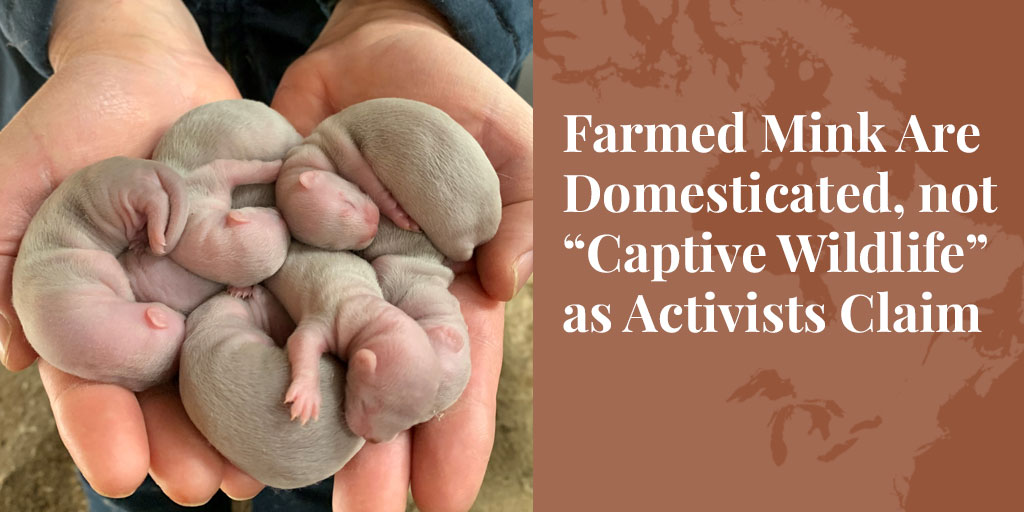
Raised by humans for more than 150 years, farmed mink are significantly different from their wild cousins and are now clearly domesticated, despite animal activist claims to the contrary. This is important because the claim that farmed mink are not domesticated, but rather are “wild animals kept in captivity”, sits at the heart of activists' critique of mink farming.
Activists argue that, because wild mink travel and hunt over large territories, it is impossible to satisfy their fundamental needs on farms. Therefore, they claim, mink farming cannot be humane or ethical, and should be banned.
But is it true that mink farmers are keeping “wild animals” in captivity?
To support their claim that farmed mink are wild, activists point out that they have been raised by humans for only a short time compared with cattle, chickens, pigs or other farm animals. As a result, they say, farmed mink maintain much of their “wildness” – often they can only be handled wearing gloves – and are “biologically unchanged”, so they can survive if released (accidentally or intentionally) into the wild, and can even interbreed with wild mink.
Let’s look more closely at each of these claims.
How Long Does Domestication Take?
Try getting a wild mink to pose for the camera! Photo: Newfoundland and Labrador Fur Breeders Association.
It is true, of course, that mink have been raised by humans for much less time than many common farm animals. Mink were first bred and raised in captivity in North America as early as 1866, but the ancestor of our domestic chickens, the red junglefowl (Gallus gallus), was domesticated some 7,000 to 10,000 years ago in India and China. The domestic pig, derived from the Eurasian wild boar (Sus scrofa), dates from around the same time.
It is worth noting, however, that for most of their history, domesticated chickens, pigs, and other farm animals were raised mostly outdoors. The time these animals have been raised indoors, in more confined cages or pens, is not really that different from mink.
The more important question is how long is really required for an animal to become domesticated? And to answer that question, we must ask what domestication really means.
Animal scientists and biologists consider that domestication involves directional selection that produces morphological, physiological (or functional), and behavioural changes in the animal – changes that allow the animals to successfully adapt to husbandry conditions, and to better satisfy human needs.
Like other domesticated animals, selection for various traits in mink may be “active” (e.g., farmers selecting breeding pairs to develop new fur colours, or to produce larger animals with more fur per animal), or “passive” (e.g., physiological or behavioural changes that emerge because mink are no longer subjected to the natural selection pressures of finding food and mates, or avoiding predators).
Selection Brings Changes
Farmed mink are larger than wild mink, and most are a different colour too. Photo: Tom McLellan.
Following are some of the changes observed in farmed mink that show they have, in fact, undergone a process of domestication through active and passive selection.
CHANGES IN SIZE AND PHYSIQUE
Such changes are a common result of domestication. For example, chihuahuas and bulldogs are very different from wolves. Similarly, farmed mink can be twice the size of wild mink – the result of many generations of selecting for larger animals that produce more usable fur per animal.
CHANGES IN FUR COLOUR
Many domesticated species of mammals and birds show a range of fur and feather colouration that is either rare or unknown in the wild. Wild mink are usually dark brown, but farmed mink have been selectively bred for a wide variety of consistent colour phases, ranging from pure white to jet black. Paler-coloured mink also tend to be larger than darker strains, and more docile.
CHANGES IN MUSCLE AND FAT FORMATION
Farmed mink have more subcutaneous fat than their wild cousins. This fat is rendered into mink oil, for waterproofing and conditioning leather. The increased fat appears to be a secondary effect of selecting for larger animals.
PHYSIOLOGICAL CHANGES
Farmed mink are fertile over a longer period than wild mink, and they also have larger litter sizes. Wild female mink produce an average of two to three kits, while farmed mink average five to six, and sometimes as many as 12. Farmers sometimes select breeding stock for larger litter size, but there is evidence that the (passive or active) selection for less aggressive behaviour (“docility”) may also result in increased fertility and larger litters.
CHANGES IN BRAIN SIZE
It is well known that the brain volume of domesticated animals is generally smaller than in the wild animals from which they are descended. This can range from a reduction in volume of about 14% in domesticated ducks and guinea pigs, to as much as 25-34% in sheep, pigs, dogs, cats, and ferrets. Similarly, when corrected for body size, the brains of farmed mink are about 20% smaller than those of their wild cousins. The heart and spleen of farmed mink are also smaller, which had also been observed in other domesticated animals. Reduced brain volume and other changes are likely the result of the removal of natural selection forces including the need to find food and flee predators.
CHANGES IN BEHAVIOUR AND TEMPERAMENT
While most farmed mink must still be handled with gloves, they are considerably less fearful or aggressive than wild mink – as anyone who has visited a farm can attest. When we enter a barn, most mink will come to the front of their pens to see who’s there; they show curiosity rather than fear or aggression. While farmers have selected mink mostly for size, fur colour and quality, and sometimes for litter size or maternal instinct, there is also a degree of active and passive selection for tameness. This is because highly fearful or aggressive animals do not thrive in a farm environment, are more difficult to handle, and may not reproduce as readily. The codes of practice for raising mink in both the US and Canada include provisions for selecting against fearfulness and abnormal behaviours (sterotypies). Increased fertility, larger body size, reduced brain volume, and certain paler colour phases are also correlated with increased tameness.
Animal Activist Arguments
This brief summary shows that farmed mink clearly exhibit a number of morphological, physiological and behavioural traits commonly associated with domestication. But what about the issues animal activists raise to argue that farmed mink are not domesticated?
For example, take what happens when animal activists raid a mink farm and release the animals. Usually they remain close by and are easily recaptured, if they are not killed by passing cars first. But some can survive in the wild, and even interbreed with wild populations. Activists cite this as “proof” that farmed mink are really “wild animals”, but we know that cats, pigs, and other indisputably domesticated species are also able to survive, and breed, in the wild. Dogs, for example, can interbreed with wolves and coyotes.
Activists also claim that wild mink are agile (hard to handle), carnivorous, solitary, and shy in nature, and therefore not good candidates for domestication. However, other carnivorous animals – like cats and ferrets (a close cousin of the mink) – are also agile, solitary and shy in the wild, but have clearly been domesticated.
When pressed, activists argue that mink simply have not been raised on farms long enough to be domesticated. But the experiment conducted by Dmitri Belyaev and Lyyudmila Trut, in Siberia, famously demonstrated that selecting for just one trait – tameness – in farmed silver foxes was sufficient to produce dramatic physiological changes and dog-like behaviours in only 20 generations. Mink have been raised on farms in North America for about 150 years – that's 150 mink generations -- more than enough time for active and passive selection to have induced changes normally accepted as domestication, as summarised in this article.
What Scientists Say
Some farmed mink can even be handled without gloves. Photo: Newfoundland and Labrador Fur Breeders Association.
Much of the information in this brief summary is taken from two scientific papers: “Is the mink domesticated?” by Prof. Eddy Decuypere [Physiology Research Group, Faculty of Bioengineering Sciences, Catholic University of Leuven, 2005], and, “The welfare of farmed mink as compared to other farmed animals, and the question of domestication of farmed mink”, by Prof. B.M. Spruijt, [Animal Welfare Centre, Veterinary Faculty, Utrecht University, 1999]. Those interested in this subject would do well to consult these papers, as well as the extensive scientific references they cite to support their observations.
Prof. Spruijt concludes: “Farmed mink are surely a domesticated species, as evidenced by certain defined characteristics of domestication present in mink, like changes in fur colour, physiology and behavior brought about by selection.” While acknowledging that ”docility” is one aspect of domestication that seems less pronounced in mink (and that he thinks is worthy of further research), he reports that “Given the relatively short history of mink breeding, the welfare assessment of farmed mink suggests that mink have adapted reasonably well to captive conditions,” and that “Compared to the welfare of other farmed animals, there is no reason to suggest that their level of domestication presents an unacceptable welfare problem.”
Prof. Decuypere similarly concludes that, “based on a number of typical domestication characteristics such as changes in fur colour, the lengthening of the mating season, the reduction in brain volume and behaviour changes, and by analogy to changes in these characteristics in animals known to us from time immemorial, the bred mink is unmistakably a domesticated animal."
It should be noted that while we have focussed on farmed mink in this survey, many of the same arguments for domestication – e.g., on-going selection for increased size, new colour phases, more docile temperament – can also be made for farmed foxes.
Of course, none of this will satisfy activists who subscribe to the extreme “animal rights” philosophy. For them, animal welfare concerns like those raised by the domestication debate are just a smokescreen, because they know that most people do not share their belief that humans have no right to use animals at all, for any purpose.
The claim that farmed mink are not domesticated animals is just the latest Trojan Horse that animal activists are wheeling out to insinuate their no-animal-use agenda onto consumers, the media, and politicians. Like so many activist claims, it is not supported by the facts.
***
To learn more about donating to Truth About Fur, click here.
In his 2012 book The Righteous Mind: Why Good People Are Divided by Politics and Religion, social and cultural psychologist… Read More
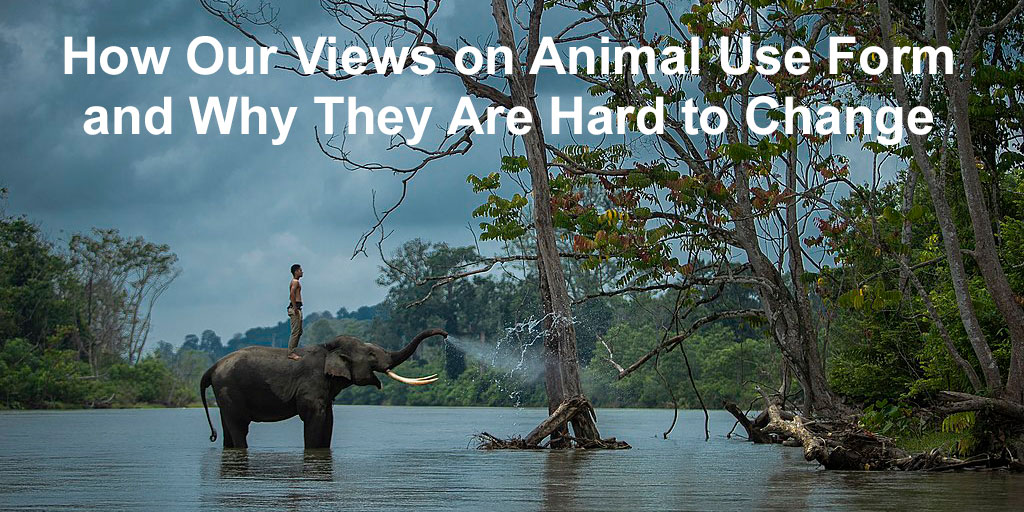
Jonathan Haidt uses the metaphor of an elephant and its rider for how we decide whether something is good or bad. Photo: Hendrapictures, CC BY-SA 4.0, via Wikimedia Commons.
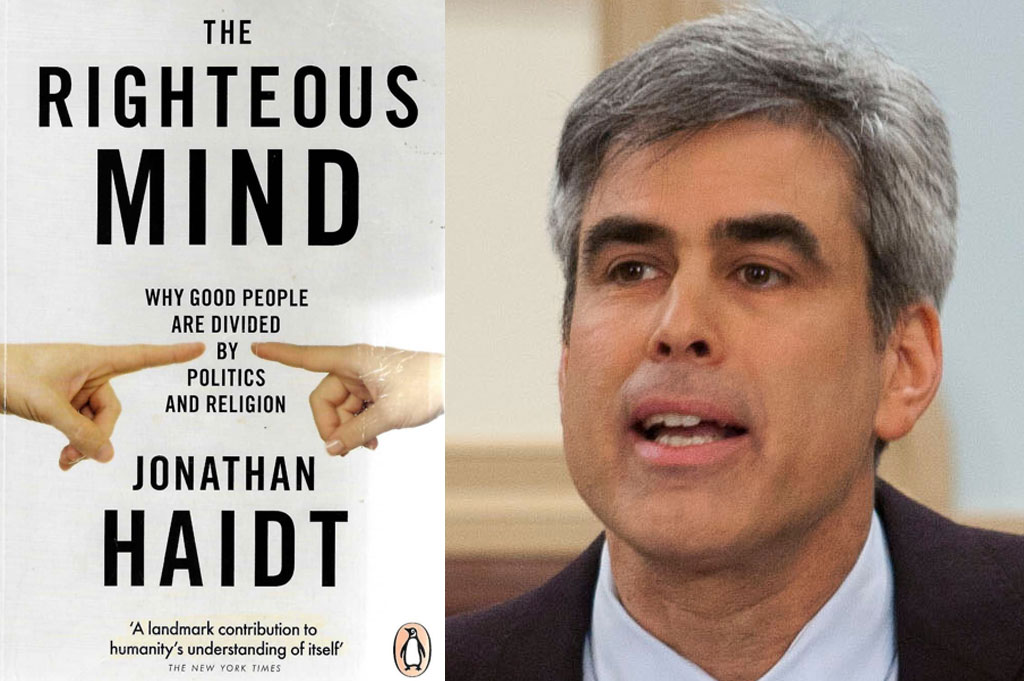
In his 2012 book The Righteous Mind: Why Good People Are Divided by Politics and Religion, social and cultural psychologist Jonathan Haidt explains why people hold such wildly differing beliefs and why others’ views seem so illogical. Understanding his arguments may be key to reversing the decline in support for various animal uses seen in urbanised societies, and ensuring industries such as the fur trade still have a future.
Ethics (morality) is about the way in which people want to act. Ethics invite us to do the right thing. That there is not always agreement about what is right in a particular case, as for example using animals for food or fur, is due to the fact that morality is partly innate, and partly learned and influenced by the environment (urban or rural) in which someone grows up.
According to recent analyses, our ethical behaviour is based on a matrix of six moral modules that have arisen in our brains during our evolution. The trapper in the North, the cattle farmer in the countryside, and the animal activist in the city centre of a Western country, all have a moral vision based on a moral matrix formed by these six universal modules in their brains.
Every society builds its own moral matrix because its moral values, claims, and institutions rest differently on each of the six moral foundations. The moral matrix built in the brain of young people in a hunting culture will be different from those in an agricultural culture, or in a modern industrialized culture where most people live in cities completely distanced from nature. That is why our judgment of whether something is good or bad is partly connected with the human and world vision presented in our environment. The differences in sensitivity to the various six moral matrices explain the different moral visions that individuals take on certain social issues within the same society.
Photo: Miller Center of Public Affairs flickr page, Charlottesville, VA, CC BY 2.0, via Wikimedia Commons.
This moral matrix in our brain produces quick, automatic gut reactions of sympathy or disgust when certain things are observed. These then lead to a judgment as to whether something is good or bad. First comes the feeling, then comes the reasoning.
Haidt describes this by using the metaphor of an elephant and its rider. The elephant represents our automatic intuitions. This is about 99% of our mental world, the part that has been around for a very long time where the automatic processing of information, including emotions and intuition, happens. Evolutionarily speaking, the rider has only recently joined.
When Homo sapiens developed the capacity for language and reason during the last 600,000 years, the automatic processing circuits in our brains didn’t suddenly stop and allow themselves to be taken over by reason. This ensures the controlled processing of information and our “Reason why something is good or bad”. The rider reasons afterwards about what the elephant felt.
The rider (the language-based reasoning) acts as the elephant’s spokesperson, and is very good in making post hoc justifications for everything the elephant has felt. Within a fraction of a second of us seeing or hearing something, our elephant already starts to lean in a certain direction, and this tilt to a particular side influences what we think and say next. By leaning to one side, the rider has little or no interest in the other side of the story. After all, his function is not to find the truth, but to seek arguments to explain why the elephant leans to one side.
The metaphor of the elephant (automatic intuition) and its rider (reasoning), stating that the rider is at the service of the elephant, does not mean that we never question our intuitive judgments. The main reason we can change our minds about moral issues is through interaction with other people. After all, while we are very bad at finding evidence that undermines our own beliefs, others are happy to do this for us, just as we are quite good at finding fault with the reasoning and beliefs of others.
If we want other people to be open to our side of the story, we must first tilt their elephant to the other side. This is not possible by using rational arguments alone. We must look for something emotional, something that acts on their gut feeling, that makes their elephants lean to our side and opens their minds to our arguments. Animal activists, like all populists, are very strong on responding to the gut feeling of the people and make sure that the elephant leans to the side they want. Lies and deceit are not shunned by these people. Just think of the notorious staged video, in 2005, of a raccoon dog being skinned alive for its fur.
The animal-use sector has a much harder time appealing to people’s gut feelings. In an urbanized society, more and more people are developing a moral matrix that is intuitively negative for this sector, in large part because of propaganda from animal activists. The fur trade, for example, has endured this negative propaganda for fully 40 years. The impact of this propaganda on the general public can be explained in the same way as advertising: tell someone a thousand times that food X is healthy, and after a while he or she will be intuitively convinced of that fact. Therefore, it will be vital for the fur trade to find that emotional gateway to open the elephant to our arguments.
Fur checks all the boxes: production is sustainable, animal welfare standards are high, businesses are small and artisanal, and the end product is natural, long-lasting and biodegradable! But as long as we cannot hit the gut feeling of the general public growing up in the city, our rational arguments will fail.
What Are the Six Moral Modules, and Which One Guides the Animal Rights Movement?
Jonathan Haidt summarises his six moral modules as follows:
“1. The care/harm foundation: evolved in response to the adaptive challenge of caring for vulnerable children. It makes us sensitive to signs of suffering and need.
“2. The fairness/cheating foundation: evolved in response to the adaptive challenge of reaping the rewards of cooperation without getting exploited. It makes us want to see cheaters punished and good citizens rewarded in proportion to their needs.
“3. The loyalty/betrayal foundation: evolved in response to the adaptive challenge of forming and maintaining coalitions. It makes us trust people that are team players and hurt those who betray us or our group.
“4. The authority/subversion foundation: evolved in response to the adaptive challenge of forging relationships that benefit us within social hierarchies. It makes us sensitive to signs of rank and status and to signs of other people behaving or not behaving properly, given their position.
“5. The sanctity/degradation foundation: evolved in response to the adaptive challenge of the omnivore’s dilemma, and then to the broader challenge of living in a world of pathogens and parasites. It makes it possible for people to invest objects with irrational and extreme values which are important for binding groups together.
“6. The liberty/oppression foundation which makes people notice and resent signs of attempted domination. It triggers an urge to band together to resist or overthrow bullies and tyrants.”
Since the sensitivity to each of these six moral modules is not the same for everyone, everyone possesses their personal intuitive moral matrix. For example, there are people who are extra sensitive to the caring/harm, fairness/cheating and liberty/oppression foundation, but usually little sensitive to the loyalty/betrayals, the authority/subversion and the sanctity/degradation foundation. There are also those who have a more spread sensitivity on all six moral foundations, and whose sensitivity for the first three foundations is less pronounced as compared to the first group.
There are also people whose moral matrix is triggered on almost only one module. These then become moral extremists who have a principled ethic. The convinced animal activist is such a person. Everything is reduced to one principle and everything else is irrelevant in their eyes.
The ideologically driven animal activist has a very pronounced sensitivity to the liberty/oppression foundation and not, as we might expect at first sight, to the care/harm foundation. The latter is the case with people who are committed more to animal welfare and who believe that people should be allowed to use animals for human purposes.
In the first sentence of the introduction to his 1975 book Animal Liberation: A New Ethics for Our Treatment of Animals, Australian philosopher Peter Singer writes: “This book is about the tyranny of humans over animals.” Further in his introduction, he states that he “does not feel any love for animals”, but that he wants to end oppression and exploitation, wherever they may occur.
The animal rights activist plays with the general public on their care/harm foundation but their own motivation is the liberty/oppression foundation and their goal is therefore an end to the use of animals for human purposes, not animal welfare. Animal welfare is just the lubricant used by this movement to help it in its attempt to force its moral vision and way of life upon us.
The strength of this animal rights movement is the moral conviction that they are fighting a right fight.
However history shows that moral convictions can have enormous practical consequences. A recent example is Marxism. Marxists saw their beliefs not merely as personal views, but as absolutely certain scientific knowledge. Their socialism thus became “inevitable” and they had the future on their side, as it were. “History is on our side,” they liked to say. Their enormous self-confidence made them very intolerant of dissenters. Seventy years after Karl Marx’s death, about a third of humanity lived under regimes that called themselves “Marxist”. Instead of the expected ideal and just society, Marxist rule produced poverty and tyranny. When it became clear that the facts did not agree with Marx’s theories, so-called “revisionism” arose. Several Marxist thinkers tried to match Marx’s theories with the facts — and the facts with Marx’s theories.
Marxism was a stunning phenomenon because its ideas triumphed while on a practical level it failed permanently and the societies it spawned collapsed or eventually turned away from their Marxist policies.
In this area I see parallels with the animal rights movement and its leaders. They are also firmly convinced that they are right, and regard animal rights as a logical historical extension of rights for ethnic minorities and women, although this comparison does not hold. They also claim that acceptance of animal rights is “inevitable”; it is only a matter of time before anyone who disagrees sees the error of their ways. They also claim that their ideology is scientifically substantiated. And they, too, often adopt an intolerant attitude towards philosophies of life that do not fit their needs. Their views on animal rights are not open to discussion. The appearance of being open to collaborating with others is only part of a deliberate strategy to create a society free of all animal use.
The animal rights movement calls its own principled statement – that animals have the right to be left alone and live freely and undisturbed – the only morally correct position. To live up to this statement, it must curb the freedom of the human animal. Freedom of choice, inherent in being human, must be limited by law to the choice of those who claim to defend the freedom of all animals!
Wanting to apply the principle of moral equality also to beings who have no morality leads to absurd situations and takes us far from reality. It is very easy to point to an animal from a privileged situation and say, “We are not going to use that anymore”, but all things considered, such a method is worthless.
***
To learn more about donating to Truth About Fur, click here.
British Columbia’s Ministry of Agriculture, Food and Fisheries has yet to show any science to justify its drastic decision, last… Read More
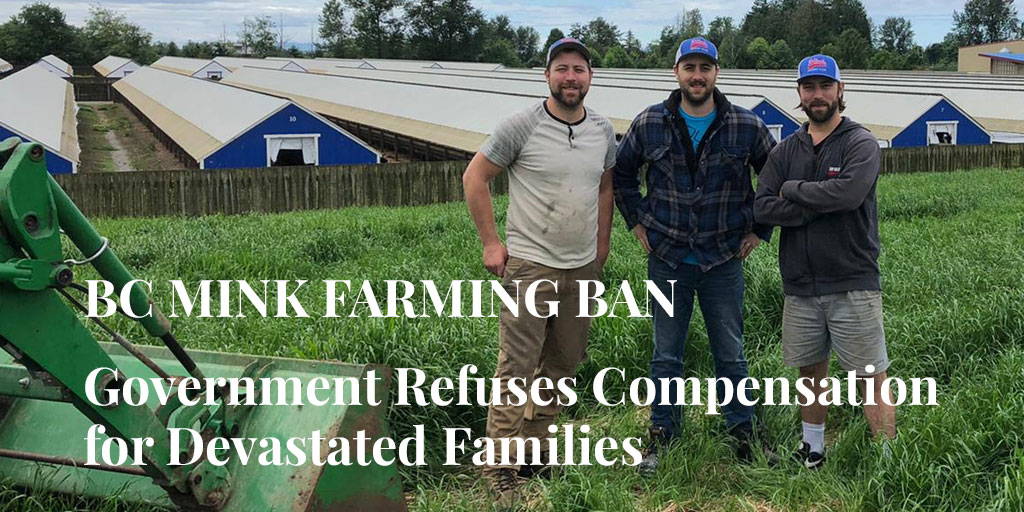
For Joe Williams (right) and his brothers, British Columbia’s mink farming ban is a devastating and senseless blow.
British Columbia’s Ministry of Agriculture, Food and Fisheries has yet to show any science to justify its drastic decision, last November, to introduce a mink farming ban in that province. The failure to provide any serious evidence that mink farming might compromise efforts to combat Covid-19, as the government – echoing animal activists – claimed, raises questions about its real motivation. Even more alarming, the government has refused any compensation for the farm families whose life work and livelihoods have been wiped out.
Rewind to July 2021. After three of BC’s nine mink farms had tested positive for Covid-19, the Ministry of Health drafted an order imposing a moratorium on any further breeding. Since the order would expire in January 2022, before the start of the next breeding season, it did not constitute an immediate threat to farms. But the possibility that the order might simply be extended made planning impossible. So the farmers objected, and the final order instead just prohibited them from increasing the current size of their herds.
Then in August, the government upped the ante dramatically, advising mink farmers that a ban was being considered. In response, the farmers collected a broad range of science demonstrating that, with proper biosecurity measures in place, mink farming could continue without endangering public health. Included were materials from the World Organisation for Animal Health; the Centers for Disease Control and Prevention, the Food and Drug Administration, and the National Veterinary Services Laboratory in the US; and the European Centre for Disease Prevention and Control.
In direct contradiction of this international scientific consensus, on November 5 the BC government dropped the bombshell.
First the Ministry of Agriculture called the farmers to say that the Ministry of Health had reassessed the threat posed by mink farming, and the entire sector was to be “phased out”. Breeding was permanently banned, effective immediately, the last live mink had to be gone by April 2023, and the last pelts must be sold by April 2025. After that, mink farming in BC was history.
With the farmers still reeling in shock, Agriculture Minister Lana Popham, backed up by Provincial Health Officer Dr. Bonnie Henry, then called a press conference the same day to publicly announce their decision.
…
So Many Questions
Immediately the questions began to fly, and not just from fur farmers. Even veterinarians and virologists with expert knowledge of mink farming were perplexed. Only one farm in BC still showed signs of Covid, so why didn’t the government just continue to keep that farm in quarantine, or even cull all its mink? Why close down the entire sector?
And there were more troubling questions the BC government has still failed to answer adequately, or at all. For example:
Question: Is the ban really about protecting the public from Covid, or is it at least in part about appeasing aggressive BC animal rights groups? Popham insists her decision was based solely on public health concerns, but has yet to provide any scientific data to justify such a radical move. Meanwhile, animal activists themselves seem to contradict her claim.
For years, the British Columbia Society for the Prevention of Cruelty to Animals (BCSPCA), The Fur-Bearers, and Humane Society International (HSI) have been campaigning to end mink farming in the province on “animal welfare” and “ethical” grounds. But, when Covid started appearing on mink farms, these groups immediately began scaremongering about a “public health risk”.
These groups are also known to have had many meetings with Popham over the past year, and the minute Popham announced her ban, they began congratulating themselves for a job well done. Crowed HSI chief Kitty Block on her blog, “The move follows an intensive campaign by HSI/Canada, as well as our allies … HSI/Canada and our partners have consistently called on the British Columbia government to ban fur farming in the wake of disturbing reports of horrendous animal suffering in these facilities” [italics added].
Question: Why is BC so out of step with other governments tackling the same pandemic? Back in 2020, when the Danish government ordered the killing of 15 million mink, scientists knew much less than they do now about the risk of mink passing new Covid variants to humans. It’s since been established that the public health risks posed by mink farming are low and manageable, especially in a country like Canada where farms are few and remote from large human settlements. And even Denmark never banned mink farming — and is now compensating farmers to the tune of millions of dollars for their lost animals.
Why did British Columbia’s mink farming ban come just as Canada was about to start vaccinating mink against Covid? Photo: Finnish Fur Breeders’ Association.
Further reducing the risk to public health are the unprecedented biosecurity measures being deployed on mink farms, plus a Covid vaccine developed specifically for mink, which began rolling out last year. Fur Commission USA reports that about 95% of that country’s mink herd have now been vaccinated, and Finland’s vaccination program is also advancing well. Vaccine access in Canada was limited in 2021, but Zoetis, the US manufacturer, has committed to having enough vaccine available this spring for all Canadian mink. Most of the doses available to Canada in 2021 were used on Nova Scotia mink farms, who purchased them through a cost-sharing agreement with the federal and provincial governments.
The BC government surely knew that vaccines were on the way, and that they promised to resolve the very public health issue it claimed to be addressing. That fact alone strongly suggests it had already decided to ban mink farming, and the imminent availability of vaccines may have forced it to advance its schedule to implement the ban.
Question: Was the timing of the ban a cynical ploy to avoid ordering a cull, and thereby having to pay farmers compensation?
It seems too convenient, from the government’s viewpoint, that the ban was announced in November, just when farmers were about to harvest their mink. The ban on future breeding put farmers under immense financial pressure to harvest their breeders as well. Within weeks, the farms were almost empty of animals, without any need for the government to order a cull – which would have automatically triggered the requirement to provide compensation.
Question: If, as the BC government claims, farmed mink really posed an unacceptable health risk in November 2021, why did it allow farmers to keep live mink until April 2023? And why were farmers allowed to sell and transport live mink to other jurisdictions?!
Question: If farmed mink pose an unacceptable health risk because they can catch Covid, what about all the other animals we now know can catch it? Pet ferrets, hamsters and cats live in homes, potentially exposing children and the elderly to the virus. Large cats and other animals in zoos have been found with Covid, as have a high percentage of North American white-tailed deer and mice. In fact, there is evidence suggesting that most mammals can transmit the virus even if they don’t show symptoms.
Question: And why just Covid? In 2004, British Columbia had an outbreak of another zoonotic disease, avian flu, worrying the government enough for it to order the culling of 19 million poultry. Then in 2009, Canada was swept by a strain of swine flu that killed at least 428 people (as of February 2017). But in neither case was the possibility ever considered of shutting these industries down. Authorities worked with farmers to mitigate the risks, as they should. BC’s mink farmers, however, got different treatment altogether. Why?
No Compensation?
No one has taken biosecurity more seriously during the pandemic than mink farmers.
The fact that the government could close down an entire farming sector, without showing any science to justify it, is cause for concern for anyone in agriculture. But BC’s mink farmers now face a more pressing problem: If the government is true to its word, farm families will not be receiving one cent in compensation, and that will spell financial ruin for many.
When Popham addressed the news conference last November, she made it sound like her ministry would do the right thing and work with farmers to help them “transition” to other activities. The issue of money was deftly skirted around, but she pledged “to help them pursue other farming, business or job opportunities that support their families.” Nice words, but to date no real assistance has been forthcoming. (Although at one meeting the government-appointed consultant did offer farmers the number for a suicide prevention hotline!)
But compensation for the farmers is not only needed, it is surely deserved. For generations in some cases, farm families strived to refine the genetics of their herds. Thanks to their efforts BC produced some of the finest farmed mink in the world, consistently ranking in the top 5% of prices at international auctions. With the stroke of a minister’s pen, all that work has been destroyed.
On November 29, Joe Williams, president of the BC Mink Producers Association (BCMPA), wrote to the ministry asking to see the science and data used to justify the ban, and requesting an urgent meeting “as decisions need to be made”. On December 10, Deputy Minister for Agriculture Tom Ethier replied. The ministry would only be dealing with “individual producers”, not “provincial, national, and international industry groups” – a strategy known as divide and rule. He also stated unequivocally, “The Ministry will not be offering compensation to mink farmers because of this ban.”
Instead of support, BC mink farmers got bureaucratic waffling. “We continue to want to work with producers to find the appropriate supports within existing government programs and support any that wish to transition to other agricultural industries,” wrote Ethier. “We will make staff available to work with mink producers to explore what is possible regarding financial support within these existing programs.”
So how have these vague promises panned out so far? “There is no deal. Nothing,” said Williams. “They are saying it’s due to Covid and they don’t have to pay. There is no compensation, they are not even paying the employees. They in fact are leaving us with massive debt.”
Massive Debt
In fact, the government’s arbitrary action will place many farmers in a deep financial hole.
BC mink farmer Terry Engebretson told the Vancouver Sun that aside from losing his job, he’ll also be stuck with millions of dollars of debt. “This isn’t a transition, it’s an eviction,” he said. “The banks are looking at us and realizing we don’t have any income.”
In 2010, Engebretson drew up a 20-year plan that included a mortgage to pay for barns, pens and a feed-preparation room. If he switched to another type of farming now, he’d have to tear down the barns while still paying the mortgage on them. And with the way many agricultural sectors in BC are supply-managed, if he switched to chickens, for example, he’d need to buy an expensive quota, assuming that it was even available.
“No bank is going to touch me,” he told the Sun. “I’d be piling debt on top of debt. I’ll be lucky if I can keep my home.”
It’s hard to see a happy ending to this story. Time will tell whether the government’s decision was really justified by the science, or whether more insidious influences were at play. What is sure is that the life work and livelihoods of farm families have been destroyed.
The Ministry of Agriculture has abruptly declared a successful and well-regulated farm sector to be illegal, without providing any scientific justification for its action. At the very least, surely it now should provide fair compensation to those affected. The BC government needs to acknowledge the suffering it is causing to citizens who have done nothing wrong, and take full responsibility for its decision. That includes loosening its purse strings immediately.
***
To learn more about donating to Truth About Fur, click here.
On November 5, Lana Popham, British Columbia’s Minister of Agriculture, Food and Fisheries, announced that the province “is beginning a… Read More
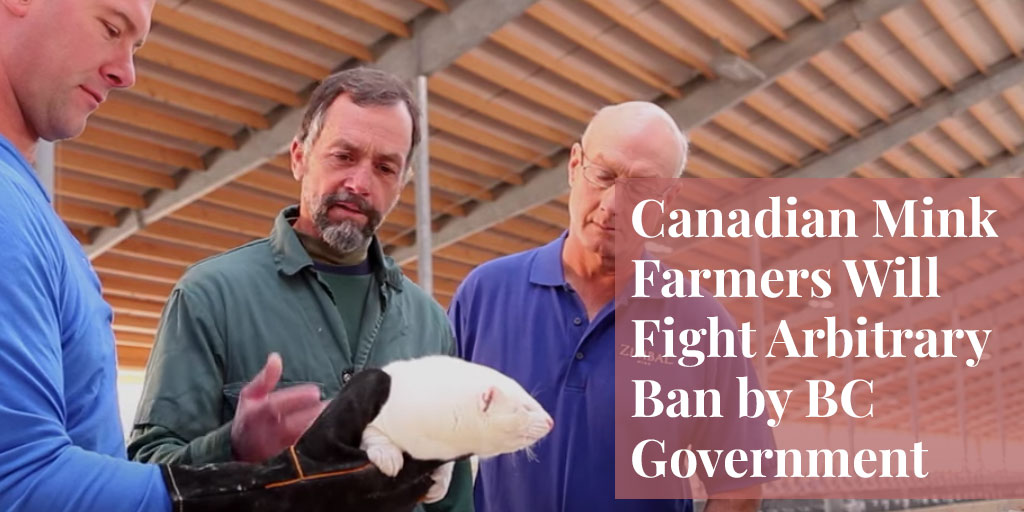
Dr. John Easley (centre) says the arbitrary ban is “not supported by science.” Image: Zimbal Mink Farm.
On November 5, Lana Popham, British Columbia’s Minister of Agriculture, Food and Fisheries, announced that the province “is beginning a process to phase out B.C.’s mink-farming industry due to ongoing public-health risks associated with COVID-19.” But one of North America’s most respected veterinary experts has denounced this arbitrary ban as an “overreaction” that is “not supported by science”.
“The British Columbia government’s declaration to end the livelihood of these farm families does not seem to be supported by the current scientific knowledge and appears to be an overreaction to a situation with very limited health risk to the general human population,” says Dr. John Easley, director of research for Fur Commission USA. (See his full statement, below.)
The government’s decision seems especially unjustified now that a new vaccine has been developed to protect mink from the Sars-CoV-2 virus, he says.
While the Sars-CoV-2 virus has been detected on mink farms in many countries over the past 18 months, “the vast majority of these infections have been self-limiting, and posed very limited risk to the caretakers of the livestock,” he continues. No Variants of Concern have developed on mink farms, according to the World Health Organisation.
Most viral mutations are species-specific in their pathology, so the virus circulating in the human population – especially the unvaccinated population – presents by far the greatest risk to produce a Variant of Concern. “So, if the governmental agencies’ goal is to reduce the risk of a new Variant of Concern being developed, why haven’t they already mandated that all the citizens be vaccinated?” asks Dr. Easley.
“And how are they going to address the risk due to the domestic cat population’s susceptibility to the virus – or all the other animal species [including hamsters, ferrets, and white-tailed deer] that we now know can be infected and reproduce the virus?”
“Since we learned that mink can contract Covid-19 from humans, Canadian mink farmers have worked with government agencies to implement strict biosecurity protocols,” says Rob Bollert, a mink farmer and president of the Canada Mink Breeders Association (CMBA). “As proof of how conscientiously these measures have been applied, the Sars-CoV-2 virus has been detected on only three of our farms – just 5% of the 60 Canadian mink farms situated across the country.”
“This arbitrary and radical decision by the BC government is simply devastating for farm families,” says Bollert. “It takes generations of work, including excellent nutrition and care as set out in Canada’s comprehensive codes of practice, to develop the quality of mink that Canada is famous for – and these bureaucrats are destroying all that effort, without any real scientific justification. With only one Sars-CoV-2 positive farm in BC at the present time, this will mean that farmers will be forced to kill perfectly healthy herds of animals. This is unprecedented.”
“We know that animal activist groups in BC have been campaigning against mink farming for years, as the thin edge of the wedge in their efforts to eliminate all animal agriculture. They have been fanning Covid fears to further that agenda. But it is shocking that the BC government would surrender to activist pressure tactics, rather than basing policy on science and proven good practice,” says Bollert.
In the US, Sars-CoV-2 has been detected on 16 farms in four states, but the Centers for Disease Control (CDC) and the US Department of Agriculture have not recommended culling healthy animals or banning mink farms. Dr. Anthony Fauci, director of the National Institute of Allergy and Infectious Diseases in Maryland and Chief Medical Advisor to the US President, has stated that, with proper biosecurity measures in place, the CDC considers the Covid risk that mink farms represent for the general public to be low.
“Pandering to Animal Activists”
Matt Moses, president of the Nova Scotia Mink Breeders Association, is non-plussed. “BC mink farmers have implemented all the security measures requested.”
“When cases of Swine Flu or Avian Flu emerged in this country, the government didn’t shut down pork or chicken production – although that’s exactly what animal activists were calling for,” says mink farmer Matthew Moses, president of the Nova Scotia Mink Breeders Association and past president of the CMBA. “Instead, government agencies worked with producers to responsibly manage the situations.”
“BC mink farmers have implemented all the security measures requested by the BC health and agriculture officials, but it looks like the BC government in this case is more interested in pandering to animal activists. Is it because we are a very small sector, with only nine farms in BC? Is that why they are ready to destroy the work and livelihoods of these farm families?” asks Moses.
“The proof that the BC government does not really believe mink farming to be a public health risk is the fact that they are permitting producers to keep live mink on their farms for another 18 months, and to sell or transport them to other provinces,” states Moses.
“The BC government’s knee-jerk decision is especially disappointing because mink fur is a sustainably produced, long lasting, and biodegradable, natural clothing material – exactly what environmentalists are saying we should be choosing instead of petrochemical-based, throwaway, ‘fast fashion’,” says Bollert.
“We are looking at all our options to fight this arbitrary decision. Animal activists are saying openly that this is just the first step in their campaign to eliminate all production of animal products, including meat and dairy. This is a wake-up call for all agriculture, and for everyone who believes that government policy should be based on science, not activist propaganda.”
* * *
Response to BC government’s arbitrary ban on mink farming, by Dr. John Easley, Director of Research, Fur Commission USA (November 5, 2021)
https://www.youtube.com/embed/5809NZNzCDM
This is an unfortunate decision that doesn’t seem to be supported by the experience and knowledge we have gained during the last 18 months since the North American farmed mink industry started to address the mink’s susceptibility to the Sars –CoV-2 virus.
Over that period many counties have experienced infections in their farmed mink operations and the vast majority of these infections have been self-limiting and posed very limited risk to the care takers of the livestock. No Variants of Concern have ever been developed due to the viral replication in mink according to the WHO. Many viral mutations are species specific in their pathology; so, the virus circulating in the human population, especially the unvaccinated population, is by far the greatest risk to produce a Variant of Concern that would put the general population at risk. So, if the governmental agencies’ goal is to reduce the risk of a new Variant of Concern being developed, why haven’t they already mandated that all the citizens be vaccinated? How are they going to address the risk due to the domestic cat population’s susceptibility to the virus and/or all the other animal species that can be infected and reproduce the virus, thusly, potentially producing a new Variant of Concern?
The North American farmed mink industry has worked collaboratively with many governmental agencies to develop effective biosecurity protocols for the farms and their employees. They have also supported the development and the utilization of a Sars-CoV-2 vaccination for the mink. This vaccine was granted experimental approval by USDA and was tested in 90% of the mink in the United States, over 3.2 million doses were utilized. It was proven to be extremely safe. Since the enactment of the enhanced farm biosecurity measures, the farm animal caretakers being vaccinated and the mink themselves being vaccinated, there have been no new diagnosed farm infections in the USA.
The British Columbia government’s declaration to end the livelihood of these farm families does not seem to be supported by the current scientific knowledge and appears to be an overreaction to a situation with very limited health risk to the general human population.
John Easley DVM Director of Research Fur Commission USA
The International Fur Federation (IFF) has appointed a range of fur industry “Ambassadors” as well as retained the services of… Read More
Furmark is a global certification and traceability system for natural fur, now being rolled out by the International Fur Federation. This article first appeared in the July 26, 2021 issue of the weekly fur trade newsletter Sandy Reports, and is reproduced with permission. To subscribe, contact Sandy Blye at [email protected].
The International Fur Federation (IFF) has appointed a range of fur industry “Ambassadors” as well as retained the services of outside industry consultants to market, promote and provide information on the Furmark® certification. The Ambassadors represent their respective regions and will be responsible to outreach to a range of firms and contacts to share the merits of – and encourage inclusion in – the Furmark certification program.
Sandy Reports reached out to several of the Ambassadors provided by the IFF and asked them to share feedback they have received to date from their respective regional outreach.
Regarding Furmark, I had conversations with fur people on my previous two trips in China this month. In general, bigger manufacturers for domestic market and exporters for Russia are viewing Furmark as a very positive tool either for increasing their revenue or simply for their own publicities use. For those manufacturers who do OEM fur garments for fashion brands and for Russian market, they believe that if their clients accept Furmark, then they should join as quickly as possible, so they will be receiving more orders than those who don’t. That’s why they want to know how Russians are truly viewing Furmark.
The smaller ones are definitely showing interests on Furmark as well but given that they don’t buy as many skins from auction houses as the bigger companies, so at the moment, instead of applying immediately, they’d rather take wait-and-see attitude to see how things are going with bigger ones. (For exporters, they also comment that they want to know how Russians react to Furmark, which I think is reasonable.)
Retailers, we have a well-known brand in China who take initiatives to have included Furmark as part of their own marketing strategies in the coming retail season, really move fast and even push IFF to provide more marketing toolkit for them.
As for Chinese domestic market, if Furmark will be known and accepted by Chinese consumers, it for sure will help a brand to sell more garments over others who don’t use … what Furmark stands for, such as sustainability, traceability system, green materials etc.
These ideas are very popular in the fashion world in China in recent years, you can hear these talks, discussions on almost every fashion-related Seminar or Forum in China. LV and Fendi’s joining in has become an endorsement for Furmark in the fashion world.
Jan Erik Carlson – Furmark Ambassador, Europe
I have been working as a freelance consultant for IFF for more than a year now, with a focus on developing and implementing the Furmark system in the fur trade and fashion industry. Acting as an ambassador in the outreach to the fashion brands in Europe is a natural extension of my assignment.
Behind the handful of much publicised brands that have said no to natural fur, I still find a genuine interest in fur. I would even say that in the post-covid markets there will be an increased interest in materials that are authentic and sustainable. Natural fur actually ticks all the boxes in this respect, and the Furmark system can provide the assurance and confidence that consumers need to buy natural fur.
Both my personal contacts in the fashion industry and the extensive research that has been conducted globally in B2B [business-to-business] and B2C [business to consumer] segments by IFF, points to the fact that Furmark is the right concept at the right time. Most companies in the fashion industry do understand that they need a new strong tool to be able to promote and sell natural fur. Although fake fur is an alternative, there is no way around the fact that it is a plastic product that does not add any value to their products/brands compared to natural fur.
Having worked intensely with Furmark for more than a year, I am left with a feeling that there is a future for the fur trade. Although we have had some setbacks in recent time, I still experience that natural fur has a unique cachet and the material is aspirational for many designers and consumers. The high level of interest in signing up to the Furmark system across the markets is a good indication for the future!
Charlie Ross – Furmark Ambassador, North America
The designers that I am concentrating my Furmark efforts are fur-friendly and sell to boutiques and direct to consumers. They are, of course, disappointed that department stores will not buy, but many of the mid-level designers do not sell to department stores. I did not ask any questions about their reaction to fur. I have been mostly targeting designers in New York. They are all suffering in their business with decreased sales, so they did not bring up a change of attitude to fur. To be honest, I have been speaking to fur-friendly designers. They have been busy with their spring collections, and we are doing a Blackglama project, so they seem happy. I think that Furmark will provide additional confidence, but without the department stores the fur business will be smaller in the future.
The designers that I have reached are very supportive of the Furmark concept but they are waiting for the program to launch in Q4. The designers think that an organized and common language of selling certified furs is important in light of department stores that have stopped selling fur. The actual language is still being discussed but the concept has been very well received. I think after the September shows this will be a more relevant conversation as the designers will think about fall and fur. I will have a Furmark presentation during Fur Vision this year to really bring the message to the trade. The IFF wants to do the designer outreach before the trade.
The fur farmers seem to understand that the manufacturers and retailers need a concept to provide confidence to their customers. The trade in New York has not really commented on the Furmark program since it launches the end of the year. The IFF would need to do some outreach to the trade to try to get the information about Furmark to the trade. This has not started and is a program for the fall.
The big brands in Europe are also supportive about Furmark because they feel it is a way to give confidence to the consumer and the program covers a lot of fur types which they sell.
I think the lack of action about the loss of department stores is shocking. We won the political battle in some states, but we lost Saks and Neiman.
Maksim Chipurnoy, Russian Fur Union – Furmark Ambassador, Eurasia Region
Maksim Chipurnoy (blue necktie) sees a positive reception of Furmark by “almost all sectors” of the fur trade.
The reaction to Furmark in Russia and Eurasia is positive, Turkish brands are already joining the project and there is interest from major players from Russia, Kazakhstan, Belarus. As in fact the Eurasian Economic Union has a mandatory traceability and labelling system in place by law since 2016, many players are interested in how technically the Furmark project can integrate into the existing system. We continue to negotiate with key industry players about joining the Furmark project.
The response to the Furmark project concept has also been received positively by almost all sectors of the fur industry. Proof of this: most sable fur farms in Russia have already joined the project and have been certified by independent inspectors from the Research Institute for Animal and Rabbit Breeding, two major auctions Sojuzpushnina and Ruspushnina, which sell Russian sable skins, have also been assessed for compliance with the Furmark project by independent experts from the Federal Centre for Hunting Development and, starting in 2021, all furs sold in Russia are certified. Plans for the near future include the inclusion of Uzbekistan and Uzbek Karakul in the Furmark project.
The main drivers of the fur trade are still China and Russia. In Russia, the turnover of fur goods is about US$3 billion, and compared to 2020, there is a noticeable revival of the market, sales growth, and a systematic return of business indicators to the pre-pandemic level.
***
To learn more about donating to Truth About Fur, click here.
David Suzuki styles himself as an environmentalist, so it is surprising he recently sent a letter (co-signed by three other “scientists”) to the BC Minister of Agriculture criticizing mink farming.
Mink farming plays a key role in the agricultural cycle. Mink are carnivores and are fed leftovers from our own food production, the parts of chickens, cows, fish and other food animals we don’t eat (often as much as 50 per cent of biomass) – “wastes” that would otherwise end up in landfills. In turn, mink manure and carcasses are composted to produce organic fertilizers to replenish the soil. Nothing is wasted.
David Suzuki is misguided. When farms were found to have Swine Flu and Avian Flu, we didn’t close them down. Photo: Holger Motzkau 2010, Wikimedia Commons, CC BY-SA 3.0.
At a time when we are encouraged to buy better quality clothing and keep it longer, to reduce waste, using fur makes more sense than ever. Mink fur is a remarkably warm and long-lasting natural clothing material. We often see mink coats that are 30 or 40 years old, or older. Fur is one of the few examples of clothing that is passed from one generation to the next. A fur coat can also be taken apart and “restyled” into a new coat, or recycled to make vests, handbags or other accessories. After decades of use, old furs can be thrown into your garden compost where it will biodegrade completely.
By comparison, synthetics from which 80 per cent of our “fast-fashion” clothing are now made are generally derived from petroleum, a non-renewable, polluting and nonbiodegradable material. Such synthetics may cost less than natural materials like fur, leather or wool, but they don’t last long – millions of tons of these nonbiodegradable synthetics are thrown into the trash each year. These synthetics also leach millions of microparticles of plastic into our waterways each time they are washed – plastics that are now being found in marine life. Not good for nature!
Claims that mink farming is “cruel” are also misinformed. Like other animal agriculture in Canada, mink farmers follow codes of practice developed by veterinarians, animal scientists and animal welfare authorities, under the auspices of the National Farm Animal Care Council. Mink farms in BC are inspected and licensed by the Department of Agriculture to ensure codes are followed. And farmers have every reason to ensure their animals have excellent nutrition and care: this is the only way to produce the high quality fur for which Canada is known internationally.
The mink on BC farms are not “wild animals,” as activists claim; mink have been raised on farms in Canada for more than 100 years. They are well adapted to farm life and physiologically different than their wild cousins.
The rarity of Covid-19 on North American mink farms shows that biosecurity measures are effective.
Similarly, activist claims (parroted by Suzuki) that mink farming should be banned because mink can be susceptible to COVID-19 are not supported by science. Although COVID-19 has been detected on farms in four US states, top infectious disease expert Doctor Anthony Fauci and the US Centers for Disease Control have not recommended culling infected farms, let alone an end to mink farming. They have implemented quarantines and strict biosecurity controls – the same precautions that have been applied in BC. The fact that the virus has emerged on only two Canadian farms, nine months after the first cases were detected in Europe, shows that these biosecurity measures are effective.
Suzuki’s call for a ban on mink farming is misguided. When Swine Flu (H1N1) and Avian Flu were found on farms, we didn’t all stop eating pork and chicken or close down pig and poultry farms (although that is what animal activists called for then, too); instead, farmers worked with authorities to responsibly contain and eliminate the viruses. That is exactly what mink farmers are doing now.
As Canadian farm families work to protect their animals and their livelihoods, they need our support, not unfair attacks from urban activists and their celebrity cheerleaders. For the producers’ side of the fur story, please visit TruthAboutFur.com.
***
To learn more about donating to Truth About Fur, click here.
It’s the Holiday Season, a time of good cheer, so let’s pretend for a moment that Covid-19 hasn’t made the… Read More
The fur trade has suffered some setbacks of late, but it’s not all bad. Photo: NOAA/AOML/Hurricane Research Division.
It’s the Holiday Season, a time of good cheer, so let’s
pretend for a moment that Covid-19 hasn’t made the last year thoroughly miserable
for everyone, including the fur trade. After all, every cloud has a silver
lining, right? What follows may seem like a stretch, but not everything about
2020 was bad.
Silver Lining 1: Closed Season on Retail Bans
New York’s fur trade successfully fought off animal rights groups, but it was exhausting. Photo: Maria Reich.
Let’s start with something that didn’t happen in 2020: if there were any new campaigns launched to ban fur retail in the US, Truth About Fur didn’t hear about them. This bore out a prediction we made last March that, with the pandemic building, no one would have time to argue about animal rights.
Before the pandemic, animal rights groups were on a roll in California. They started small, in trendy West Hollywood, where a retail ban went into effect in 2013. Then Berkeley fell in 2017, San Francisco’s ban began last January, and a Los Angeles ban starts in 2021. In 2023, California’s statewide ban is scheduled to begin. (The sad irony, of course, is that the politicians who supported these bans pride themselves as being "progressives" -- in which case, as Truth About Fur's Alan Herscovici explained, they should be promoting fur, not trying to ban it!)
Activists tried the same tactics in New York City (and state) in 2019, but stalled in the face of stiff opposition. And, just before the pandemic reached the US, they were targeting Minneapolis.
The fur trade mounted challenges to all these campaigns -- and legal challenges forced San Francisco to acknowledge that furs can still be purchased by mail order in that city -- but putting out fires left and right is expensive and time-consuming. Then Covid-19 came and stole the show, ably supported by such explosive events as the Black Lives Matter riots and the US election. Any interest in talking up fur sales bans evaporated, and they remain irrelevant to this day.
It won’t last, of course. Once Covid is under control and there’s a slow news day (remember those?), animal rights extremists and attention-hungry politicians will be teaming up again. But until then, the fur trade can take a breather and regroup. It’s not much of a silver lining, but a breather was definitely needed!
Silver Lining 2: Denmark’s Loss May Be Your Gain
If Danish mink production ends, prices should rise. Photo: Kopenhagen Fur, public domain.
It’s never nice to benefit from another’s misfortune, but it happens in business all the time. Now the world’s largest exporter of mink has been struck down, and other producers -- especially in North America -- stand to gain.
In November, the Danish government ordered the culling of the country’s entire mink herd – believed to be about 14 million animals according to insiders, not 17 million as widely reported – after a mutation of the coronavirus was found that, some feared, might reduce the efficacy of a human vaccine. The government has admitted it had no legal authority to order the cull, and the threat posed by the mutation has been questioned (not least because it hasn’t been seen since September). But the cull went ahead anyway, and the Danish government has forbidden further breeding in that country until 2022.
It’s still unclear whether Denmark’s mink industry is really finished, but Kopenhagen Fur, the world’s largest auction house whose main supplier is the Danish Fur Breeders’ Association, seems to think so. “It is a de facto permanent closure and liquidation of the fur industry,” said chairman Tage Pedersen, who predicted 6,000 lost jobs -- including more than 1,100 farm families. The auction house has said it will clear reserve stocks while implementing "a controlled shutdown over a period of 2-3 years."
So what’s the silver lining here? Well, if the Danish industry is truly over, as Pedersen suggests, the next few years should see a significant drop in supply and, consequently, rising prices. In particular, North America's mink farmers should benefit since their fur pelts are widely considered to be the world’s finest, though its chief rival, Denmark, produced far more. Other fur types, like fox, may see a rebound too as garment makers look for alternatives.
In fact, Saga Furs, in Finland, may have shown a glimpse of the future on Dec. 15 when it concluded its first international auction – online, of course -- since the Danish cull. Summarizing the results for Truth About Fur, a representative said that almost all (90%) of the one million mink on offer were sold “at overall prices up by 50% since last auction, with North American mink sold at a premium. China, with support from Italy and Turkey, were the main buyers, with multiple bids per lot. Blue foxes were also up, by 17%, and shadow foxes up 10%.”
The mink-farming sector now has an unexpected opportunity to reset its output. Until 2013, when prices were peaking, many observers feared rapidly escalating over-production. Both prices and production have fallen since then, but with Denmark out of the picture, we could see a leaner, meaner, and more profitable industry with world production more closely aligned with actual demand. Of course, farmers in other countries might just ramp up production to fill the shortfall. But with prices still barely covering production costs (if that), and the current uncertainty in retail markets, it is unlikely that mink production will return to recently-seen levels any time soon.
Personally, I find it hard to believe Denmark’s mink industry will roll over and die so easily. But its production will, at the very least, take a major hit in the short- to mid-term. And therein, sad as it may be, lies a silver lining for most everyone else.
Silver Lining 3: The Rush to Replace NAFA Is On
NAFA was North America’s largest auction house, but others are filling the void.
Last but not least in our doggedly joyous roundup of 2020, there’s the North American auction scene. After the biggest player bowed out, a period of great uncertainty ensued as others jockeyed to take up the slack. They haven’t quite sorted themselves out yet, but the good news is that a number of strong options have already emerged.
Until late last year, North American Fur Auctions was, by far, the continent’s largest fur auction house. Based in Toronto with facilities in Wisconsin and elsewhere, NAFA was North America's leading marketer of both farmed and wild fur. This dominance was assured in 2018 with the collapse of its Seattle-based competitor, American Legend Cooperative.
And then it all came unglued. On Oct. 31, 2019, NAFA was granted creditor protection, leaving many fur farmers wondering how to sell their furs – or, for that matter, what would happen to furs already consigned to -- or sold by -- the auction house.
The auction scene is still in flux, with news that New York-based American Mink Exchange will be selling in collaboration with Fur Harvesters Auction in North Bay, while Saga Furs is also poised to play a stronger role in North America. Meanwhile, Fur Harvesters Auction -- a cooperative venture of First Nations and other trappers -- is gearing up to greatly expand its wild fur offerings, while Illinois-based Groenewold Fur & Wool Co. has stepped up its presence in Canada. Other projects are also rumoured to be in the works.
In the meantime, the silver lining of NAFA’s demise is that there seems to be no shortage of parties ready to take its place. Imagine if no one had wanted the job! But if there are two words that describe the people of the fur trade, they are "tenacity" and "adaptability". Let's see how they play out in 2021!
***
To learn more about donating to Truth About Fur, click here.
Quick to turn the misfortune of others to their own benefit, animal activists have jumped on reports about Covid-19 on… Read More
Biosecurity protocols on North American mink farms have never been stricter. Photo: Truth About Fur.
Quick to turn the misfortune of others to their own benefit, animal activists have jumped on reports about Covid-19 on mink farms in Europe (and some US states) to call for a complete ban on fur farming in North America. In media interviews and opinion pieces they are sounding the alarm that the SARS-CoV-2 virus mutated in Danish mink and, in some cases, was passed back to humans; this new mink-related strain could threaten the efficacy of future vaccines, they argue. Their fear-mongering received a boost when the Danish Government ordered the culling of millions of mink, citing the same concerns.
In fact, most public health authorities do not agree. The European Centre for Disease Prevention and Control issued a statement on November 12 in which it concluded that the overall level of risk to human health posed by SARS-CoV-2 mink-related variants is low for the general public, no different than other (non-mink) strains. (1)
World Health Organisation chief scientist Soumya Swaminathan said that “mutations [in viruses] are normal ... I don’t think we should come to any conclusions about whether this particular mutation is going to impact vaccine efficacy.” WHO spokesperson Dr. Margaret Harris added that some members of the international community and the media have misunderstood the threat level. (2)
Similarly, respected US virus expert Dr. Anthony Fauci said: “It does not appear, at this point, that that mutation that’s been identified in the minks is going to have an impact on vaccines and affect a vaccine-induced response.” (3)
The World Organisation for Animal Health (OIE) stated that “although several animal species have been infected with SARS-CoV-2, these infections are not a driver of the COVID-19 pandemic; the pandemic is driven by human to human transmission.” (4)
Preventative Measures
Protective suits, masks and visors are now standard on North American mink farms Photo: Truth About Fur.
The OIE does not propose mass culling of mink herds, let alone an end to mink farming. Rather, it advises a range of preventative measures including human testing; infection prevention and control for workers; animal testing and prevention of spread from animals; and the development of preparedness and response strategies. These are precisely the precautions that US and Canadian mink farmers have implemented to protect their animals, their own families, and the public.
North American mink farms, like most animal agriculture, maintain biosecurity protocols to prevent the spread of infection from wildlife or other farms. These measures were immediately tightened when it was learned that mink in Europe had contracted Covid-19 from humans. Only essential personnel are permitted onto farms, and workers who feel ill must be tested for Covid-19 before coming into contact with the animals. Masks, visors, and gloves are used when handling mink. If Covid-19 is found on a mink farm, this must be reported to the state or provincial chief veterinary officer and public health authorities, who decide whether further measures are required.
“The European situation gave us lead time to put stricter biosecurity into place,” said Matt Moses, a Nova Scotia mink farmer and president of the Canada Mink Breeders Association. No cases of Covid-19 have been found on Canadian mink farms, and while some cases were recently found on US farms, they appear to have been rapidly and effectively contained.
Mink farming is also very different in North America than in Europe. While some 3 million mink are being produced annually on about 200 farms spread out across Canada and the US, in Denmark, more than 1,200 farms were producing over 17 million mink in an area smaller than Vancouver Island -- or less than one-fifth the size of Wisconsin. The risk of inter-farm contagion is clearly far lower in North America.
Meanwhile, the “Cluster-5” Covid-19 mutation found on Danish mink farms has not been detected since mid-September, and has “most likely become extinct,” the Danish Health Ministry admitted last week. (5)
None of this has dampened the enthusiasm of animal activists
who sense an opportunity to deliver a body blow to the fur industry. There is
no justification for taking even the smallest risk, because fur farming is
“cruel” and “unnecessary”, they argue.
Cruel? In fact, animal welfare is a priority on North American mink farms. Producers work hard to provide their animals with excellent nutrition and care, as this is the only way to produce top-quality fur.
By contrast, the fake furs and other synthetics proposed by animal activists are generally made with petroleum, a non-renewable and non-biodegradable resource. These synthetics represent about 80 percent of our clothing, and leach millions of micro-particles of plastic into our waterways each time they are washed; plastics now being found in marine life. Cruelty-free indeed!
Mink are raised on small, family-run farms, supporting employment in rural communities. Mink help to reduce waste: they are fed left-overs from our own food production, the parts of cattle, poultry, and fish we don’t eat -- by-products that might otherwise end up in landfills. Mink manure, straw bedding, and carcasses are composted to produce organic fertilizers, replenishing the soil and completing the agricultural nutrient cycle.
As for the new risks posed by Covid-19, mink farmers take their biosecurity responsibilities very seriously, to protect their livelihoods, their animals, and their families. Of course, no one is obliged to wear fur -- or leather, or wool; or to eat meat or dairy -- but that does not give activist groups the right to unfairly attack the livelihoods and reputations of North American farming families.
To learn more about donating to Truth About Fur, click here.
Manage Consent
To provide the best experiences, we use technologies like cookies to store and/or access device information. Consenting to these technologies will allow us to process data such as browsing behavior or unique IDs on this site. Not consenting or withdrawing consent, may adversely affect certain features and functions.
Functional
Always active
The technical storage or access is strictly necessary for the legitimate purpose of enabling the use of a specific service explicitly requested by the subscriber or user, or for the sole purpose of carrying out the transmission of a communication over an electronic communications network.
Preferences
The technical storage or access is necessary for the legitimate purpose of storing preferences that are not requested by the subscriber or user.
Statistics
The technical storage or access that is used exclusively for statistical purposes.The technical storage or access that is used exclusively for anonymous statistical purposes. Without a subpoena, voluntary compliance on the part of your Internet Service Provider, or additional records from a third party, information stored or retrieved for this purpose alone cannot usually be used to identify you.
Marketing
The technical storage or access is required to create user profiles to send advertising, or to track the user on a website or across several websites for similar marketing purposes.