


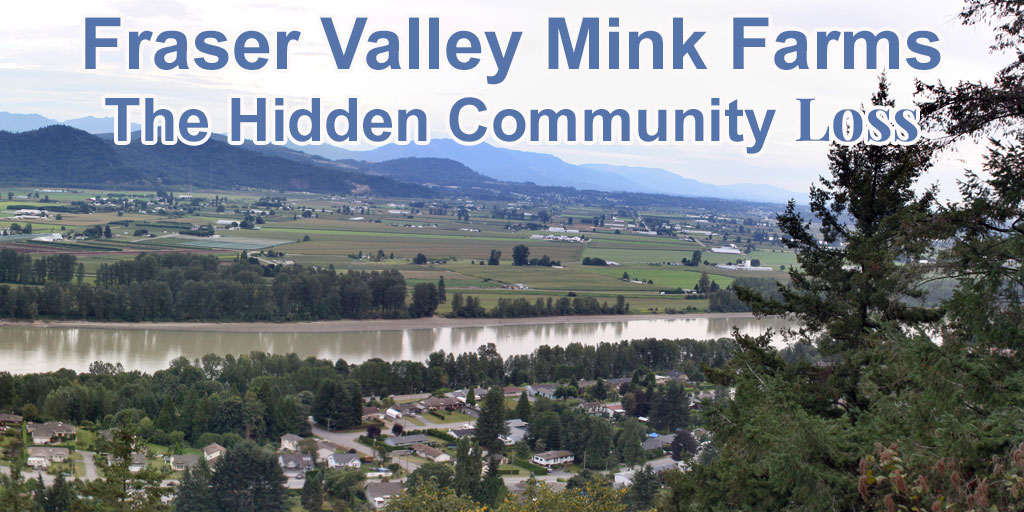
Fraser Valley Mink Farms: The Hidden Community Loss
by Tim Killey, instructor, British Columbia Trappers AssociationOver the last couple of months, I needed care in our local hospital in Fraser Valley, British Columbia, for a…
Read More
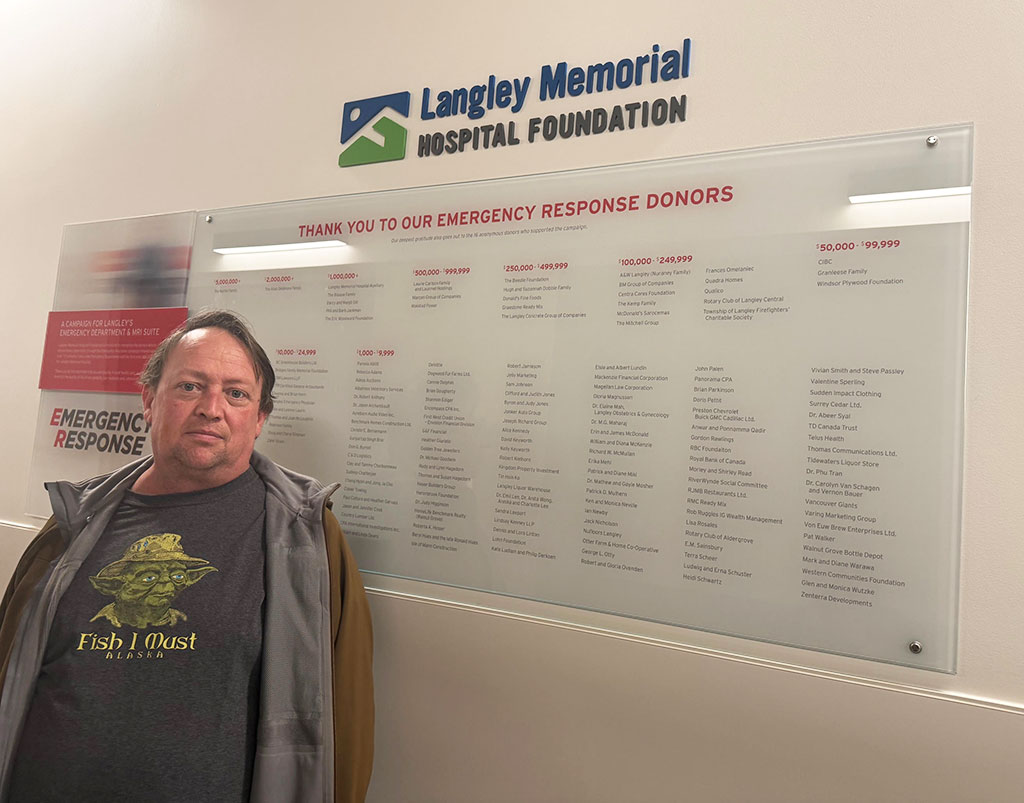
Over the last couple of months, I needed care in our local hospital in Fraser Valley, British Columbia, for a medical issue. (A big rave to the healthcare system and the great care I received!) While waiting during one of my visits, I was sitting close to a sign recognizing the contributors to a recent update to the hospital. All the donors were recognized, and I was a little surprised to see a local fur farm listed. There was also a local resident’s name that is also likely that of a family connected to the mink-farming community.
I was not surprised that they had donated. But I was surprised that they had chosen to be listed as donors.
You see, as a trapper, I have always felt that fur farming was important. The market for farmed fur has a major impact on the value we see for wild fur. So I've made a point of getting to know some of the local fur farmers and I've been impressed. They are multi-generational and very passionate. It felt like the list of donors was just that – people with close ties to the local community, and a long or rich history in the community. In short, they care about and support important projects.
But in 2021, the BC government decided to phase out all mink farms in the province, calling them a public health risk.
I do not have to ask to realize that support for the community from these farms has now gone. Farmers no longer have the capacity, the will or the desire to make donations. Despite being in an industry with a huge target on them, they had donated and also chosen to be recognized for that. Community pride at its best!
Yet it was the same world of charitable donations that eventually brought down BC's fur farms, and I find that sad.
Immoral Use of Charitable Donations
The two groups responsible for pressuring the government to end fur farming in BC were The Fur-Bearers and the B.C. Society for the Prevention of Cruelty to Animals, both of which use the same model to solicit donations. They then used these donations to fight and shut the industry down.
It feels immoral to me that an organization can be allowed to fundraise as a charitable entity and then use those funds to fight and shut down a legal industry.
Further, it was done without fair and equitable treatment or compensation to the fur farmers, despite their years of local community support. Rather, an industry has gone because of the louder voices of a minority.
SEE ALSO:
BC Mink Farm Ban: Government must compensate shuttered farms. Truth About Fur, September 2024.
BC Mink Farming Ban: Government refuses compensation for devastated families. Truth About Fur, February 2022.
Canadian mink farmers will fight arbitrary ban by BC government. Truth About Fur, November 2021.
Also lost is the spin-off support farms gave to other local businesses in the community – the tractors and feed they bought, the staff they hired, the taxes they paid, and the stores they supported for so many years.
My moral compass feels charitable status should be reserved for a better society, not pushing the ideologies of a minority onto society.
I am proud to be Canadian, and proud also of our right to choose. If you do not wish to wear fur, that is your choice. I respect that, in the same way I respect the right of those who choose a vegan diet, wish to hunt, or wish to be a farmer, or identify as LGBTQ.
SEE ALSO: British Columbia Trappers Association marks 75 years in harmony with nature. Truth About Fur, 2020.
Smoke and Mirrors
The smoke and mirrors used by the government to depict our mink farms as a public health risk were insane.
Every industry comes with some risks to society, including all types of farming. For example, we have bird flu, mad cow disease, and swine fever. But we manage the risks.
Mink farms had the ability to manage the risk, including a new vaccine developed in the US specifically for Covid-19 – an option not available for all diseases. Meanwhile, of course, human populations were receiving their own vaccines. This combination was apparently acceptable to all, except of course for the BC government!
Leading the way for Canada's mink farmers was the government of Nova Scotia, which even offered to subsidize the cost of vaccinating mink against Covid-19. The only difference I could see between Nova Scotia's decision-makers and those in BC was that the former were doing their jobs, while the latter allowed themselves to be influenced by a vocal minority group.
I will continue to fight for the right to trap, hunt and fish, following in the footsteps of our forefathers that built the great nation we call Canada. I will also continue to defend our freedom to choose, and that includes our right to choose where to donate our hard-earned dollars. Hopefully my friends, family and colleagues will also take an extra minute the next time they donate funds, to review the options and pick a true charity dear to their heart.