
March Fur News: Coyote Attacks and Fur Fashion Updates
by Truth About Fur, voice of the North American fur tradeThere’s a lot of fur fashion updates to cover this month, but let’s start with a topic that we’ve been…
Read More
There’s a lot of fur fashion updates to cover this month, but let’s start with a topic that we’ve been…
Read More

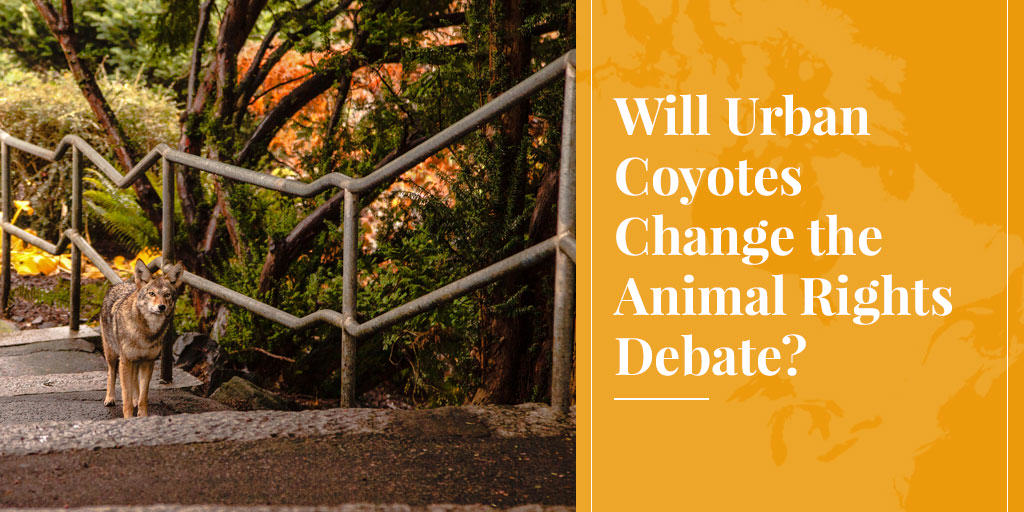
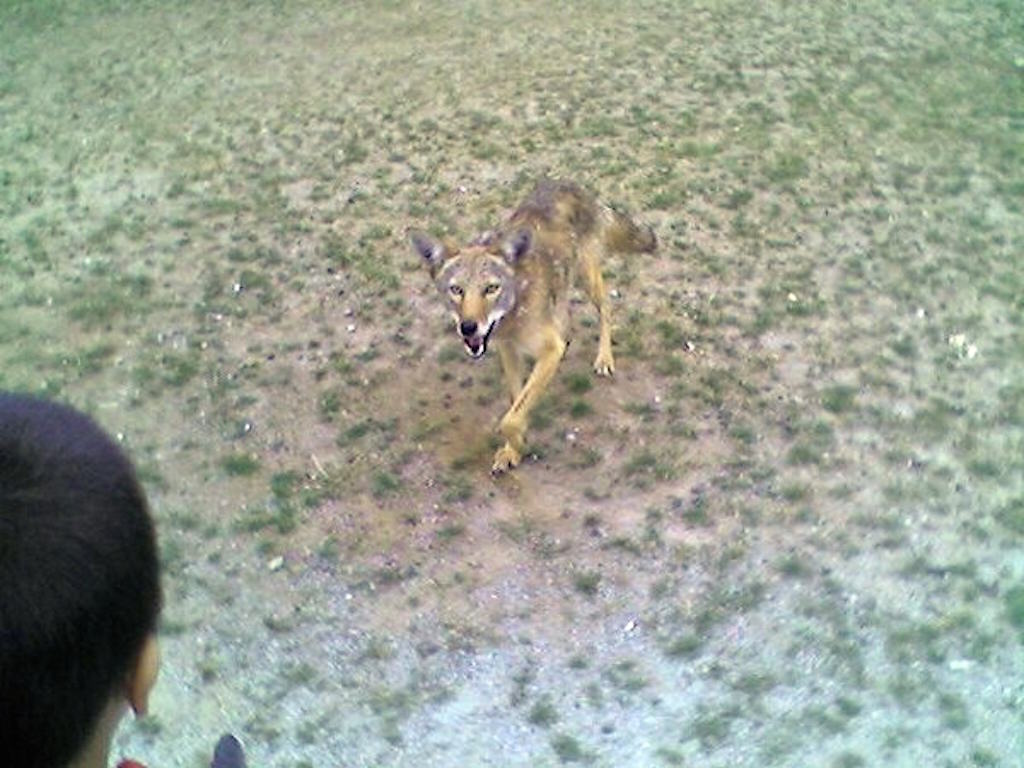
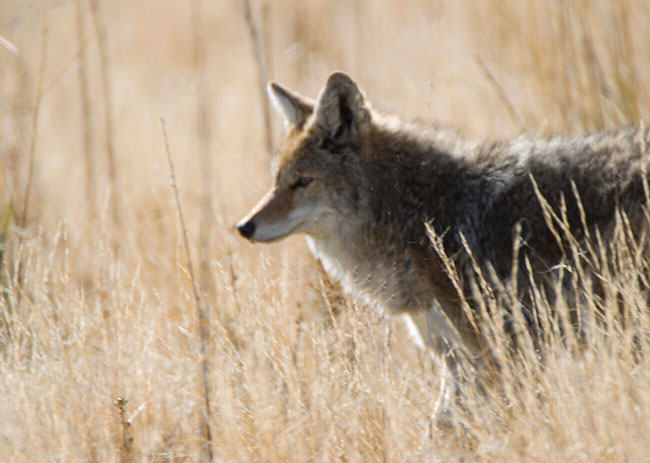
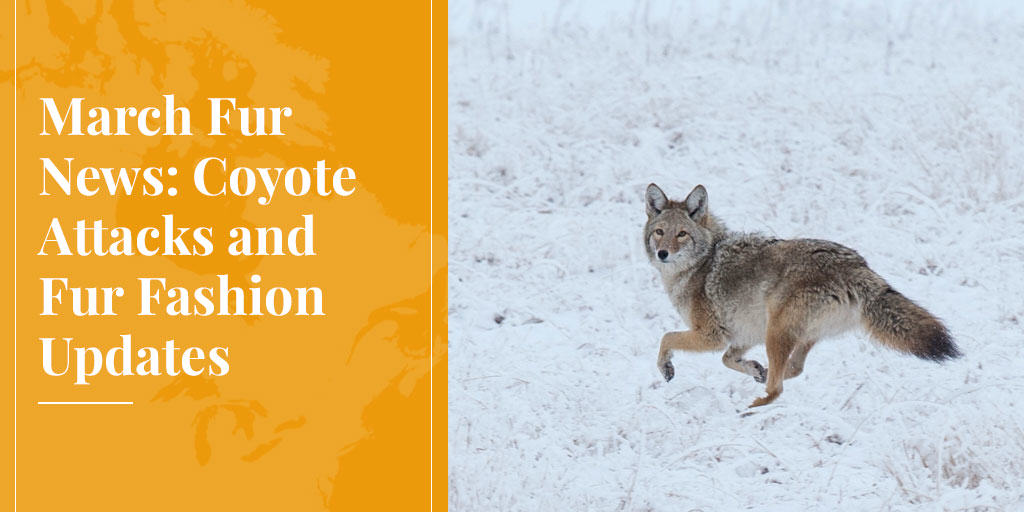
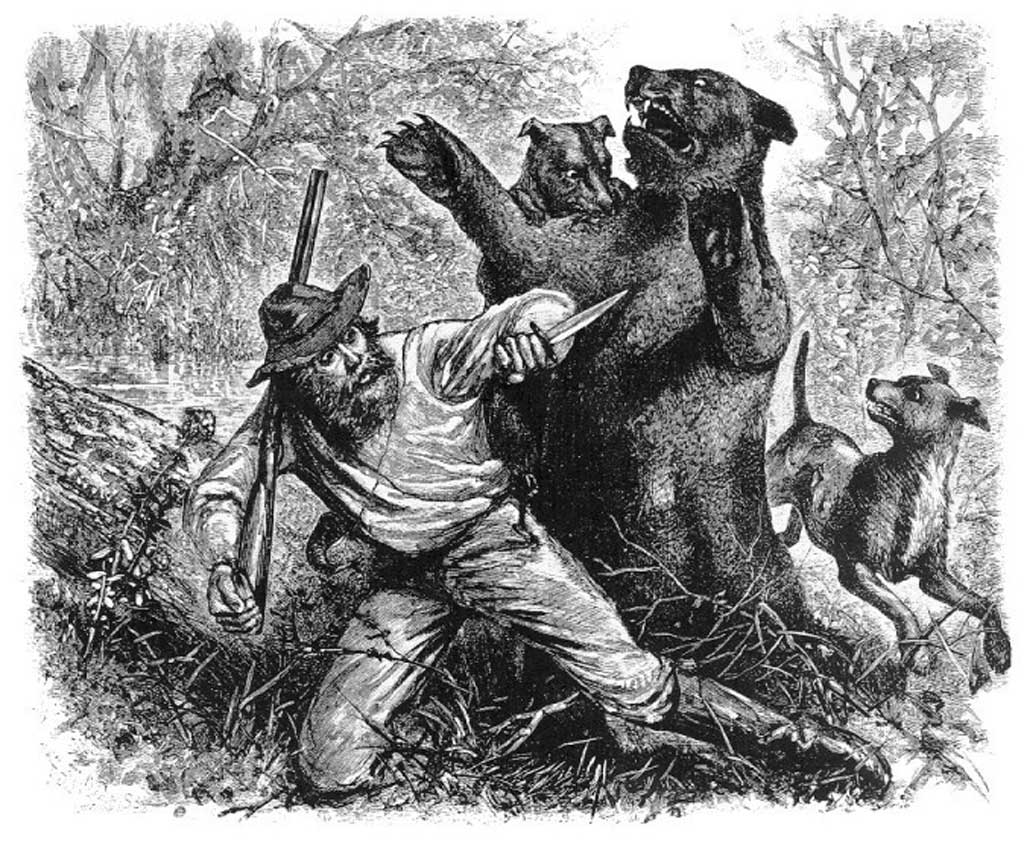
There's a lot of fur fashion updates to cover this month, but let's start with a topic that we've been seeing in the media way too often: coyote attacks. We are getting stories from all over the US about coyote populations getting out of control. There's a dog who has lost part of his leg, stories of missing cats, and other pet injuries all thanks to coyote attacks. Yet many local governments haven't hired trappers to deal with the problem, and we want to know why!
It is beginning to appear as though the life of a pet dog or cat is worth less than that of a coyote. Or are people scrambling to find a non-lethal way to control the populations? Whatever the case, coyotes attacks are on the rise and people don't seem to be realizing that trappers are the solution. (Trappers will also be the solution for this wild hog infestation in Georgia.)
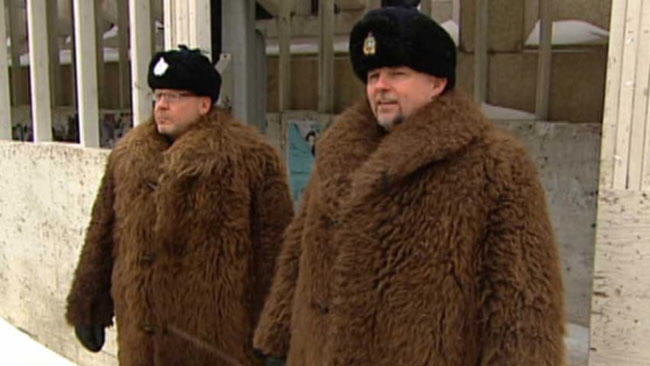
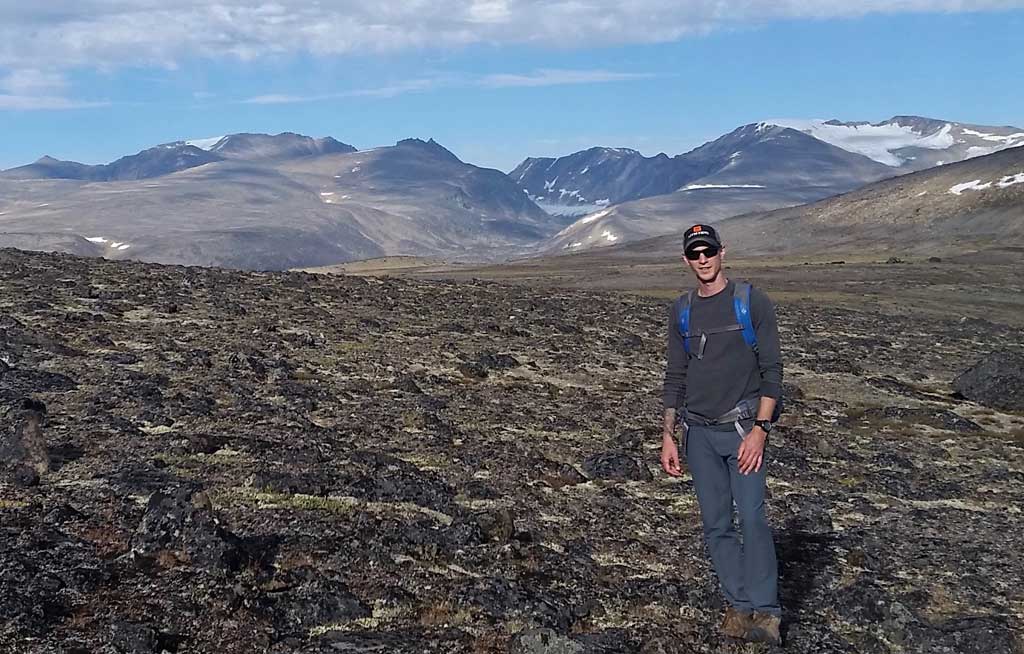
While we are on the topic of trapping, Yukon trappers are set to have a good year (below) as very cold weather gives rise to hopes of prime pelts.

Meanwhile vegans are having less of a good time, especially in love. Twenty-eight percent of singles said they wouldn't go out with a vegan. It doesn't come as a huge surprise to us, as you might end up with an animal rights activist, who will want to spend their weekends protesting outside IKEA or who will compare pig farming to the holocaust. These people simply aren't right in the head. And we particularly loathe this one, who says we shouldn't call vegans extremists while glossing over the fact that there are activists dishing out death threats to us omnivores.
And of course animal rights activists are behind the ridiculous decision by San Francisco's city council to "ban" fur. Let's keep "ban" in quotation marks, because local wild furs and used furs and shearling will still be sold, but it is a ridiculous decision nonetheless, and this article does a good job of highlighting both sides of this case.
SEE ALSO: Sheep fur: Pam Anderson hates it, Ralph Lauren loves it

Moving on to fashion, we've got good news and bad news. Starting with the bad, another hypocritical fashion company has decided to stop using fur. This time it is Versace, and according to Donatella Versace (their creative director), "It doesn't feel right" to kill animals for fashion. But strangely enough ... she will continue to sell leather, exotic skins, shearling, and silk. Do you smell a hypocrite?
SEE ALSO: Hypocrite profile: Stella McCartney
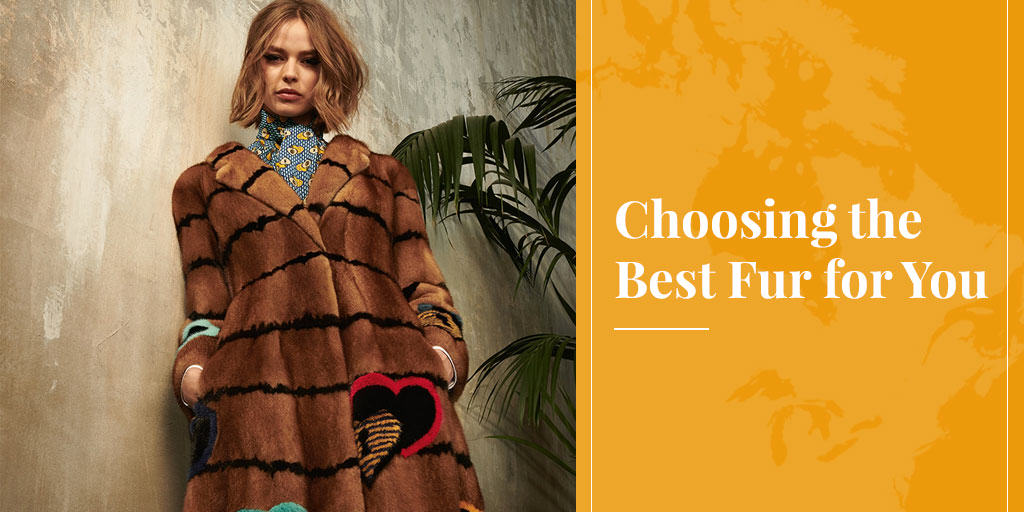
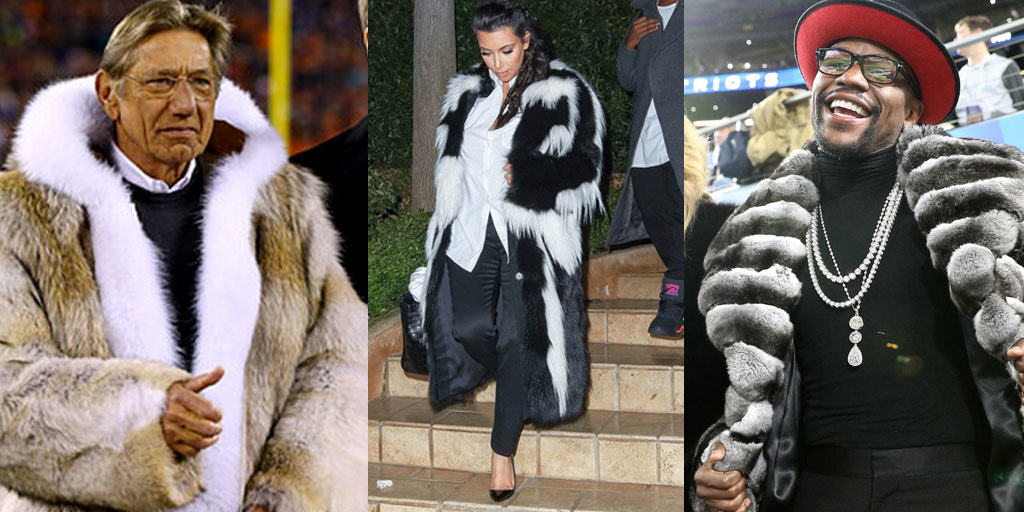
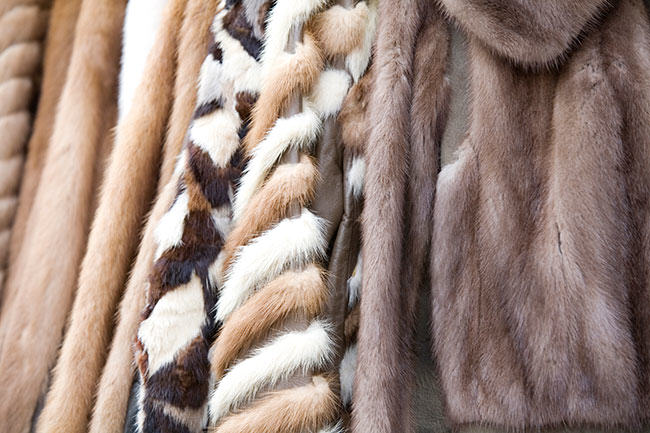
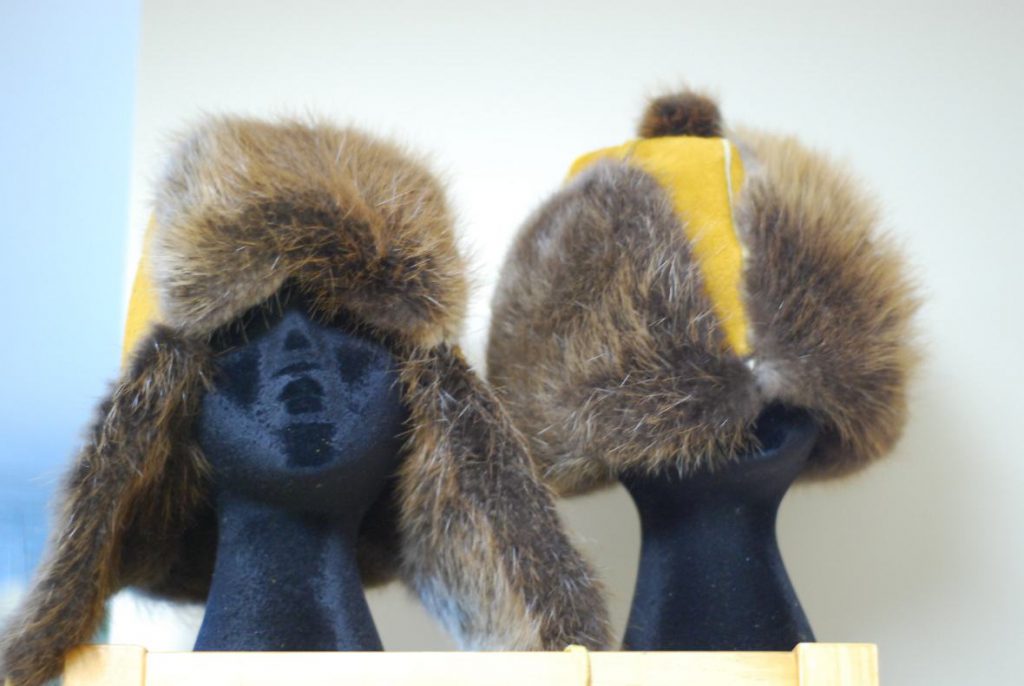
Some fashion companies' hypocritical decisions to stop using furry animals, but not leather-y animals is unlikely to have a big impact on the industry, as the customer continues to want to wear fur. They want colourful furs, like those of Charlotte Simone (pictured above), they want to wear fur at the racecourses, and they want fur-trimmed parkas. The Chinese have an especially big appetite for fur, in fact it's the biggest fur market in the world. Speaking of fur parkas, Yves Salomon, a famous furrier and maker of trendy fur parkas, had some great things to say about fur in this Forbes article.
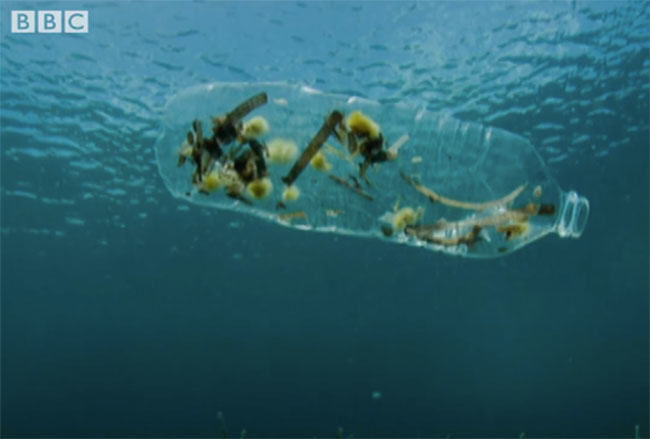
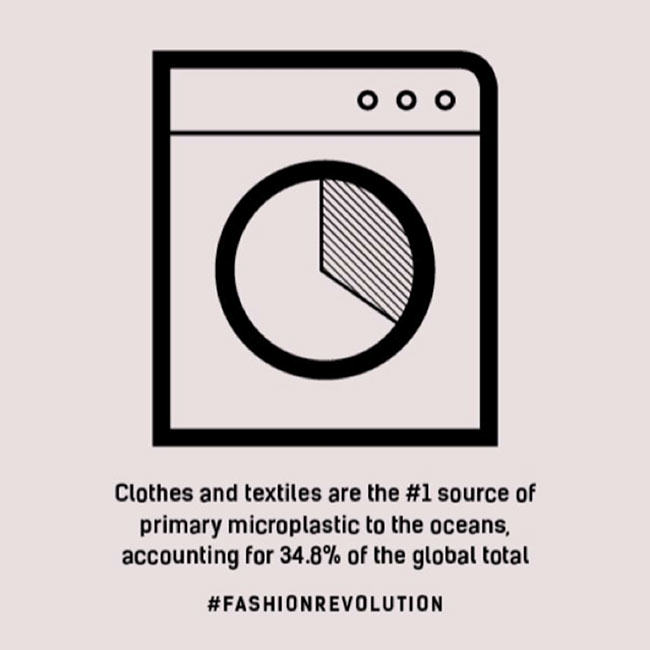
Another big news story from March was that of plastics - in our oceans, in our drinking water, and in our food. Apparently microplastics are in bottled water, plastic fibers are filling our oceans, and larger pieces of plastic are forming islands in the oceans. It's a terrifying situation, and one culprit is all the synthetic clothing we're consuming. How about just sticking to the natural stuff?
SEE ALSO: Sustainable fur: Global campaign highlights benefits of real fur over plastic fake fur

Let's end the roundup with some notable links from last month.
This article about a family who adopted a pig from a shelter and then decided to eat it resulted in a vibrant discussion on Facebook. Our verdict? We have no problem with people eating pigs, even their own pigs, but we don't think it was very fair that the shelter spent time and resources nursing the pig back to health, only for it to be eaten.
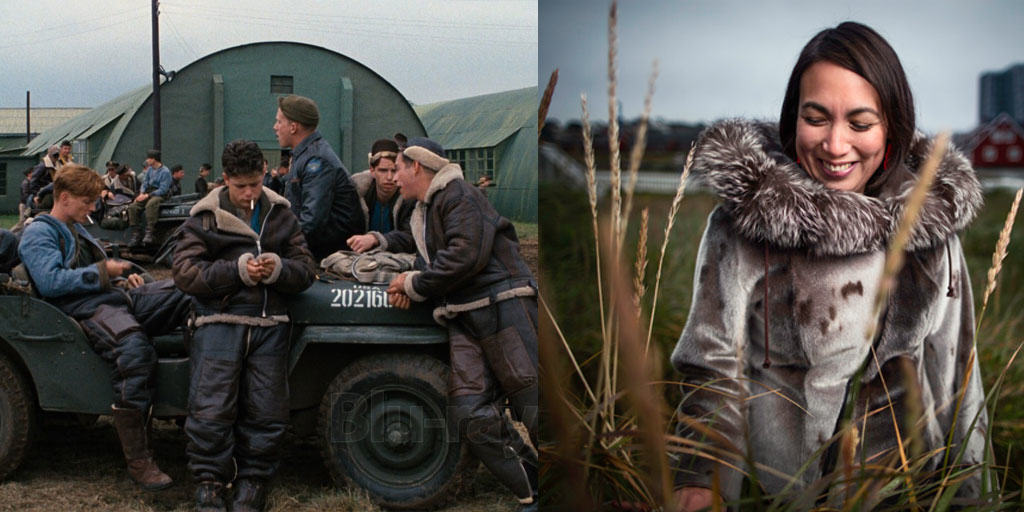
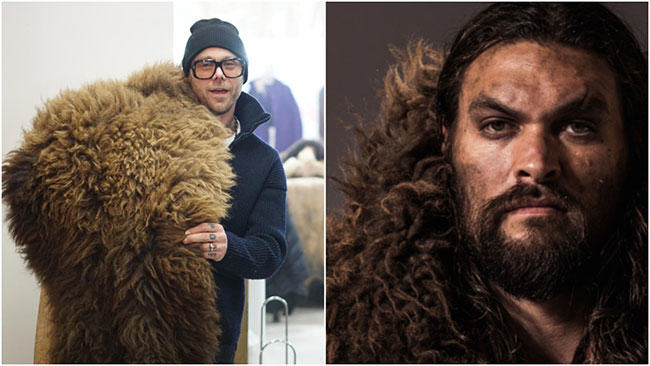
It's not your typical costume department: here's what it's like working on the wardrobe team for the TV show Frontier (pictured above).
This Toronto chef has found an innovative way to deal with protesters in front of his restaurant: he decided to butcher and eat a deer leg in front of them. The best part? It has resulted in media coverage all over Canada and even in the US. Thanks to the animal rights activists, this restaurant is getting a ton of free press.
What is the value to a cottager when trappers are active on the landscape? Not everyone has a good understanding…
Read More

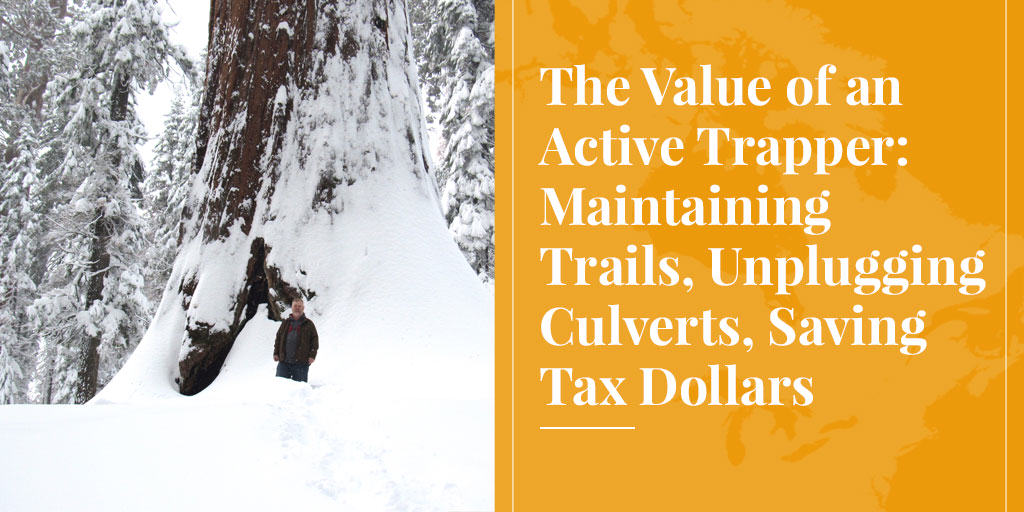
What is the value to a cottager when trappers are active on the landscape? Not everyone has a good understanding of the positive impact an active trapper has on the local environment and their role in facilitating many other activities that most people take for granted. Simple activities like fishing, hiking, photography, canoeing, or riding an ATV on trails are aided by having an active trapper in the area. But rather than expressing gratitude, many people throw trappers under the bus, calling them cruel, frivolous and unnecessary in today’s world, while raising their kids to believe animals can talk and treating pets better than members of the family.
My story centers around Ontario where we have over 2,800 registered traplines varying in size from 100 square km to over 300 square km. Most people would be surprised to learn that almost two-thirds of Ontario is actively managed under this system, with about 6,000 trappers licenced by the Ministry of Natural Resources and Forestry (MNRF).
Just about every cottage lake in the province is part of a registered trapline. Most cottagers never meet their local trapper or even know they exist, unless of course they have a problem. Who really thinks this archaic activity still goes on?
SEE ALSO: The modern trapper: Champion of wild resources
A registered trapline is like a Texas-size ranch that is licenced to an individual trapper, enabling the trapper and the government to keep animal populations in check. Trappers can maintain the same harvest levels year after year without moving areas as long as the environment stays intact. A trapper continuously maintains trails, portage routes and old roads to access lakes and ponds on the trapline, diligently working to maintain a healthy balance between animal populations and habitat.
Beaver are managed via a mandatory harvest called a quota. Each trapper is given a minimum number of beaver to catch per season. Over the course of a year, beaver grow and shed their fur, and the harvest is set around this cycle. In September they start to grow their winter coat as the shortening days trigger the pineal gland to produce more melatonin, which in turn makes the hair grow. After about four months the underfur is at its heaviest and the pelts, or “plews”, are most valuable. The season runs from mid-October to late April. Outside of this season, the plews have no value and the beaver are reproducing, and so trapping for fur stops.
In Ontario during the 1979-80 season, approximately 205,000 plews went to the fur market. All during the 1980s the annual harvest was 150,000. Prices have dropped significantly in recent years, and with it trapping activity, so the harvest today numbers around 60,000.
But don’t think beaver trapping is dying. Trappers are kept busy in the off-season controlling nuisance animals. I personally catch beaver for cottage associations, forestry companies, mining companies, municipalities, government agencies and private landowners. Just about everybody is affected somehow by wildlife, if not by beaver then by raccoons, squirrels, black bears, skunks, groundhogs or a host of other critters that decide to pay a visit.
SEE ALSO: Wildlife control expert or trapper? Who you gonna call?
Every fall as I start working my trapline, I wonder if there will be a market for my hard-earned furs. Most people have gone home for the winter, cottages have been closed up, the grouse, moose and deer seasons are over, and ice fishing is barely starting, but trappers are in full swing. In search of top-lot fur, we busily travel the land harvesting beaver, muskrat, otter, raccoon and wolves. This activity has gone on for more than 350 years in North America. It is a tradition and a culture still practiced by many people across all of rural Canada.
SEE ALSO: The country that fur built: Canada's fur trade history
In today’s fast-paced, drive-through world, most folks are only interested in how long it takes them to get from the city to the cottage, or from point A to point B. They take it for granted that the roads are good and nothing will stop them from enjoying their few days of respite from their hectic lives. Nobody pays any attention to the trapper quietly harvesting beaver that could potentially cause a problem plugging up culverts, damaging beachfront property or flooding roadways – unless of course it is their part of paradise that is affected.

Generally beaver activity peaks in the fall, triggered by the shortening days and the rains. Someone will notice a few trees chewed down or the rising water from a new beaver dam in the culvert. The first call for help generally goes to the MNRF who will either refer you to the local municipality or the local trapper, depending on whether the problem is on public, Crown or private land. Public land is generally under a municipality, but if it’s on Crown or private land, you are on your own. And there’s one rule that always applies: no matter what, nobody wants to pay to deal with a beaver problem.
Then there are folks who don’t want any animals to be killed, and expect us to live trap them and relocate them. I lived in Bracebridge, Ontario in the early 1990s, in the heart of Muskoka surrounded by hundreds of cottages. I always chuckled to myself when cottagers called about removing beaver. I was their last resort, of course, because they didn't want to harm any of Mother Nature’s creatures! I would explain that if I live-trapped beaver, by law I could only move them up to 1 km, so we’d just be giving the problem to their neighbours. Plus, if the beaver were relocated to an existing beaver territory, they’d be killed by the resident beaver.
Of course, nobody wanted to hear all this, and the conversation was normally short the first year, especially when they heard the price. The average beaver call requires at least three trips to the site plus the proper disposal of the removed beaver. The cost is approximately $300 to set-up and remove the beaver. Generally, the catch is two beaver and, if possible, the culvert is opened by hand, but larger culverts may require the use of heavy equipment.
The person would sometimes try to deal with the problem themselves, first by removing the sticks and mud to make an ever-increasing pile. They would quickly find out that the beavers are persistent and that opening the culvert or removing the feed bed sticks is a never-ending job. Most but not all beaver complaints start off with a newly formed pair of beaver striking out to establish their own territory and start their own colony. The damage is minimal but the meter is ticking.

The second year, of course, the beaver would do what beaver do best: instead of two beaver cutting down trees for their winter food supply, there would now be six, busily mowing down every deciduous tree in sight, dropping trees on the boathouse, sheds and sometimes the cottage itself. Sometimes they would even decide that the dock or boat house was the perfect place to set up shop for their expanding house of sticks and mud. At this point, the cottager may resort to trying to shoot the beaver. This can be very dangerous depending on the location and will cause the remaining beaver to become nocturnal, only coming out well after dark. I receive another call and become their new best friend.

If the beaver problem remains for a third year, the population can easily reach 10, causing major destruction to the local habitat as they build dams and flood areas for safety. It is a lot easier to cut down their food supply the closer it is to the water’s edge. A full colony of beaver can cause havoc if left unchecked. Two things will happen. If the beaver are on the lake, they will travel further from the shoreline removing every shade tree in their path. Next, the colony will start kicking out the two-year-old’s to repeat the whole process somewhere else. The food supply will become stressed. The further the beaver have to go from the water’s edge, the more damage they will cause, plus the more vulnerable they are to predators like wolves, coyotes or bears.
The third-year phone call would go like this: “Please, please, come and trap the beaver. I don’t care how you do it. Use a nuclear bomb, a Gatling machine gun, but get those f@#king beaver off my property. I will pay whatever it takes!”
Of course, another great discussion is always increasing taxes; every time public works is sent out to deal with a problem, the meter is ticking. When beaver plug a culvert, first a supervisor visits the site to decide who owns the problem. Then, if it is on public land, a work crew clears the culvert, but beaver are persistent and the next day it’s plugged again. Normally a heavy metal screen is placed in front of the culvert but the beaver just plug up the screen and the process continues. After numerous futile attempts to keep the culvert unplugged, the problem gets bumped up and a trapper is asked to remove the culprits. The problem is solved and things go back to normal.
But if the trapper is not called in, normally what follows is the loss of the roadbed and culvert, especially if there is a sudden heavy rain storm. Now the tax meter just kicked into overdrive and the cost can be tens of thousands of dollars. A new culvert, a backhoe, dump trucks, new gravel – the cost adds up really quickly.
All this activity is a net loss to the system, and yes, local government can take care of it, but the cost is added to your ever-increasing tax bill.
In contrast, an active trapper harvesting beaver for their fur helps keep them in check with their environment, and also stops them from moving into other areas and causing conflicts with society as a whole. An active trapper also pays royalty (tax) on the plews harvested, making a positive contribution to society, not to mention the other jobs generated by their activities. Every trapper owns a lot of equipment, including chainsaws, boats and motors, snow machines, a truck and trailer and an ATV.
The further north you go, the further cottages are from the main highway, and many are off forest access roads that are not maintained by a local municipal government. On my trapline the main access road is 30-plus km from the highway to the first cottages on Horwood Lake. The road crosses numerous small creeks and the Nat River. And because it’s all Crown land, the MNRF does not maintain it, and the forestry company only maintains it if it’s actively harvesting timber. Sometimes cottagers form an association with a road maintenance budget, but otherwise it’s unmaintained.
My sister has a cottage on this lake and uses this road, and regularly calls me in September to say, “Your beavers are plugging the road.” Smiling to myself, I explain that first, the fur season is not open, and second, that the plews are worthless this time of year. Yet she still expects me to run out and remove the beaver for free. That’s right, even my sister does not want to pay.
So the next time you’re walking along a forest trail or portage to your favorite fishing hole, take a second and you may notice that the trail was cleared by a trapper. It may be July or August when you are enjoying your summer vacation a long way removed from the cold of winter, but just think who actually made and maintains the route you are enjoying. A role and a benefit that most people are not often aware of. A role that people take for granted until they have to pay.

Chances are, if you have a fur coat, it’s got a story. Certain items of clothing are more than just…
Read More

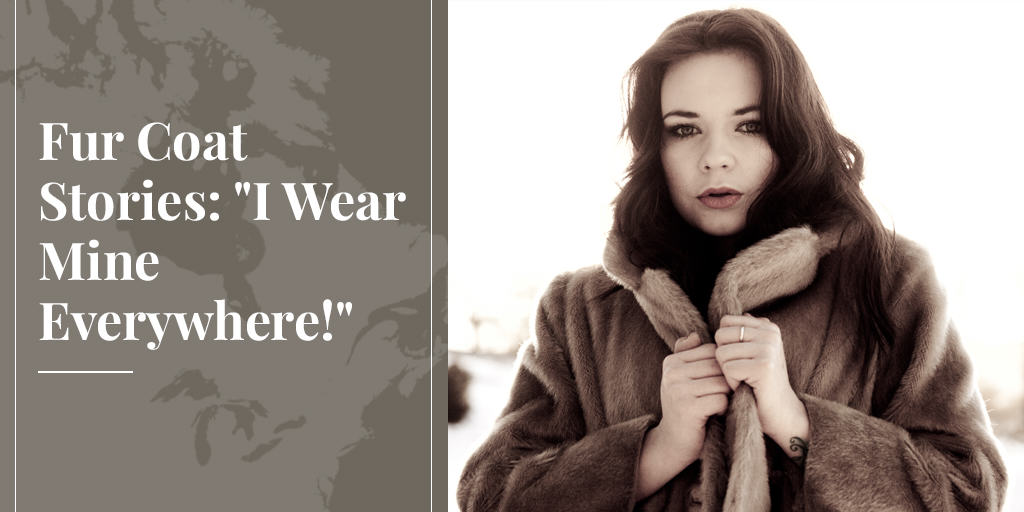
Chances are, if you have a fur coat, it’s got a story. Certain items of clothing are more than just coverage against the elements, they can have great significance, whether it be sentimental value, an interesting history, or some other meaning. Because of the cost and the long life of a fur garment, they are rarely a casual piece of clothing. When you ask people about their furs, most will have special stories about their pieces.
Today we are going to share a few of these fur coat stories, not only to highlight the importance of these valuable garments, but also to trace their history and their role in people’s lives. A long-lasting, good-quality fur coat is so much more than just an item of clothing. It can be a piece of family history, a symbol of an achievement, or a sentimental object.

"I would never have imagined that I would marry into a mink ranching family (in fact my sister and I married brothers!)," says Christy A Allen Mullen, from Weymouth, Nova Scotia. "Nor did I know, leading up to my marriage, that I would find out that my great-grandfather Kenny was a mink rancher in the 40’s.
"I begged for a mink coat for several years; my dream came true in 2010. I am now the proud owner of a 7/8 length Blackglama coat made from female skins from our farm. In the spring of 2017, I purchased a vintage Blue Iris coat in New Brunswick. My furrier in Montreal remodeled this into a beautiful new jacket that I could never have imagined owning! I wear my coats EVERYWHERE!! I have had many repairs done from being worn, and even had trim replaced because it was worn out. I am a proud ambassador of fur and our farm, everywhere I go!"
SEE ALSO: 5 great ways to recycle old fur clothing

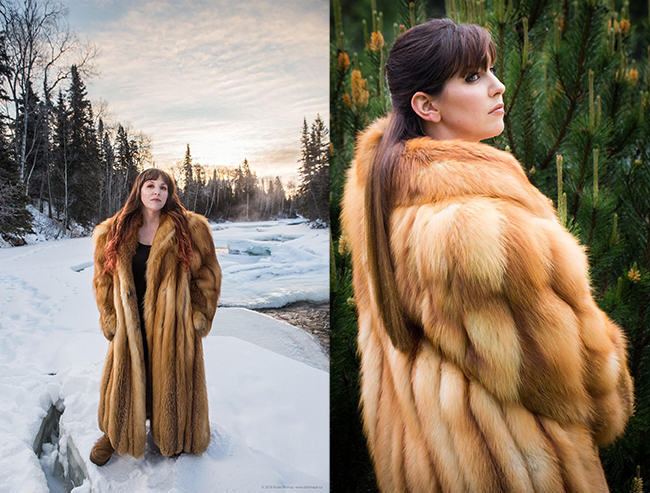
"I was gifted my mother’s fur coat, as so many have, when she was no longer wearing it," recalls Katie Ball, from Thunder Bay, Ontario. "This coat has much meaning to me. For one, my father trapped each red fox to make it. All 27 came from his trap line, and I remember being there while he collected some of these specific pelts.
"I am now the second trapper of this line, and I spend even more time with him on this land.
"But this isn’t the only reason why this coat is special; I was able to watch the skillful hands of Pirie create this coat from the ground up, for my mother. This is where the love of fur fashion spawned from for me at such a young age.
"I modeled for over 10 years but wanted to get into fashion and create my own items. Fur became that medium. I now own and run Silver Cedar Studio, creating items with furs from our trapline as well as others.
"This coat is a part of who I am. And continues to influence me daily in my passions and trade. Proud to be a trapper."

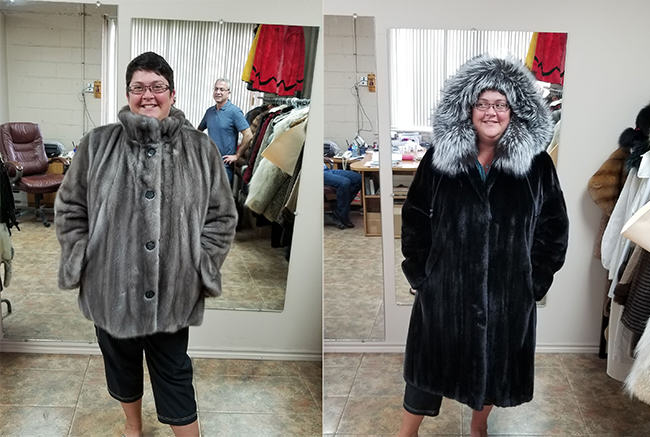
"When I earned my professional designation 18 years ago, my folks helped me buy a full length silver tipped raccoon coat with notched collar, puffed sleeves, and a detachable hood trimmed in silver fox," says Patricia Prohaska from Winnipeg.
"I take the bus to work and sometimes the bus does break down from the cold. Eighteen years of Winnipeg winters and bus rides to and from work and the coat still looks new. That coat means more to me than my car. I consider it the best investment I ever made - after my education.
"I have worn fur all my life - three of my aunts worked in the business as finishers. Mother nature by far provides the best insulation."
***
Do you have a fur coat, jacket, or hat that has a special place in your heart? A treasured hand-me-down or an item of fur clothing that kept you warm through cold times? Maybe it is a coat that you wore for 20 years, a scarf that you bought with your first paycheck, or a pair of fur gloves that kept your hands warm when you got lost in the snow? Have you remodelled a special old coat and turned it into a trendy jacket or a warm pillow for your home?
Please send your fur coat stories (max 300 words) to [email protected], with an image. If you've got a good story but you don't want to write it then send us an email and we can call you and get your story over the phone.
The growing media and public interest in sustainability – especially among young people – provides an extraordinary opportunity for the…
Read More

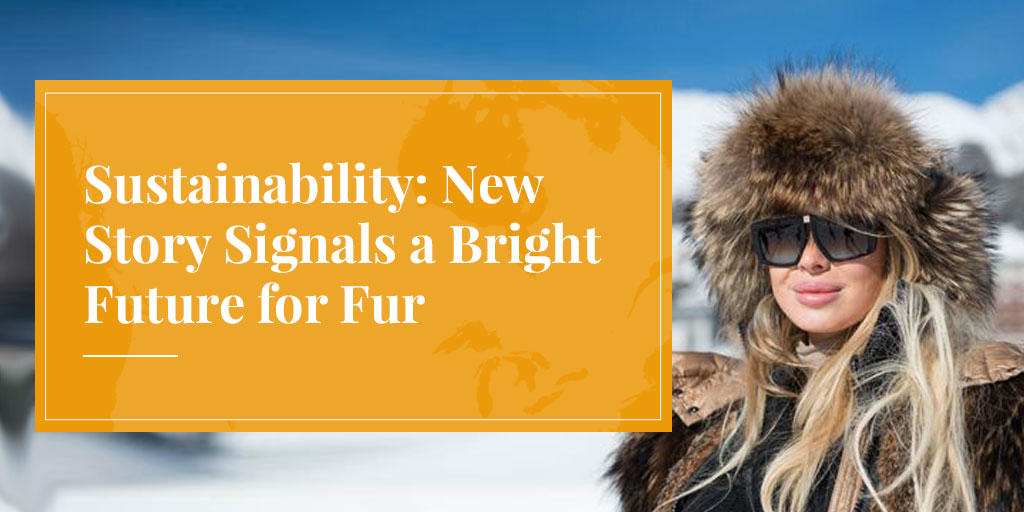
The growing media and public interest in sustainability – especially among young people – provides an extraordinary opportunity for the fur trade.
To understand why, think about the vital role that stories play in our lives. Because story-time is much more than those precious minutes we spend with young children at the end of a hectic day. Stories define what it means to be human and are central to our success as a species. “Really?” you ask. Bear with me a moment and we’ll see why – and what this means for the future of fur.
What’s special about humans is that we work together in large groups. Ants and bees also work in large groups, of course, but only in rigidly programmed patterns of behaviour. Humans are the only animals that cooperate with strangers in ways that can evolve to meet new challenges. And stories are the social glue that allows us to do this. They tell us who we are and what we are trying to achieve.
For much of our history, these stories were expressed in myths or religions. In a more secular age, societal identity and goals are often articulated in new types of stories: Nationalism, Marxism, Liberalism – and, more recently, environmentalism and animal rights.
For much of the 20th century, Western society was driven by a story about science and technology generating prosperity and continual growth. During this period, the story of fur was about warmth, beauty and status. Think glamorous movie stars wrapped in luxurious mink.
The publication of Rachel Carson’s Silent Spring, in 1962, sounded the alarm that unchecked growth could threaten our very survival as a species. Carson’s landmark book launched the modern environmental movement and signalled the emergence of a new story: Earth could no longer be seen as a treasure chest to be looted, but rather was a garden to be protected as if our lives depended on it ... because they do!
With the environmental movement came concern that wildlife populations were being depleted. But while biologists know that the destruction of natural habitat is the most serious threat to wildlife, a good story needs clearly identified good guys and bad guys. Hunters – once admired in American frontier mythology – were clearly the bad guys in this new scenario, portrayed as violent and cruel.
Protesters were the good guys, the valiant protectors of Mother Earth. Through the 1960s and '70s, Greenpeace and dozens of other new organizations emerged to protest the commercial hunting of seals, spotted cats, and other charismatic species – garnering international media attention while generating millions of dollars for a lucrative new protest industry.
The good news is that this media attention helped to rally financial and political resources to address some real conservation and animal-welfare concerns. By the early 1970s, seal hunters received training and quotas were introduced to prevent overharvesting. The Convention on International Trade in Endangered Species (CITES), in 1975, ensured that leopards and other vulnerable wildlife populations were not threatened by trade. And by the late 1970s, the world’s first science-based humane trap-research program was established, with support from the Canadian Federation of Humane Societies, the Canadian government, and the fur industry.
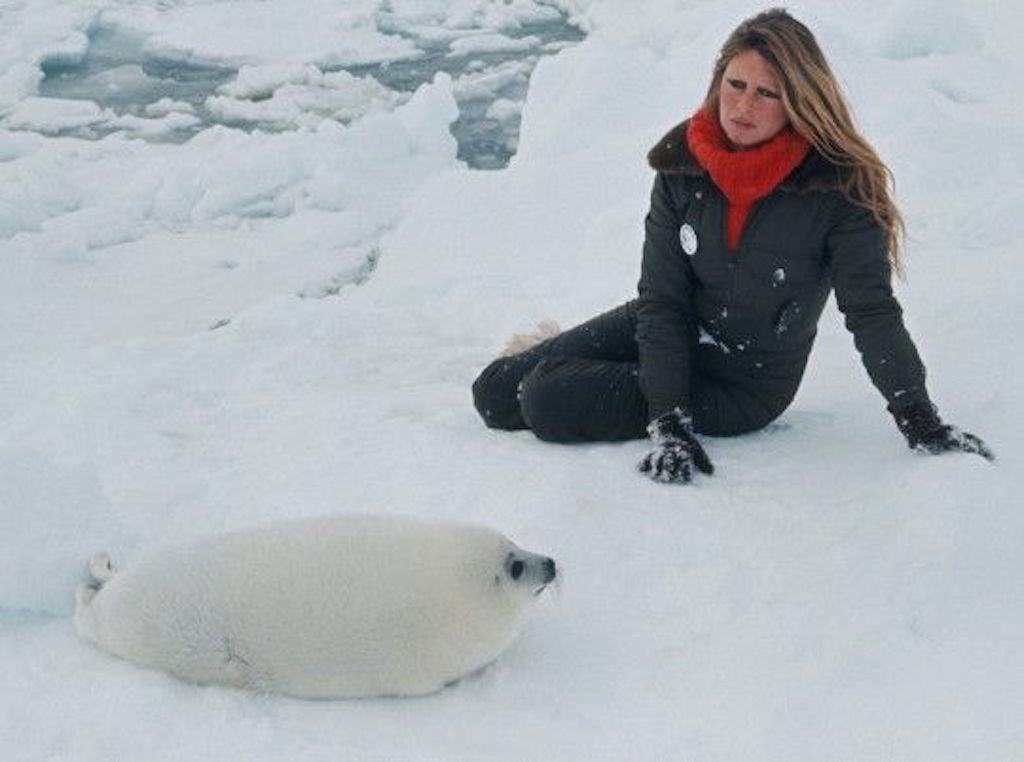
But these important achievements did not end the protests. As documented in my book Second Nature: The Animal-Rights Controversy (CBC, 1985), the campaigns against seal hunting actually intensified, especially after Greenpeace brought Brigitte Bardot to the ice in 1977. Greenpeace’s Bob Hunter observed that this juxtaposition of sex and violence made the seal hunt an irresistible media story. Protests against fur trapping also gained momentum, at the same time as fur prices and sales were hitting record levels through the 1970s and '80s.

The persistence of anti-fur campaigning after the real conservation and animal welfare issues were addressed is explained, in part, by interests. With hundreds of protest groups – and thousands of professional activists – raking in millions of dollars from well-meaning supporters, there was little incentive to say, “Mission accomplished, let’s go home.”
Equally important, however, was the emergence of a new story: animal rights. With the publication of Australian philosopher Peter Singer’s 1975 book Animal Liberation: A New Ethics for Our Treatment of Animals, this new story made a radical break with traditional conservation and animal welfare objectives. It questioned the right of humans to use animals at all. This new story is summarized in PETA’s mission statement: “Animals are not ours to eat, wear, use for entertainment, or abuse in any other way.”
This new animal-rights story allowed activists to completely ignore the fur trade’s achievements. Sure we now have research, government regulations, and industry codes of practice. But what does any of this matter if, as Peter Singer, Tom Regan, Bernard Rollin, and other animal rights philosophers argued, it is simply wrong to kill animals for human use?
The use of animals is morally indefensible, these philosophers argued, because we have options. So while the lion must kill to live, humans can thrive as vegetarians. Similarly, there is no justification for using fur (or wool, leather, or other animal products) because we now have synthetic materials to keep us warm. And this is where the story gets interesting. Or rather: the stories. Because another story is now emerging – environmental sustainability – and this new narrative has very different things to say about the ethics of using fur.
The concept of sustainable development was coined by the report of the United Nations World Commission on Environment and Development (WCED) – the Brundtland Commission – published in book form as Our Common Future, in 1987. This landmark document recognized that humans are part of nature and depend on natural resources for our survival; we cannot “leave nature alone”, as protesters demanded. The real environmental challenge is to meet “the needs of the present without compromising the ability of future generations to meet their own needs.”
In layman’s terms this means living on the “interest” that nature provides, without depleting our environmental “capital”. So, whenever possible, we should use renewable resources (plants, animals) rather than non-renewable resources (petroleum-based synthetics). And we should use these resources sustainably, i.e., no faster than nature can replenish the supply.
Thirty years after the publication of the Brundtland Commission, sustainability is finally gaining traction. Companies of all sorts are rushing to promote their products and services as sustainable. Sustainable lifestyles are the new cool. What many have not yet understood is that sustainable use is very different from the no-use doctrine promoted by anti-hunt protesters and animal rights philosophers. While fur and other animal products are morally indefensible from an animal rights perspective, they are the way to go when looked at through the lens of sustainability.
A flagrant example of this misunderstanding is the recent claim by CEO Marco Bizzarri that Gucci would stop working with fur to demonstrate their “absolute commitment to making sustainability an intrinsic part of our business.”
SEE ALSO: Fur-free Gucci policy contradicts company's "sustainability" claims
SEE ALSO: Sustainability: Why is Gucci so confused?
The importance for the fur trade of the impending clash between these two powerful stories – sustainability and animal rights – should not be under-estimated. Most of the time, most people – and societies – drift along without questioning the fuzzy ideas that guide our actions. But when conflicting stories collide, we must stop and think. As sustainability crashes into animal rights, the fur trade will finally have an opportunity to tell its story.
The new International Fur Federation video comparing the sustainability of fur and synthetics is a good example of how this contradiction can be promoted. The website FurIsGreen.com is another.
A recent story in the influential British tabloid, The Sun, demonstrates the power of this clash of ideas to spark a new sort of discussion about fur. The headline stated: “Why Kim’s fake fur is worse for the environment than Kourtney’s real one.”
“For decades we’ve accepted the notion promoted by animal rights campaigners that wearing or buying real fur is ethically and morally bankrupt. ... Yet recently a more complex and nuanced view has emerged, backed by experts in the fur industry, that suggests faux fur could, in fact, be worse for the environment than the real thing,” reported The Sun, citing the International Fur Federation, Fur Commission USA, and other sources.
The problem is that faux fur is made from petroleum, a non-renewable resource. Furthermore, recent research is revealing that clothing made from petrochemical synthetics leaches microfibers of plastic into the environment every time it’s washed. These microfibers do not biodegrade; they are carried into waterways, enter the food chain, and are now being found in the digestive tracts of marine life. Real fur, by contrast, is biodegradable and doesn’t cause these problems. And real fur can also be restyled and recycled, providing decades' more use than synthetic “fast fashion” apparel.
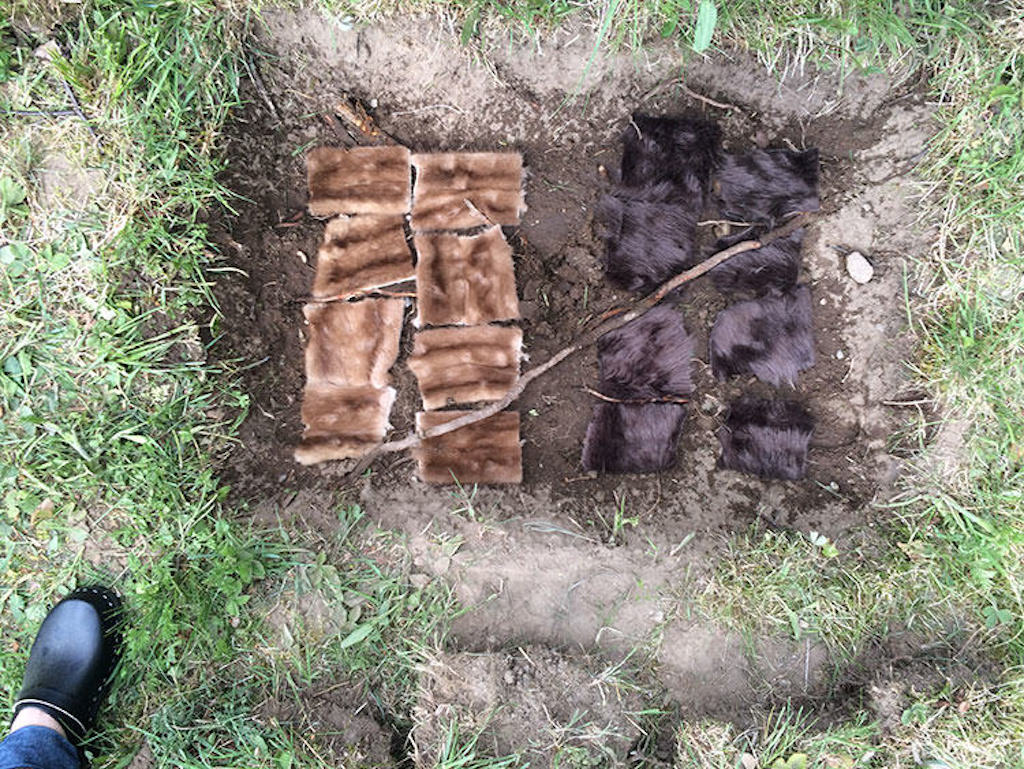
SEE ALSO: The great fur burial: How fur biodegrades after one year
SEE ALSO: 5 great ways to recycle old fur clothing
If sustainability can provoke this sort of serious reflection in a British tabloid newspaper, it can do it anywhere. And sustainability has strong support from the scientific community; animal rights does not. Not least important, young people are particularly interested in sustainability – after all, they will be here longer! All this suggests that the sustainability story is likely to become increasingly influential.
In recent years, animal activists have worked hard to portray fur as a flagrant example of the reckless exploitation of nature: “killing innocent animals for greed and vanity.”
As a more serious understanding of environmental sustainability takes hold, we now have an opportunity to rewrite the story again – and this time fur will finally be recognized as not only warm and beautiful, but also a celebration of the marriage of human creativity with the responsible and sustainable use of nature’s bounty.
The fur story is about to become much more interesting!
***
To learn more about donating to Truth About Fur, click here.
It’s time for our roundup of February’s fur news stories, and it makes sense to start with the catwalk shows…
Read More

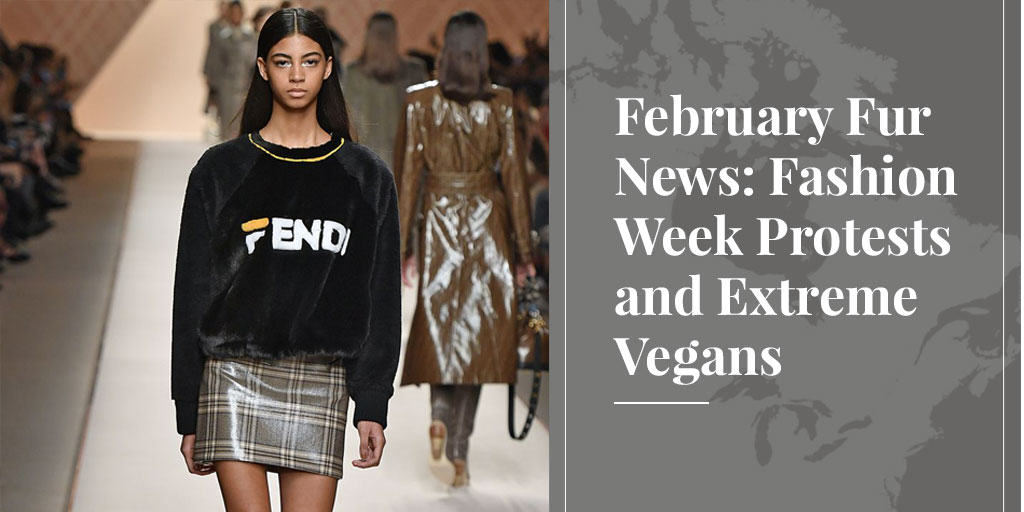
It's time for our roundup of February's fur news stories, and it makes sense to start with the catwalk shows and the inevitable fashion week protests. With fashion shows come protesters, trying to push their animal rights agenda on the general public. As usual, their protests were chaotic and not very effective. One activist in London stormed a catwalk show that did not even contain any fur. Meanwhile, Dennis Basso (a designer best known for his furs) showed a beautifully furry collection, and Elle says that fur sweatshirts are now a thing (pictured). We can get on board with that.
WWD did an interesting interview with Tom Ford, who made it clear that he thought fake fur was very damaging for the environment (so why is he using it, then?), but claims that he will now only offer furs that are by-products of the meat industry. Let's see how long this new strategy lasts. His most interesting comment was that "I have a customer who is very used to wearing leather and fur; it’s a part of our business." It's the reason why brands keep coming back to fur: FUR SELLS.
And speaking of fur selling, Truth About Fur's blog post last week looked at the future of fur retailing, and how some stores are adapting their sales and marketing strategies to the modern consumer.

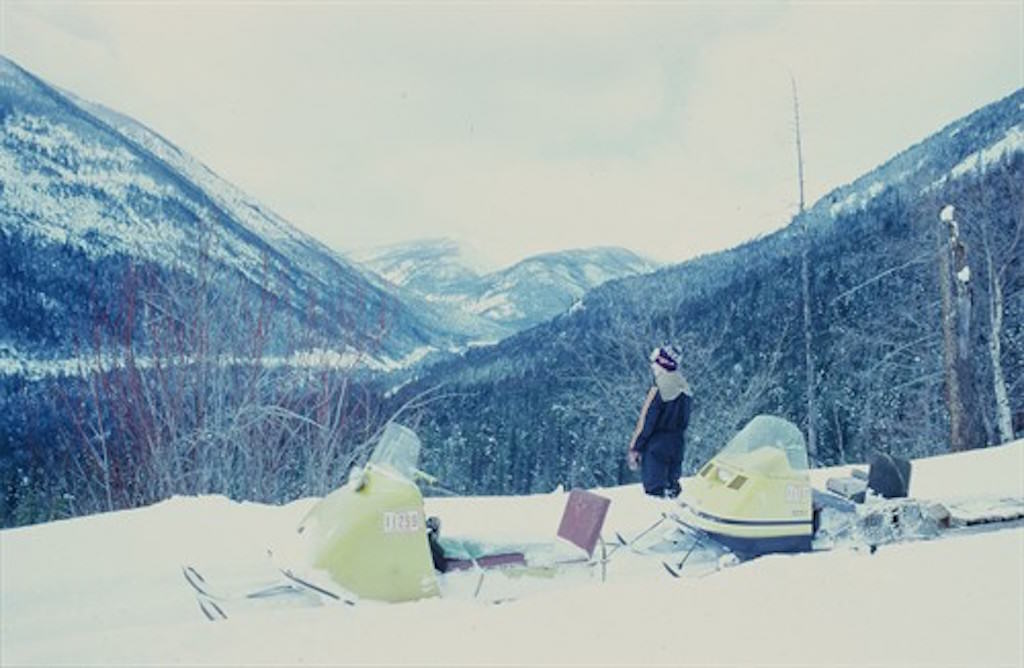
The Winter Olympics ended last week and we were thrilled when we heard that Samuel Girard, who won bronze in speed skating, is also a proud trapper. He's not alone in taking pride in what he does, of course: this trapper says trapping is nostalgic and "in his blood", while these trappers play a role in bobcat conservation and dealing with beaver issues. And trappers are also the ones who put the "fur" in Alaska's Fur Rondy - here's why. It's not all fun though. This is a terrifying story (with a happy ending) about a trapper whose snowmobile got stuck and was forced to spend the night outside in minus 50℃.

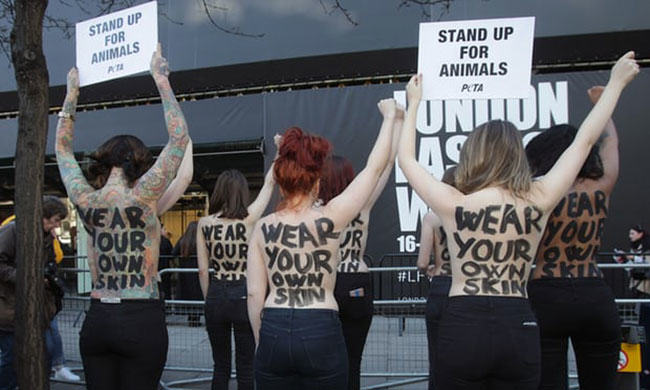
There were some unexpected headlines involving animal rights activist groups last month. The Humane Society of the United States's CEO, Wayne Pacelle, resigned over sexual harassment claims. Apparently this is not unusual, in fact, it appears to be quite common in the animal rights movement. And yet these women go topless (pictured) at fashion week protests, and the movement continues to use degrading imagery of women in its campaigns. And, this certainly hasn't stopped these people accusing farmers of being rapists and sending them death threats. How about we take the sex, nudity, and harassment out of this argument, and argue our causes with facts? There's no doubt in our mind that vegans hurt their case by being too extreme, and the same could be said for the whole animal rights movement.
Here are a few more articles from February that are worth a read:
Fake fur is worse than real fur (duh).
Whales are being threatened by microplastics. (When will we stop with these horrible synthetic materials?)
A nude activist says she doesn't need clothes because animals don't have them. (This is even more ridiculous than the fashion week protests at fur-free shows.)
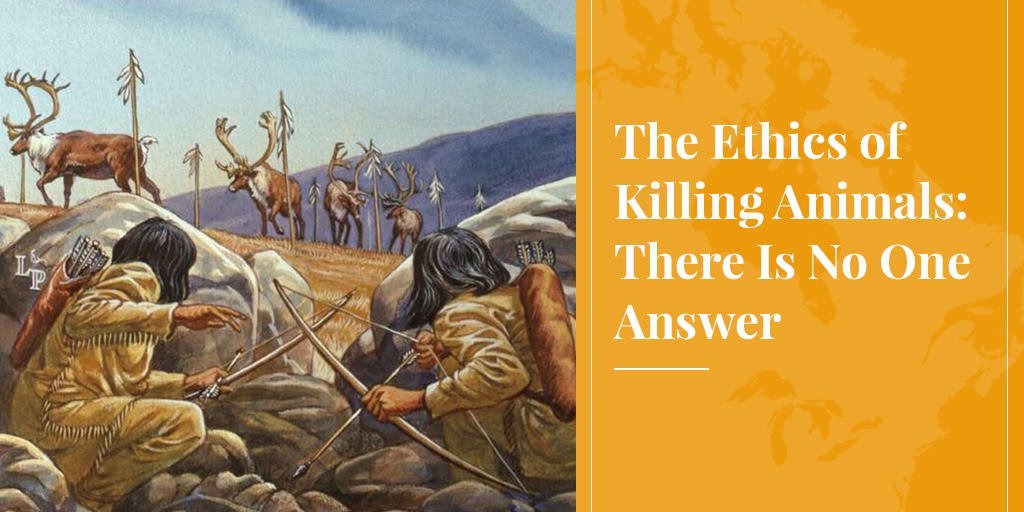
The ethics of killing animals is complicated (though you already knew that).
Try and avoid bringing your emotional support peacock on a flight. (He won't be allowed on the plane.)

Lastly, It is with a sad heart that we learned this week about the sudden passing of the legendary Canadian trapper, Alcide Giroux. Alcide (pictured above) was a leader in the development of humane trapping methods. He was also tireless in promoting recognition of trappers as true conservationists and front-line guardians of nature. Alcide learned his bushcraft from his Métis father, a man he liked to say had a GPS in his brain – and the man he credits with teaching him the importance of promoting respect and animal welfare in trapping. At a time when we are working to increase public understanding of the important role played by trappers in environmental conservation, we owe much to Alcide’s pioneering efforts as an important leader and spokesperson for the trapping community. Rest in peace, old friend.
Like any business, fur retailing has its challenges, and some would say the challenges have never been tougher. But could…
Read More

Like any business, fur retailing has its challenges, and some would say the challenges have never been tougher. But could there also be exciting opportunities for furriers who figure out how to navigate the brave new world of retailing that is emerging?
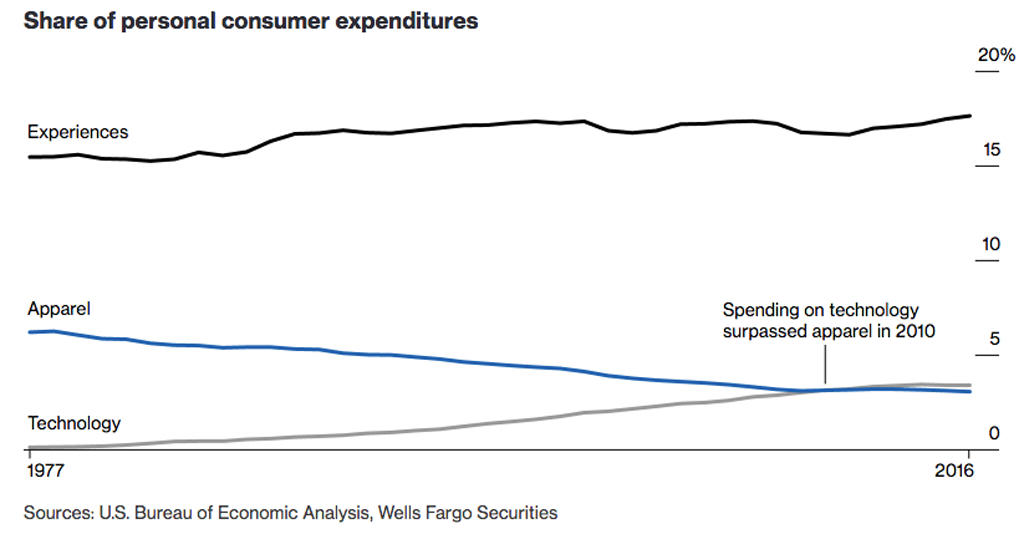
Let’s first take a quick look at the challenges. In "The Death of Clothing", journalists at Bloomberg.com recently argued that the problems now plaguing apparel retailing go deeper than the ferocious competition from Amazon and other on-line retailers. The more profound problem is that consumers are spending less and less on clothing: “In 1977, clothing accounted for 6.2 percent of US household spending. ... Four decades later, it’s plummeted to half that.”

In part, reduced spending on apparel reflects the success of the industry in lowering costs through off-shore production, vertical integration and other competitive strategies. But the decline also results from more casual lifestyles. With about half of Americans now saying they can wear jeans to their professional offices, there is less need to buy separate wardrobes for work and play.
It is clear that “dressing down” also has an impact on the fur business. And the fur trade is also dealing with animal activists, aging retailers, under-financed businesses with too little money for advertising, and other serious problems.
So where is the good news for fur retailers in this gloomy scenario?
For one thing, Baltimore, Maryland furrier Richard Swartz points out, even the industry's problems provide opportunities. "Unlike other businesses that have dwindled from lack of interest, the fur trade has received lots of attention over the last decades: attention has come from our opponents, as well as from fashion designers, celebrities wearing fur, and even the occasional large heist."
As leaders of Greenpeace used to say: "Who cares what they write about us, so long as they spell our name right?"
Three of the fur trade's traditional retail advantages also continue, says Swartz: "We are selling a blind item; we are selling many one-off items; and we sell services that not only generate cash flow, but also promote new sales and customer engagement."
In other words, bricks-and-mortar fur retailers have a certain degree of protection from on-line marketers because fur apparel is not mass-produced or standardized, so consumers must come into the store to try on a coat or jacket. And evaluating fur requires specialized training and experience; consumers rely on the furrier’s expert knowledge (and reputation) to ensure they are receiving value for their money. Not least important, fur apparel requires on-going in-store maintenance, including off-season storage, cleaning, repairs and remodeling, which brings customers back into the store at regular intervals.
But these protections alone are not enough to assure success. "I believe that the success of each individual retailer or retail group -- and indeed the retail trade as a whole -- will be decided by the degree to which they can reinvent themselves for today's reality," says Swartz.
To profit from the new opportunities, in fact, retailers will have to learn new skills that allow them to run their businesses and market fur products in new ways.
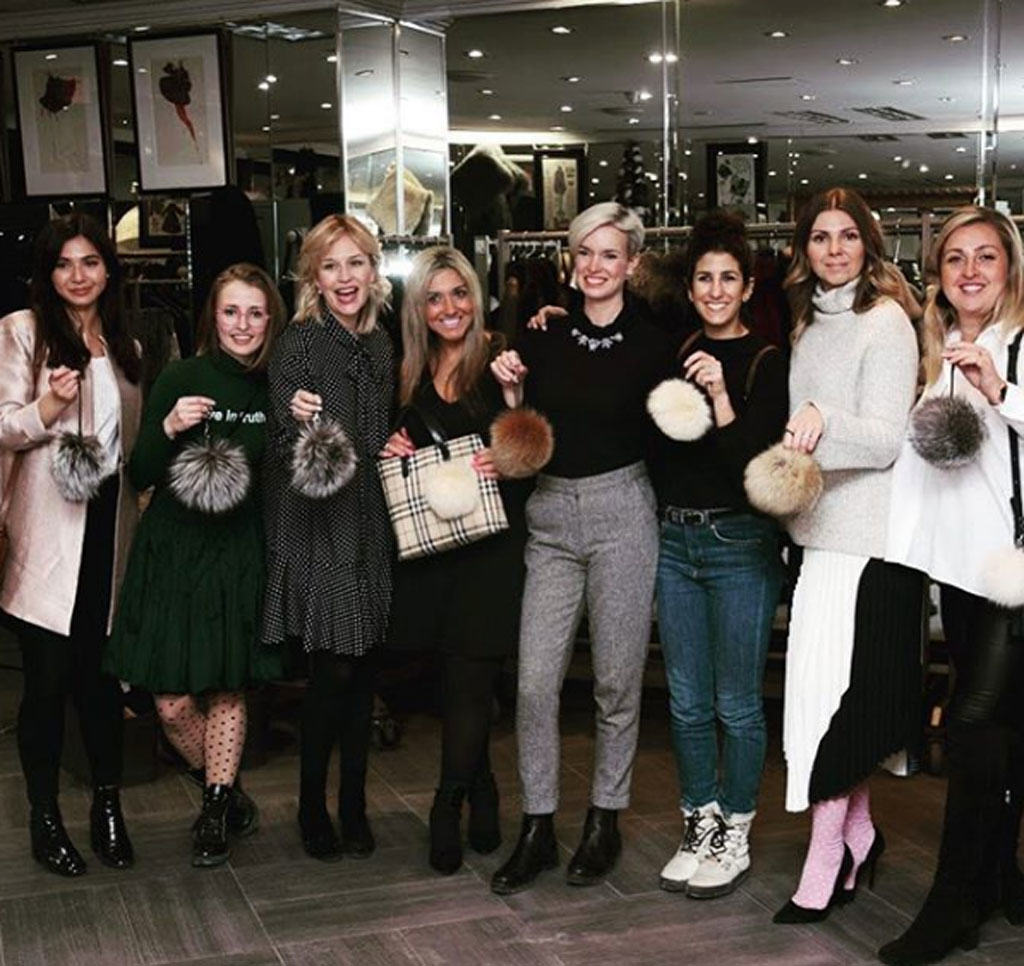
One retail furrier who is exploring the potential of new technologies is Stewart Chadnick of Pat Flesher Furs, in Ottawa. He recently hosted 12 local bloggers for an exciting, hands-on fur experience in his store.
“We greeted the bloggers with a nice selection of wine and hors d’oeuvres while I presented a brief history of our store and an overview of the fur business. I had set up a big TV monitor and showed them the Fur Trade in Two Minutes Flat video from the home page of TruthAboutFur.com as an introduction. I followed that up with the new sustainability video produced by the International Fur Federation. The two videos answered many of their questions and stimulated some interesting discussion.
“After a tour of the store and vault, we took them into our workshop where we had prepared everything they needed to make their own fur pom-poms. We had a lot of fun and they loved it. Several were blogging right from the workshop!” says Chadnick.

All the bloggers posted very positive accounts of their visit, which resulted in several new customers coming into the store in the following days. Great, you may say, but how many furriers have the social media skills to organize a bloggers event? Chadnick is the first to admit that he doesn’t either.
“I know I will never understand social media well enough to use it effectively,” says Chadnick. “So my marketing agency set up our Facebook page and Instagram account. We meet weekly to discuss story ideas and what we’re doing, and they were the ones who made contact with the bloggers and suggested inviting them into the store. We all enjoyed the evening, the ladies had a great story to blog about, and after the event our page registered dozens of new followers. It’s win-win.”
Chadnick also produced a small brochure for the bloggers about why fur is an ethical choice, using information he took from TruthAboutFur.com.
“The website is a fabulous resource for retailers,” says Chadnick. “Everything we need for educating and reassuring consumers is there. And young people are very interested in our environmental story.”
The bloggers’ event at Pat Flesher Furs provides a number of important lessons for retail furriers seeking success in today’s fast-changing marketplace:
Retailing is changing, and the way fur is marketed is changing too, as I learned recently from a journalist researching retailing trends in Quebec. She told me that the furriers she had spoken with are selling more small pieces and accessories, and they are integrating a broader product mix, becoming more like outerwear stores or fashion boutiques. But she was impressed to learn that several now also make a point of promoting the environmental sustainability of fur as an important selling feature.
As consumers become more aware of the environmental problems caused by “fast fashion” and petroleum-based synthetics, the sustainability credentials of fur will clearly become more important …
And perhaps this is the best news of all as we plan for the future of fur retailing. Because as young people – and all consumers – become more aware of the environmental problems caused by “fast fashion” and petroleum-based synthetics, the sustainability credentials of fur will become even more important and appreciated.
In fact, the environmental benefits of using real fur may well be emerging as one of our most important “Unique Selling Propositions” (USP). After being so unfairly scapegoated for so many years, fur may finally be recognized as not only warm and beautiful, but also as an environmentally responsible and ethical clothing choice. Now that’s a powerful marketing story!
If you have ideas about new ways to market fur products at retail, please post a comment below; we’d love to hear from you.
There is a saying that the only things we all have in common are birth, death, and taxes. If there…
Read More

There is a saying that the only things we all have in common are birth, death, and taxes. If there is a fourth thing common to every human being on the planet, it is that human lives depend on killing animals. This is true for hunters, trappers, animal-rights activists, vegans, and everyone else, regardless of where we live, our cultural differences, or our lifestyle choices. I don’t say this out of callousness or for shock value; rather, to put every one of us on the same page, in the same common history book of our species. If only for a moment.

I would like to think we can all have the humility and honesty to acknowledge the fact that human life depends on the death of animals, despite how uncomfortable we may be with this truth. To that end, I won’t spend time going over the various ways that human civilizations and settlements displace wildlife and affect habitat. Many of us do our best to reduce our direct and indirect impacts on the natural world, but close as they may come, these impacts will never reach zero. None of us is exempt from the effects of human civilization on wildlife. The task as I see it is not so much to accept or refute this fact, but rather to reflect on our own understandings of it and what it means to have a relationship with animals that involves death.
One of the most common points of disagreement in conversations about animal ethics centers on the consumptive uses of animals. Concerns over the treatment of both wild and domestic animals and their use for food, fur, and other products is an important conversation and one that I believe should be of highest ethical importance to human beings; however, we often bring a set of unstated and embedded assumptions to these discussions that need to be examined if we are to ever truly understand our own ethics, have productive conversations with others, and be effective at conservation.
One of the underlying assumptions that we need to critically reflect on in discussions over the use of animals is the very concept of killing. Our individual and collective understanding of the moral defensibility in killing animals and the nature of the human-animal relationship that is established through an interaction that involves killing are informed by our views of death itself.

In discussing the ethics around the use of animals, we must be thoughtful to the fact that understandings of central concepts such as death and killing are not universal. Cultures throughout the world have vastly different understandings of what it means to die, what happens after death, the relationship between life and death, and therefore what it means on a deep ethical level to kill an animal. Therefore, we cannot approach discussions with the assumption that we all understand the moral foundations of the topic in the same way. More importantly, we must be conscious not to assume that our own culturally-grounded way of understanding these concepts is correct. To approach conversations of such ethical gravity in that way is to demonstrate a sense of cultural centrism that has proven dangerous to both human cultures and ecological systems in the past.
It is possible that some of us have never really taken the time to deeply reflect on our own relationship with the death of wild animals. For the majority of the world that lives in urban centers and will never be personally involved in killing an animal, thinking about this may never be a necessity. In his examination of humanity’s relationship with nature and our own natural history, the author J.B. MacKinnon in The Once and Future World poignantly describes watching a grizzly bear feed on an elk calf. MacKinnon reflects on nature’s experience with death: “springtime in Yellowstone is not the season of gambolling fox kits ... but of the hungry bear and wary bison. Of death, that ordinary horror”. Killing is all around us all the time; whether and how we choose to understand that fact of life on a primal and philosophical level is our choice. MacKinnon goes on to suggest that “to endure among other species, you must experience the world as a place you share with them”. If we wish to share the world with wild creatures and natural processes, we owe it to ourselves to engage with them on their terms.
Consider the fact that most modern human beings eat next to nothing that is hunted or gathered from the terrestrial surface of the earth. This is an outcome that would strike our ancestors as bizarre if not apocalyptic, and yet it can’t be said to be the product of choice. We drifted to this point, generation by generation.
J.B. MacKinnon in "The Once and Future World"
Let me clear about what this is not. I dislike dead-end arguments in discussions about ethics. It might be tempting to dispute the suggestion that death and killing are equal parts culturally contingent concepts and natural parts of the world, as simply a hunter’s way of justifying his own actions. That has been suggested to me before and I will humour that idea, but it is far more complex than that. Human ethics change over time to incorporate new ideas and knowledge and this changing is precisely what keeps ethics strong and meaningful. Therefore, the suggestion that any single argument can settle an ethical debate is unconvincing at best and suspicious at worst. This is not a claim that killing wildlife is morally defensible because “we have always done it”. I don’t believe that historical precedent justifies continued practice. However, in the same way that history does not justify the present, neither can it be disregarded as irrelevant. So I do think that the long history of interaction between humans and wildlife that has always involved a predator-prey relationship makes the conversation worth having in light of that history and not in exclusion of it. Cultures and belief systems are built upon shared experiences and give rise to knowledge systems and worldviews that are rooted in the places of those experiences. It is the diversity of these cultures that contributes to different understandings of what it means to kill an animal and our conversations on the ethics of killing and using animals must include space for the wide variety of cultural views that exist in the world.

Our evaluation of the ethics in killing animals for our own uses is bound to be informed in some measure by our understanding of what death means and the subsequent emotions we attach to dying and being dead. It is helpful to consider examples of different cultural understandings of death. These contrasting worldviews around death mean that understandings about the relationship enacted with an animal in the act of killing it can also be very different. Bear in mind that I am highlighting two examples here and that the diversity of human cultural perspectives is nearly as wide and deep as the biodiversity of the natural world itself.
The dread of something after death, / The undiscover’d country
"Hamlet" by William Shakespeare
The Reverend Charles A. Curran, Professor at Loyola University of Chicago, discusses an understanding of death informed by Judaeo-Christian traditions. Curran explains that in Christian worldviews, death “immediately invokes in us the emotion of fear”. This fear of death is not so much a fear of the physical process of dying, but rather “the notion of the beyond that the word ‘death’ brings to us, because its fear is a fear of the beyond”. This fear is also related to the gravity of having to weigh the morality of our lives and what Curran describes as an “extreme ego anxiety about passing into nothingness” – the fear of irrelevance and being forgotten. There are other more obvious teachings in Christianity about what killing means for the morality of our own lives.

A Judaeo-Christian view of death has been imprinted on some of Western culture’s most influential pieces of art and literature, and it is perhaps only natural that our feelings around our own death would be imparted onto animals when we consider their death. Daniel E. Van Tassel, Professor of English at Muskingum College, notes “the stamp of such Christian views of death” in the “expression of fear at the imminence of death” among a number of Shakespeare’s characters. Van Tassel cites three reasons to fear death in Judaeo-Christian traditions: we fear losing the enjoyment of life and worldly pleasures, the emotional and physical pain that comes with death, and the eternal misery after death. In considering how such a culturally-dominant, if latent and subconscious, understanding of death may impact our view of killing animals, we can certainly identify in animal-rights and other anti-hunting/trapping campaigns references to the second fear of death: fear about the pain and suffering that killing brings. In this fear we see MacKinnon’s characterization of death, “that ordinary horror”.
Like other northern hunting peoples, many Yukon First Nation people conceive of hunting as a reciprocal social relationship between humans and animals.
Paul Nadasdy, in "Agricultural metaphors and the politics of wildlife management in the Yukon".
In a book chapter I have frequently returned to in discussions over human-animal relationships, Paul Nadasdy, Associate Professor of Anthropology at Cornell University, discusses the contrasts between Western and Yukon First Nations’ understandings of the concept of wildlife management, focusing particularly on contrasting notions of ownership and control between cultures. Within a Yukon First Nations worldview, humans and animals interact on the basis of a reciprocal social relationship defined by the need to uphold certain responsibilities. Humans hunt wildlife but do so within the context of specific practices designed to maintain the relationship, practices that vary between cultures, but “commonly include the observance of food taboos, ritual feasts, and prescribed methods for disposing of animal remains, as well as injunctions against overhunting and talking badly about, or playing with, animals”. Maintaining the social relationship one has with animals is of utmost importance and in this particular cultural worldview, involves killing.

There is an element of control and agency that is important in understanding the contrast between different worldviews. In a Western worldview, humans are most commonly positioned above and in control of nature: the world is here to be used by humans. In, for example, a Yukon First Nations worldview, animals have agency and can choose not to present themselves to human hunters. Humans must therefore fulfill certain social obligations towards animals and these obligations are often carried out through hunting. The concept of killing and what it means to kill an animal is thus conceived of quite differently in a Yukon First Nations context than one dominated by Western knowledge and cultural traditions.
The idea that there exists a plurality of knowledges informed by one’s culture must accompany us into ethical conversations and decision-making around the use of animals. We must remember that in many cultures, a context of respect and gratitude is the very the foundation of how humans have come to understand a relationship with animals that involves killing.
I am not a religious person and I would not even suggest that I am spiritual. I have come to understand my actions and morality on my own terms and I have tried to inform that understanding as much as possible by lessons in nature, though inspiration for this understanding can come from many places. I want to make it clear that caring deeply about wildlife is not dependent on religious or spiritual guidance; I have thought and felt deeply about both the individual animals I have killed and about the populations and species of which those individuals were a part. When I kill an animal, there is an intense and undeniable connection with that individual – from the moment I first see it to every single time I cook a portion of it – and there is also a connection with that animal that feels more historic, a sense of shared history on the landscape. Animal-rights campaigns often focus on individual animals that have been given human names. This kind of anthropomorphism often loses the ability to situate the relationship between human and animals on an evolutionary scale. For me, it is precisely the simultaneous feelings of intense personalization with an individual animal and a depersonalization with the awareness that there is a deeper historic interaction that we are a part of that gives the encounter so much meaning.
One thing that many of us can agree on is that healthy ecosystems and wildlife populations are critical for the survival of our species and this planet. We might also agree that maintaining healthy ecosystems and wildlife populations depends on human appreciation and valuation of those places and species and in order for humans to care about and take care of the natural world, they need a personal relationship with it. It may be that some wish to redefine the foundation of this relationship in a way that reflects changing social and cultural norms, but this cannot be taken for granted and this new foundation cannot be laid without conscious and thoughtful reflection, otherwise we risk losing the historic relationships within which both humans and animals have mutually evolved.
We may personally disagree with particular conservation policies or strategies, but it is imperative that we maintain our connections with animals and understand that there are cases where this connection takes place through an interaction that involves death. I personally consider ethical concerns about animal welfare as one of our most important considerations in killing animals. However, when engaging in discussions with one another over the ethics of using animals, we need to be conscious of the foundational assumptions on which these conversations are built. We need to identify and critically reflect on the culturally specific concepts we bring to our decision-making around killing and understand and respect that ethics are a sliding scale throughout the world.
In doing so, we may find that misunderstandings and disagreements run deeper than the specific applications and policies we find ourselves debating and that we gain much more from engaging with a plurality of ethical perspectives than from disregarding them.
It’s our first news roundup of 2018 and we want to start off the year asking this question: fake fur…
Read More

It's our first news roundup of 2018 and we want to start off the year asking this question: fake fur vs real fur, which is better? Well, all of us fur lovers know the answer but sadly a lot of people think that fake fur is a good alternative to real fur. Those same people also tend to care about the environment and want to protest pipelines, so it was time to set them straight. That's why the International Fur Federation produced this excellent video, highlighting the dangers of plastic pollution from synthetic fabrics. Fake fur vs real fur - it is obvious that real fur is the better choice for the environment and our planet. (Interested in the history of fake fur? This is worth reading.)

Speaking of the environment, the stewards of the land (otherwise known as trappers) are seeing some increases in auction prices, both at the Thompson Fur Tables and the Fur Harvesters Auction (pictured). But trapping isn't just about making money, it is also about passing down skills from one generation to the next, managing wildlife populations, returning to rural roots, and living off the land.
The trapline may seem very far away from a fur store in Manhattan, but the two are quite connected. Unfortunately for the furriers of NYC, rising retail rents are forcing some independent businesses to close down. If that's not bad enough, thefts of fur coats are also a threat.
But retailers are used to weathering challenging times, and it is not all bad news. British retail trade magazine Drapers surveyed some premium retailers and many of them named fur items as some of their bestsellers over the holidays. Speaking of the Brits, British Vogue had a fur ad in its pages recently, and the activists were not impressed. Maybe the magazine is finally realising that its selective no-fur policy is quite hypocritical when it frequently features exotic skins, sheepskin, and leather.

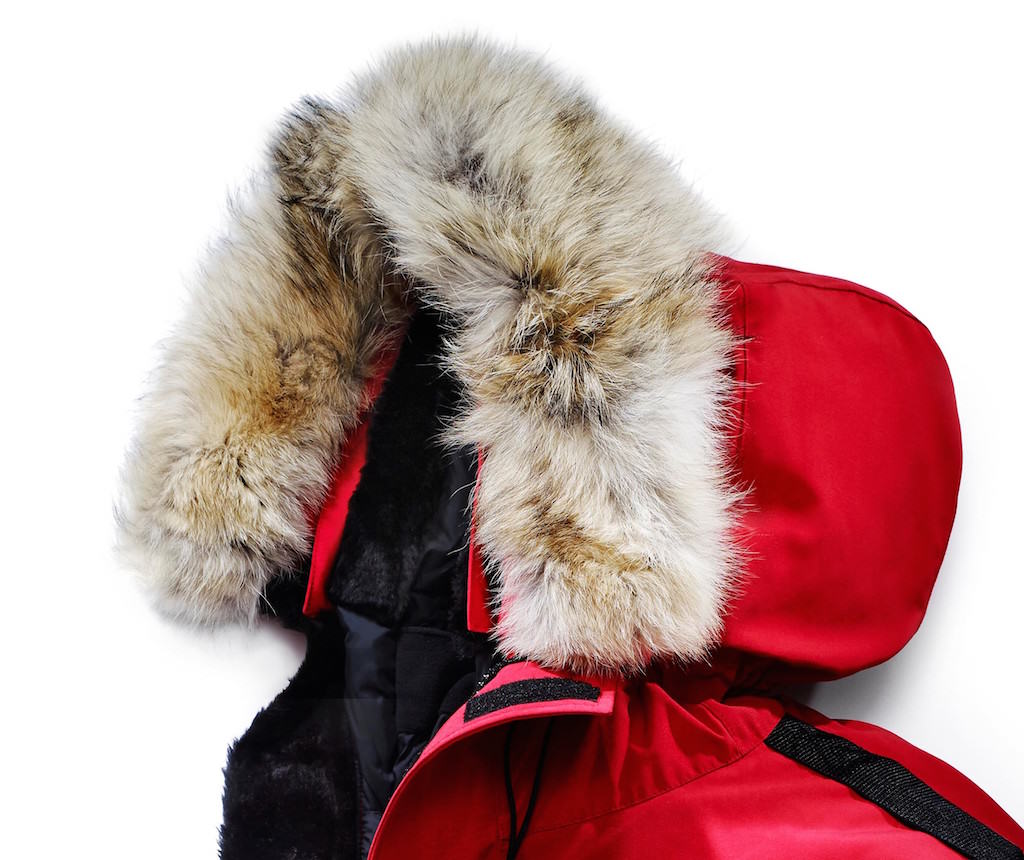
One of the main criticisms we hear from activists is that fur is often used as trims, and fur trims are not effective in keeping people warm. Finally, we have proof that this is not the case. There is a science behind why real fur hood trims are effective (pictured) and we explored that topic in a recent blog post about fur hood trims. That won't stop the activists trying to shut us down, but we hope that this war will be one of facts. Proof that fur trims are effective only strengthens our industry, and when it comes to fake fur vs real fur, the natural, biodegradable, sustainable option always wins.
Let's end this month's roundup with a few important news stories that caught our attention.
Here are ten organizations that you should never give donations to.
This Greenville fur company makes outfits for Hollywood.
Even if you are a vegetarian, you still have blood on your hands.
The fur industry is launching a global campaign to promote sustainable fur, and the environmental benefits of using real fur…
Read More

The fur industry is launching a global campaign to promote sustainable fur, and the environmental benefits of using real fur over petroleum-based synthetics, including fake fur.
A hard-hitting video produced by the International Fur Federation is being launched in key markets around the world. In the accompanying press release, Mark Oaten, CEO of the IFF said: “It’s time to call out the fake news about fake fur.” Fake fur is being promoted by animal activist groups as the ethical alternative to real fur.
Sustainable Fur, the campaign video, shows the environmental damage that is being caused by plastic-based fake fur and other synthetics. In North America, the video was prominently promoted on the website of Women’s Wear Daily for a week, before being distributed more widely. In addition to Canada and the US, the video is being promoted in China, Japan, Taiwan, Korea, Russia, Argentina, Brazil, and throughout Europe.

“Natural fur is the responsible choice when compared with fake fur or other synthetics,” said Mark Oaten.
“The consumer is being fed a constant diet of fake news by activists when it comes to fake fur,” he said. “Meanwhile, scientists are warning that plastics should be eliminated as much as possible from the retail chain.”
The video shows how fake furs and other synthetics are creating major environmental problems because they are made from fossil fuels (non-renewable resources) and are being linked to the release of microfibers into the environment.
“These are plastics that take decades to biodegrade – if they biodegrade at all – and we are now learning that they are entering the food chain and being consumed by marine life, and eventually by us,” said Oaten.
“Real fur is the sustainable alternative. It is natural and provides decades of use for the consumer.”

The video explains that farmed fur animals (primarily mink and fox) are fed left-overs from our own food supply – the parts of fish, pigs and chickens that humans don’t eat. The manure and other wastes from fur farming are composted to provide bio-fuels or natural fertilizers, completing the agricultural nutrient cycle. This is a much more sustainable and ethical alternative than dumping such wastes in landfills.
SEE ALSO: Fur farming: Nothing is wasted, at Truth About Fur
The production of wild fur is strictly regulated to ensure that only part of the naturally-produced surplus from abundant populations are used. This is an excellent example of the sustainable and responsible use of renewable natural resources, a key environmental conservation principle promoted by the International Union for Conservation of Nature (IUCN) and other conservation authorities.
Many furbearing species must be culled to protect property, livestock, natural habitat and endangered prey species, or even human health, whether or not we use fur. Overpopulated beavers can flood farmland, forests, roads or homes. Overpopulated raccoons and foxes can promote the spread of rabies or other dangerous diseases. Coyotes are the number-one predator of young calves and lambs on ranches. Coyotes, raccoons and foxes must be controlled to protect vulnerable populations of ground-nesting birds and the eggs of endangered sea turtles.
SEE ALSO: Reasons we trap, at Truth About Fur

The new video campaign is being released as the fashion industry and consumers are beginning to discuss more seriously the environmental impact of our clothing choices. The confusion caused by animal activist campaigns became apparent when Gucci CEO Marco Bizzarri recently announced that his company would stop using fur “because of their commitment to sustainability”. As Truth About Fur explained in "Fur-free Gucci policy contradicts company's 'sustainability' claims", the brand's decision to turn away from fur reveals an astonishing misunderstanding of the real meaning of sustainability.
SEE ALSO: Sustainability: Why is Gucci so confused?
The first major campaign to promote the fur trade’s important sustainability credentials was launched by the pioneering website Furisgreen.com. This website has attracted considerable media attention, helping to spread the message. It is expected that the new IFF Sustainable Fur video will also generate media interest in response to press releases that were distributed simultaneously in North America, Europe and Asia.
To help spread the message, retailers, manufacturers and people in every sector of the fur and fashion industries are being encouraged to post the new IFF Sustainable Fur video on their websites and Facebook pages.
“At a time when consumers are becoming more interested in understanding the environmental impact of what we buy and wear, we have an excellent opportunity to explain why fur is a sustainable and responsible choice,” said Teresa Eloy, Managing Director of the Fur Council of Canada.
“This video presents some important facts about the environmental credentials of fur in a succinct and easy-to-understand way,” said Keith Kaplan, of the Fur Information Council of America. “This is an exciting campaign and we are encouraging retailers across the country to post and share this hard-hitting video.”
Welcome to Fur Trade Tales, our new series of real-life stories from real people of the fur trade. We kick…
Read More

Welcome to Fur Trade Tales, our new series of real-life stories from real people of the fur trade. We kick off with our first Trapline Tales, but look out for Fur Farm Tales, Furrier Tales, and more to come. If you'd like to contribute, please let us know at [email protected]
Everyone in the fur trade has tales to tell, and I am honoured that Alan Herscovici – the creator of Truth About Fur – thinks mine are worthy of launching Trapline Tales. It’s the least I can do. Alan has devoted his working life to the trade, sometimes at great personal cost, and has been a passionate spokesperson to the media on behalf of us all. We owe him a great debt of gratitude.
Today I run a company called Fur Canada, making a range of fur products, museum-quality taxidermy specimens, and traps, but my journey in the fur trade began long ago, in a place called the West Kootenay, in British Columbia. I grew up there in the 1960s and '70s, and it had to be the best childhood any kid could experience. With my parents and siblings, I learned the ways of living off the land. We grew every kind of vegetable, had milk cows, chickens, horses and beef cattle, and in winter I would assist my father on his fur trapline.

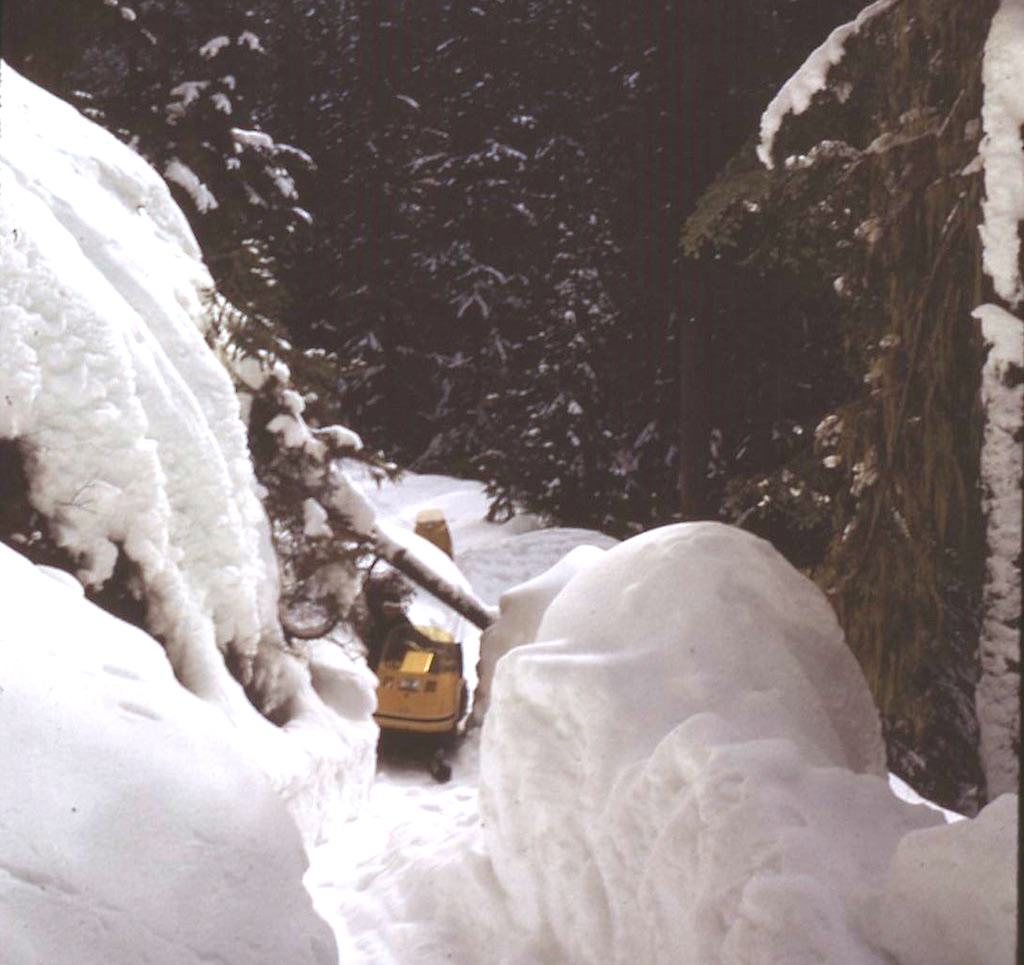
Every weekend during winter was a new experience. My father's trapline was 100 kilometres long, and it took us five years just to rotate every corner of it. In 1963, we also acquired the area's first snowmobile.
One day my mother and I were shopping in Nelson when I spotted a parked truck with two big, yellow snow-plowing machines on a trailer. "What are they?" my mother inquired of the gentleman attending them, who happened to be a distributor. He graciously explained how they worked and their advantages over snowshoeing. He called them "snowmobiles", and they were made by a Quebec company called Bombardier. She said her husband was a trapper and might be interested in one, so he followed us home. My father quickly took a liking to these machines, and since it was late, invited the gentleman to stay the night.
Next morning, my older brothers and father road-tested the machines, and by lunchtime the deal was made. We were the proud owners of a brand new Bombardier snowmobile! I still have it to this day, and one day will restore it to its original state.
During that winter and the next, the gentleman made follow-up visits in case repairs were needed. He was very impressed with my father and his success with the machine, because within that first winter, he had contracts with the power company and timber company to check on their power lines and spar tree equipment that was inaccessible in the back country.
On one of his visits he told my father that he was the sole distributor for Alberta and British Columbia, and the territory was now more than he could handle. Would my father like to take over the distributorship for BC? My father pondered for a moment and could only envision the excessive work ahead in promoting, selling and servicing the product during the trapping season – the most important part of the year for him. His answer was an emphatic "No!" I'm not sure he gave much thought to setting up his two teenage sons and me, then just six years old, in the snowmobile business, as fur trapping was his passion. You could say, there was a great missed opportunity for the family, as hindsight is always 20/20.

A few years later my father purchased another snowmobile. At this point Bombardier was selling them under the brand name Ski Doo, and our new Ski Doo was called an Olympic.
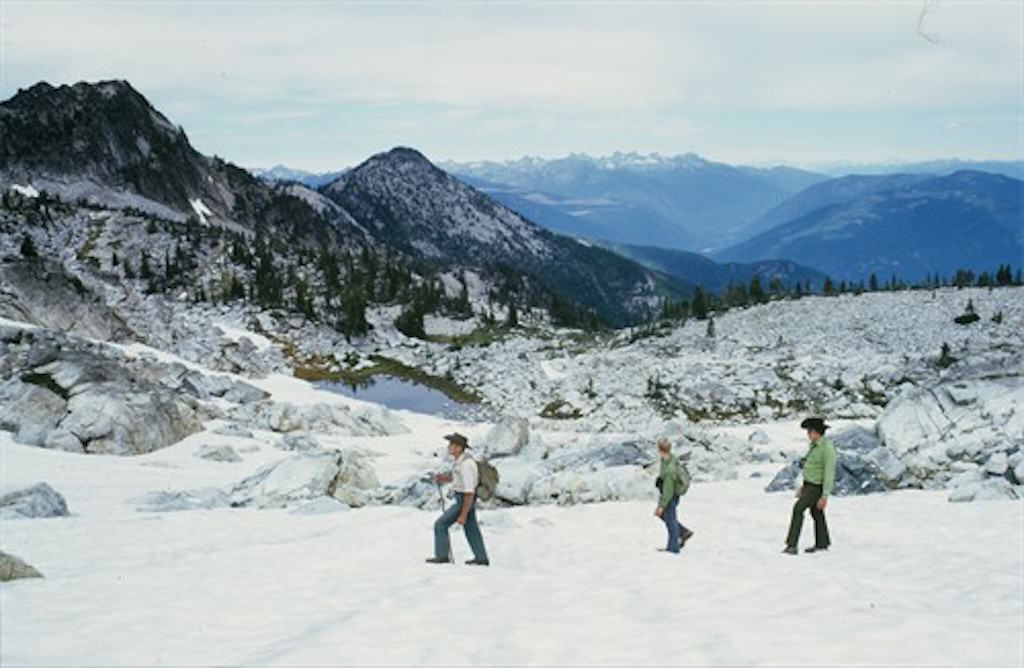
At 10 years old, I was operating our original Bombardier and my father ran the Olympic, because it was much bigger and heavier. We were trapping in the high Selkirk Mountains, so it was common to get 40-60 centimetres of snow in a week. He would break trail and I would follow. When the snow became too deep and the machines bogged down, out came the snowshoes and I would start breaking trail one step at a time. In that deep, fluffy snow it was difficult, so I would only go about 300 metres and return to the snowmobile. I would get it unstuck, fire it up and away I went. Straddling my freshly broken snowshoe trail, I would get the machine up to full speed until that ole Bombardier hit the virgin snow, go 20 metres and come to a stop, stuck again. Out came the snowshoes and the process started all over again.
Many a Saturdays were spent breaking trail. We would return the following day to set traps. Then a few days later return to check the traps. This kind of fun went on from December to the end of February, when the high-country trapping season ended.

In the summer there was no trapping, of course, but it was still on our minds, and one of the highlights was making call scent for marten. There were two goals. First, it should not freeze. And second, it should be a stinking rotten scent, and the hot summer weather was perfect for this.
Here's how we did it:
During the summer, our recipe would cook and percolate on the roof. It was one of those odours that had to be acquired in order to appreciate the effort that went into making this eau du toilet scent.
All trappers understood the value and creativity of such a fine call scent and its importance in trapping marten. My mother, on the other hand, did not have the same appreciation for our efforts. She had a few choice words for us during those hot spells when she was hosting summer garden parties and the marten eau du toilet scent would waft its way down from the roof top and into the party.
• Shame on provincial governments! Shame on Air Canada! Canada has a free trade agreement with the USA, Mexico, Korea and others, but we don’t have free trade and free flow of goods within our own country! And can you imagine? Our national airline has an embargo on a wildlife species that the Inuit people of the Canadian Arctic legally harvest for sustenance!
• Sorry Mum! The first critters my father trapped, back in the 1920s, were skunks, when their fur was highly prized. He always joked that his wedding day, November 10, was also the first day of the skunk-trapping season. He told that joke for 72 years until he passed away on his 97th birthday. My mother did not quite see the humour. She says the joke wore off after the first five years.
• Squirrel surprise. When I was about 10, a chum and I ventured into the realm of squirrel cuisine. After hours setting up a spot in the woods, including a makeshift rotisserie, finding dry wood in three feet of snow with wet matches, smudge smoke in our eyes, wet clothes and cold feet, we were ready. We skinned and eviscerated that little critter, then stuffed it with hazelnuts and roasted it over an open fire. Surely this would be a mouth-watering meal, the best-tasting squirrel ever! Well, let's just say that it sounded better than it turned out. It was several more years before I ventured back into the fine cuisine of squirrel cooking.
SEE ALSO: Top 5 tasty furbearers: Muskrat stew and more
• Name-dropping. Among the many products my company makes are coyote fur collars for parkas, and one of our clients has an impeccable pedigree: Amundsen Sports of Norway. The name rings a bell, right? CEO Jorgen Amundsen is carrying on a family tradition of adventurers started by his great uncle, Roald Amundsen, the first man to set foot on the South Pole in 1911!
Fur-trimmed and down-filled parkas are everywhere in our cities these days, but is the coyote, fox or other fur trim…
Read More

Fur-trimmed and down-filled parkas are everywhere in our cities these days, but is the coyote, fox or other fur trim on the hoods just decorative, as activists claim, or does it really help keep us warm?
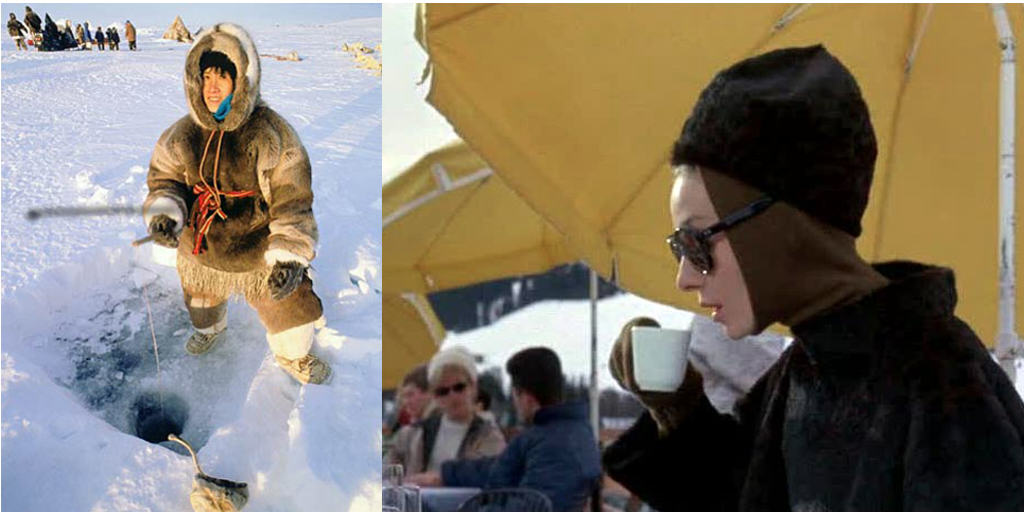
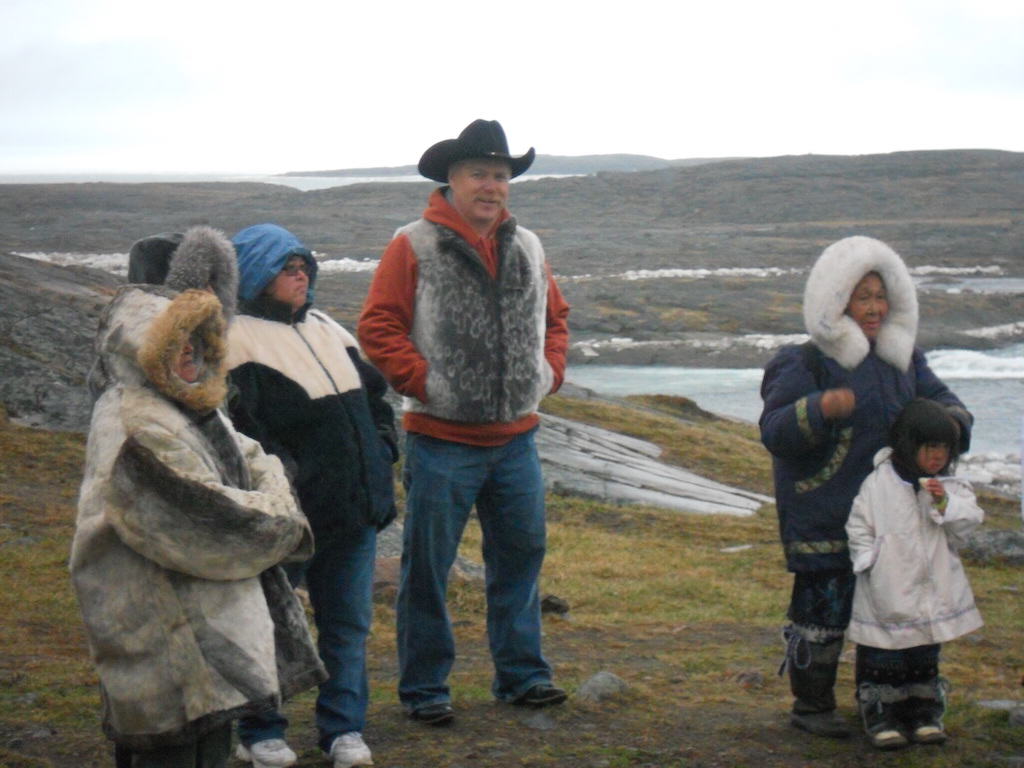
We're not all Inuit hunters, Iditarod dog mushers, or polar explorers, but we've all seen them, if only in pictures: men and women braving the elements in voluminous parkas, topped off by huge hoods with giant fur ruffs. Yet their faces are so exposed, and most of the fur trim doesn't even contact the skin, so can they really be that warm? Or are they just for show? Have faith: fashion statements are the last thing on anyone's mind when the mercury plummets and the wind picks up. Developed over millennia by the indigenous peoples of the Arctic, these ruffs work.
For most southerners, a parka hood is just about protecting the head from a bit of wind and rain. But people who work at –30°C, often for long periods, need much more. That doesn't mean bundling up like Himalayan mountaineers though, because beyond keeping warm, they also need to function effectively. Whether it's trapping, fishing, or driving a snowmobile, they want clear vision both in front and to the sides. Giant fur ruffs fit the bill perfectly.
Here are the key design features, and why they work so well:
There are two ways your body loses heat in cold weather: conduction and convection. Conduction is not a major concern for southerners, unless we get soaked to the skin, and then our body will cool down really fast, especially if there's a wind to add convection. And so we blithely pull our hoods close around our faces, and there may even be a draw string for just this purpose.
Now try ice fishing in Nunavut – or almost anywhere in Canada, for that matter – in January, and see what happens! Your hood's fur trim is tight up against your cheeks, right next to your mouth. Each time you exhale, the moisture in your breath forms ice on the fur. And since ice is a far better conductor of heat than air, your fur trim, far from keeping you warm, becomes a very efficient conductor of heat away from your face. Next thing you know, you've got frostbite.
Real polar ruffs greatly reduce this ice formation. The fur trim is still tight up against the face, but contact is made behind the cheekbones. Hence the exposed face we talked about.
SEE ALSO: Amazing facts about fur: Dressing for the Arctic
You also want your hood's fur ruff to be large. Your traditional caribou or seal skin parka is already bulky, so top it off with the lion-meets-angry-frilled-necked-lizard look! The most spectacular of all ruffs, a “sunburst" ruff, can measure three times the diameter of the wearer’s head!

Wind removes heat from your face by convection, and the faster it blows, the more heat it removes. But when the wind hits a solid object, a boundary layer is created in front of the object, inside which the wind slows down. The larger the object, the thicker and more insulating the boundary layer. Ergo, the greater the diameter of your fur ruff, the warmer you'll be.
This has long been intuitive to Inuit designers, and in fact to all of us. It's the reason why, when we face into a gale with a wall at our backs, the wind speed is much less than if we're standing in the open. The wall has created a boundary layer.
In 2004, a research team from the universities of Michigan, Washington and Manitoba quantified this boundary layer effect using a heated model of a human head, thermocouples, a wind tunnel, and a variety of hoods. As expected, the most effective hood by far in slowing heat loss had a sunburst ruff. It was particularly superior to other hoods when the wind was at a high yaw angle to the model's face, i.e., blowing from the side.
(For an excellent graphic showing how a fur ruff creates a boundary layer, see "Why fur-lined hoods are so warm," Chicago Tribune.)
The Inuit have also long understood that fur trim works best when the hairs are of varying lengths. This is naturally the case when traditional furs such as arctic fox, wolf, or wolverine are used, since they have long guard hairs and short underfur, and different parts of the pelt are different lengths. Coyote and fox also have these qualities and are more commonly available on modern parkas. The effect can be enhanced further by using two types of fur within one ruff.
The same 2004 research team sought to quantify this also, comparing the sunburst ruff with a "military hood" with short-haired fur of uniform length. Once again the sunburst ruff came out top, with the researchers concluding that a variety of hair lengths disrupts the wind flow more and thereby helps build an effective boundary layer.
One comparison not made by the researchers was between real fur trim and fake fur, but since fake fur hairs are uniform in length, the conclusion is unavoidable that fake fur trim can't compete with the real deal.
That aside, their conclusion was unequivocal: "The present experiments clearly demonstrate the superiority of the sunburst fur ruff configuration for all wind velocities and yaw angles tested. ... The sunburst fur ruff design is truly a remarkable 'time-tested' design."

The good news for everyone living south of the Arctic Circle is that we can all benefit from this "time-tested" design – perhaps just scaling it down a bit. Caribou or seal skin parkas are overkill for most of us, not to mention the stares they'd attract. But we can easily fit ourselves out with a down-filled hood with real fur trim that's plenty big enough.
The most popular fur for ruffs these days is coyote, which not only keeps us warm, but also dovetails with the need to manage a growing coyote population across North America. Fox can also be effective.
SEE ALSO: Abundant furbearers: An environmental success story
Truth About Fur's Alan Herscovici lives in Montreal, currently blanketed in snow, where temperatures in January average about -10°C, but have risen no higher than -20°C for much of this winter. With wind chill, it can feel like -30°C.
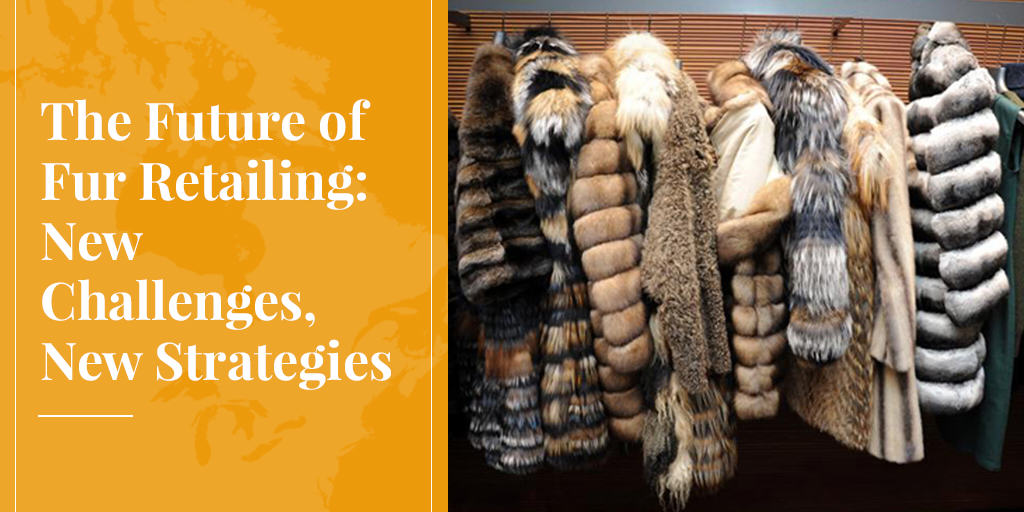
"Call us 'southerners' if you want, but there are days I feel like Nanook of the North," says Alan. "The coyote ruff on my parka has proven its worth this winter!"

***
To learn more about donating to Truth About Fur, click here.
Animal-rights activists argue that we are not morally justified to kill animals for any purpose, and certainly not for products…
Read More

Animal-rights activists argue that we are not morally justified to kill animals for any purpose, and certainly not for products they consider to be non-essential, such as fur. But this view of morality may say more about the activists' understanding of society, of nature and of their own unique place within the big scheme of things than it does about people who produce or wear fur.
This thought came to me just before Christmas during a moving performance of Handel’s Messiah, by Montreal’s Metropolitan Orchestra and Choir with star conductor Yannick Nézet-Séguin. Handel’s magnificent oratorio was premiered in Dublin, in 1742, under the direction of the composer; the beautiful libretto by Charles Jennens (1700-1773) is drawn from Old and New Testament texts.
– Isaiah 53:6 (from libretto of Handel’s Messiah)
The music is transcendental, but my thoughts returned to more earthly matters as the choir sang the verse: "... we have turned every one to his own way." Nine words that neatly sum up the guiding philosophy of modern Western society.
Don’t get me wrong: I am not romanticizing the time when the individual was required – often ruthlessly – to conform to the demands of family, clan, nation or religion. But the fact is that we, in our privileged Western societies, have ventured into uncharted waters: for the first time in human history, individual freedom and personal fulfilment are widely considered to be the most important goals, the ultimate "good".
We no longer accept that our marriage partners be chosen by our families, or that what we eat and how we behave be dictated by tradition or a parish priest. Today, each of us claims the right to make our own decisions. The individual is king.
What does this have to do with the radical shift in thinking proposed by animal-rights philosophers? Maybe a lot. Because, above all, believers in animal rights assert that the rights of each animal must be recognised as inviolable. It is the individual animal, not the population or species that is important, according to this view. And this has far-reaching implications. Let’s see how.
Most of us believe that humans have a right to use animals for food and other purposes, so long as animal populations are not diminished and species are not endangered. This is known as “sustainable use”. In other words, we eat chickens, but we don’t eat them all. Individual chickens are killed and eaten by individual humans – who will, in turn, one day themselves be eaten by worms, bacteria and other organisms – but both chickens and humans continue. In fact, with North Americans annually consuming some three billion chickens, and billions more eggs, one could argue that both chickens and humans are now very dependent on each other for survival.
A concern for animal welfare complements and deepens our sustainable-use values by acknowledging the individuals involved in this species-level symbiosis. The fact that individual animals die to provide for our needs implies, we believe, a responsibility to protect these animals from unnecessary suffering. In this sense, “animal welfare” seeks to balance the interests of groups and individuals.

The animal-rights philosophy, however, makes a quantum leap: the interests of individual animals are suddenly all that matter. According to animal-rights theorists, the individual chicken’s will-to-life is morally non-negotiable and irrevocable, no matter how useful their proteins may be for the health and well-being of humans – or, for that matter, for the survival of chickendom.
In other words, the animal-rights doctrine perfectly reflects our celebration of the individual in modern Western societies. And perhaps this explains, at least in part, why the animal-rights philosophy has considerable appeal in Western societies, especially among younger people.
Of course, our glorification of the individual is far from universal. Even today, most people live in societies where the individual has less autonomy, where their dependence on the group is more explicit. The moral force or “truth” of animal-rights arguments probably seem less evident in such societies.
And isn’t the dependence of the individual on the group a fundamental reality in all human societies? We live in cities, speak languages, use technologies, and have our spirits lifted by music that were all created by others, often people who are no longer with us.
A more profound challenge to the “truth” of the animal-rights philosophy comes from the fact that nature doesn’t show much consideration for individuals. In nature, individuals are short-lived and expendable; it is populations and species that continue.
This ecological truth does not diminish the importance of respecting human rights, but it reminds us that such rights are not rooted in nature or universal truth; they are created by human societies.
What is rooted in nature, however, is the dependence of all animals on other species – especially for food. Like it or not, only the living cells of other organisms can provide us with sustenance. No philosopher or activist can change this fundamental fact of our existence.
Nature is not moral or immoral, it just is. But humans do develop codes of morality, precisely because we live in groups and need each other. Without moral codes we would indeed be lost sheep. But if the animal-rights insistence on each animal’s irrevocable right-to-life is not defensible, what moral code regulates our use of animals?
When it comes to our relationship with animals, our moral code includes four main precepts. Two have already been mentioned: we should use only part of the surpluses that nature provides (“sustainability”), and we should protect the animals we use from unnecessary suffering (“animal welfare”). The other two moral precepts governing our relationship with animals are that we should not use animals for frivolous purposes (“important use”), and we should use as much of the animal as possible (“no waste”).
SEE ALSO: Why fur is the ethical clothing choice.
As I have explained in a previous article, the modern fur trade does respect all four of these important moral precepts. The use of fur, when it is responsibly and sustainably produced as it is today, is indeed morally justifiable, because it balances the needs of species and individuals in a way that is consistent with the way our world really works.
It is animal activists who are lost, who “have turned every one to his own way”, because their fundamentalist philosophy considers only the individual. In fact, as the great humanitarian and animal lover Albert Schweitzer once wrote: insisting that we harm no other life is not a solution to the moral problem that living beings kill and eat each other to survive – it is pretending that there is no problem.