


It’s our first news roundup of 2018 and we want to start off the year asking this question: fake fur…
Read More
Sustainable Fur: Global Campaign Highlights Benefits of Real Fur Over Plastic Fake Fur
by Truth About Fur, voice of the North American fur tradeThe fur industry is launching a global campaign to promote sustainable fur, and the environmental benefits of using real fur…
Read More
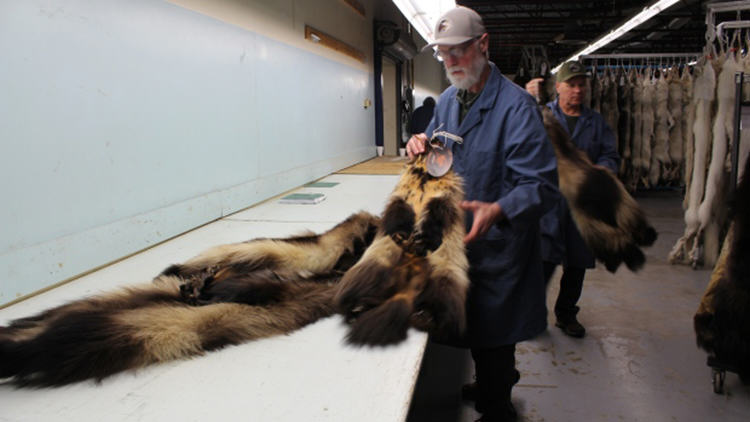
The fur industry is launching a global campaign to promote sustainable fur, and the environmental benefits of using real fur over petroleum-based synthetics, including fake fur.
A hard-hitting video produced by the International Fur Federation is being launched in key markets around the world. In the accompanying press release, Mark Oaten, CEO of the IFF said: “It’s time to call out the fake news about fake fur.” Fake fur is being promoted by animal activist groups as the ethical alternative to real fur.
Sustainable Fur, the campaign video, shows the environmental damage that is being caused by plastic-based fake fur and other synthetics. In North America, the video was prominently promoted on the website of Women’s Wear Daily for a week, before being distributed more widely. In addition to Canada and the US, the video is being promoted in China, Japan, Taiwan, Korea, Russia, Argentina, Brazil, and throughout Europe.
“Natural fur is the responsible choice when compared with fake fur or other synthetics,” said Mark Oaten.
“The consumer is being fed a constant diet of fake news by activists when it comes to fake fur,” he said. “Meanwhile, scientists are warning that plastics should be eliminated as much as possible from the retail chain.”
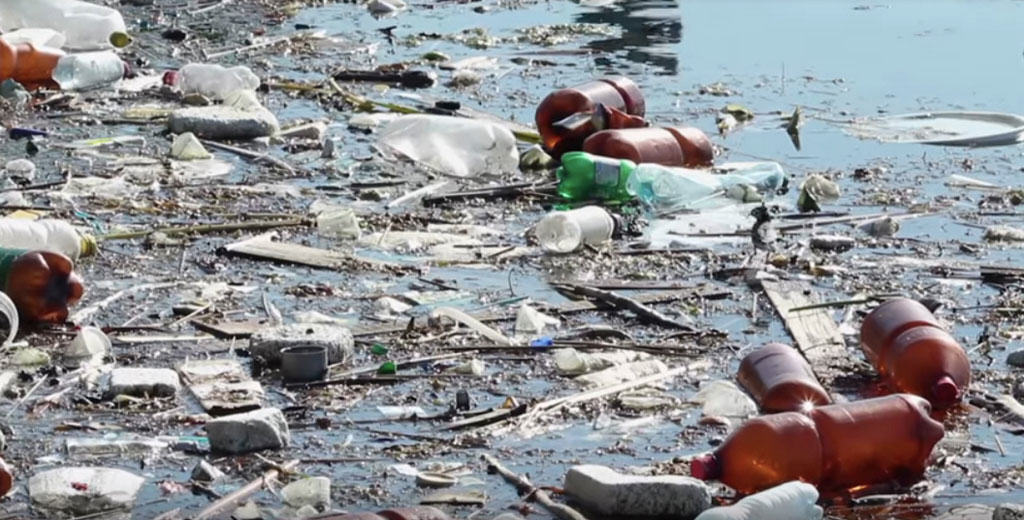
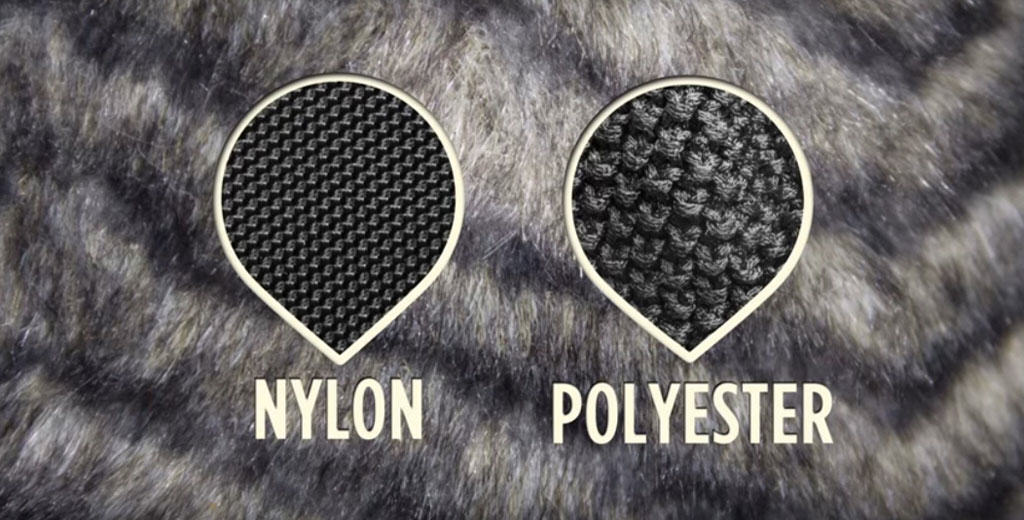
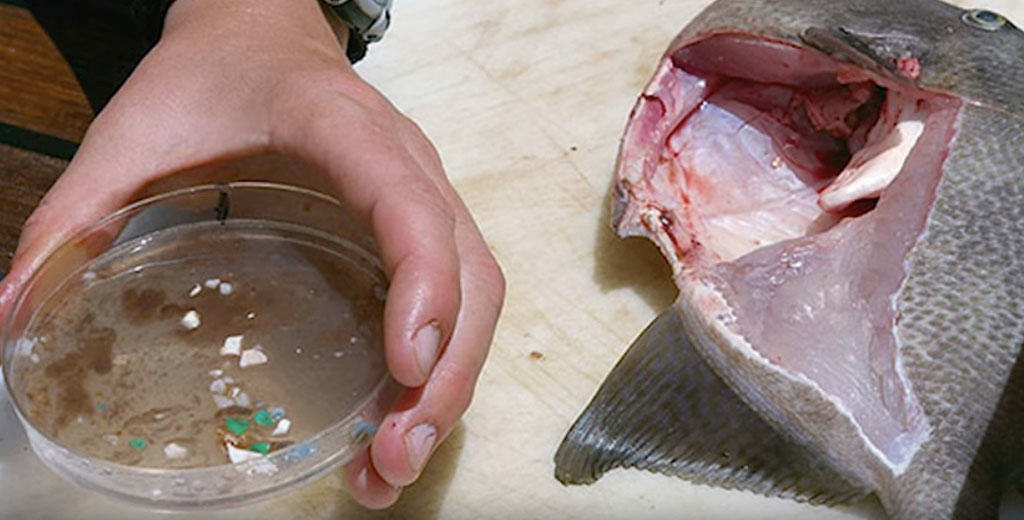
The video shows how fake furs and other synthetics are creating major environmental problems because they are made from fossil fuels (non-renewable resources) and are being linked to the release of microfibers into the environment.
“These are plastics that take decades to biodegrade – if they biodegrade at all – and we are now learning that they are entering the food chain and being consumed by marine life, and eventually by us,” said Oaten.
“Real fur is the sustainable alternative. It is natural and provides decades of use for the consumer.”
The video explains that farmed fur animals (primarily mink and fox) are fed left-overs from our own food supply – the parts of fish, pigs and chickens that humans don’t eat. The manure and other wastes from fur farming are composted to provide bio-fuels or natural fertilizers, completing the agricultural nutrient cycle. This is a much more sustainable and ethical alternative than dumping such wastes in landfills.
SEE ALSO: Fur farming: Nothing is wasted, at Truth About Fur
The production of wild fur is strictly regulated to ensure that only part of the naturally-produced surplus from abundant populations are used. This is an excellent example of the sustainable and responsible use of renewable natural resources, a key environmental conservation principle promoted by the International Union for Conservation of Nature (IUCN) and other conservation authorities.
Many furbearing species must be culled to protect property, livestock, natural habitat and endangered prey species, or even human health, whether or not we use fur. Overpopulated beavers can flood farmland, forests, roads or homes. Overpopulated raccoons and foxes can promote the spread of rabies or other dangerous diseases. Coyotes are the number-one predator of young calves and lambs on ranches. Coyotes, raccoons and foxes must be controlled to protect vulnerable populations of ground-nesting birds and the eggs of endangered sea turtles.
SEE ALSO: Reasons we trap, at Truth About Fur
The new video campaign is being released as the fashion industry and consumers are beginning to discuss more seriously the environmental impact of our clothing choices. The confusion caused by animal activist campaigns became apparent when Gucci CEO Marco Bizzarri recently announced that his company would stop using fur “because of their commitment to sustainability”. As Truth About Fur explained in "Fur-free Gucci policy contradicts company's 'sustainability' claims", the brand's decision to turn away from fur reveals an astonishing misunderstanding of the real meaning of sustainability.
SEE ALSO: Sustainability: Why is Gucci so confused?
The first major campaign to promote the fur trade’s important sustainability credentials was launched by the pioneering website Furisgreen.com. This website has attracted considerable media attention, helping to spread the message. It is expected that the new IFF Sustainable Fur video will also generate media interest in response to press releases that were distributed simultaneously in North America, Europe and Asia.
Help to Share the Message
To help spread the message, retailers, manufacturers and people in every sector of the fur and fashion industries are being encouraged to post the new IFF Sustainable Fur video on their websites and Facebook pages.
“At a time when consumers are becoming more interested in understanding the environmental impact of what we buy and wear, we have an excellent opportunity to explain why fur is a sustainable and responsible choice,” said Teresa Eloy, Managing Director of the Fur Council of Canada.
“This video presents some important facts about the environmental credentials of fur in a succinct and easy-to-understand way,” said Keith Kaplan, of the Fur Information Council of America. “This is an exciting campaign and we are encouraging retailers across the country to post and share this hard-hitting video.”
Welcome to Fur Trade Tales, our new series of real-life stories from real people of the fur trade. We kick…
Read More
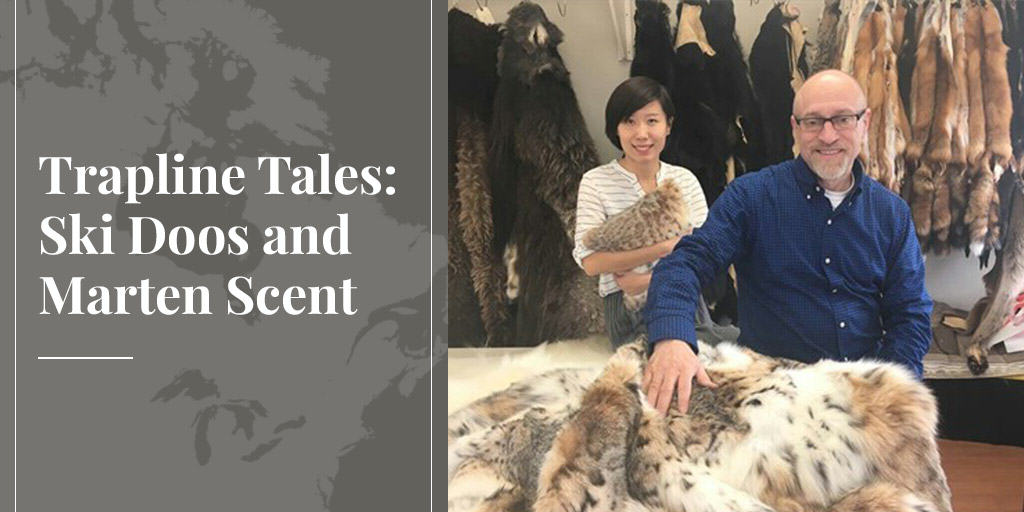
Welcome to Fur Trade Tales, our new series of real-life stories from real people of the fur trade. We kick off with our first Trapline Tales, but look out for Fur Farm Tales, Furrier Tales, and more to come. If you'd like to contribute, please let us know at [email protected]
Everyone in the fur trade has tales to tell, and I am honoured that Alan Herscovici – the creator of Truth About Fur – thinks mine are worthy of launching Trapline Tales. It’s the least I can do. Alan has devoted his working life to the trade, sometimes at great personal cost, and has been a passionate spokesperson to the media on behalf of us all. We owe him a great debt of gratitude.
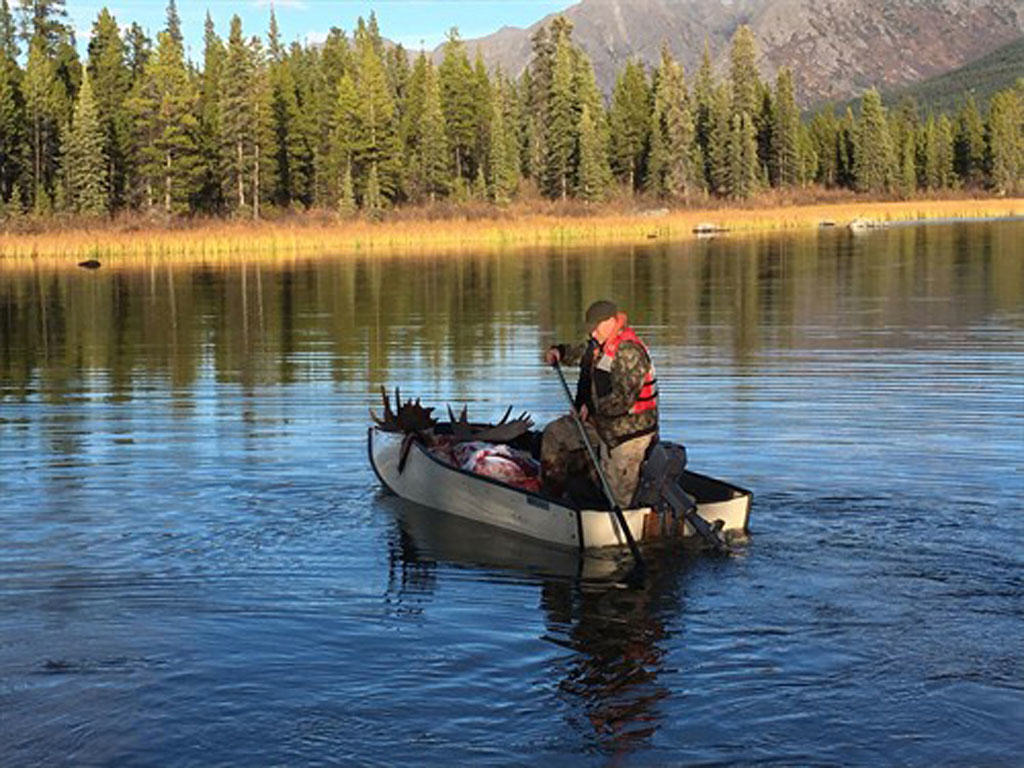
Today I run a company called Fur Canada, making a range of fur products, museum-quality taxidermy specimens, and traps, but my journey in the fur trade began long ago, in a place called the West Kootenay, in British Columbia. I grew up there in the 1960s and '70s, and it had to be the best childhood any kid could experience. With my parents and siblings, I learned the ways of living off the land. We grew every kind of vegetable, had milk cows, chickens, horses and beef cattle, and in winter I would assist my father on his fur trapline.
Snowmobiles – and a Missed Opportunity
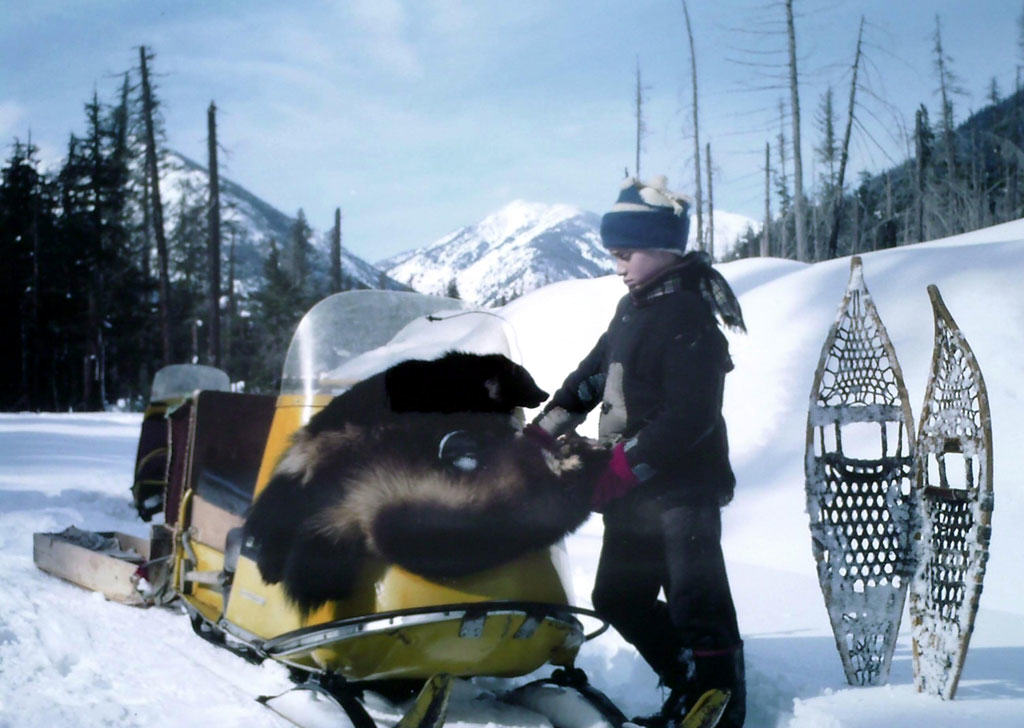
Every weekend during winter was a new experience. My father's trapline was 100 kilometres long, and it took us five years just to rotate every corner of it. In 1963, we also acquired the area's first snowmobile.
One day my mother and I were shopping in Nelson when I spotted a parked truck with two big, yellow snow-plowing machines on a trailer. "What are they?" my mother inquired of the gentleman attending them, who happened to be a distributor. He graciously explained how they worked and their advantages over snowshoeing. He called them "snowmobiles", and they were made by a Quebec company called Bombardier. She said her husband was a trapper and might be interested in one, so he followed us home. My father quickly took a liking to these machines, and since it was late, invited the gentleman to stay the night.
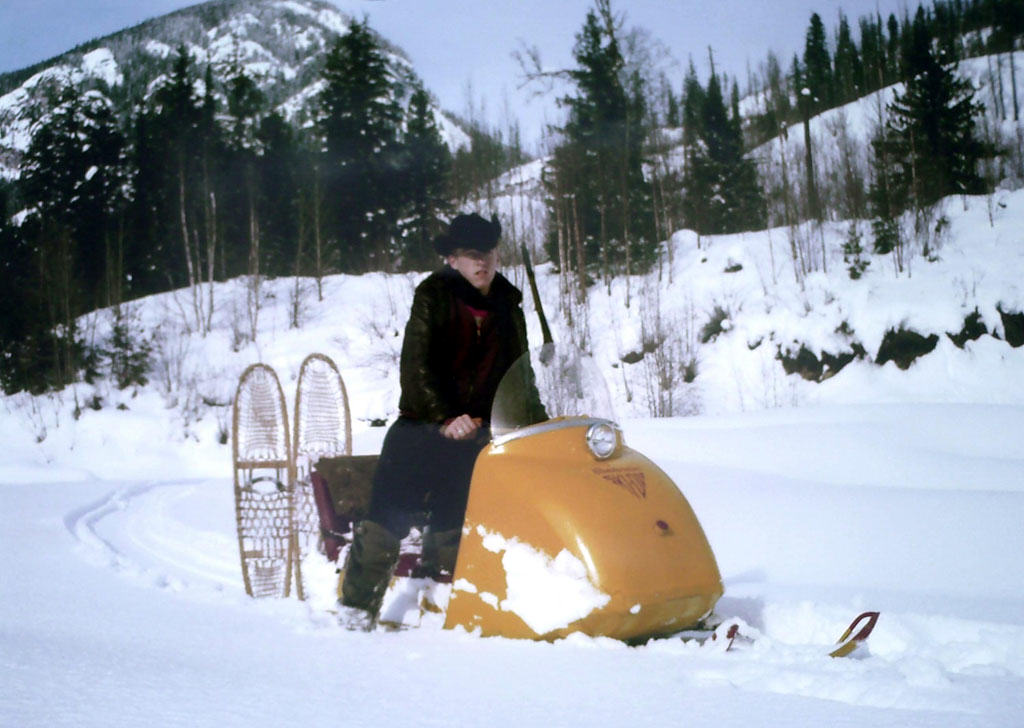
Next morning, my older brothers and father road-tested the machines, and by lunchtime the deal was made. We were the proud owners of a brand new Bombardier snowmobile! I still have it to this day, and one day will restore it to its original state.
During that winter and the next, the gentleman made follow-up visits in case repairs were needed. He was very impressed with my father and his success with the machine, because within that first winter, he had contracts with the power company and timber company to check on their power lines and spar tree equipment that was inaccessible in the back country.
On one of his visits he told my father that he was the sole distributor for Alberta and British Columbia, and the territory was now more than he could handle. Would my father like to take over the distributorship for BC? My father pondered for a moment and could only envision the excessive work ahead in promoting, selling and servicing the product during the trapping season – the most important part of the year for him. His answer was an emphatic "No!" I'm not sure he gave much thought to setting up his two teenage sons and me, then just six years old, in the snowmobile business, as fur trapping was his passion. You could say, there was a great missed opportunity for the family, as hindsight is always 20/20.
Breaking Trail
A few years later my father purchased another snowmobile. At this point Bombardier was selling them under the brand name Ski Doo, and our new Ski Doo was called an Olympic.
At 10 years old, I was operating our original Bombardier and my father ran the Olympic, because it was much bigger and heavier. We were trapping in the high Selkirk Mountains, so it was common to get 40-60 centimetres of snow in a week. He would break trail and I would follow. When the snow became too deep and the machines bogged down, out came the snowshoes and I would start breaking trail one step at a time. In that deep, fluffy snow it was difficult, so I would only go about 300 metres and return to the snowmobile. I would get it unstuck, fire it up and away I went. Straddling my freshly broken snowshoe trail, I would get the machine up to full speed until that ole Bombardier hit the virgin snow, go 20 metres and come to a stop, stuck again. Out came the snowshoes and the process started all over again.
Many a Saturdays were spent breaking trail. We would return the following day to set traps. Then a few days later return to check the traps. This kind of fun went on from December to the end of February, when the high-country trapping season ended.
Stinking Rotten Scent
In the summer there was no trapping, of course, but it was still on our minds, and one of the highlights was making call scent for marten. There were two goals. First, it should not freeze. And second, it should be a stinking rotten scent, and the hot summer weather was perfect for this.
Here's how we did it:
- Take 10-20 mink scent glands, and 10 complete beaver castor glands. Chop and mash them into a fine paste, then place in a glass gallon jar.
- Add 2 cups of herring fish roe.
- Add 1 litre of fish oil – herring or salmon works great.
- Stir ingredients until fully mixed.
- Place the jar atop the roof in full sun with a light lid cover.
- Every 30 days give ingredients a stir.
- After 90 days, remove the jar from the roof and secure with a tight lid until trapping season starts.
During the summer, our recipe would cook and percolate on the roof. It was one of those odours that had to be acquired in order to appreciate the effort that went into making this eau du toilet scent.
All trappers understood the value and creativity of such a fine call scent and its importance in trapping marten. My mother, on the other hand, did not have the same appreciation for our efforts. She had a few choice words for us during those hot spells when she was hosting summer garden parties and the marten eau du toilet scent would waft its way down from the roof top and into the party.
Parting Shots
• Shame on provincial governments! Shame on Air Canada! Canada has a free trade agreement with the USA, Mexico, Korea and others, but we don’t have free trade and free flow of goods within our own country! And can you imagine? Our national airline has an embargo on a wildlife species that the Inuit people of the Canadian Arctic legally harvest for sustenance!
• Sorry Mum! The first critters my father trapped, back in the 1920s, were skunks, when their fur was highly prized. He always joked that his wedding day, November 10, was also the first day of the skunk-trapping season. He told that joke for 72 years until he passed away on his 97th birthday. My mother did not quite see the humour. She says the joke wore off after the first five years.
• Squirrel surprise. When I was about 10, a chum and I ventured into the realm of squirrel cuisine. After hours setting up a spot in the woods, including a makeshift rotisserie, finding dry wood in three feet of snow with wet matches, smudge smoke in our eyes, wet clothes and cold feet, we were ready. We skinned and eviscerated that little critter, then stuffed it with hazelnuts and roasted it over an open fire. Surely this would be a mouth-watering meal, the best-tasting squirrel ever! Well, let's just say that it sounded better than it turned out. It was several more years before I ventured back into the fine cuisine of squirrel cooking.
SEE ALSO: Top 5 tasty furbearers: Muskrat stew and more
• Name-dropping. Among the many products my company makes are coyote fur collars for parkas, and one of our clients has an impeccable pedigree: Amundsen Sports of Norway. The name rings a bell, right? CEO Jorgen Amundsen is carrying on a family tradition of adventurers started by his great uncle, Roald Amundsen, the first man to set foot on the South Pole in 1911!
Fur-trimmed and down-filled parkas are everywhere in our cities these days, but is the coyote, fox or other fur trim…
Read More
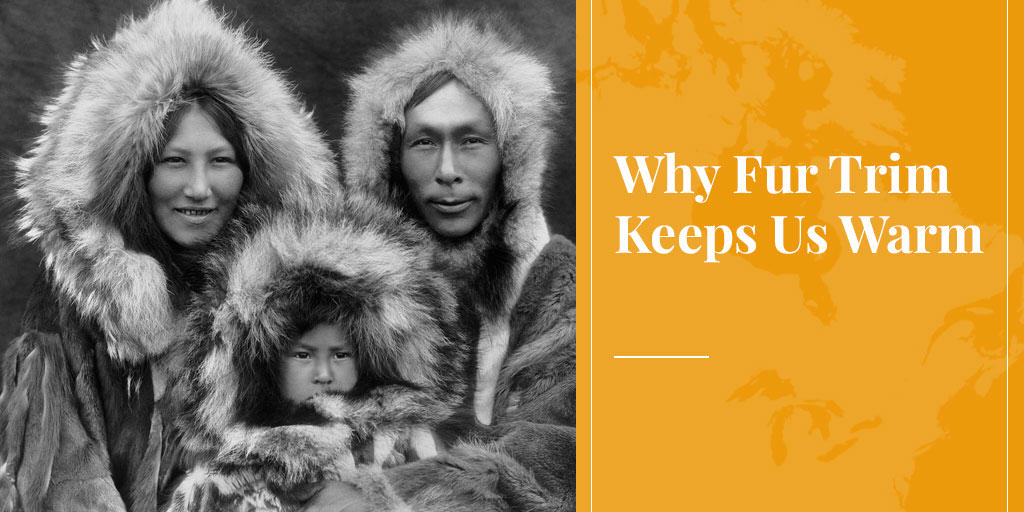
Fur-trimmed and down-filled parkas are everywhere in our cities these days, but is the coyote, fox or other fur trim on the hoods just decorative, as activists claim, or does it really help keep us warm?
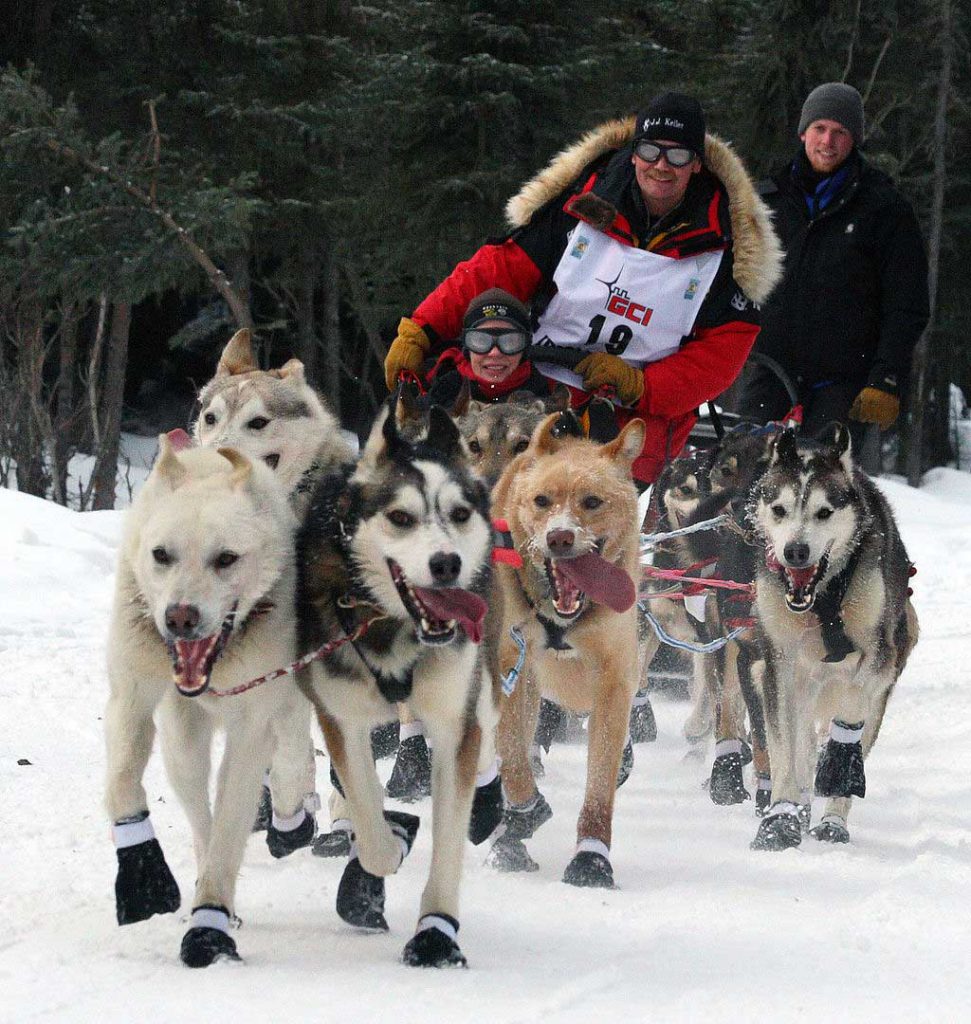
We're not all Inuit hunters, Iditarod dog mushers, or polar explorers, but we've all seen them, if only in pictures: men and women braving the elements in voluminous parkas, topped off by huge hoods with giant fur ruffs. Yet their faces are so exposed, and most of the fur trim doesn't even contact the skin, so can they really be that warm? Or are they just for show? Have faith: fashion statements are the last thing on anyone's mind when the mercury plummets and the wind picks up. Developed over millennia by the indigenous peoples of the Arctic, these ruffs work.
For most southerners, a parka hood is just about protecting the head from a bit of wind and rain. But people who work at –30°C, often for long periods, need much more. That doesn't mean bundling up like Himalayan mountaineers though, because beyond keeping warm, they also need to function effectively. Whether it's trapping, fishing, or driving a snowmobile, they want clear vision both in front and to the sides. Giant fur ruffs fit the bill perfectly.
Here are the key design features, and why they work so well:
Show Some Cheek
There are two ways your body loses heat in cold weather: conduction and convection. Conduction is not a major concern for southerners, unless we get soaked to the skin, and then our body will cool down really fast, especially if there's a wind to add convection. And so we blithely pull our hoods close around our faces, and there may even be a draw string for just this purpose.
Now try ice fishing in Nunavut – or almost anywhere in Canada, for that matter – in January, and see what happens! Your hood's fur trim is tight up against your cheeks, right next to your mouth. Each time you exhale, the moisture in your breath forms ice on the fur. And since ice is a far better conductor of heat than air, your fur trim, far from keeping you warm, becomes a very efficient conductor of heat away from your face. Next thing you know, you've got frostbite.
Real polar ruffs greatly reduce this ice formation. The fur trim is still tight up against the face, but contact is made behind the cheekbones. Hence the exposed face we talked about.
SEE ALSO: Amazing facts about fur: Dressing for the Arctic
Think Big
You also want your hood's fur ruff to be large. Your traditional caribou or seal skin parka is already bulky, so top it off with the lion-meets-angry-frilled-necked-lizard look! The most spectacular of all ruffs, a “sunburst" ruff, can measure three times the diameter of the wearer’s head!
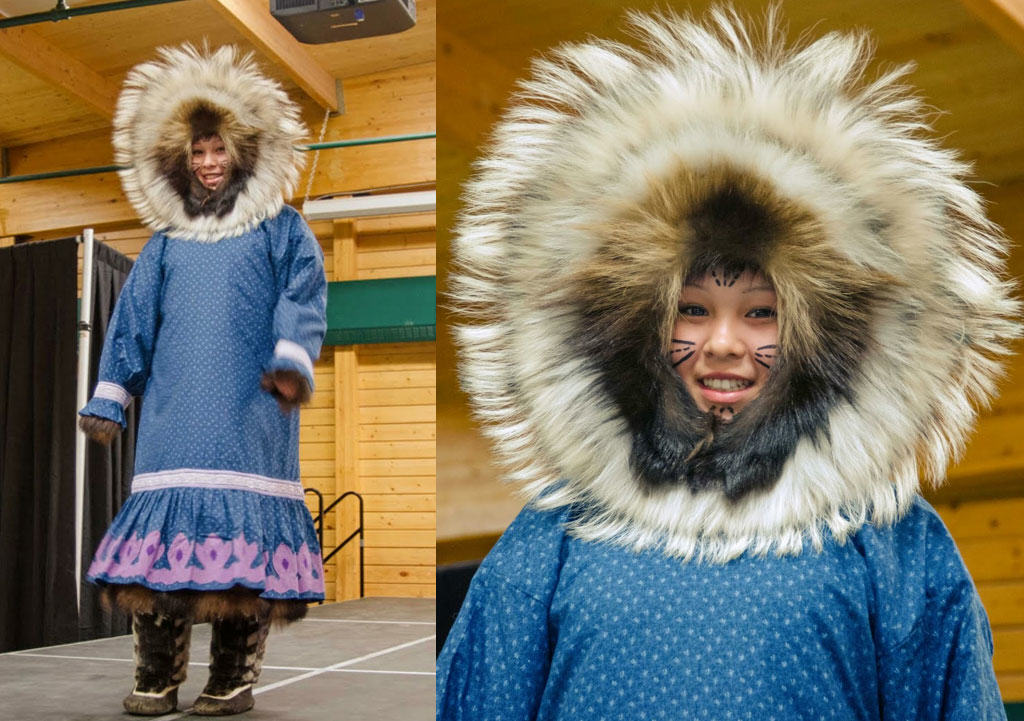
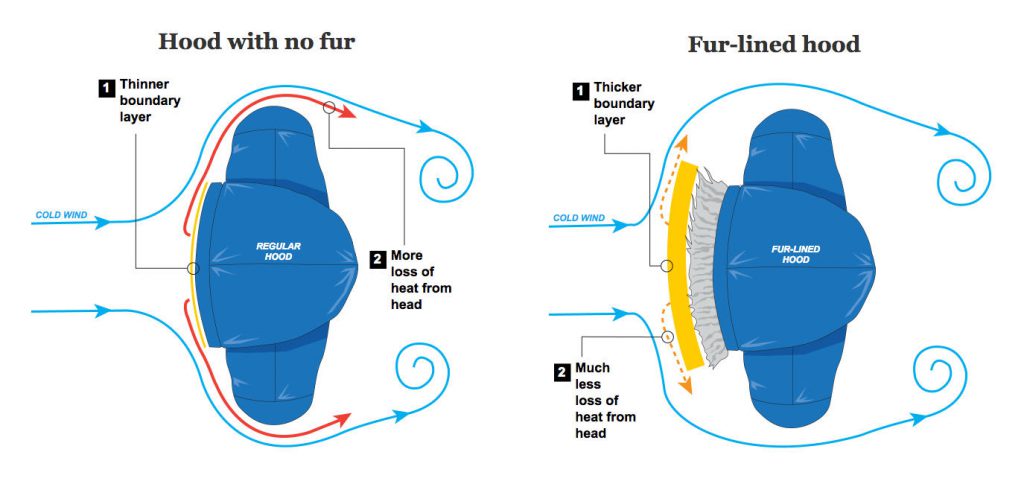
Wind removes heat from your face by convection, and the faster it blows, the more heat it removes. But when the wind hits a solid object, a boundary layer is created in front of the object, inside which the wind slows down. The larger the object, the thicker and more insulating the boundary layer. Ergo, the greater the diameter of your fur ruff, the warmer you'll be.
This has long been intuitive to Inuit designers, and in fact to all of us. It's the reason why, when we face into a gale with a wall at our backs, the wind speed is much less than if we're standing in the open. The wall has created a boundary layer.
In 2004, a research team from the universities of Michigan, Washington and Manitoba quantified this boundary layer effect using a heated model of a human head, thermocouples, a wind tunnel, and a variety of hoods. As expected, the most effective hood by far in slowing heat loss had a sunburst ruff. It was particularly superior to other hoods when the wind was at a high yaw angle to the model's face, i.e., blowing from the side.
(For an excellent graphic showing how a fur ruff creates a boundary layer, see "Why fur-lined hoods are so warm," Chicago Tribune.)
Varying Hair Lengths
The Inuit have also long understood that fur trim works best when the hairs are of varying lengths. This is naturally the case when traditional furs such as arctic fox, wolf, or wolverine are used, since they have long guard hairs and short underfur, and different parts of the pelt are different lengths. Coyote and fox also have these qualities and are more commonly available on modern parkas. The effect can be enhanced further by using two types of fur within one ruff.
The same 2004 research team sought to quantify this also, comparing the sunburst ruff with a "military hood" with short-haired fur of uniform length. Once again the sunburst ruff came out top, with the researchers concluding that a variety of hair lengths disrupts the wind flow more and thereby helps build an effective boundary layer.
One comparison not made by the researchers was between real fur trim and fake fur, but since fake fur hairs are uniform in length, the conclusion is unavoidable that fake fur trim can't compete with the real deal.
That aside, their conclusion was unequivocal: "The present experiments clearly demonstrate the superiority of the sunburst fur ruff configuration for all wind velocities and yaw angles tested. ... The sunburst fur ruff design is truly a remarkable 'time-tested' design."

Southerners Take Heart
The good news for everyone living south of the Arctic Circle is that we can all benefit from this "time-tested" design – perhaps just scaling it down a bit. Caribou or seal skin parkas are overkill for most of us, not to mention the stares they'd attract. But we can easily fit ourselves out with a down-filled hood with real fur trim that's plenty big enough.
The most popular fur for ruffs these days is coyote, which not only keeps us warm, but also dovetails with the need to manage a growing coyote population across North America. Fox can also be effective.
SEE ALSO: Abundant furbearers: An environmental success story
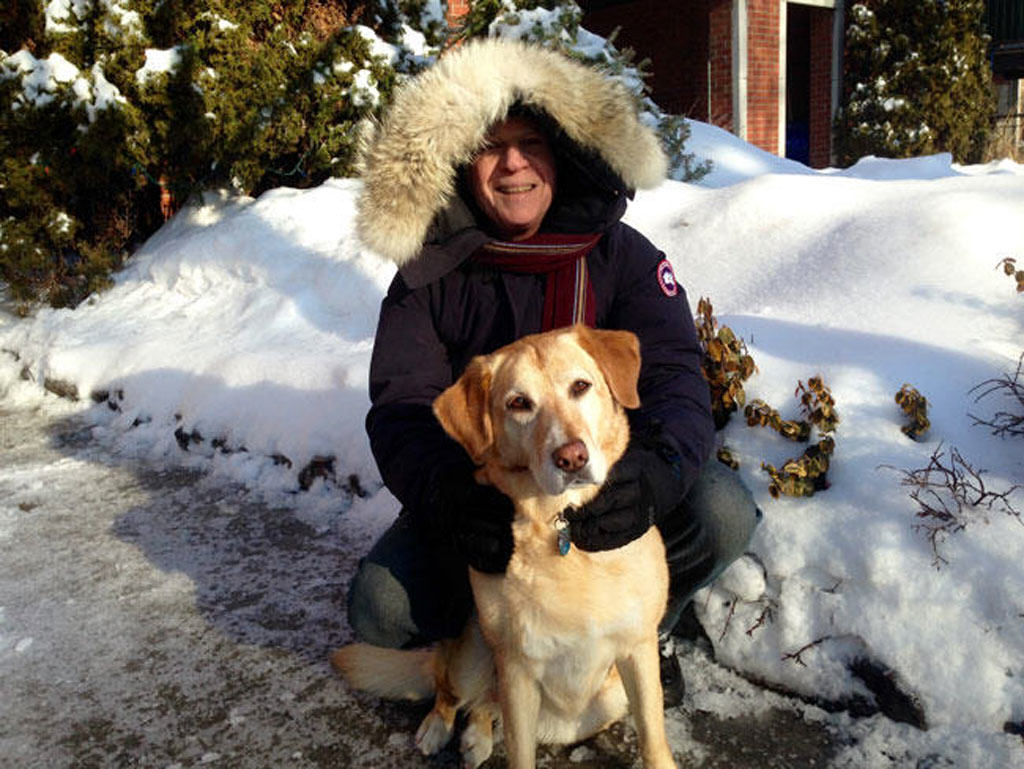
Truth About Fur's Alan Herscovici lives in Montreal, currently blanketed in snow, where temperatures in January average about -10°C, but have risen no higher than -20°C for much of this winter. With wind chill, it can feel like -30°C.
"Call us 'southerners' if you want, but there are days I feel like Nanook of the North," says Alan. "The coyote ruff on my parka has proven its worth this winter!"
***
To learn more about donating to Truth About Fur, click here.
Reflections on the Morality of Using Fur, Inspired by Handel’s Messiah
by Alan Herscovici, Senior Researcher, Truth About FurAnimal-rights activists argue that we are not morally justified to kill animals for any purpose, and certainly not for products…
Read More
Animal-rights activists argue that we are not morally justified to kill animals for any purpose, and certainly not for products they consider to be non-essential, such as fur. But this view of morality may say more about the activists' understanding of society, of nature and of their own unique place within the big scheme of things than it does about people who produce or wear fur.
This thought came to me just before Christmas during a moving performance of Handel’s Messiah, by Montreal’s Metropolitan Orchestra and Choir with star conductor Yannick Nézet-Séguin. Handel’s magnificent oratorio was premiered in Dublin, in 1742, under the direction of the composer; the beautiful libretto by Charles Jennens (1700-1773) is drawn from Old and New Testament texts.
"All we like sheep have gone astray;
We have turned every one to his own way."
– Isaiah 53:6 (from libretto of Handel’s Messiah)
The music is transcendental, but my thoughts returned to more earthly matters as the choir sang the verse: "... we have turned every one to his own way." Nine words that neatly sum up the guiding philosophy of modern Western society.
Don’t get me wrong: I am not romanticizing the time when the individual was required – often ruthlessly – to conform to the demands of family, clan, nation or religion. But the fact is that we, in our privileged Western societies, have ventured into uncharted waters: for the first time in human history, individual freedom and personal fulfilment are widely considered to be the most important goals, the ultimate "good".
We no longer accept that our marriage partners be chosen by our families, or that what we eat and how we behave be dictated by tradition or a parish priest. Today, each of us claims the right to make our own decisions. The individual is king.
What does this have to do with the radical shift in thinking proposed by animal-rights philosophers? Maybe a lot. Because, above all, believers in animal rights assert that the rights of each animal must be recognised as inviolable. It is the individual animal, not the population or species that is important, according to this view. And this has far-reaching implications. Let’s see how.
Livestock and Humans Depend on Each Other
Most of us believe that humans have a right to use animals for food and other purposes, so long as animal populations are not diminished and species are not endangered. This is known as “sustainable use”. In other words, we eat chickens, but we don’t eat them all. Individual chickens are killed and eaten by individual humans – who will, in turn, one day themselves be eaten by worms, bacteria and other organisms – but both chickens and humans continue. In fact, with North Americans annually consuming some three billion chickens, and billions more eggs, one could argue that both chickens and humans are now very dependent on each other for survival.
A concern for animal welfare complements and deepens our sustainable-use values by acknowledging the individuals involved in this species-level symbiosis. The fact that individual animals die to provide for our needs implies, we believe, a responsibility to protect these animals from unnecessary suffering. In this sense, “animal welfare” seeks to balance the interests of groups and individuals.
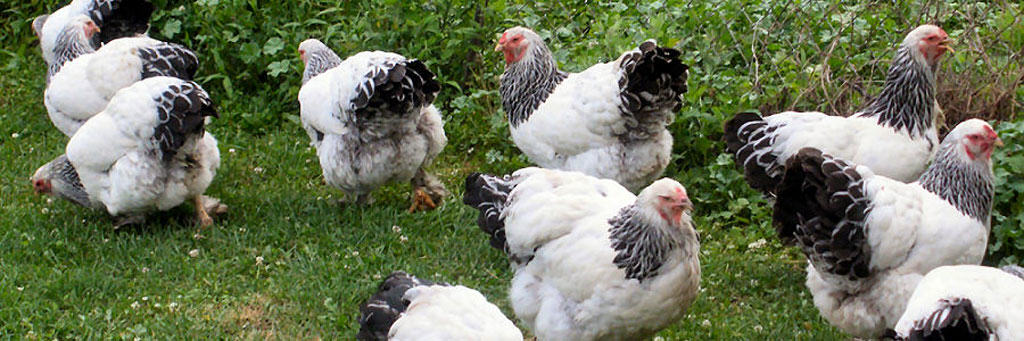
The animal-rights philosophy, however, makes a quantum leap: the interests of individual animals are suddenly all that matter. According to animal-rights theorists, the individual chicken’s will-to-life is morally non-negotiable and irrevocable, no matter how useful their proteins may be for the health and well-being of humans – or, for that matter, for the survival of chickendom.
In other words, the animal-rights doctrine perfectly reflects our celebration of the individual in modern Western societies. And perhaps this explains, at least in part, why the animal-rights philosophy has considerable appeal in Western societies, especially among younger people.
Of course, our glorification of the individual is far from universal. Even today, most people live in societies where the individual has less autonomy, where their dependence on the group is more explicit. The moral force or “truth” of animal-rights arguments probably seem less evident in such societies.
And isn’t the dependence of the individual on the group a fundamental reality in all human societies? We live in cities, speak languages, use technologies, and have our spirits lifted by music that were all created by others, often people who are no longer with us.
Rights Not Rooted in Nature
A more profound challenge to the “truth” of the animal-rights philosophy comes from the fact that nature doesn’t show much consideration for individuals. In nature, individuals are short-lived and expendable; it is populations and species that continue.
This ecological truth does not diminish the importance of respecting human rights, but it reminds us that such rights are not rooted in nature or universal truth; they are created by human societies.
What is rooted in nature, however, is the dependence of all animals on other species – especially for food. Like it or not, only the living cells of other organisms can provide us with sustenance. No philosopher or activist can change this fundamental fact of our existence.
Nature is not moral or immoral, it just is. But humans do develop codes of morality, precisely because we live in groups and need each other. Without moral codes we would indeed be lost sheep. But if the animal-rights insistence on each animal’s irrevocable right-to-life is not defensible, what moral code regulates our use of animals?
Our Morality Towards Animals
When it comes to our relationship with animals, our moral code includes four main precepts. Two have already been mentioned: we should use only part of the surpluses that nature provides (“sustainability”), and we should protect the animals we use from unnecessary suffering (“animal welfare”). The other two moral precepts governing our relationship with animals are that we should not use animals for frivolous purposes (“important use”), and we should use as much of the animal as possible (“no waste”).
SEE ALSO: Why fur is the ethical clothing choice.
As I have explained in a previous article, the modern fur trade does respect all four of these important moral precepts. The use of fur, when it is responsibly and sustainably produced as it is today, is indeed morally justifiable, because it balances the needs of species and individuals in a way that is consistent with the way our world really works.
It is animal activists who are lost, who “have turned every one to his own way”, because their fundamentalist philosophy considers only the individual. In fact, as the great humanitarian and animal lover Albert Schweitzer once wrote: insisting that we harm no other life is not a solution to the moral problem that living beings kill and eat each other to survive – it is pretending that there is no problem.
December Fur News: the Truth About Sheep Fur and Farmers Speaking Up
by Truth About Fur, voice of the North American fur tradeIt’s our first news roundup of 2018 so let’s review the fur headlines from December, including stories about sheep fur,…
Read More
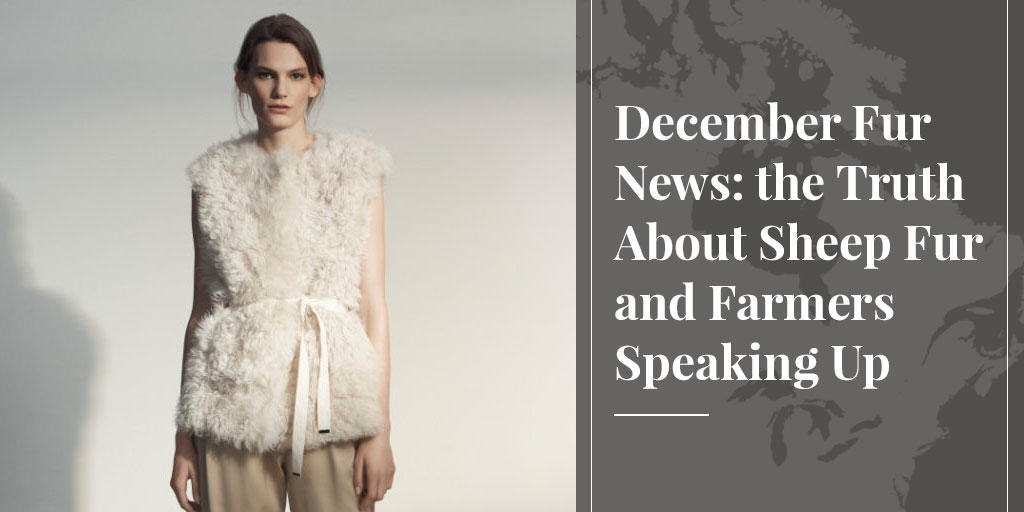
It's our first news roundup of 2018 so let's review the fur headlines from December, including stories about sheep fur, farmers speaking up, and activists up to no good.
Let's start with fashion. December saw the showing of the Pre-Fall 2018 collections, which were jam-packed with fur, and proof that Gucci and Michael Kors' announcements are not a trend that is industry-wide. China has a huge appetite for the luxury material and we are seeing pro-fur stories in the fashion media and in opinion pieces. Whether you are looking for a fur coat, a trapper hat, or fur slides, there's something for everyone.
But the fashion media aren't all fur-savvy. A Vogue writer, Emily Farra, thought that sheepskin did not require the animals' pelts, so we decided to write up a piece about sheep fur. Also known as sheepskin or shearling, sheep fur is not wool, and uses the animals' skin and hair. Pamela Anderson is one of many people who didn't realise that sheepskin actually used sheep's skin, and now she is busy campaigning to get the Kardashians to give up fur. We are sure they will be willing to do it, for an hour or so.
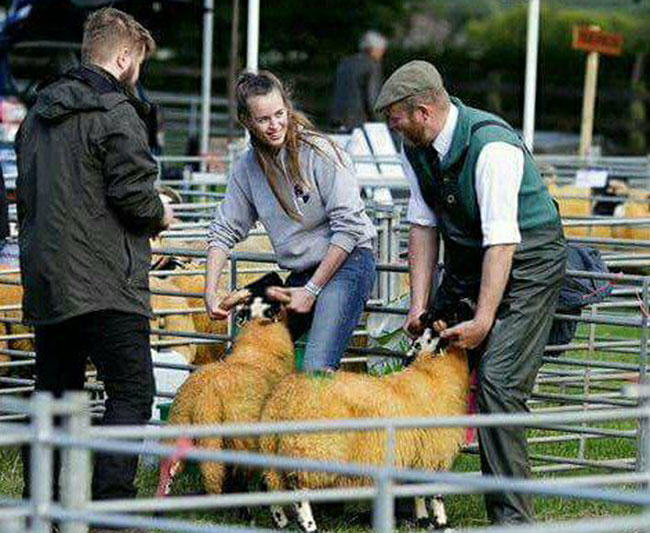
The confusion about sheepskin and sheep fur raises questions about how far removed people are from animal husbandry and how farming works. An article entitled "The gulf between farmers and the people they feed is getting dangerously wide" is an excellent piece exploring this very concept – which has wide repercussions given that we all depend on farming for survival. This young British farmer has been very vocal about the fact that farmers "will always be here.(pictured)" And right she is, farming is such an important industry and animal rights activists have very little understanding of how it works. Speaking of how farming works, we loved this article about how mink farmers are using manure as biofuel.
Positive Trapping Stories
Farmers and trappers don't often work side by side, but here's an example of how farmers are trying to preserve a trapping programme, in order to protect their livestock. It's one of many positive trapping stories from last month, including this feature on a passionate trapper, this article about how it is great to be in the woods, and this piece that breaks down the misconceptions of trapping. On the news front, we were happy to hear that wild fur buyers in Nebraska have been busy, people are waking up to the opportunities of nutria, and the Thompson fur table is doing a bustling trade.

There's less good news from the protest front lines. This Mother Jones piece exposes how activists are willing to take more risks to push their agendas. From death threats to homesteaders, startling ponies carrying children, declaring war on macaroni and cheese, and threatening hunters, it is clear they will stop at nothing to fight their often ridiculous and hypocritical causes. We highlighted some of this hypocrisy in a recent blog post, where we explained that being anti-fur and anti-pipeline (pictured) is actually quite contradictory. But despite their threats, their inability to distinguish between sheep fur and wool, or their ridiculous hunger strikes, people are beginning to question whether animal rights are unconstitutional, and if veganism is culturally insensitive.
Let's end December's roundup with a few stories that caught our attention last month:
The Russians are doing it better - at least when it comes to fur education for kids.
Sea Shepherd have given up fighting the Japanese whalers.
If you are disposing of a Christmas tree this week, pat yourself on the back. Like fur, it is way better to shop real than fake.
And grocery shopping can be more dangerous than you think. (pictured)
It’s Christmas time so, for a change of pace, let’s wander off the topic of fur, and on to Christmas…
Read More
It’s Christmas time so, for a change of pace, let’s wander off the topic of fur, and on to Christmas trees. So which are best for the environment, real trees or fake trees? You may find some of the arguments familiar!
We are flies on the wall at the dairy farm of Fred and Mary in upstate New York, where son Nick is visiting for the festive season along with his wife, Nancy. Since Nick grew up on the farm, he knows all about milking and mucking out, but Nancy is a city girl from Rochester, where she works as a personal lifestyle coach.
“A what?” Fred and Mary had asked the first time they’d met Nancy. In the years since, good-natured goading had become a part of Christmas family tradition, but it was always a two-way street because Nancy’s knowledge of nature was as pitiful as Fred and Mary’s knowledge of city life.
“Why must your cows be pregnant when you’re just using them for milk?” she’d asked one year. “And how is it even possible? They’re all female!”
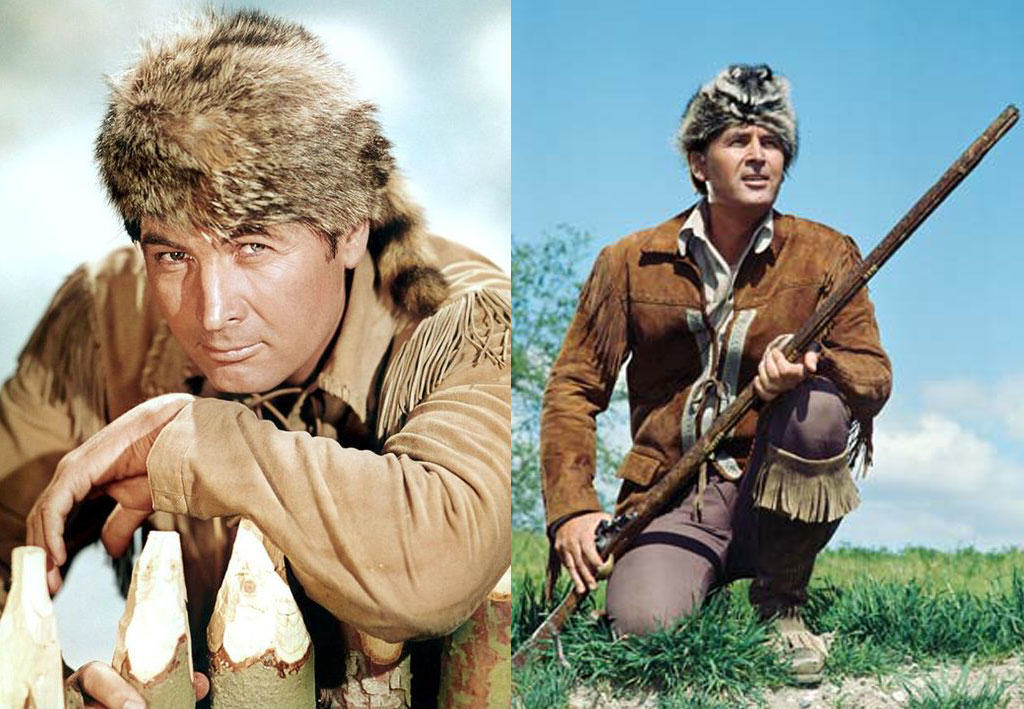
This year, with a couple of days to go to Christmas, they all climbed in Fred’s truck to see a friend who had a beautiful tree picked out for them. In the back seat, Nancy lovingly caressed her early gift from Nick, a big, bouncy, faux fur fox hat. Behind the wheel, Fred proudly wore his Daniel Boone hat, made by a local artisan from a roadkill raccoon Nick had run over.
“Faux? That means fake, right? Plastic?” Fred asked Nancy, knowing perfectly well what it meant. “Well at least it hasn’t got rabies!” Nancy shot back, pointing at Fred’s head. “For the umpteenth time, my hat does not have rabies!” Fred began, before Mary intervened. “You both look lovely!” she pleaded.
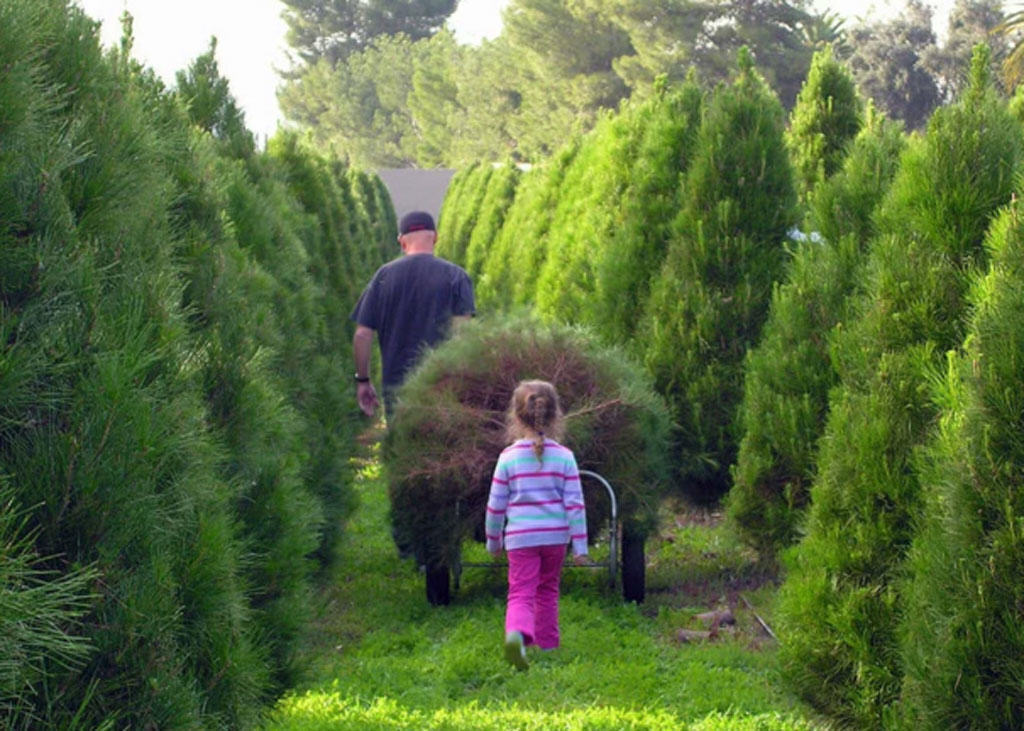
Shortly after, they were headed home with a spectacular nine-foot spruce hanging off the flatbed. Fred and Mary were beaming, while Nick looked anxiously at his wife. She was bursting to say something!
“Poor tree,” she muttered, and Fred eased off the gas. “Come again?” he said. “Uh oh,” said Mary and Nick.
“Why can’t you just get an artificial tree?” said Nancy. “You know, save the planet?”
Fred stroked the tail of his raccoon hat meaningfully.
“If everyone bought a real tree,” continued Nancy, “soon there wouldn’t be any left – like what’s happening in the Amazon.”
“Seriously?” responded Fred. “That’s like saying we’ll run out of carrots if too many people eat them. That was a farm we just visited, and each year my friend plants saplings to replace the ones he’s sold. His family’s been doing it for forty years, and they’ve got more trees now than when they started! Some trees do come from forests, but even those are managed so they don’t run out.”
“But why take the chance?” said Nancy. “If we need more artificial trees, we just make more. They’ll never run out.”
“Never? It’ll take a long time,” conceded Fred. “But most fake trees are made of PVC, and one of the ingredients for making PVC is oil. That’s a non-renewable resource. So if anything won’t run out, it’s real trees.”
Nancy rallied fast. “But real trees are so wasteful. After just a few weeks you’ll throw yours in the garbage, while mine will last for years.”
“Actually, we use our trees for all sorts of things,” explained Fred. “Mary puts the branches on the flower beds to insulate the plants against frost. I chop up the trunks for firewood. And there’s a truck that collects them too, and puts them in the chipper to make mulch for the parks. And even if they just get tossed on the garden, they just become worm food. Like you say, PVC trees will last for years, but they’ll still end up in landfills, polluting groundwater for the next thousand years.”
“Heh, artificial trees can be recycled too!” said Nancy.
“That’s true. PVC is easy to recycle once or twice,” conceded Fred, “but it weakens with time and most still ends up in landfills, and it doesn’t biodegrade – it doesn’t become worm food. A lot is also mixed in with household waste and is incinerated to produce electricity, but that releases harmful dioxins into the atmosphere.”
SEE ALSO: Santa wears fur "from his head head to his foot"
Carbon-Neutral Purchase
“In fact,” he continued, “since we’re on the subject of pollution, greenhouse gases are emitted during the making of fake trees, but buying a Christmas tree from a farm is a carbon-neutral purchase.”
“A what?” spluttered Nancy.
Nick took pity on her. “Trees sequester carbon dioxide, right? They absorb it and store it. Now carbon dioxide is a greenhouse gas, and if we cut down all the trees, it would be released back into the atmosphere, worsening global warming. But each time a farm cuts down one tree, it replaces it with another, so on balance, no carbon dioxide is released into the air. So it’s a carbon-neutral purchase.”
Nancy glared at him. “How about a divorce? Is that carbon-neutral?” Nick stifled the urge to laugh. “Sorry, dear. I’ll be quiet.”

“So how about all those people driving out to tree farms in their gas-guzzling trucks to buy their trees?” asked Nancy. “Or are they all driving Teslas? I don’t think so!”
“Nancy dear, they don’t drive Teslas when they go to the mall to buy a fake tree either,” interjected Mary in her best peacemaker tone. “More importantly, real trees are farmed close to consumers, while your fake tree probably came all the way from China. So the greenhouse gases involved in shipping fake trees are much higher. Right, Fred?”
Fred grunted, sensing he’d said enough.
“Well, how about the cost to you personally?” Nancy asked Mary, mimicking her sweet tone. “Each year, you spend $100 on a tree that lasts a few weeks. I bought mine for a little more, but it’ll last for 20 years.”
“Bingo!” said Fred, unable to keep his mouth shut. “And that’s the only reason for buying a fake tree. It’s cheap. But in the long term, there’s a price we all have to pay. Real trees are sustainably produced and don’t harm the environment. But fake trees are unsustainable and polluting.”
“Stop the car, Dad! Dead raccoon!” shouted Nick suddenly. “Are you sure you don’t want a hat like Dad’s, Nancy?”
In the fur trade we see all kinds of hypocrisy from our critics, and one that we see regularly is…
Read More
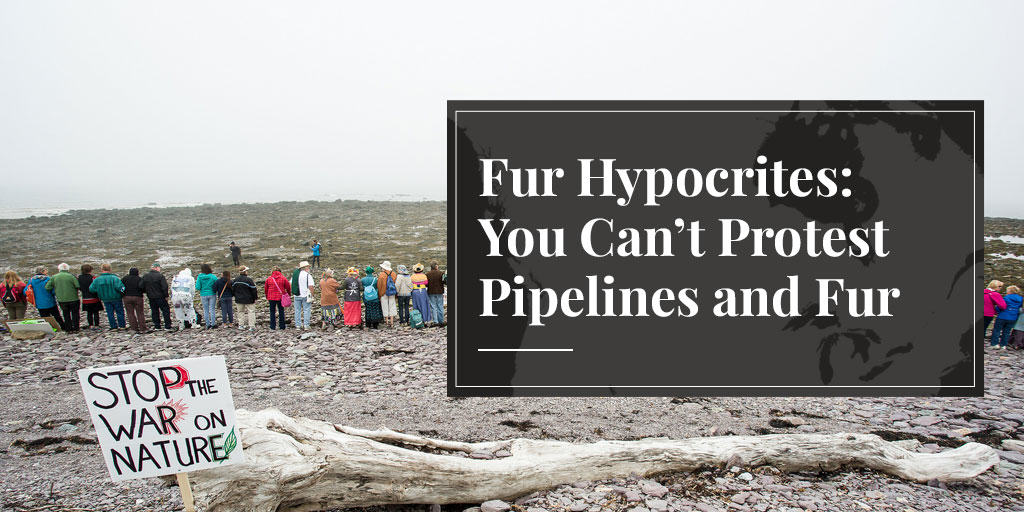
In the fur trade we see all kinds of hypocrisy from our critics, and one that we see regularly is people who protest pipelines and also protest fur.
If you live in a country that has a real winter, you’ll need winter clothing for survival. There are really only two types of material suitable for winter clothing: animal based materials (such as fur, leather, shearling, wool, and cashmere) and synthetics. Anyone who is against fur is presumably against the use of other animal materials (if not, you are really not thinking very clearly, but that’s a story for another day), but anyone who is against pipelines should presumably be against synthetics, because most synthetics are made from petroleum by-products.
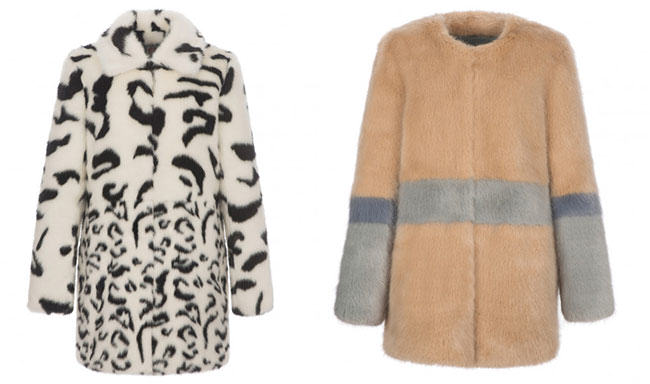
So why do we constantly hear the animal activists touting the benefits of fake fur as an alternative to the real thing? That’s a question we just can’t answer. We frequently run across anti-fur folk who promote synthetic alternatives, yet are against pipelines. Maybe someone needs to tell them that those pipelines are needed to produce the plastic clothing they want us all to wear. Most people protest pipelines because they want to protect pristine nature. So wouldn't it make sense that these people would also be against wearing clothing made from petroleum by-products, which, we are now learning, pollutes our air and water with micro-particles of plastic when washed, and then sits in a landfill for a thousand years when discarded?
SEE ALSO: Hypocrite profile: Stella McCartney
We are in a fragile situation right now on the planet – rising temperatures, oceans accumulating plastic, and a dependence on non-renewable energy. A life without fossil fuels in the near future is going to be close to impossible, but we should be looking at reducing our consumption of them. Petroleum is not easy to extract, it’s not good for the environment, and it is not renewable. Solar power, wind farms, and electric cars are all helping us move away from the use of petroleum, but this will take time. Meanwhile, though it is hard to give up on gas or certain plastics, we can easily reduce our consumption of some petroleum-based products: notably, single-use plastics (water bottles – I’m talking to you) and synthetic clothing.

Yet we hardly hear about reduction of synthetic fibres as a viable way to reduce our dependence on petroleum products and the pollution these materials cause. And this is surprising – given that there are many animal and plant-based alternatives to synthetic fabrics that are as viable and useful as synthetics. No fabric is perfect, and everything requires energy to produce, but the materials that are sustainable, long-lasting, and biodegradable should always be the first choice. Imagine how dramatically our consumption of plastic clothing would decrease if we all pledged to wear clothing items for five years instead of one. Not only would we buy less, but we would probably buy better quality (and therefore less synthetics) in order to ensure that the garments lasted longer.
SEE ALSO: Hypocrite profile: Ricky Gervais
It’s easier to choose a leather shoe over a synthetic one, than it is to find an airline that will fly you to your holiday destination in an electric plane. And while the effect of plastic clothing may not be the most hurtful to the environment (compared with cars and industrial pollution), the damage is nonetheless scary. Microplastic particles are now being found in our food, water, and air – and the culprit is often synthetic clothing. Next time you eat an oyster burger washed down with a pint of your favourite local ale, keep in mind that you are getting a side dish of plastic particles, free of charge.

It doesn't make sense to protest pipelines and be against the use of animal products in clothing. If you are concerned about the planet and our consumption, then by all means let’s try and reduce our dependence on fossil fuels and let’s encourage more renewable forms of energy. But if that’s your stance, then your wardrobe had better reflect that as well. If you are aiming to live an environmentally conscious life, then your wardrobe should include clothing made from plant-based materials and animal products, produced sustainably and ethically, made to last, and when they find themselves ready for the landfill, your wardrobe should biodegrade and return into the cycle of nature.
SEE ALSO: Hypocrite profile: Pink
But if you choose to protest pipelines while wearing synthetic clothing made from petroleum co-products, you may find yourself in a conflicting position (read: you are a hypocrite.) Fur is a natural, renewable resource and fur clothing is warm, long lasting, and biodegradable. A synthetic fleece jacket made from petroleum co-products releases plastic particles into the water and the air every time you wash and dry it, and will end up in a landfill for thousands of years, never able to fully biodegrade. How many 30-year-old fleece jackets do you find being handed down from one generation to the next? Not many. But you might find me on my way to protest pipelines wearing the 40-year-old muskrat coat my grandmother gave me a few years ago.
Something that keeps writers like me employed is that no matter how good we are at spreading the truth, when…
Read More
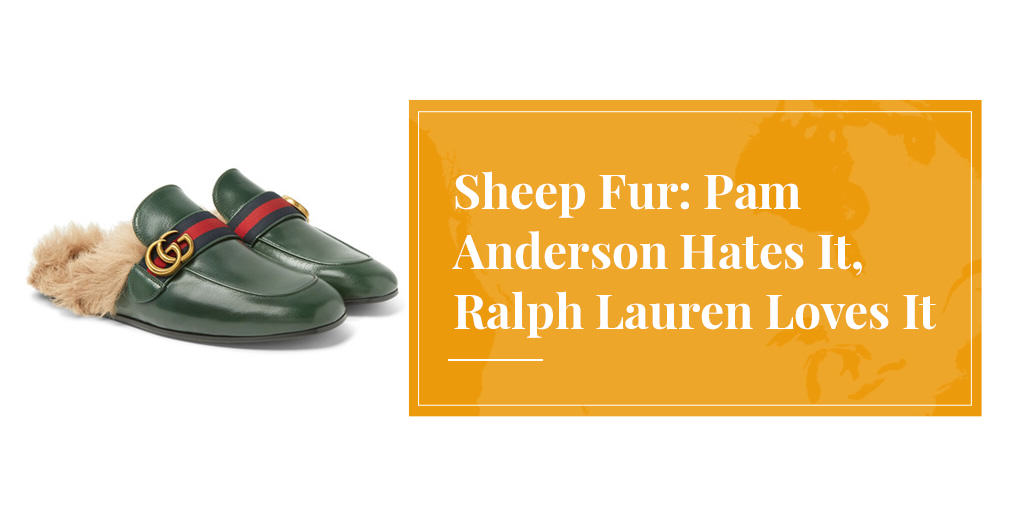
Something that keeps writers like me employed is that no matter how good we are at spreading the truth, when the next generation comes along there are things we have to teach all over again. Such is the case with the clothing material popularly known as sheepskin, lambskin or shearling. And the lesson that needs constant repetition is that it is not wool, it is sheep fur, and animals die to produce it.
In defence of those who find this confusing, it's true that the word "fur" is popularly used to mean the skin and hair (or pelt) of particular types of animal, like mink or fox. But in fact, every hairy animal can provide fur, including sheep, which do so in vast amounts. We just don't call it fur. Sheep fur is variously called sheepskin or lambskin, while the fur of a sheep which has been recently sheared is called shearling.
And just for total clarity, when we use sheep hair without the skin attached, it's called wool, and no animals are killed to produce it.
In the context of the great fur debate, these are important distinctions because many people are wearing fur without even knowing it, including some people who should know better.
Pam's Ugg Boots
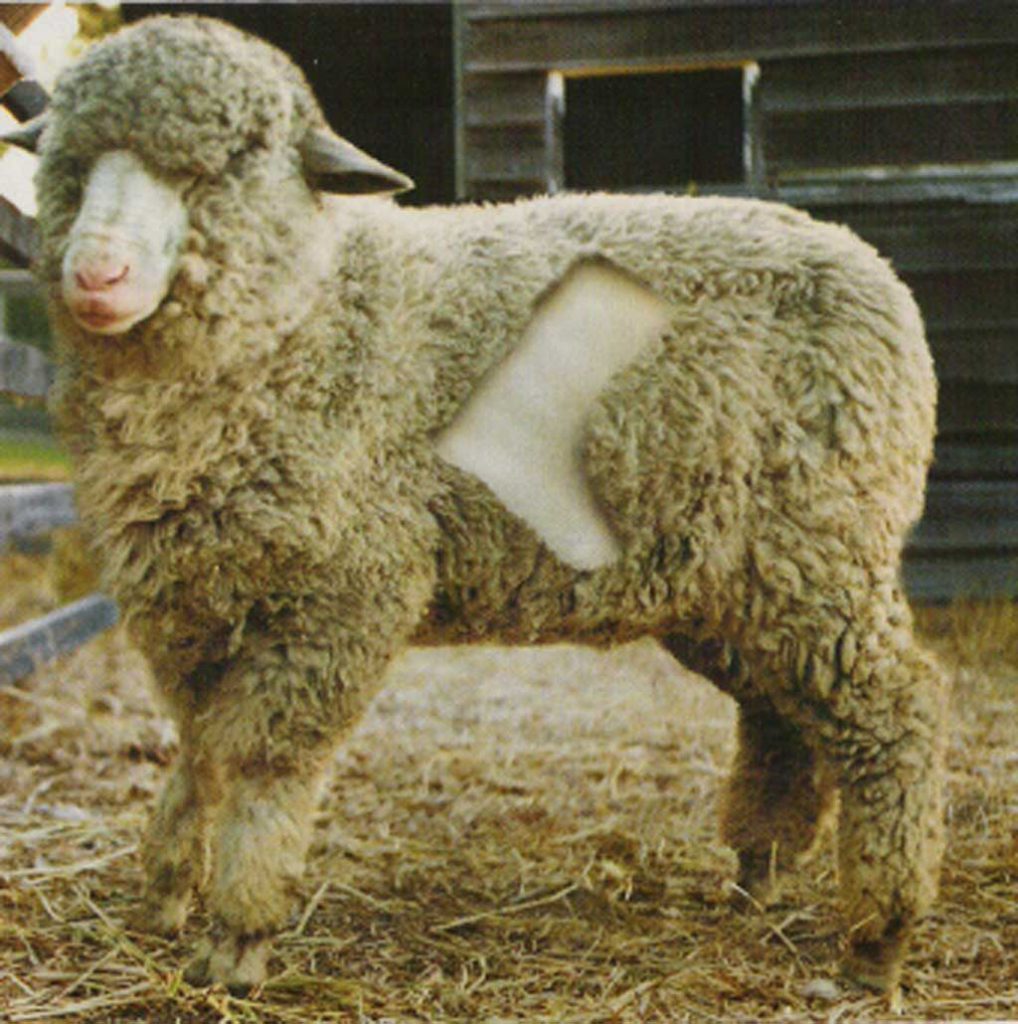
The most memorable case of someone not being able to put two and two together was Pamela Anderson. During her Baywatch days, she almost single-handedly turned Ugg sheepskin boots into a major fashion trend. She then took up the cudgels for PETA, campaigning against the practice of mulesing sheep while still wearing her trademark Uggs.
For some unknown reason, PETA decided not to tell Pam what Uggs were made of, but finally the penny dropped. "I'm getting rid of my Uggs," she wrote on her website in 2007. "I feel so guilty for that craze being started around my Baywatch days. I used to wear them with my red swim suit to keep warm never realizing that they were SKIN! I thought they were shaved kindly. People like to tell me all the time that I started that trend - yikes!"
"It's Clear It's Sheep's Wool" – Vogue
But the point here is not just to have a laugh at Pam's expense. She is a high-profile example of a pervasive ignorance found not only among the general public but even in the world of fashion.
This November, Vogue (UK) interviewed Gucci's new handler, the Humane Society of the US, about the brand's decision to go "fur-free". As we shall see, there's cause for scepticism when brands like Gucci, which use a lot of shearling, make this claim. Will they be dropping all furs, including sheep fur, or just the mink and fox?
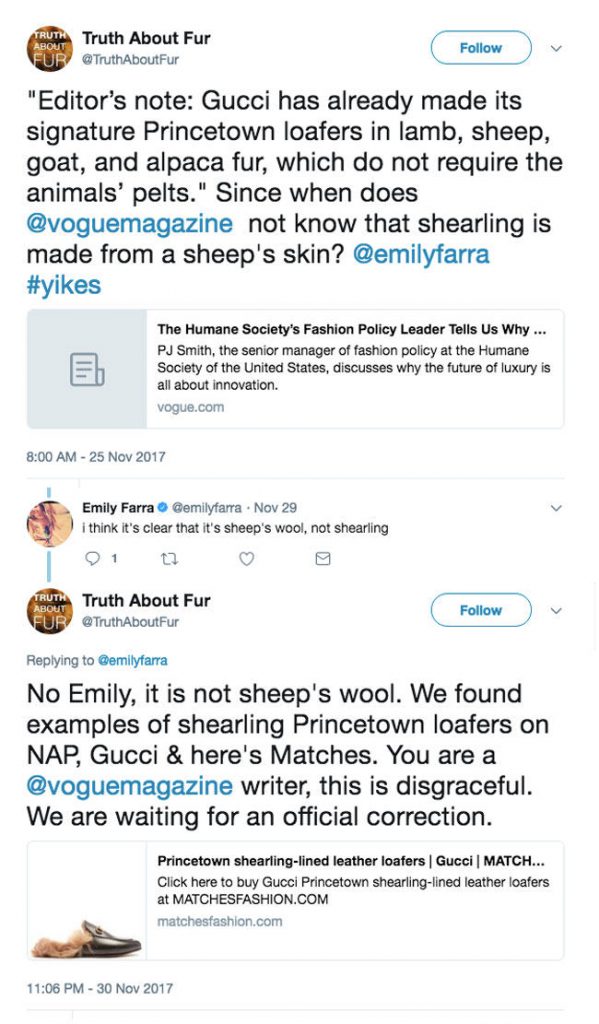
Never fear, reported Vogue's interviewer, Emily Farra; Gucci had all the bases covered. "Gucci has already made its signature Princetown loafers in lamb, sheep, goat, and alpaca fur, which do not require the animals’ pelts," she wrote. Really? What is "alpaca fur" if it's not a pelt? More significantly, Gucci is quite open about its sheep-based Princetown loafers being lined with shearling, and, yes, that means the whole pelt – skin and hair.
We called out Ms. Farra on Twitter, but she refused to see the light ...
Animal Rights Groups, Designer Brands Conspiracy
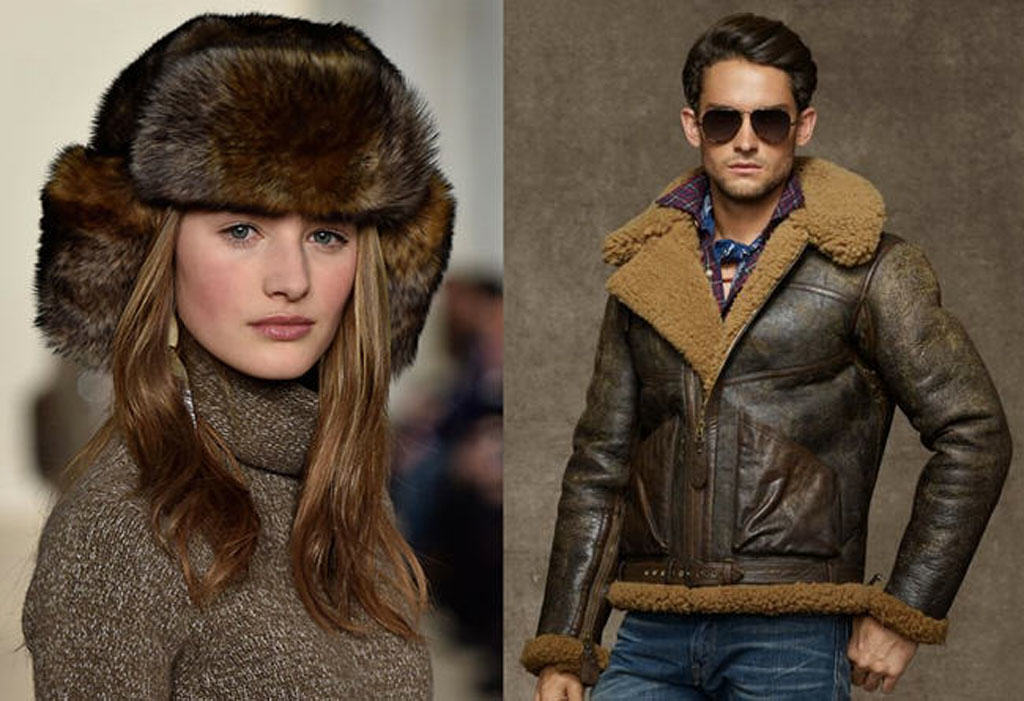
Ignorance about sheep fur persists in part because neither designer brands that use it, nor the animal rights groups that handle them, are forthcoming with the truth. It's a trade-off. In return for brands declaring themselves "fur-free", their animal rights handlers turn a blind eye to the fact that sheep pelts are fur.
SEE ALSO: Why is Giorgio Armani really quitting fur?
A shameless example of this duplicity is Ralph Lauren. Since 2006, it has been "100% fur-free" and compliant with "PETA guidelines". In reality, it uses a huge amount of sheep fur, often disguising it as other types of fur, necessitating the following footnote to the show notes of a recent collection: "Ralph Lauren has a long-standing commitment to not use fur products in our apparel and accessories. All fur-like pieces featured in the collection are constructed of shearling."
Talk about double-speak! Both Ralph Lauren and PETA are surely aware that shearling is fur, and yet they insult our intelligence by pretending otherwise. And they get away with it because, as Pam Anderson and others have proved, intelligence is in short supply where sheep fur is concerned.
For anyone who still doesn't get it, here's the short version: Sheepskin, lambskin and shearling are all fur. And yes, animals die to produce them.
November Fur News: Confused Gucci and Pest Control
by Truth About Fur, voice of the North American fur tradeIn the world of fashion, the headlines keep on coming about a confused Gucci following the announcement that it would…
Read More
In the world of fashion, the headlines keep on coming about a confused Gucci following the announcement that it would be dropping fur in the name of "sustainability". Truth About Fur tries to explain how Gucci could so misunderstand the meaning of "sustainability", while Fur Europe has produced a graphic explanation of the sustainability of "Circular Fashion" that hopefully Gucci can comprehend.
Meanwhile, Vogue (UK) magazine ran a doting one-sided interview with confused Gucci's new handler, the Humane Society of the US. The big question now is whether Vogue and Gucci understand HSUS's true agenda, which is not animal welfare but animal rights. One man, Gucci CEO Marco Bizzarri, must know what's going on since he used to work for vegan designer (and killer of silkworms) Stella McCartney.
Can we now look forward to Bizzarri, cheered on by HSUS, phasing out leather, shearling, and python farmed by Gucci's parent company, Kering, in Thailand?

Protest Season
November is the time of year when anti-fur protesters kick into high gear, but with the concerns of historical protests (sustainability and animal welfare) having been addressed (at least in the view of the fur trade), Truth About Fur asks whether the current crop are now rebels without a cause.
Meanwhile Stella McCartney's dad, Beatle and animal rightist Paul, turns out to be a Canada Goose fan. Perhaps he didn't get the memo about the stink activists are kicking up outside Canada Goose's new London store, for using coyote trim on its parkas stuffed with goose down. Campaigners have also been targeting Canada Goose's New York store, among them one Jabari Brisport. Who? Brisport is running for office on New York's City Council, and, if elected, will fight to ban fur sales in the city.

Another pop star who doesn't seem confused at all is Pretenders vocalist Chrissie Hynde. The committed vegetarian calls the modern-day animal rights movement "tyrannical", adding: "It’s almost on the verge of polarising people rather than mobilising them, because people have this almost messiah or jihad complex: if you don’t do it the way we want you to, we’ll kill you."
Pest Control
Louisiana is known for its invasive nutria, and now the "swamp rats" will star in an upcoming documentary, Rodents of Unusual Size. "Stopping the nutrias is mission: impossible," says one trapper. "The good Lord couldn't get rid of 'em." (Well, perhaps not impossible. They were successfully eradicated in the UK.)
Toronto, meanwhile, has two pests to deal with. It has more than enough raccoons, but now the city's Wildlife Centre wants to make trapping illegal in the city. Meanwhile, animal rightists (the other pest) are cranking up their efforts to destroy Inuit culture. The Guardian reports that the temperature is being turned up primarily over the eating of seal meat, but animal rightists also want to end the traditional deer hunt.
Animal activist pests in the US, who released 2,000 mink from a farm in Illinois in 2013, have had their sentences upheld and their appeal not to be branded terrorists under the law rejected.
And perennial pest Pamela Anderson had another hissy fit over Naomi Campbell's full-length fox coat, and sent Kim Kardashian a fake fur for Christmas. We're sure Naomi and Kim don't care what Pamela thinks of fur, but it's easy headlines.
Last but definitely not least – and not in any way related to pests – a special mention is in order for Maryland furrier Mano Swartz, who presented a veteran with 25 years of service with a mink coat valued at $8,000. The tradition of taking care of veterans goes back to owner Richard Swartz's great grandfather. Good job, Richard!
In the modern field of conservation, sustainable use is the goal for which resource managers strive. Yet not so long…
Read More
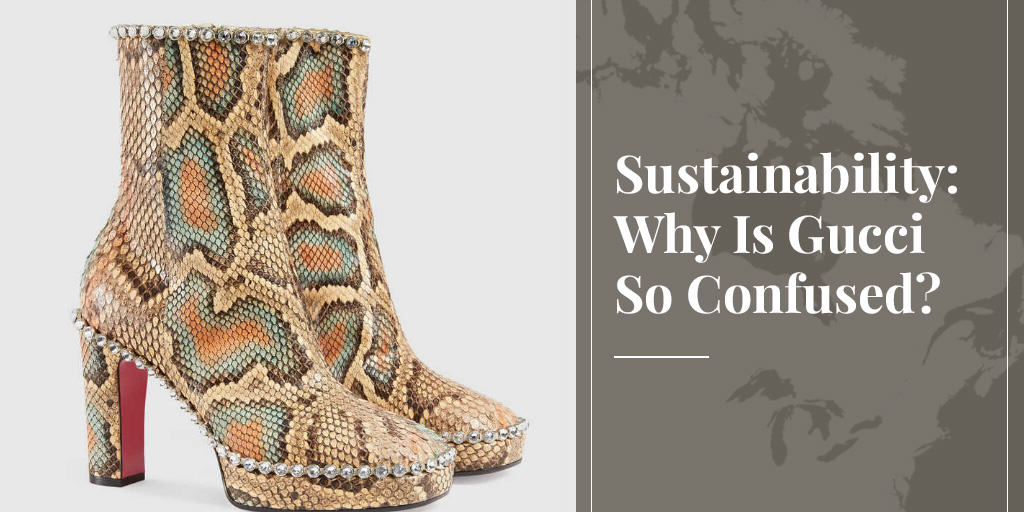
In the modern field of conservation, sustainable use is the goal for which resource managers strive. Yet not so long ago, conservation was popularly associated not with sustainability, but with not using resources at all. Perhaps inevitably, along the way some lazy thinkers came to equate sustainable use of a resource with not using it, among them Gucci CEO Marco Bizzarri.
When Bizzarri announced recently that Gucci would be dropping fur, he caused much head-scratching. The move was a demonstration of “our absolute commitment to making sustainability an intrinsic part of our business,” he explained. So Gucci will now be replacing real fur – a renewable, biodegradable, natural resource – with non-biodegradable fake fur made from a non-renewable resource, petroleum.
How could Gucci have become so confused about the meaning of "sustainability"? History provides a possible answer.
SEE ALSO: Fur-free Gucci policy contradicts company's "sustainability" claims.
Protection vs. Conservation
Forty years ago, when Marco Bizzarri was growing up, and after a long history of renewable natural resources being mismanaged in much of the world, the word "conservation" was on everyone's lips.
But what did "conservation" mean to most of the public or, in practical terms, on the front lines of the war declared on alleged resource abusers?
The biggest "conservation" issue of the day – the biggest ever in terms of public awareness – was whaling, and groups that formed the Save the Whale Campaign called themselves conservationists. A very few were the real deal, but most were actually perpetrating a deception. They were not interested in sustainable use, or a temporary cessation of whaling to allow stocks to recover. They wanted all whaling stopped forever, regardless of the state of stocks. They were "protectionists", or, to use a term more commonly associated with wilderness protection, "preservationists".
And so the die was cast. In the popular conscience, "conservation" had come to mean not using something, be it whales, seals, ivory, tuna or tropical rain forests. The list just grew as "Save the [enter pet cause here]" campaigns proliferated. Stopping the killing of any animal, correctly termed protection, was now widely perceived by much of the media and the general public as a conservation goal.
From Conservation to Sustainability
Meanwhile, true conservationists were developing increasingly sophisticated management strategies based on a relatively new concept, the "sustainable use of renewable natural resources".
An integral part of sustainable use is that conservation objectives are often best served by giving renewable resources financial value, thereby giving stakeholders an incentive to manage them wisely. For many species of animal, the most effective way of doing this is to allow regulated killing for food or clothing. Captive breeding and even domestication of animals can also help relieve pressure on wild populations. Gucci's parent group, Kering, is actively involved in a programme to conserve pythons by farming them. Ted Turner's bison ranches have played a key role in bringing this animal back from the brink of extinction. And yes, all wild species of furbearers have benefited from the expansion of mink farming.
In short, sustainable use is founded on the consumptive use of resources in a regulated environment. It gives the resources value to stakeholders, while ensuring use of those resources does not exceed their capacity to replenish themselves.
Sustainable use is not about stopping use of a resource.
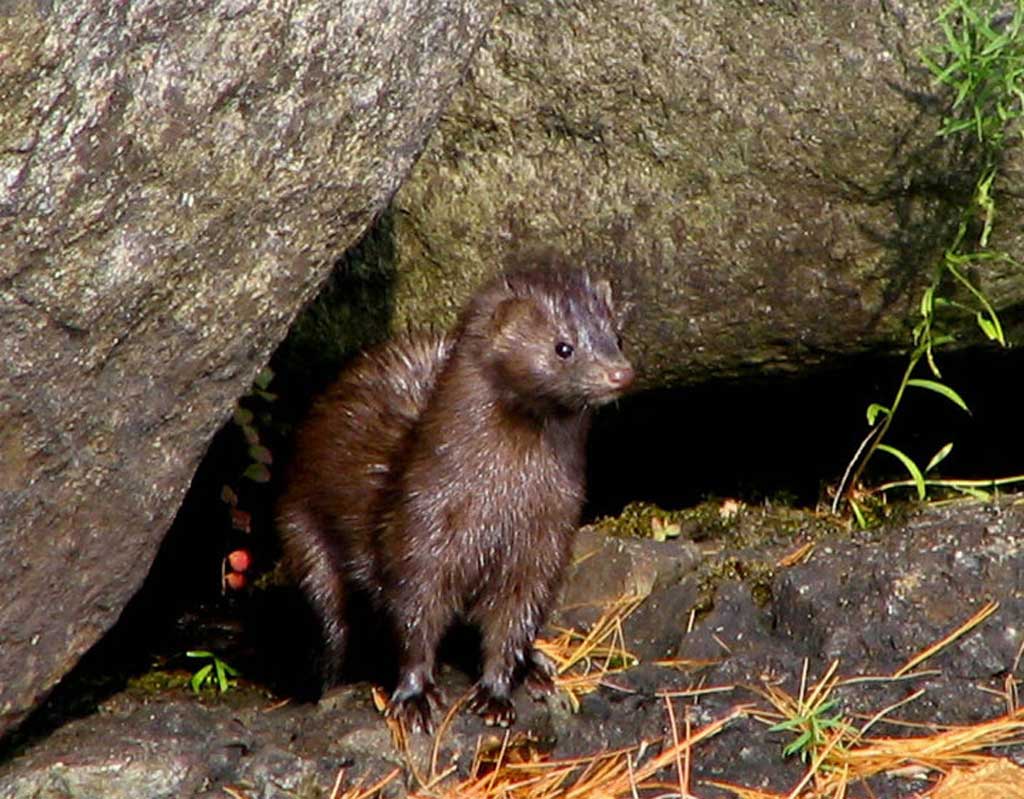

Gucci Left Behind
Gucci's understanding of "sustainability" appears to be based on an outdated, 1970's view of conservation: that the best way to conserve a resource is to stop using it.
For sure, some furbearer species were hit hard by hunting and trapping before modern regulations were implemented, even in North America. And some, such as South American and African spotted cats, are now – rightly – banned in international trade.
But to imply, as Gucci does, that farmed mink and fox, or abundant wild populations, will somehow benefit by no longer being used for fur shows a naîve and total misunderstanding of how sustainable use works.
Gucci has been left behind as our knowledge of environmental conservation has evolved. We don't need a Save the Mink campaign!
Anti-Fur Protesters Now Rebels Without A Cause?
by Alan Herscovici, Senior Researcher, Truth About FurAnti-fur protesters today are an established part of our autumn scenery, like falling leaves or the southbound migration of Canada…
Read More
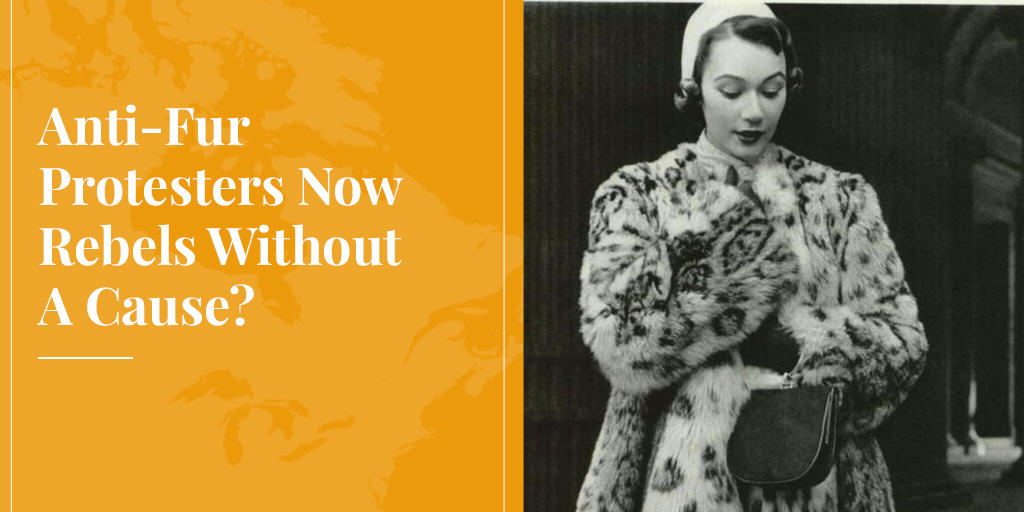
Anti-fur protesters today are an established part of our autumn scenery, like falling leaves or the southbound migration of Canada geese. But, in fact, all of the problems that originally triggered such protests have been addressed and resolved. So are the current crop of anti-fur protesters rebels without a cause? Or worse, are their protests now just a pretext for intolerance, a smokescreen for imposing on others a radical new form of militant vegetarianism?
Is it time to say “enough with the anti-fur protesting”?
A quick review of the history of anti-fur protesters raises serious questions about why they still exist.
Early Anti-Fur Protesters
Organized opposition to fur trapping began in 1925 when American adventurer and spy-turned-diplomat Edward Breck founded the National Anti-Steel Trap League after an encounter with a trapped bear during a visit to Nova Scotia. This was the peak of the “Roaring Twenties”, when raccoon, beaver and other wild furs were the rage. Fur prices were high and, with few government controls, fur-bearer populations were depleted in some regions. The two key themes of anti-fur protesting had emerged: concerns about the humaneness of trapping methods (animal welfare) and the need to ensure that trapping did not deplete furbearer populations (conservation/sustainability).
The Great Depression and World War Two swept away the exuberant fashions of the 1920s, and by the 1950s wild species represented barely 25% of North American fur sales. Concerns about trapping receded.
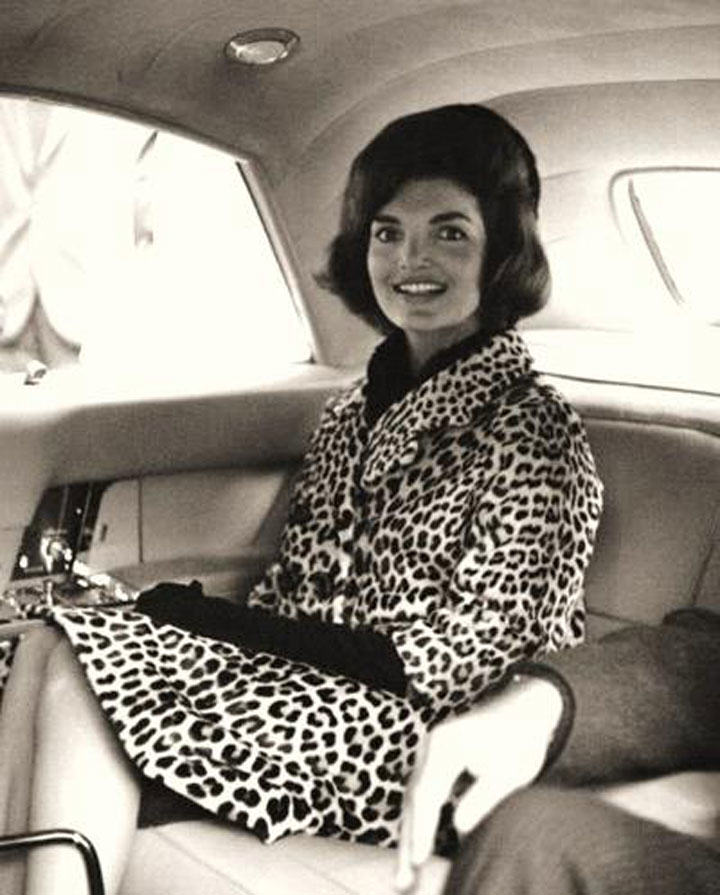
But in the 1960s – in an effort to expand the market beyond mink, Persian lamb and other classic farmed furs – the fur trade reintroduced wild species as “fun furs”, an initiative that received a major boost when Jackie Kennedy bought a leopard-skin coat in 1962. Ironically, this was the same year that Rachel Carson’s Silent Spring was published, heralding the birth of the modern ecology movement.
Protest was in the air. In 1965, a film broadcast by Radio-Canada raised conservation and animal-welfare concerns about the northwest Atlantic seal hunt – a hunt that was then still little known and largely unregulated.
SEE ALSO: Ten lessons from 30 years battling animal rights.
And while trapping was now carefully regulated in North America, full international controls were not yet in place: the US Endangered Species Act would only be passed in 1969, while the Convention on International Trade in Endangered Species of Wild Fauna and Flora (CITES) was not implemented until 1975. This was the context in which Cleveland Amory launched his Fund for Animals in 1967, and his first major campaign was against the use of fur from leopards and other endangered wild cats.
Celebrities, Media and Fake Fur
In his book Man Kind? Our Incredible War on Wildlife (1974), Amory recalled that his anti-fur campaign was sparked by a visit from a representative of fake-fur manufacturer E.F. Timme & Son. The company offered to give $200 and a fake fur coat to any “socialite” who would publicly denounce the wearing of furs from endangered species. Amory suggested that they up the ante to $2,000 and proposed the names of several well-known actresses who would decry the wearing of any wild fur. As members of his board, they could also be counted on to hand over the cash to his Fund.
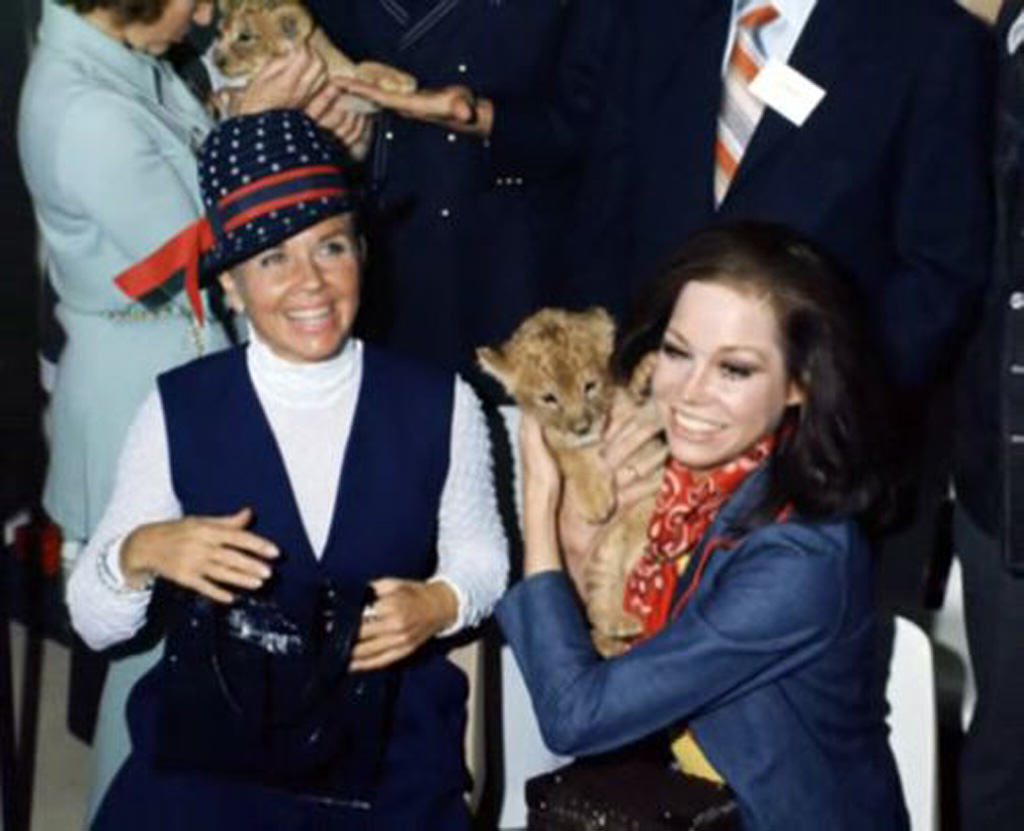
With Doris Day, Mary Tyler Moore and others, the Fund for Animals became the first animal protection group to take a page from the ad man’s book and use “celebrities” to attract media attention. Long before Greenpeace brought Brigitte Bardot to the seal hunt (1977) and PETA promoted a string of models and B-list actresses to declare that they “would rather go naked than wear fur," Amory understood that “the medium is the message."
Amory also took up the animal-welfare side of the fur debate. The Canadian Association for Humane Trapping (CAHT) had sent him a seven-minute film they claimed was “filmed on the trap-line,” although it was later revealed that many scenes had been staged in a compound. It was called They Take So Long to Die, a line from an old National Anti-Steel Trap League poem. Amory sent the film to CBS Evening News, and on March 21, 1972, 20 million Americans watched animals struggling in leg-hold traps. Amory appeared on the program to demonstrate a quick-killing Conibear trap, which he presented as a more humane alternative.
It is important to note that Amory and the CAHT were arguing for more humane and sustainable trapping, not for a ban on trapping or fur use. The CAHT had made its film to pressure the Canadian government to seriously research improved trapping methods, and when the Federal-Provincial Committee on Humane Trapping was set up in September 1973, the film was withdrawn from circulation. [For a full history of trap research and development, read our interview with humane-trap champion Neal Jotham.]
As legitimate conservation and animal-welfare concerns were being addressed, however, a new kind of anti-fur campaign was emerging.
Reformers Lose Their Way
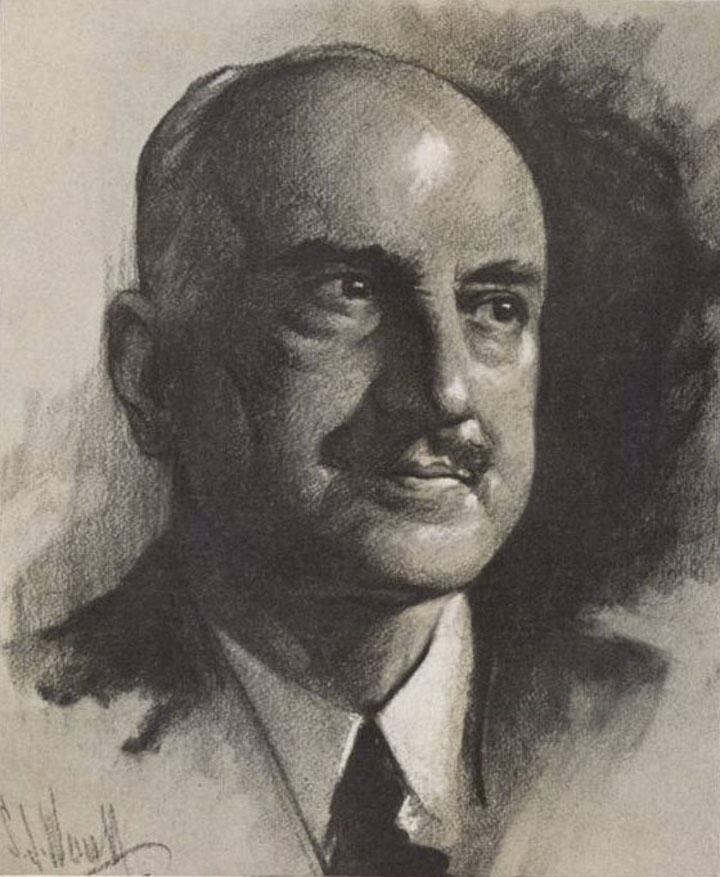
The pioneering work of the Federal-Provincial Committee on Humane Trapping was taken up by the newly-formed Fur Institute of Canada, in 1983, and this continuing research has resulted in significantly improved trapping methods, trapper education, state and provincial regulations, and the Agreement on International Humane Trapping Standards. But while the CAHT had withdrawn They Take So Long to Die, some of the footage was incorporated into Canada’s Shame, a new film produced by the Vancouver-based Association for the Protection of Fur-Bearing Animals (APFA).
While condemning the Fur Institute’s world-leading trap research program as a sham, APFA founder George Clements was unable to suggest how it might be improved when he was questioned under oath by the Parliamentary Committee on Aboriginal Affairs and Northern Development, on June 5, 1986. “If you are really serious, then I would really have to go back home and think about that,” Mr. Clements confessed. When another MP pointed out that “it is very easy to criticize and belittle certain things but [MP John Parry] asked if you had a game plan or a solution to this particular problem,” Mr. Clements was contrite: “I have been put in my place,” he said.
Now known as The Fur-bearers, the APFA has since abandoned any pretense of seeking more humane trapping. It now claims that “there is no such thing as a humane trap,” and calls for the complete abolition of “the commercial fur trade, including trapping and fur farms.”
From Leg-hold Traps to Fur Farms
As the popularity – and prices – of fur reached record levels through the 1970s and 1980s, protest activity intensified. Large, rowdy, anti-fur demonstrations became a common sight in many cities. And even when fur prices and sales retreated with the crash of the stock market in 1989 and the economic recession that followed, the protests – and political lobbying – continued, with leg-hold traps as the main target.
As they did with the seal-hunt, activists zeroed in on the European Parliament as a weak link in the political chain. The European Economic Community had banned the importation of furs from young (whitecoat and blueback) seal pups in 1983, although there was no conservation or animal-welfare justification for doing so. In 1991, the EEC adopted Council Regulation 3254/91 which “prohibits the use of leg-hold traps in the Community and the introduction into the Community of pelts and manufactured goods of certain wild animal species originating in countries which catch them by means of leg-hold traps or trapping methods which do not meet international humane trapping standards.”
Anti-fur activists thought this meant the end of the wild-fur trade, because “international humane trapping standards” did not exist at that time. But they were wrong. With the implementation of the Agreement on International Humane Trapping Standards in 1997, it became clear that animal-welfare concerns about trapping were being seriously addressed, much as conservation and sustainability problems had been addressed by national and international regulations in the 1970s.
In response, anti-fur protesters shifted their focus to fur farming. Over the past decade, activists have released a series of undercover videos to bolster their claim that mink and fox suffer on fur farms. In fact, a wide range of government regulations and industry codes of practice ensure that farmed fur animals receive excellent nutrition and care. Farmers have every reason to abide by these codes, because there is no other way to produce high-quality fur.
But in commercial-scale production, there will always be a few sick or injured animals; farmers often keep these in a special section of the shed where they can be easily observed and cared for. But activist videos don’t explain that. Nor do they explain that mink will appear agitated when disturbed in the middle of the night by strangers carrying cameras and bright lights. And as if that were not enough, the camera can always focus on manure under the pens (where it is supposed to be), or the voice-over can ominously inform us that these animals are being “raised in small cages” only to be "slaughtered and skinned for their fur.”
Rebels Without a Cause?
As this quick history reveals, the original anti-fur protesters were motivated by legitimate animal-welfare and conservation concerns. Over the past 50 years, however, these concerns have been addressed. Trapper training, new regulations, and continuing scientific research ensure that trapping in North America is now conducted responsibly and sustainably. Farmed fur animals receive excellent nutrition and care, as required by government regulations, industry codes of practice, and the demands of a highly competitive international marketplace.
In fact, anti-fur protesters are no longer driven by real conservation concerns. Greenpeace, the World Wildlife Fund, and the International Union for the Conservation of Nature do not protest the fur industry because they do not consider it an environmental problem.
And anti-fur protesters are not really driven by animal-welfare concerns either. Animal-welfare groups (like the CAHT) that accepted the responsible use of animals but worked to improve the humaneness of trapping, have been superseded by media-savvy “animal rights” groups, like PETA. And while PETA distributes videos that it claims show animal-welfare abuses – and it will always be possible to find a bad apple somewhere – its publicly-stated objective is the elimination of any use of animals, even for food or vital medical research.
But when 95% of the population still eat meat and wear leather, it is disingenuous to claim that it is immoral to use fur that is produced responsibly and sustainably.
So the question remains: Is there still any justification for anti-fur protesters doing what they do? Is protesting against fur now just a way to attack "the establishment", or a smokescreen for promoting a radical “animal-rights” agenda? Or perhaps they have simply lost their way.
As American philosopher George Santayana said so succinctly, “Fanaticism consists of redoubling your effort when you have forgotten your aim.”