After pressuring a number of designer brands to stop using fur in their collections, animal activist groups that seek to… Read More
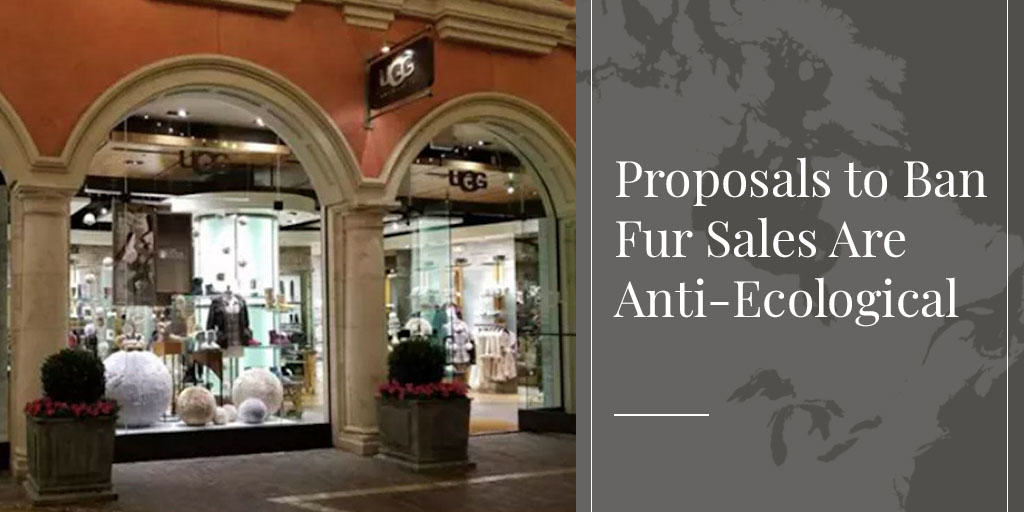
Animal advocates who want to ban fur have an understanding with Ugg and "fur free" designers to pretend sheepskin is not fur
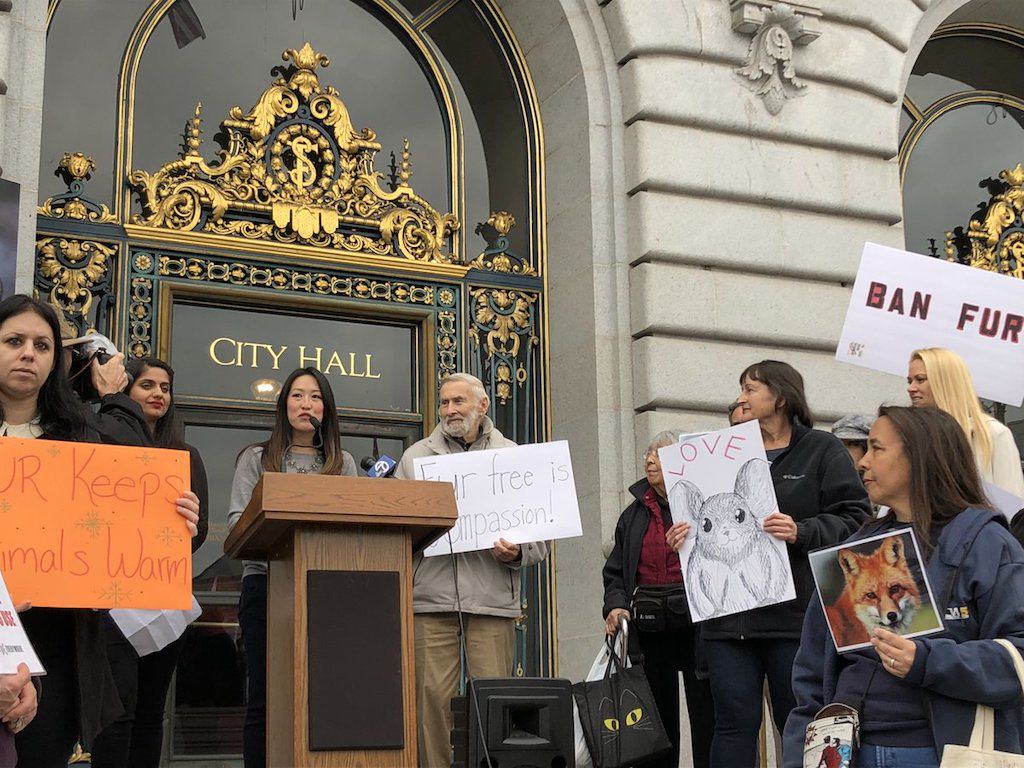
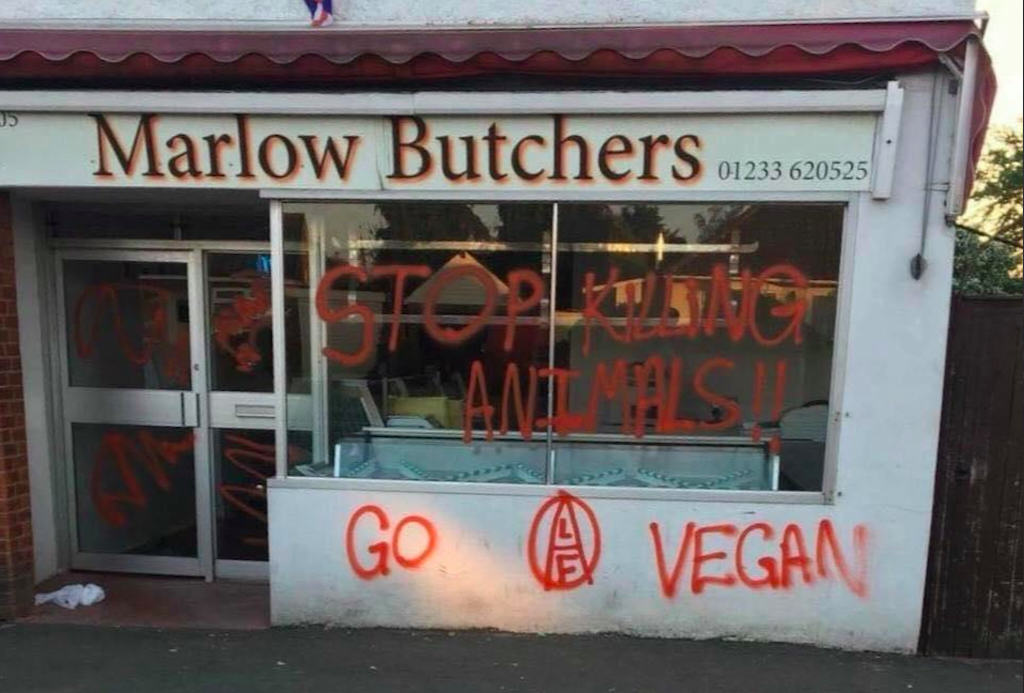
After pressuring a number of designer brands to stop using fur in their collections, animal activist groups that seek to impose a vegan lifestyle on everyone are now lobbying politicians to ban fur sales in San Francisco, Los Angeles and several other cities.
Fur “bans” are equally illusory. Vegan activists love to cite West Hollywood as the first US town to declare fur sales verbotten, but they neglect to mention that the sale of wild fur apparel and accessories remains completely legal there. In fact, a California court has determined that municipalities cannot ban the sale of wild furs even if they want to, because wildlife management is under state jurisdiction. Meanwhile, the “fur ban” proposed for San Francisco would also exempt sheepskin because, well, I guess they like their Uggs in California.
More important than this hypocrisy, however, is the troublesome reality that anti-fur campaigning actually works against environmental sustainability at a time when this is becoming a societal priority – especially in California.
The sustainable use of renewable natural resources is a keystone of conservation policy, as promoted by the International Union for Conservation of Nature (IUCN). And, guess what? The modern fur trade is, in fact, an excellent example of the responsible and sustainable use of nature. This is the story that animal activists don't want the public to hear.
The truth: Wild furs are taken from the naturally-produced surpluses of abundant furbearer populations, never from endangered species. This is assured by state, national and international regulations.
The truth: Some wild furbearers would have to be culled even if we didn’t use fur. Coyotes are the number one predator of lambs and calves, and are now attacking pet dogs and cats – and sometimes even people – in cities across North America. Raccoons, foxes and coyotes must be controlled to protect ground-nesting birds and endangered sea turtle eggs, and to prevent the spread of rabies and other dangerous diseases. Overpopulated beavers flood roads, homes, fields and forest habitat. And the list goes on.
So given that we have to cull these animals, surely it is more ethical to use the fur than to throw it away.
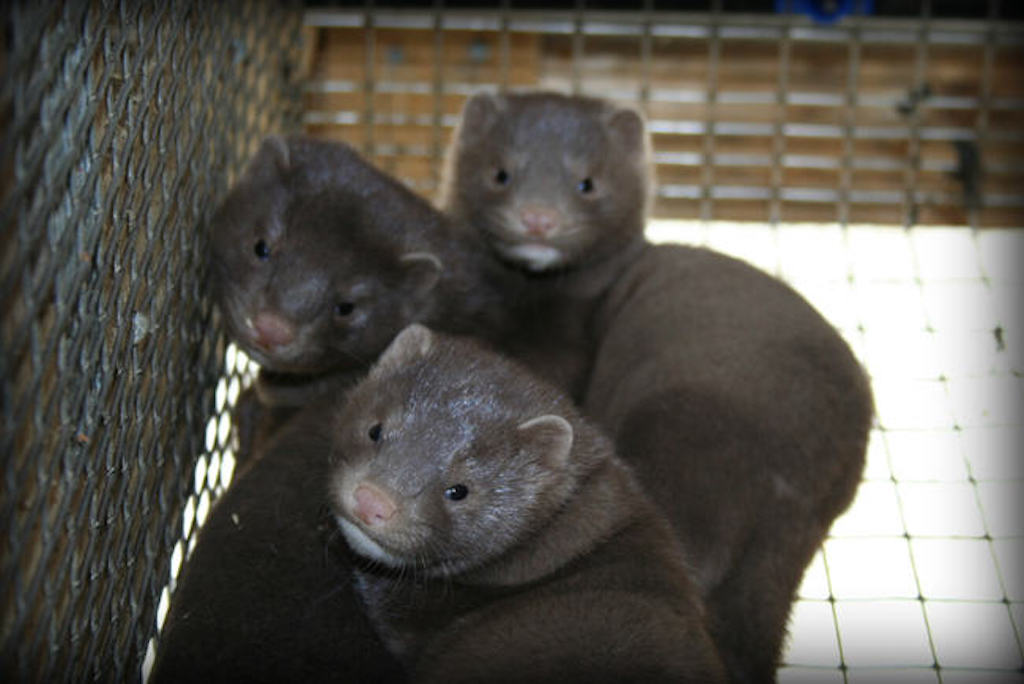
Farmed mink are fed left-overs from human food production that would otherwise end up in landfills. Photo: Truth About Fur.
But what about farm-raised furbearers, you may ask? Farmed mink are fed left-overs from our own food production – the parts of chickens, pigs and fish that we don’t eat and would otherwise end up in landfills. The mink manure, carcasses and soiled straw bedding are composted to produce valuable organic fertilizers, completing the agricultural nutrient cycle. Nothing is wasted.
Farmed mink also receive excellent nutrition and care; this is the only way to produce the high-quality fur needed to compete in international markets.
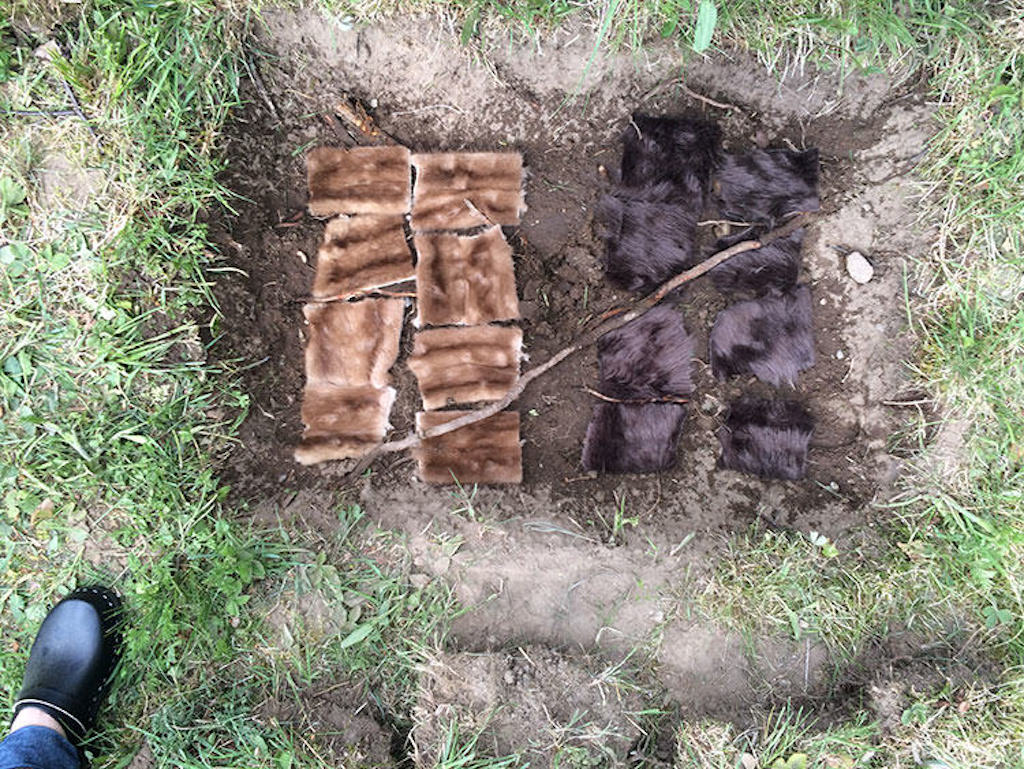
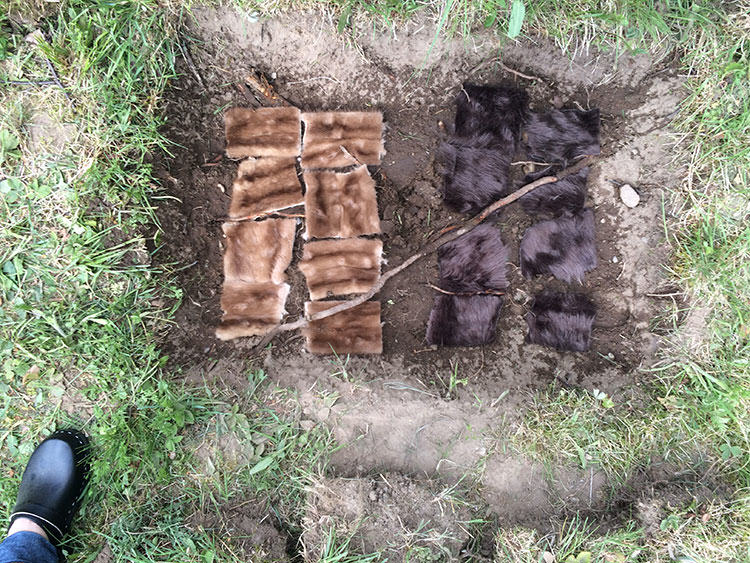
Truth About Fur has proven beyond doubt that real fur biodegrades while fake fur does not. Read "The great fur burial".
Above all, fur is a natural and long-lasting clothing choice. In this age of fast-fashion, a good mink coat is often worn for 30 years or more. Fur apparel can also be taken apart and completely restyled as fashions change, or recycled into accessories. And after many decades of service your fur can be put into the garden compost where it will biodegrade and return to the soil. This is true environmental sustainability.
The fake furs touted by animal activists, by contrast, are generally made from petroleum, a non-renewable resource, and will not biodegrade. Troubling new research, moreover, is showing that fake furs and other synthetic materials can leach micro-particles of plastic into waterways (and the food chain) every time they are washed. This is not good for animals or nature.
Freedom of Choice Under Threat
The increasing use of fur for trim, accessories, vests and other smaller pieces makes fur more accessible than it has ever been. This may explain the urgency of recent anti-fur campaigning, because if it was true that no one wanted to wear fur anymore – as activists claim – there would be no need to ban fur sales.
Perhaps this is what frustrates animal activists: most people do believe that it is morally acceptable to use animals for food, clothing and other products, so long as this is done responsibly and sustainably.
Question: What do animal activists do when, despite all their propaganda, young designers and consumers continue to choose fur? Answer: They try to take away their right to choose!
And this brings us to another serious problem with recent activist calls for municipal bans on fur sales. No one forces animal activists to wear fur or leather, or to eat meat or use any other animal products. So what makes them think they have the right to impose their personal beliefs on everyone else?
This issue goes far beyond the debate about fur. Most people in North America came here to have the right to make their own decisions. That fundamental freedom should not be taken for granted, or given away lightly, whatever your personal feelings about using fur or other animal products.
It was a crisp, bright morning in early April when I set out for my first lesson in Spring muskrat… Read More
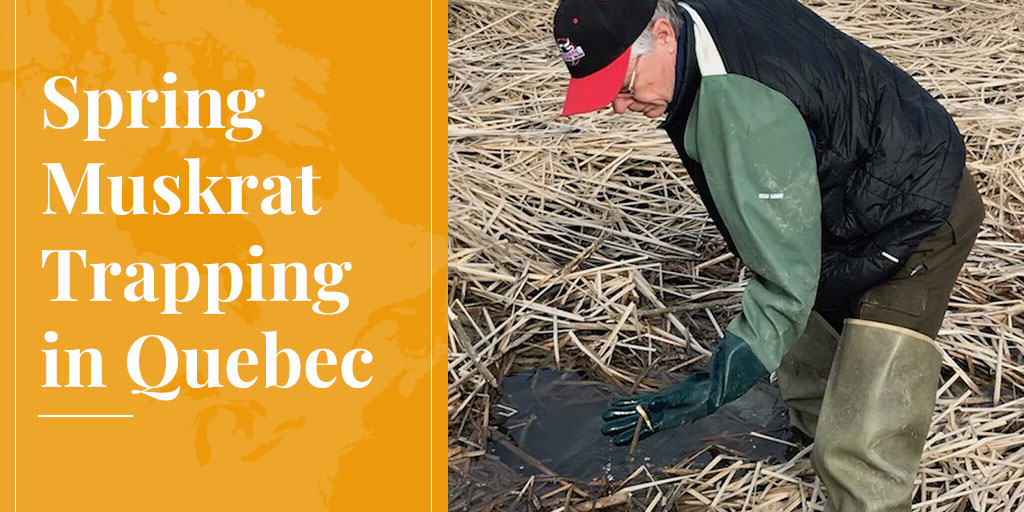
Muskrat trapping is "a passion" for Pierre Canac-Marquis. “It’s certainly not for the money." Photo: Alan Herscovici / Truth About Fur.
It was a crisp, bright morning in early April when I set out for my first lesson in Spring muskrat trapping. I had agreed to meet my trapper friend in the village of Saint-Charles, on the Richelieu River, about a half-hour north-east of Montreal. A plaque in front of the small town hall recounted the role of this picturesque spot during the 1837 rebellion by French Canadian “Patriotes”, including their defeat here by British troops on November 25 of that year.
Pierre arrived a few minutes later and I threw my gear into the back of his mud-splattered truck, beside a large white plastic bucket of traps and another containing several muskrats he had taken earlier that morning. As we headed out of the village and away from the river, houses quickly gave way to large fields and the occasional barn. On each side of the road were wide drainage ditches, with a foot or two of Spring melt water running swiftly through a few remaining patches of snow and last summer’s dry, flattened rushes – prime muskrat habitat.
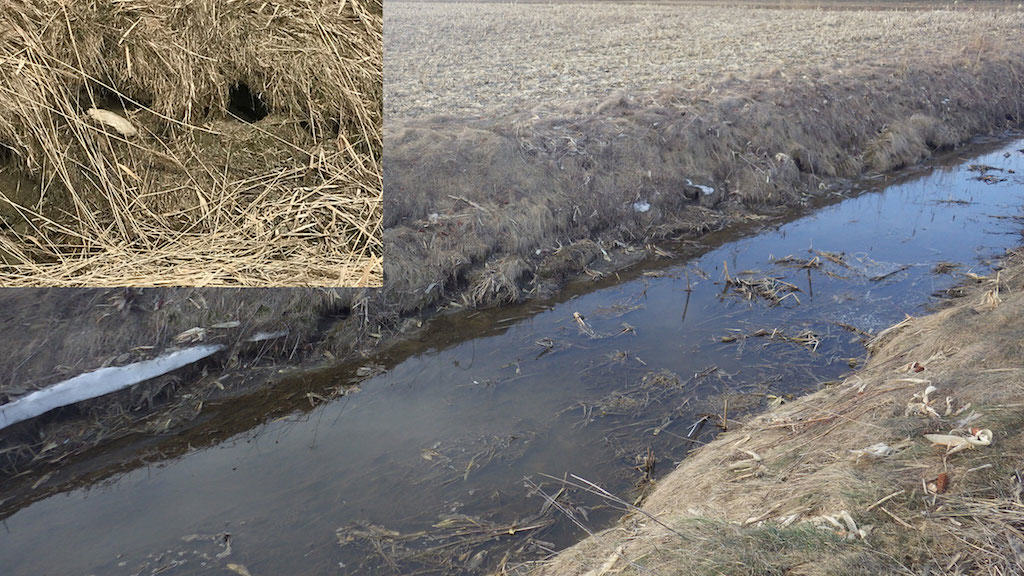
Muskrats dig large burrows, weakening the banks of waterways. Photos: Alan Herscovici / Truth About Fur.
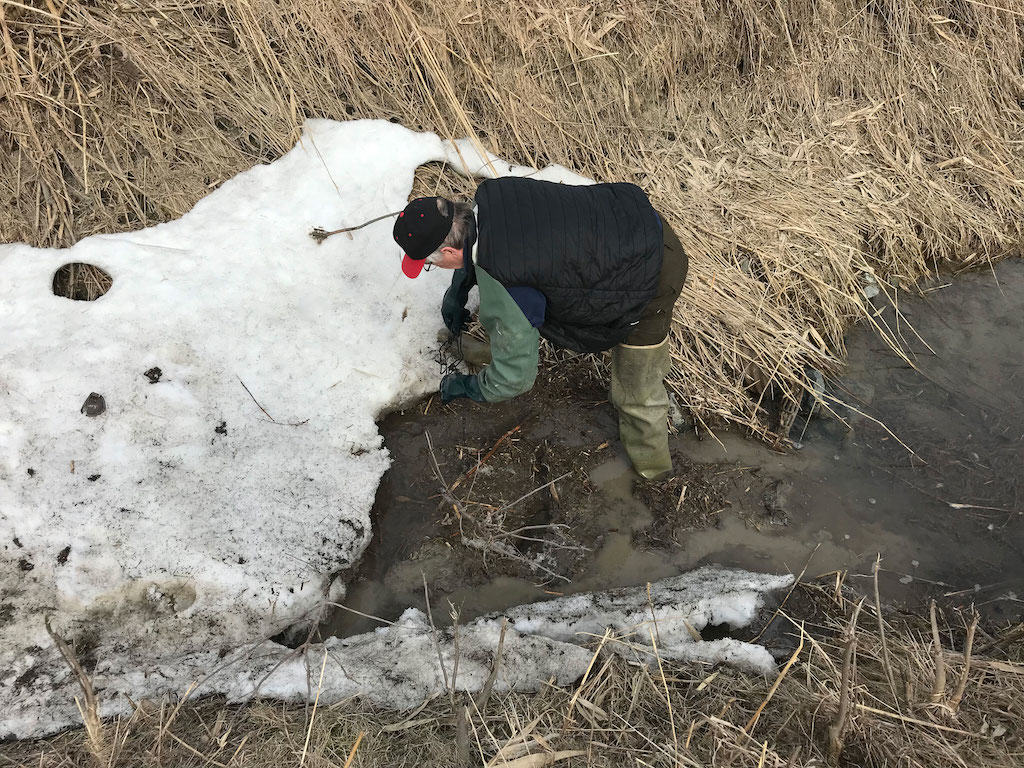
Pierre was driving slowly and then he stopped, pointing out a tiny flash of orange tape, a marker he had left, barely visible in the dry weeds beside the gravel road. He climbed out of the truck and clambered down the embankment in his hip waders, and I watched as he felt about in the weedy stream. A moment later he straightened up to display a sleek, wet muskrat in his rubber-gloved hand. He then showed me how the rotating-jaw trap had struck directly behind the rodent’s skull, killing it instantly – much like a large mousetrap.
Pierre was using two models of quick-killing trap, both tested and certified for use under provisions of the Agreement on International Humane Trapping Standards (AIHTS). And who better to demonstrate the efficient performance of these devices than my friend Pierre Canac-Marquis, the long-time coordinator of the Fur Institute of Canada’s humane trap research and development program? He has always considered animal welfare concerns as a top priority in all trapping activity.
Pierre picks a prime spot for trapping muskrat: a drainage ditch with patches of snow, melt water and flattened rushes. Photo: Alan Herscovici / Truth About Fur.
Pierre had recently retired from his career as a furbearer biologist with the Quebec wildlife department where, among other notable achievements, he led “Operation Raton”, a multi-year, multi-million-dollar program to contain the advance of rabies in raccoons spreading north from the US – an important story to be told in another blog post. But he continues to coordinate the FIC’s world-leading trap-research program, and he remains an avid trapper.
“It’s a passion,” Pierre explained. “It’s certainly not for the money; I’ll be lucky to get four dollars a pelt for these rats. But the farmers are happy we’re here, because muskrats undermine the stream banks with their burrows. That speeds erosion and they lose large strips of farm land along the drainage ditches,” he said, pointing out a large burrow entrance, half-hidden among dry reeds in the stream bank. This of course represents a major loss of income to these farmers.
“And over there, they raise horses,” said Pierre. “If a horse steps onto a part of the field that has been burrowed by the muskrats, they can sink right through and break a leg.”
And muskrats – like all rats – are very prolific.
Muskrats (Ondatra zibethicus)
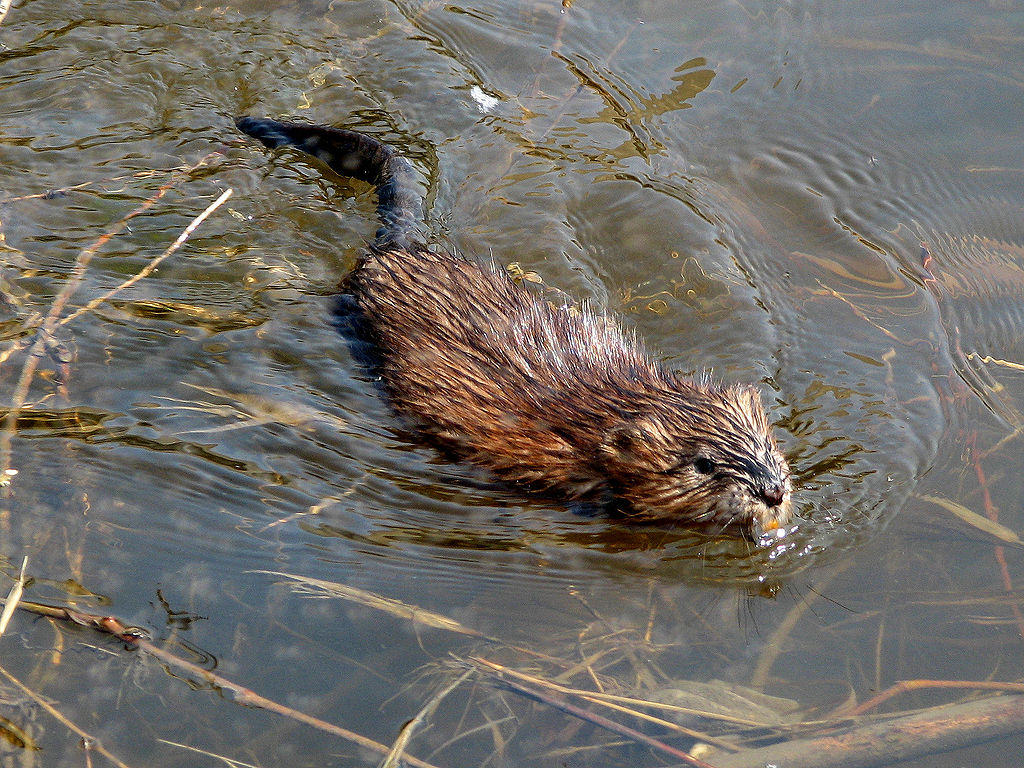
Muskrats were once known as musk-beavers, but this changed perhaps because their naked tails resemble rats. Photo: D. Gordon E. Robertson [CC BY-SA 3.0 or GFDL], from Wikimedia Commons.
With a gestation period of 28-30 days, and females sexually mature at six to eight weeks, muskrats can breed year-round, producing five or six litters annually in the southern US. In Canada, they usually produce two or three litters of six to nine kits. Natural mortality is also high, and research has shown that harvest rates of 60-75% are sustainable. Primarily herbivores, muskrats eat the shoots, roots, bulbs and leaves of all sorts of aquatic plant, but cattails, also called bulrushes, are favoured. They will also eat some crops (carrots, corn, alfalfa, soybeans) and sometimes clams, mussels and small fish.
Weighing 2-3 pounds (1-1.4 kg), and measuring 16-24 inches (40-65 cm) in length, muskrats (Ondatra zibethicus, as biologists know them) have large, yellowish teeth and long, naked tails. More interesting from a fur-trade perspective: muskrats have very dense, waterproof underfur covered by long, glossy-brown guard hairs, to protect them in their semi-aquatic environment. Because of its warmth, abundance, and relatively low cost, muskrat fur was very popular through much of the 20th century. Often it was sheared and dyed to imitate more expensive furs, and sometimes marketed under more glamorous names like “Hudson Seal”. Today, muskrat is still a popular fur to make warm and lightweight winter hats, notably for the Canadian Mounties (RCMP) and other police forces.
“Once, I had parked my truck by the side of one of these country roads and when I climbed back up the embankment there were two Quebec Provincial Police officers waiting for me,” said Pierre. “They didn’t recognize my vehicle and were wondering what this suspicious guy was doing down there. I pointed to their heads and explained that I was harvesting fur for their new hats! They were fascinated. Like most people, they had never thought where their fur hats came from.”
We spent the next few hours navigating the back roads, checking traps. Pierre had added a modern twist to this traditional art: many of the trap locations had been punched into his GPS, making them much easier to find. Sometimes the traps were empty, but more often we added to the collection in the back of Pierre’s truck.
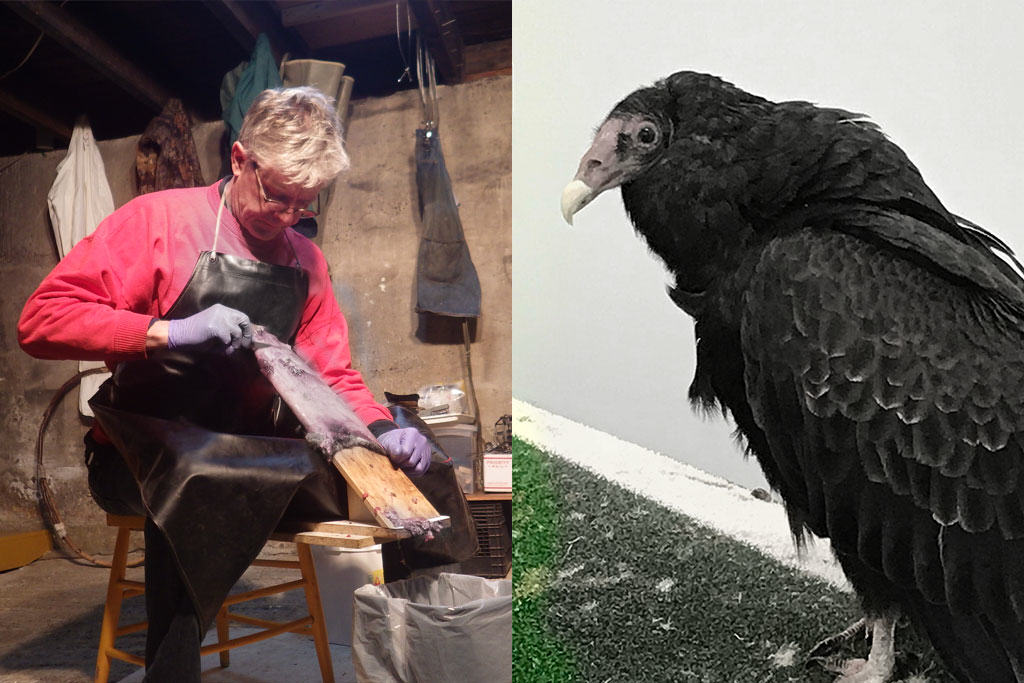
There is no waste in muskrat trapping. Left: Pierre scrapes a pelt before stretching and drying. Right: The carcasses provided a feast for this turkey vulture and other raptors at a rehabilitation clinic. Photos: Pierre Canac-Marquis; Alan Herscovici / Truth About Fur.
When we completed his round, we swung by St-Charles-sur-Richelieu again to pick up my car, and I followed Pierre for one last stop, 20 kilometers away at a raptor rehabilitation clinic in the town of St-Hyacinthe. The clinic is supported by the University of Montreal’s Faculty of Veterinary Medicine, and the Quebec Union for the Rehabilitation of Raptors. Injured birds of prey are sent here from all over the province and beyond. The clinic also has the educational objective of assisting in the training of hundreds of veterinarians in the field of wildlife medicine and wild bird rehabilitation.
The technicians at the raptor clinic were pleased to see Pierre, but their feathered charges were more interested in the contents of the big sack he carried from the truck: carcasses from muskrats Pierre had skinned the previous days.
After a quick tour of some of the magnificent raptors being cared for in the facility, I said “bye” to Pierre and headed back down the highway to Montreal.
As Pierre said, the dozen muskrats we’d collected that morning wouldn’t bring him more than $50 at the next auction – not much for the time spent setting traps, checking them, skinning muskrats, and stretching and drying the pelts. But more important, he’d helped with the rehabilitation of some magnificent birds, and assisted some farmers and ranchers in protecting their land and animals, contributing to the "joie de vivre" of this heritage rural community.
In response to rumors of his demise, American writer and humorist Mark Twain is famously quoted as saying, “The reports… Read More
This article was first published by FurInsider, July 30, 2018.
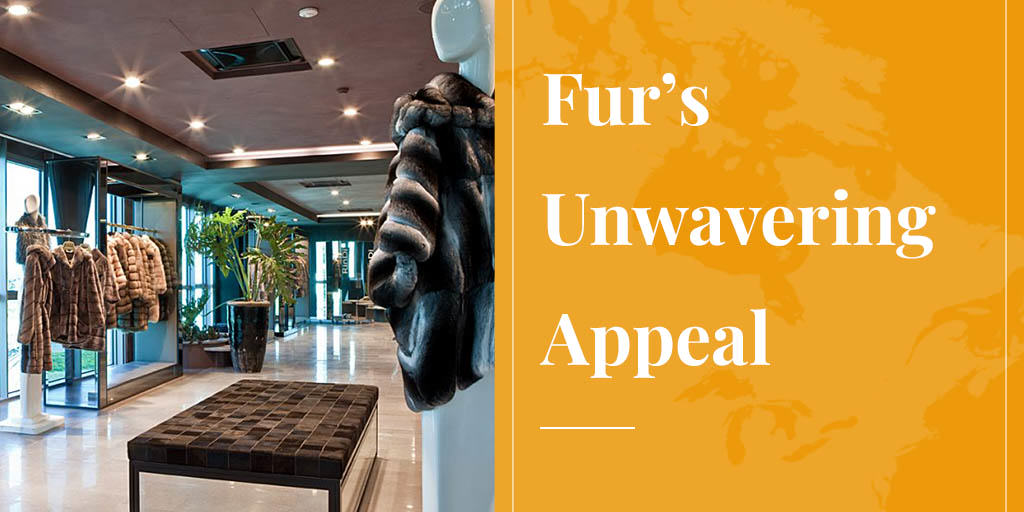
In response to rumors of his demise, American writer and humorist Mark Twain is famously quoted as saying, “The reports of my death are greatly exaggerated.” It seems a similar quip might be made in response to comments from legislators, anti-fur zealots and the media that have appeared in discussions of the San Francisco fur ban ordinance. Let’s take a minute to delve into the truth about fur’s unwavering appeal within fashion.
Reports of the death of the fur trade have been greatly exaggerated.
Hyped-up talk by legislators, anti-fur zealots and media about San Francisco’s possible fur ban ordinance hasn’t shaken fur’s unwavering appeal with consumers.
So what is the truth about fur’s unwavering appeal and how consumers feel about it?
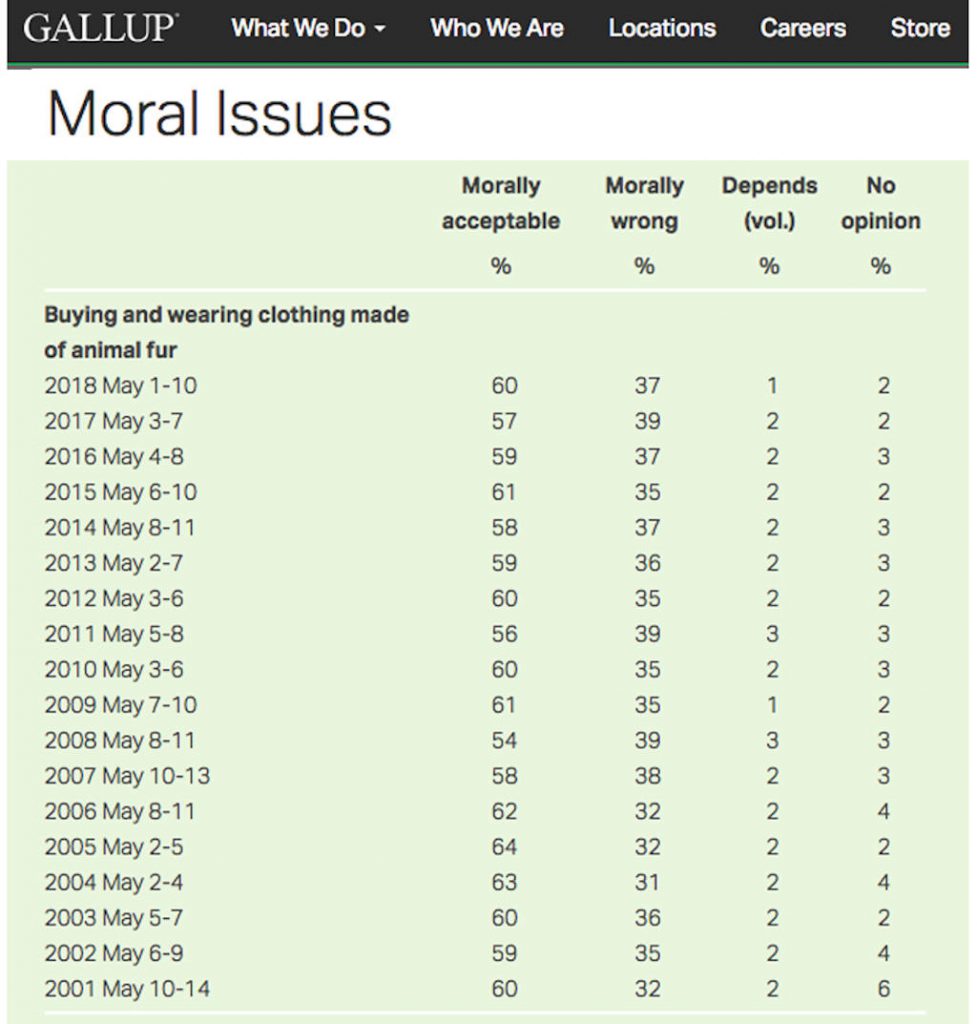
If you want to look at the research, Gallup’s annual poll on consumer attitudes towards a range of products showed that a significant majority of respondents supported the “moral acceptability” of fur in 2018 and, in fact, the total percentage reflected an increase of 3% over the previous poll. Another firm, Nanos Research, conducted a series of focus groups in several cities across the US just a few years ago. They found that in every city 100% of the respondents supported the consumer right to choose to buy and wear fur. It is important to note that half of the people in these groups identified as fur wearers and half of them stated they would not wear fur. That’s right ... 100% supported the freedom to choose to buy fur!
As of May 2018, 60% of Americans support "buying and wearing clothing made of animal fur."
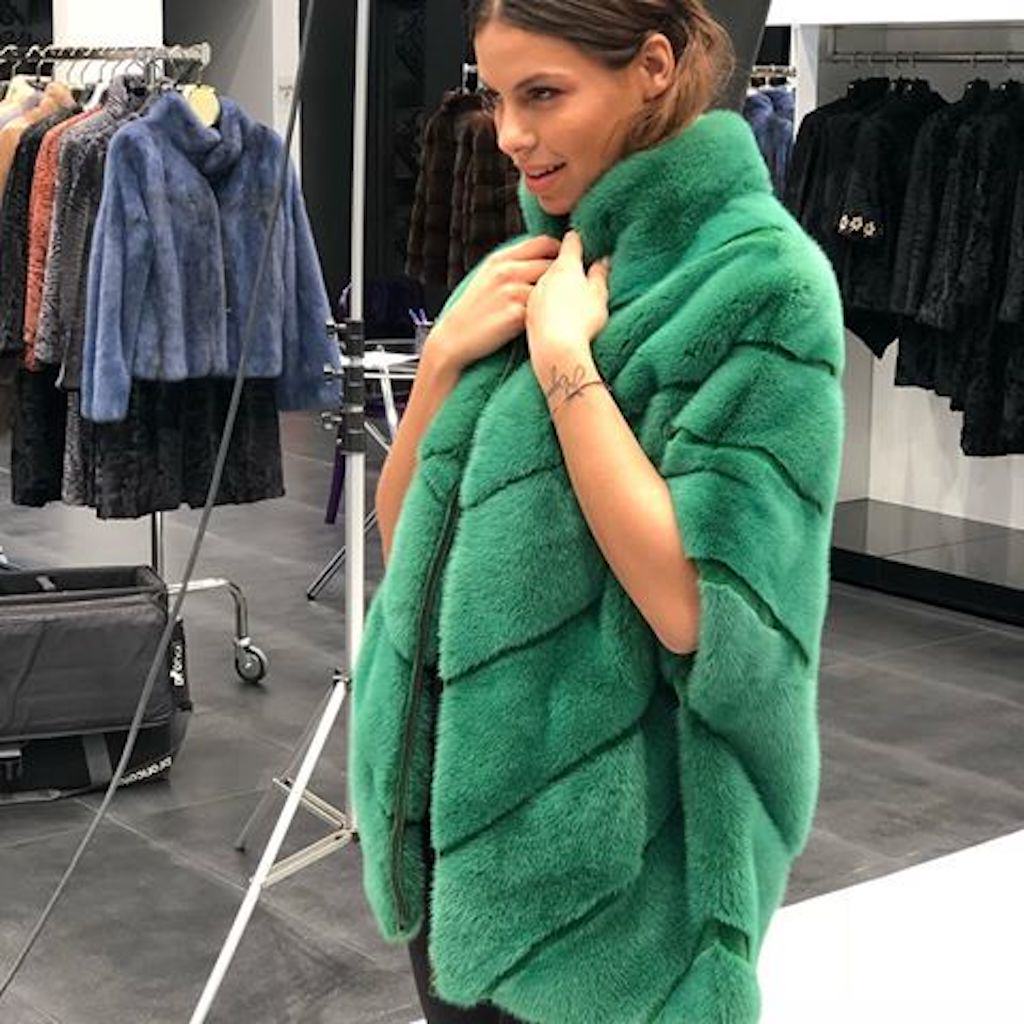
Suspicious of research? Then let’s look at the best indicator of any when it comes to consumer attitudes, the cash register. If consumers weren’t buying fur, retailers would not be taking up valuable space and spending marketing dollars to sell it. And if retailers weren’t offering it, designers and manufacturers would not be producing it. It is that simple. But as the fall 2018 and couture runways show, there are a lot of great fur fashions coming this season.
If you pay attention this fall you will see fur fashions, fur shoes and fur accessories in designer boutiques, outerwear and sporting goods stores, shoe salons and all over the major luxury department stores. Just last week I visited the Bloomingdale’s in Century City, CA and saw 45 different shoe styles with fur on display ... and we’re still in the heat of summer!
Clearly the anti-fur zealots have not been successful in changing consumer attitudes enough over the past 35+ years, nor have they put a dent in fur’s unwavering appeal. As a result of this failure, they now turn to legislators to force their anti-fur agenda upon the rest of us. It is a gross violation of the core principles of democracy.
Here at Furinsider we are admittedly fur-friendly. But our focus is fashion. In that regard, we celebrate the creative freedom that allows designers to innovate and produce fresh new fashion season after season.
And we celebrate the freedom inherent in our democracy that allows us, the public, to choose to buy and wear fashion that expresses our individuality. All of which is to say, if consumers want fake fur we are all for it, as long as they have done their homework and considered the environmental threats imposed by the microfibers that enter our waterways and are ingested by marine life. And, of course, as long as it is well designed!
At the same time, if consumers want real fur for its rich, luxurious texture, its warmth, the incredible fashions and accessories made from real fur, or the very fact that they are concerned about the environment and they choose to buy products that are renewable and sustainable ... we say go for it!
For those that choose not to buy fur, wear leather, or eat meat, we respect those choices. But, you have no right to take these freedoms from the rest of us.
Our July news roundup focuses on two areas where a little more common sense could solve everyone’s problems. When wild… Read More
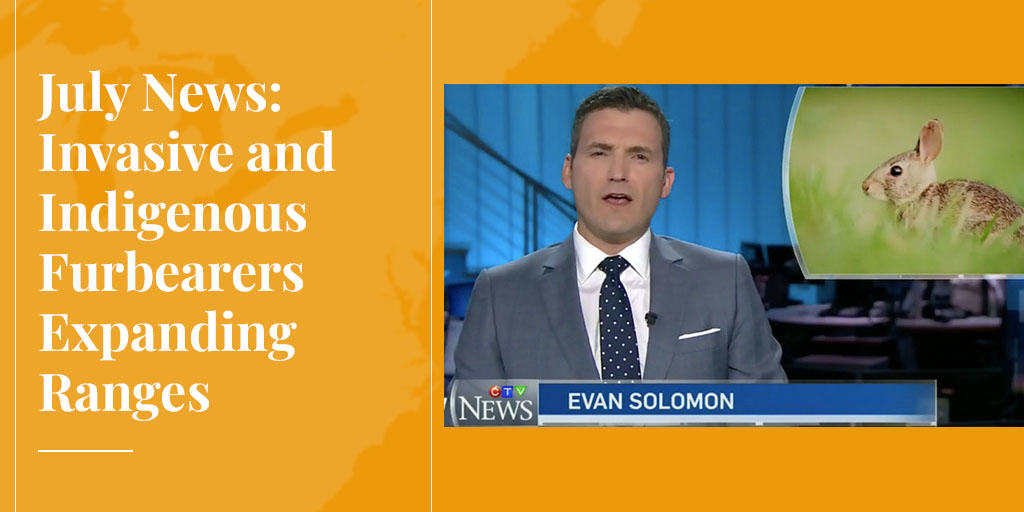
Canmore, Alberta's war on invasive rabbits is expensive and ineffective. Screen grab: CTV News
Our July news roundup focuses on two areas where a little more common sense could solve everyone's problems. When wild furbearer populations grow too large, whether they're invasive or indigenous, common sense suggests we cull them and make use of the fur and meat (if they're tasty). But animal advocates want us to share space even with dangerous wildlife while calling for fur bans.
The Darwin Award for managing invasive wildlife goes to Canmore, Alberta, where a program is under way to control an explosion of rabbits. It's not that the locals don't like rabbits, but some don't like all the hungry cougars, coyotes and bears they're attracting. So far, 1,300 rabbits have been trapped and euthanised, with most going as feed to a wildlife rehab centre. But now everyone's upset: rabbit lovers, obviously, but also taxpayers who are paying $300 per rabbit caught! Plus the program's not working because the rabbits are breeding like, well, rabbits. Duh!
A fashion designer in New Zealand, where invasive rabbits cause extensive environmental harm, has a much better idea. Jane Avery is turning rabbits into fur coats under the label Lapin (French for rabbit). "If you wish for the luxury of fur, then maybe you should be making an eco-conscious choice,” says Avery, who is not so much a fur fan as a lover of her natural environment.
Don't expect rabbits to vanish from Alberta or New Zealand any time soon, but efforts to eradicate invasive species do occasionally succeed. One such case is the American mink in Scotland's Outer Hebrides. Decades after mink were released from fur farms, wildlife conservationists now believe they finally have them under control.
Indigenous wildlife can also present problems, like "urban coyotes". In a classic case of "you can't please everyone", traps were first installed in a park in Cambridge, Ontario, and have now been removed following a campaign against the "cruel" traps by Coyote Watch Canada. Said one confused resident who's afraid of the coyotes, "The city has to do something about it, but not hurting them as well because they have the right to live."
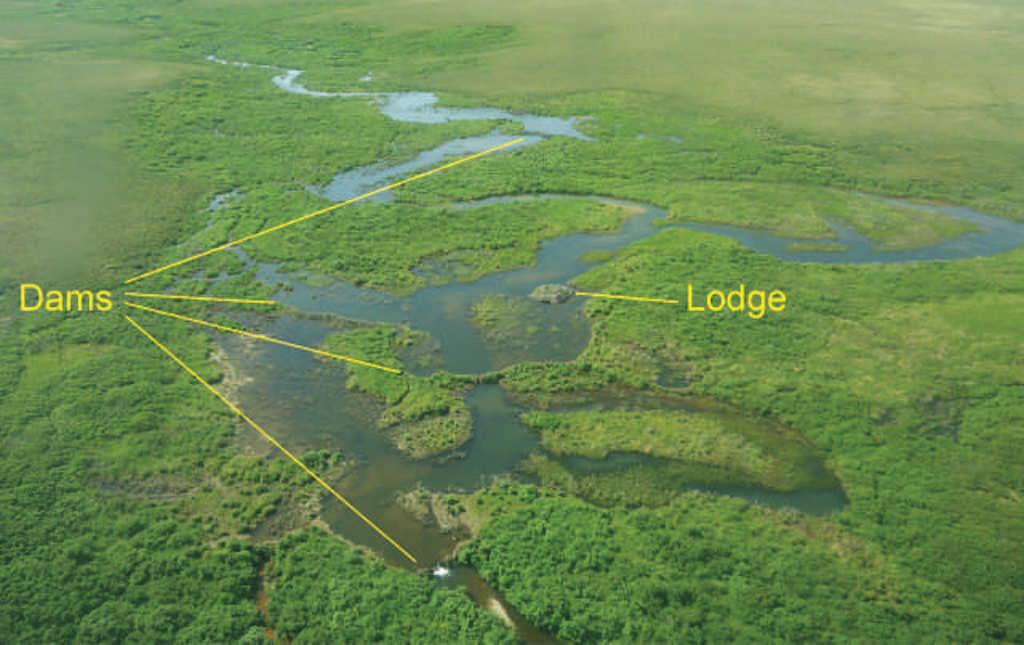
Beavers are expanding onto the Alaskan tundra, but is that good or bad? Image: Ken Tape, University of Alaska Fairbanks.
Beavers are also expanding their territory, onto the Alaskan tundra. “You just need to look at the map to see how well beavers recolonized the rest of North America after over-trapping," says an expert. "They are now in all the lower 48 states, and Alaska is the last standing – and it’s going to fall.” Given the radical changes beavers can bring to a landscape, the jury is still out on whether this is a good or a bad thing.
Regardless of how some furbearers are expanding their range, calls for fur bans are also spreading.
In the UK, a Parliamentary debate in June considered the possibility of banning fur imports post-Brexit. The government said no, but the anti-fur lobby have kept up a steady flow of stories to the hungry media. Grabbing headlines in July was the spurious argument that fur should be banned because a few retailers have been caught labelling it as fake. The government has rightly said this is not grounds for a ban, but it seems to be wavering, as this BBC report shows.
Also in Europe, Ireland's Green Party will be reviving its bid to have fur farming banned there. This almost happened back in 2009, but got derailed during a period of political turmoil.
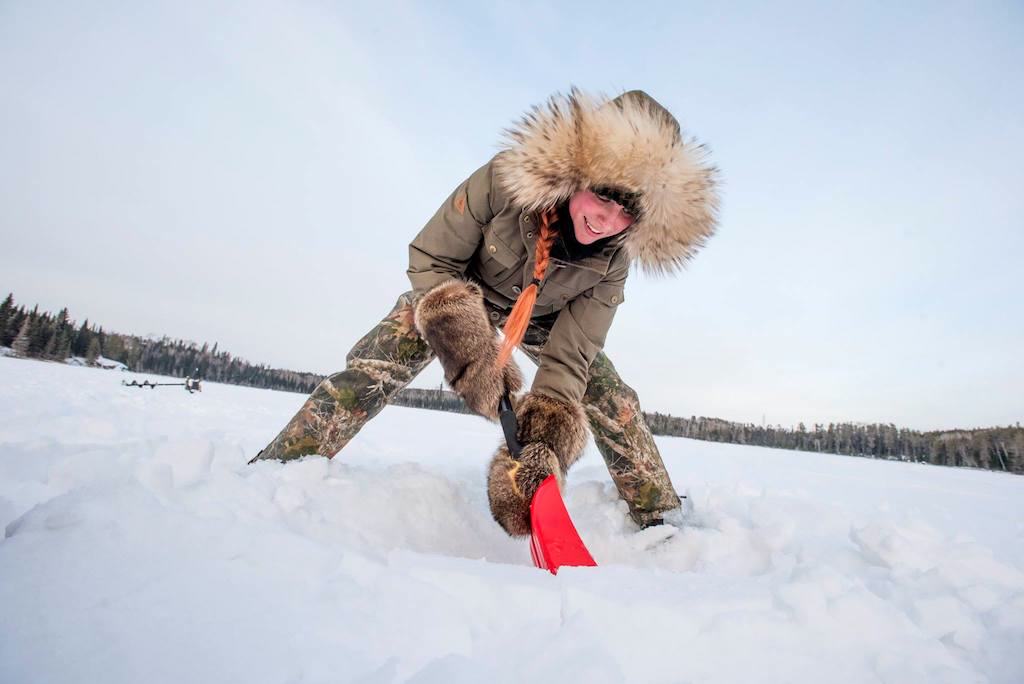
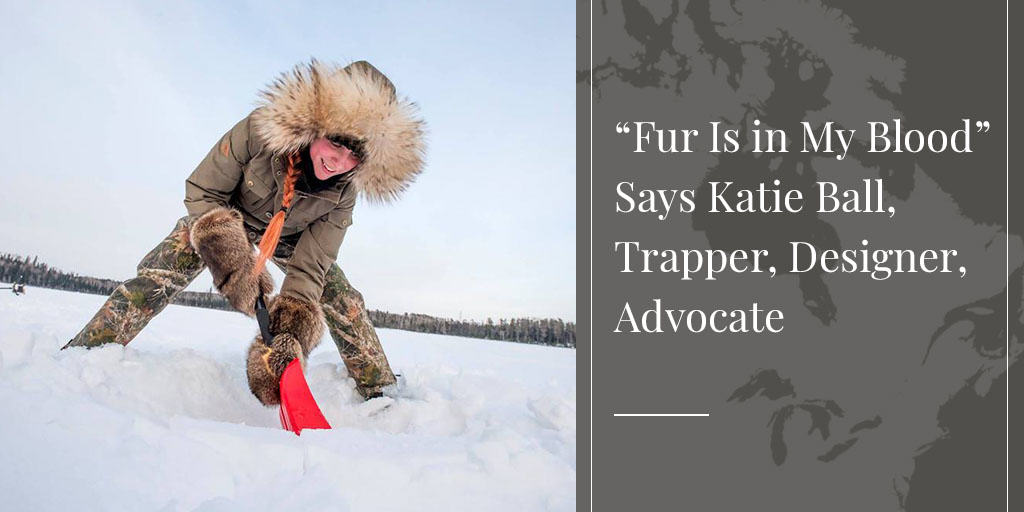
Sporting a fox ruff and raccoon mitts, "made by yours truly, of course!", Katie Ball loves the whole outdoors life, even ice fishing. Photo: Alyssa Lloyd, Bushwoman Workshops.
Last month Truth About Fur interviewed Katie Ball from Thunder Bay, Ontario. Katie says fur is in her blood and it shows! When she's not on the trapline, she's running her own fur fashion company or advocating on behalf of several outdoors associations.
We also ran an overview of the latest annual general meeting of the Fur Institute of Canada. For those not already in the know, the FIC is the country’s leader on humane trap research and furbearer conservation, and is the official trap-testing agency for the federal and provincial/territorial governments.
Odds and Ends
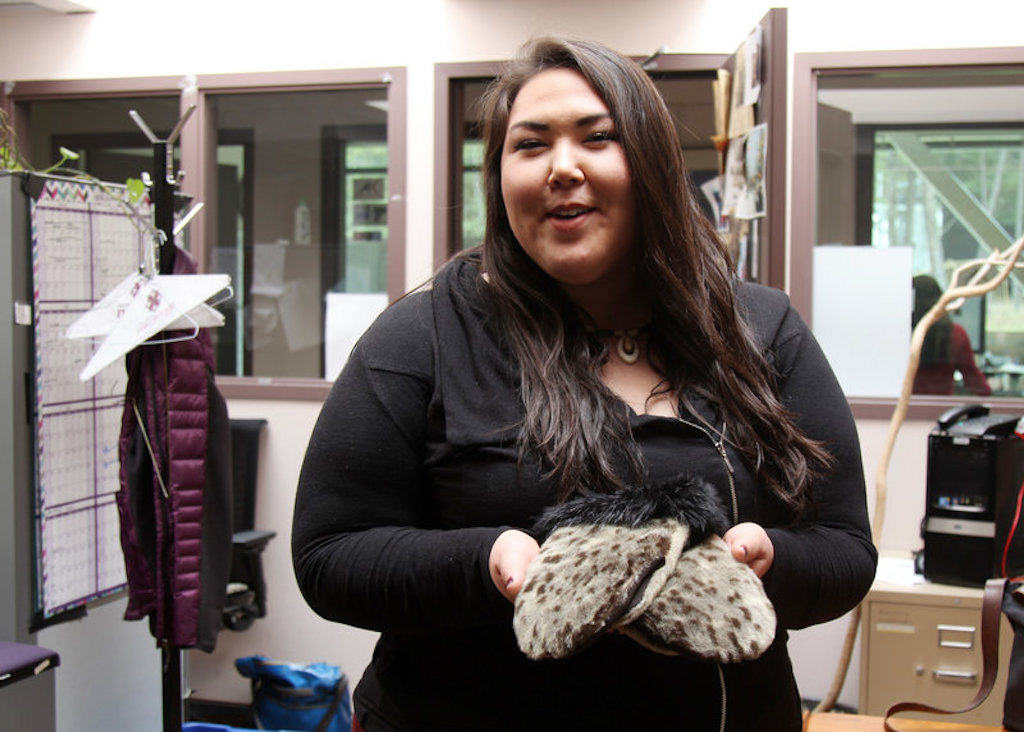
Cordelia Kellie showing off her sealskin gloves made in Shishmaref, Alaska. Photo: Zachariah Hughes / Alaska Public Media.
Let's close with some news in brief ...
In 2018, the International Fur Federation and Fur Europe commissioned a study comparing degradation of real and fake fur in a simulated landfill. Now they've released a video summarising the findings.
This year's winners of the Yukon Innovation Prize say they want to turn the fur industry upside down. Team Yukon Fur Real plans to buy pelts from local trappers and help artisans create fur products that can be sold to consumers.
Calling sports fans, a fur coat owned and signed by Joe Namath is up for auction! To place your bid, click here. As of August 1, there are zero bids, perhaps because the reserve price is $10,000!
Katie Ball is a trapper from Thunder Bay, Ontario who also runs her own company, Silver Cedar Studio, designing and making… Read More
Sporting a fox ruff and raccoon mitts, "made by yours truly, of course!", Katie Ball loves the whole outdoors life, even ice fishing. Photo: Alyssa Lloyd, Bushwoman Workshops
Truth About Fur: You grew up helping your father run a trapline, but spread your wings to work in pet sales, veterinary care, and as a fashion model. Yet you returned to trapping and in 2014 went into business producing fur garments. In an interview with the International Fur Federation, you said fur “is in my blood and who I am to the core.” How did that happen, and how does it feel to be so sure of who you are?
Katie Ball: It started as one simple question. I was at a trappers' convention looking over new techniques of fur-processing when my dear friend (and now mentor) Becky Monk reached over a sheared and dyed peach beaver pelt and asked me, "Have you ever considered working with fur?" I had been looking for a medium that would allow me to combine my love of nature, fashion modeling and creativity into one package. Fur was that medium.
Fur goes beyond my individual self. It encompasses our rich Canadian history, it is the warmest, most natural product on the market, and its uses and ability to be manipulated into so many versatile looks know no bounds.
For me to be a part of this tradition is humbling. I take pride in my upbringing in a trapping family, and will do whatever it takes to help pass that on to future generations.
TAF: You've been working the same trapline with your father since 1989. Tell us about it, and the changes you've seen.
Katie Ball: Our trapline is 150 km north of Thunder Bay. The terrain is enveloped by boreal forest and offers a variety of landscapes that allows for a broad range of furbearers to be harvested. Lakes, rivers, bogs, marshes, swamps, red and jack pine forests, birch and aspen as far as you can see over rolling landscapes, we have it all. From the warm start of fall to the frigid deep freeze of winter, we truly experience the four seasons nature has to offer.
Many changes have come to the landscape over the years – forest fires, logging, mining, roads and aggregates. But these are not as negative as many think. Old growth does not really exist in boreal forest; fires, pests and disease make certain of this. We have had two forest fires that I have witnessed. With burns come new jack pines that would not seed without the searing heat of the fires. New shoots and growth give food to the fauna. Logging can create better habitat for specific wild game, increasing numbers. Mining reclamation restores the surface to its original glory. Out of destruction some of the most amazing opportunities can arise, and Nature sure knows how to make the best of it.
On another level, I've seen animal populations rise and fall in synch with one another, like lynx and rabbit. Rabbits have approximately a seven-year cycle. As the population begins to increase so do the lynx. But then the rabbit population crashes, and the lynx decline right after. Moose populations sank with the cancelation of the spring bear hunt years ago, but the hunt has been reintroduced in hopes it can help the moose population recover.
TAF: You currently represent three outdoors associations, so you are clearly motivated to serve. What benefits do such organisations provide to the fur trade, and what would you say to a trapper who is undecided about whether to participate?
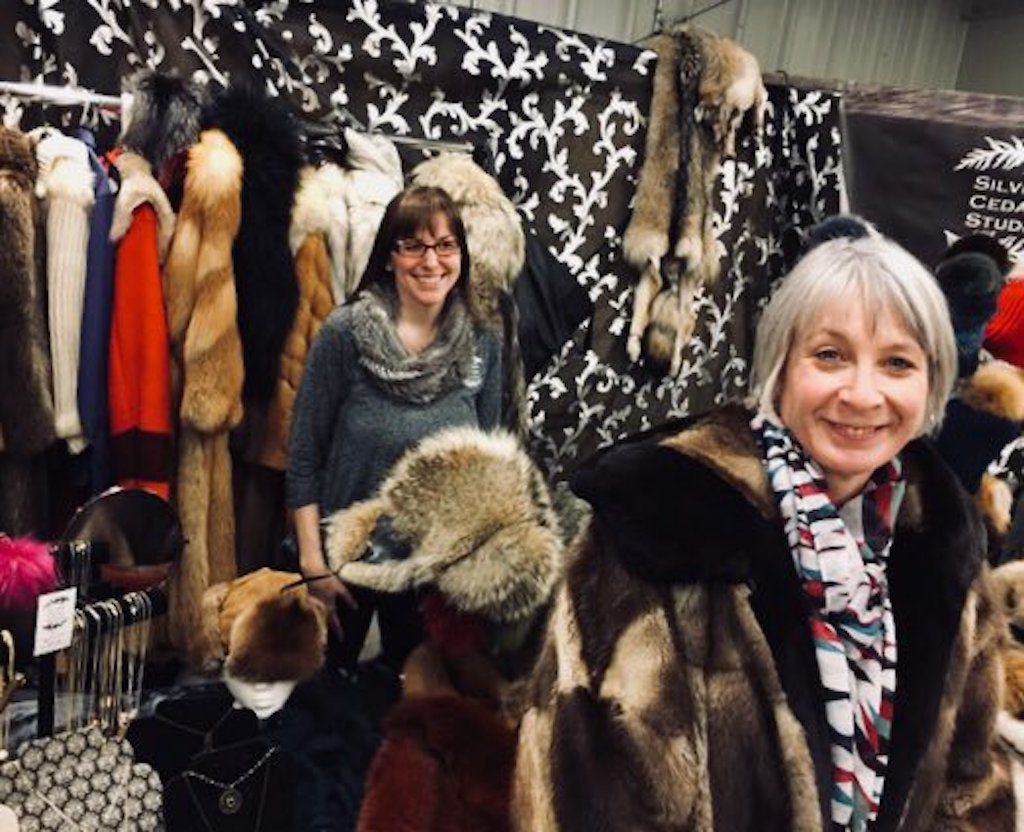
Minister of Employment, Workforce, and Labour Patty Hajdu is also a Thunder Bay resident. Here she visits the Silver Cedar Studio stand at the Northwestern Fur Trappers Association convention, 2018. Photo: Patty Hajdu / Facebook.
Katie Ball: These groups help give a voice to the outdoors community. Without them, we would not have a say on topics that could wipe out our passion, heritage and future. Most trappers just want to be out in the woods being stewards of the land, and I know the feeling. But politics wait for no man. We need to be on top of new regulations, legislation and activist groups who wish to do away with our lifestyle.
So get involved with your outdoors groups and make your voice heard. Help secure the future for our children, and take pride in what you do and love. We all share the same resource and our love of nature. There is strength in numbers, so why not work together to ensure that our way of life can be enjoyed for generations to come?
TAF: You call trappers “stewards of the land”. Can you give examples of how this works?
Katie Ball: Statistics show that there are more furbearers now than there were when the fur trade started. Populations are healthier, and even gene pools have benefited from trapping.
Trappers notice the small things, like what animals are moving through an area and when, or changes in their food supply. Are certain berries and plants growing? If it's a wet and cold spring, we know that many of the grouse young will not survive, and this can affect predator populations.
By knowing the lay of the land and how it all interlinks, trappers are a vast wealth of knowledge. Logging companies looking for gravel or decommissioned roads are better off talking to the local trapper than just following their GPS. They may be told of a washout or an old trail that will save time, money and resources.
Wilderness groups collecting data are better off talking to a trapper who will have insight on the local flora and fauna, and maybe even historical data.
Outdoors enthusiasts looking for a great camping spot or trails to hike – a trapper can point them in the right direction.
Plus, if something were to happen, it’s nice to know that someone is always out there in case of emergency.
TAF: How do you respond to accusations by animal rightists that trapping is inherently cruel? And do trappers need to work harder, or differently, to have their side of the story heard?
Katie Ball: With all the work conducted by the Fur Institute of Canada and many other groups, and with the Agreement on International Humane Trapping Standards (AIHTS) in force, it is hard to believe that even with the highest standard of trapping regulations and certified traps that many still think of trapping as cruel.
I have found that by talking to the public, educating individuals on our regulations, and standing behind our ethical practices, most get a bigger picture and realize that we are not out to destroy animal populations with archaic trapping methods. We are out helping maintain a healthy balance in nature.
Trappers need to stand up to such negative rhetoric. We need to be heard, as silence accomplishes nothing. And it is so much easier to reach the masses today.
Many trappers are not interested in getting in front of a crowd or being filmed, but they can still make a difference with one person at a time. Take the time to answer questions from inquiring minds. Take someone out for a day that would normally never get the chance to experience the wilderness. Spark a passion in an individual that will last them a lifetime.
It is only by educating the public that we can stamp out the negativity that surrounds trapping.
TAF: You have experience both as a trapper and in the fashion world, and are now producing fur garments. The Silver Cedar Studio website says that being a trapper helps you understand fur “in the way a carpenter understands wood.” Can you expand on this?
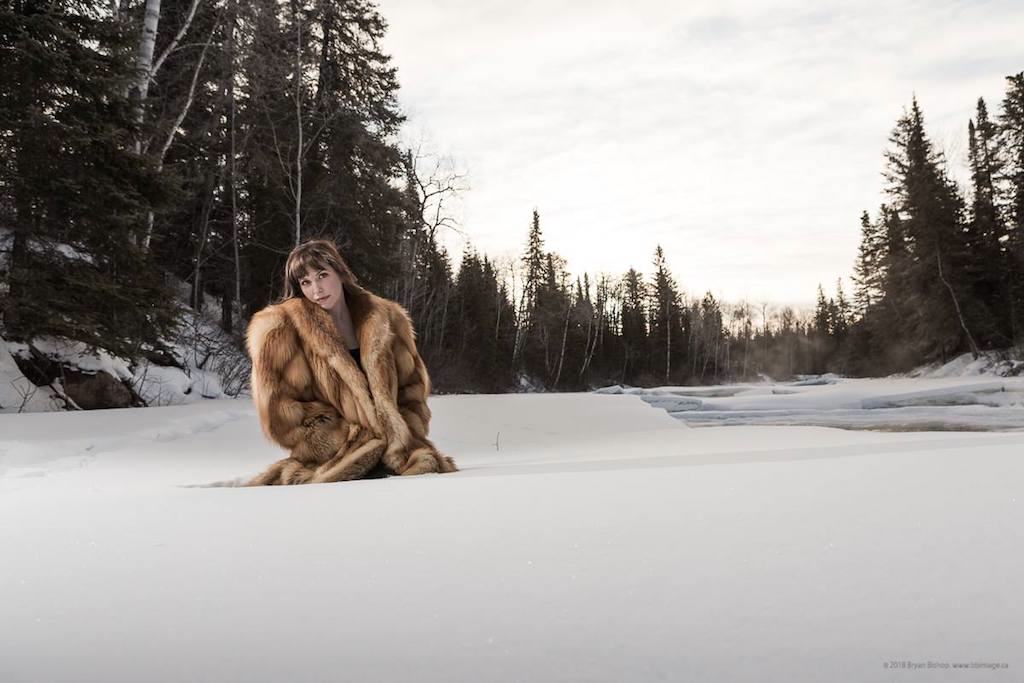
“This coat has much meaning to me. My father trapped each red fox to make it, all 27. This coat is a part of who I am, and influences me daily in my passions and trade.” Photo: BB Image.
Katie Ball: As a trapper I understand how the animals that I harvest live. I know their habitats and what challenges that may bring. And I understand the precautions and prepping that a trapper must undertake for each animal. That being said, as a designer, I can see fashion trends, take creative risks and develop a product specifically tailored for the individual customer.
By seeing both sides of this story, I am able to determine what furs are best suited for each and every fashion expectation and need of the customer. For example, warmth and durability are of the utmost importance to an outdoors enthusiast. Beaver and otter offer water-resistance, thick leather for durability, and dense underfur for holding air against the body while swimming. This translates to extra warmth for my client even on the harshest of winter nights.
TAF: On the subject of women as trappers, you told the International Fur Federation: “Regardless of gender, when it comes to working on the trapline, it comes down to individual strengths and weaknesses. There is no skill out in the bush that is labelled as gender specific.” Do women need encouragement to break the stereotype that trapping is for men?
Katie Ball: This is a question where the outside world perceives it differently than it is, and I do not understand why. When the world looks at trapping, it is visualized as almost exclusive to men. However the story is very different if you are part of the trapping community, or even just visit a trappers' convention.
To quote my friend and freelance writer (who is not a trapper) Ava Francesca Battocchio of her first experience at a trappers' convention, “You can imagine my intrigue when I found myself amongst a group of women trappers at the convention. These women were not passive onlookers – they were on the board of directors, they were role models and they were revered icons.”
There has always been quite the female presence in the trapping world. However, female numbers certainly have been on the rise and I for one am proud to see these numbers increase.
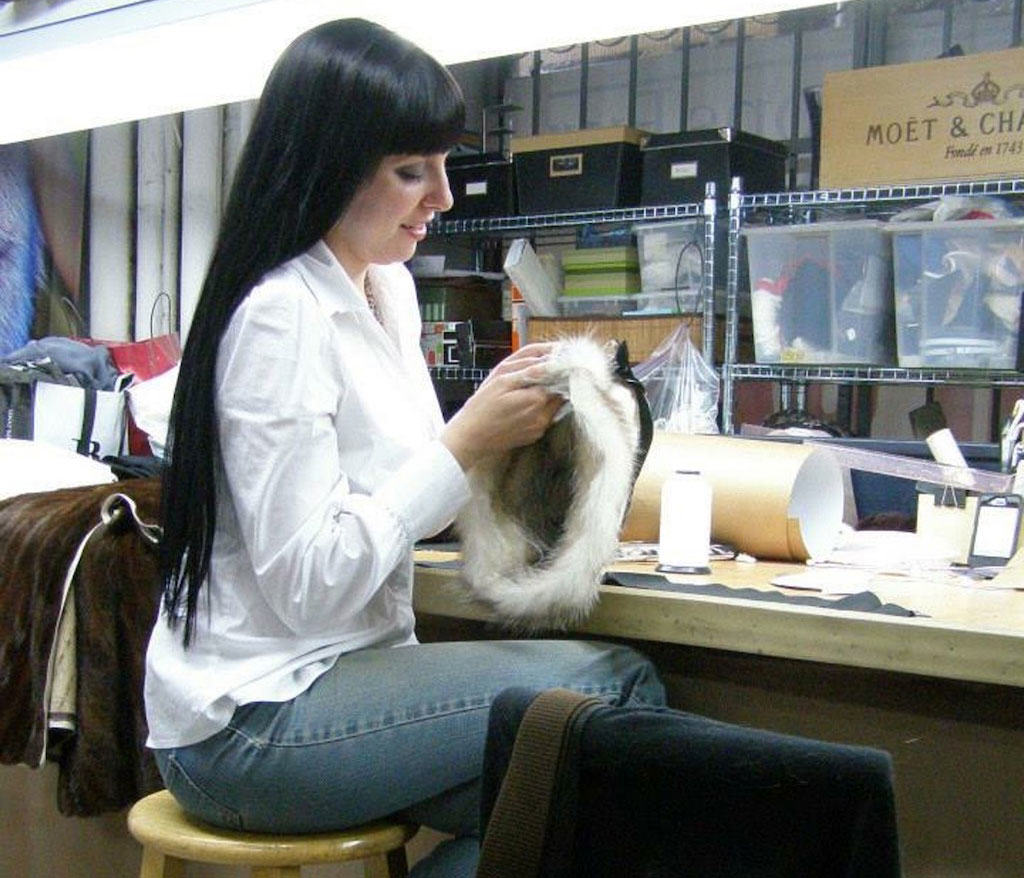
Being a trapper helps Katie understand fur "in the way a carpenter understands wood."
TAF: The future of fur trapping in North America rests with the next generation. Is it secure? Are enough young people taking up trapping, and if not, how can they be encouraged? Are currently low prices for wild furs affecting recruitment of young trappers?
Katie Ball: There are plenty of youth that are taking up the reins as trappers thanks to families getting them out on the land and making a pleasant experience that they will carry on for a lifetime. However, it's the people and youth that do not have this inherent advantage that we need to get out there.
“Take a kid trapping” is by far one of my favourite slogans. But take your kid and their friend. Take your niece or nephew and their friends. Get your neighbours and family friends to experience the great outdoors as well. There is no time like the present. It’s not just about trapping; educating people and creating allies will ensure that our heritage is passed on to future generations.
When it comes to fur prices, as my father always says, “We don’t do this for the money. We do it because we love it." The fresh air, nature, exercise and pride in knowing we are a part of a delicate balance – these are just a few reasons why we enjoy time spent trapping.
But if you want to look at it monetarily, fur prices have always fluctuated, depending on trends, politics, and the state of financial security. One factor that I find has been driving my business since I started is naturally sourced materials. People are not only looking at where their food comes from these days, but also where their clothes come from and what they're made of. People are choosing to get away from petrol-based products and are actively seeking out ethically sourced and eco-friendly products. I believe that we can start to see an increase in demand just from this trend alone in the near future.
TAF: Let's close on a lighter note. Trappers always seem to have a bunch of stories to tell. Can you share some of your memorable moments?
Katie Ball: Every day presents a new challenge, experience and memory: feeding the whiskey jacks from my toes as a kid, working in the skinning room with my dad in the dead of winter. Going out with my partner Richard has become a new and wondrous adventure, sharing our passion for the outdoors and learning from each other along the way.
Driving down the winter road with my uncle looking for signs of moose, when all of a sudden we were flanked on both sides by a wolf pack. They ran just like dolphins on either side of a boat. This lasted for about 3 km, then they disappeared as fast as they came.
Otters swimming around the boat while collecting our minnow traps.
So many events, but they always come out during conversation around the fire.
Okanagan Valley, British Columbia, is a unique experience for visitors with its high desert environment, vast orchards and lush vineyards. It… Read More
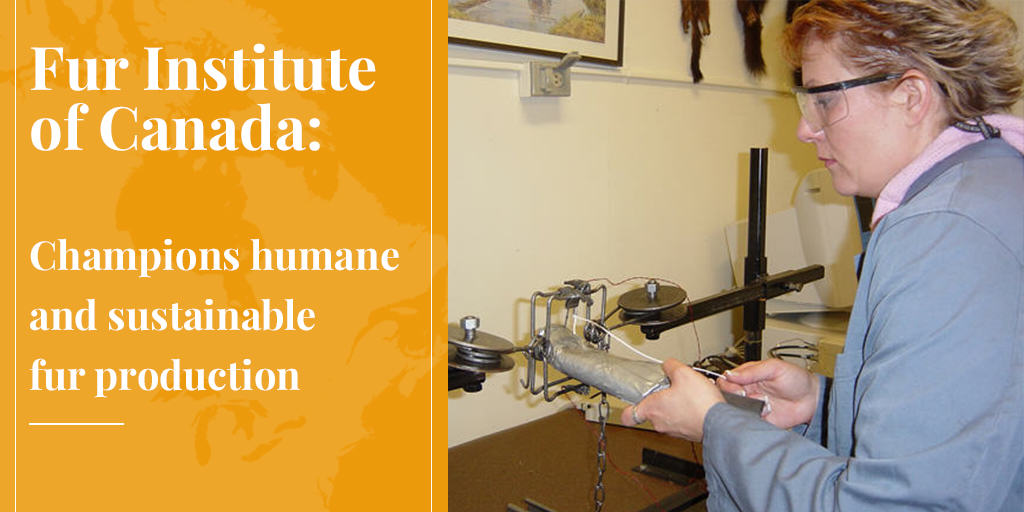
Trap research is central to the Fur Institute's mission of promoting humane, sustainable fur. Here mechanical simulation tests the velocity of a rotating jaw trap.
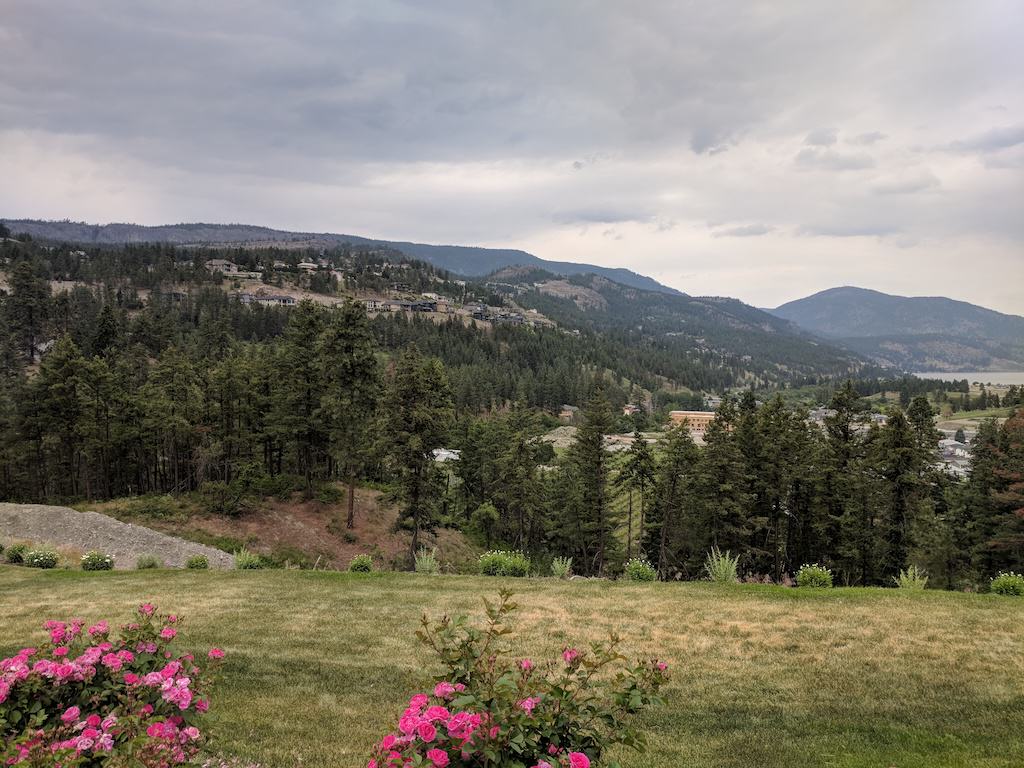
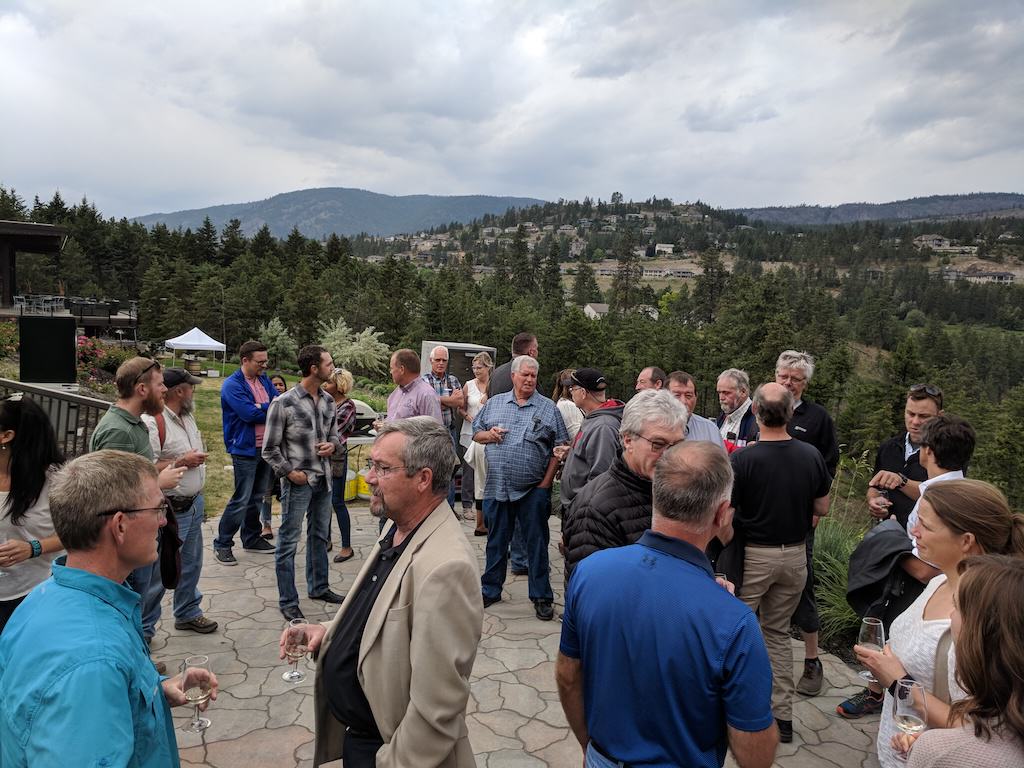
Okanagan Valley, British Columbia, is a unique experience for visitors with its high desert environment, vast orchards and lush vineyards. It also provides a fertile backdrop for talks about Canada's abundant wild furbearers and the production of humane and sustainable fur.
The Fur Institute of Canada chose Kelowna, on the shore of Okanagan Lake, for its 2018 Annual General Meeting this past June 4-9. This was my fourth AGM, following the ones in Saskatoon, Saskatchewan; Yellowknife in the Northwest Territories; and Montreal. The local representation is always impressive, the people are always interesting, and year over year, the growth and changes in the organization are great to see.
This meeting also provided a great opportunity to take in the diverse ecosystems of the BC interior, unlike most any in the world. Kelowna catches you by surprise with its “bowl like” feel of being surrounded by hills in an arid, desert-like setting. The cab driver on the ride from the airport said it had only rained once or twice in the past month.
Having largely grown up in the Ottawa area, seeing new areas of Canada is one of the pleasures of these meetings, and other members of the FIC feel the same. Experiencing west coast hospitality in Kelowna was eye-opening and fun. Outstanding was a social evening at Kelowna’s Indigenous World Winery featuring local wines and creative and delicious dishes of seal and various locally harvested wild species.
The beautiful Okanagan Valley is an important regional commercial and agricultural hub and popular for recreational activities.
What Is the Fur Institute of Canada?
The FIC is a not-for-profit organization established in 1983 on the recommendation of government wildlife agencies to bring together the many organizations which form the Canadian fur industry. It is the country’s leader on humane trap research and furbearer conservation, and is the official trap-testing agency for the federal and provincial/territorial governments. The FIC manages Canada’s humane trap research and testing program through InnoTech Alberta, the research centre which provides compound and field testing of traps, computer modelling and other important scientific services. All testing is done in accordance with the Agreement on International Humane Trapping Standards (AIHTS).
While the climate of Kelowna may be dry, the discussions had during the FIC AGM were anything but. The conversation is directed by the FIC’s operational committees covering the key Canadian fur trade issues – trap research and development, sealing, and communications – with members from coast to coast to coast. The AGM provides the most important opportunity of the year for people representing all facets of the trade to meet and discuss the work from the previous year and plan for the future.
Trap Research and Development Committee
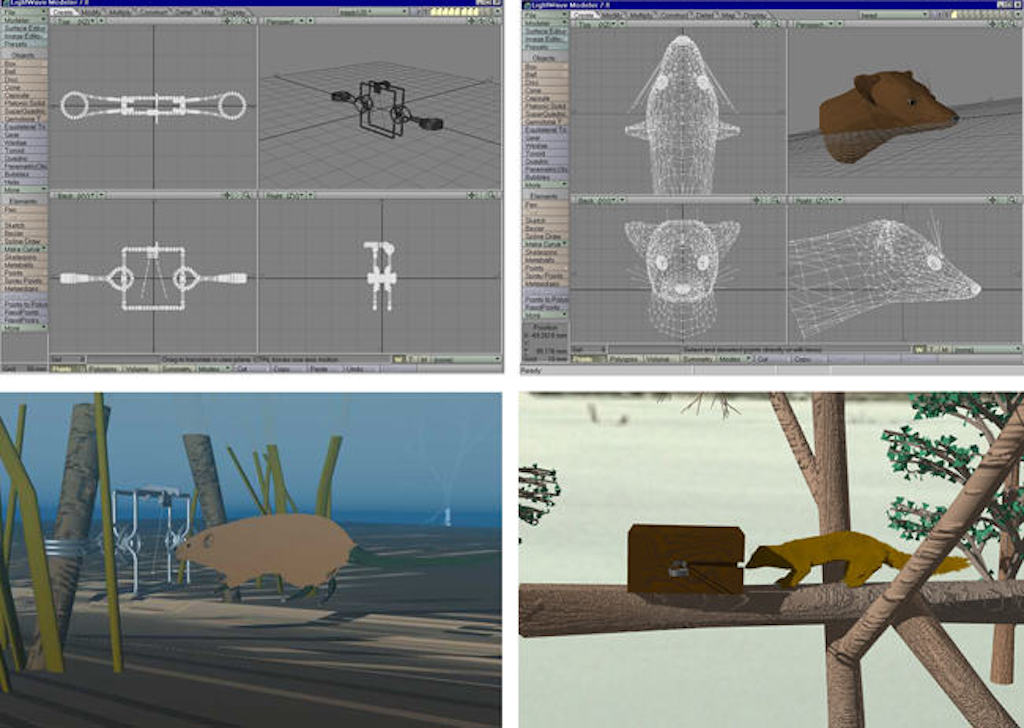
Vegreville, Alberta is home to the world's premier trap research facility, established by the FIC in partnership with the Alberta Research Council. Computer simulations now replace live animals for much of the research. Clockwise from top left: A Conibear 120 quick-kill trap; marten head; running pole set for marten; underwater set for muskrat.
The AGM began with the Trap Research and Development Committee (TRDC). The FIC has been coordinating Canada’s world-leading trap R&D program since it was founded 35 years ago. During that time, $58 million has been invested in this program, with funding from the Canadian government, the International Fur Federation, provincial governments, trappers’ associations and others. This work provided the scientific basis for the AIHTS, as well as being responsible for many changes in provincial and territorial trapping regulations, greatly improving animal welfare across Canada and in many other countries.
Pierre Canac-Marquis, Trap Research Coordinator for the TRDC, presented highlights of trap research over the last year and to be continued in 2018-19, with the approval of the Canadian Wildlife Directors Committee. This research is focusing on two main studies: development and implementation of a new AIHTS testing and rating protocol applicable to leghold-trap certification that would eliminate use of live animals; and a comprehensive study on the functioning and effect of killing neck snares from a field perspective and a veterinarian pathology perspective.
To date, over 200 models of trap have been tested and certified in accordance with AIHTS standards, with virtually all testing having been conducted in Canada. The certified trap list is regularly updated, with five updates in the last year alone, the most recent being on July 1.
“TRDC work at the AGM generated fantastic interest from all participants!” Pierre said after the meeting.
Presentations were also made by veterinary pathologist and TRDC member Dr. Rudi Mueller, and by Dr. Brian Eaton, team leader of the Ecosystem Management Section of Innotech Alberta.
Sealing Committee
The Seals & Sealing Network is the premier on-line source of research, information, and educational resources about the Canadian seal hunt.
The Sealing Committee this year was chaired by Corenna Nuyalia, Nunavut's senior advisor for fishing, sealing and fur programs. Corenna stressed the importance of “domestic marketing that includes public outreach and education with a holistic approach that includes all stakeholders of the sealing industry in Canada to promote seal and seal products."
The Sealing Committee discussed and worked on various projects to make this happen. Keep an eye out for the many projects to come on the Committee's website, Seals & Sealing Network.
Communications Committee
The Communications Committee this year was chaired by Jim Gibb from Ontario, a trapper, certified trapping instructor, former board member of Fur Harvesters Auction, and now a blogger with Truth About Fur. “When you host a face-to-face meeting like this, the networking and discussions that happen in the corridors and over dinner can be just as important as the official meetings themselves, if not more so," said Jim. "It has always been a powerful tool for the FIC to have key members of the industry together in the room discussing ongoing work and issues.”
The Communications Committee was busy this past year, with highlights including new membership tools on the FIC website, and collaboration with the industry to communicate the benefits and assurances of wild fur to retailers. The Committee also prepared and distributed important print materials, like our economic brochure #Canadian Fur, Dollars and Cents, and an updated version of our information booklet Furbearers of Canada, both of which are now ready for distribution to our membership. The Committee has also developed a media training program which will be used to prepare spokespeople in different regions of the country.
At this year's meeting, the Committee elected a new chair, but he’s a very familiar face in our industry. Mike O’Brien, recently retired from the Department of Natural Resources in Nova Scotia, plans to continue building on the Committee's achievements, to improve public understanding of the sustainable use of North America’s furbearers.
New Board Chair
Jim Gibb (far left) was elected to be the new chair of the FIC while Mike O'Brien (seated opposite) takes over as chair of the Communications Committee.
Meanwhile outgoing Communications Committee chair Jim Gibb was elected as the new chair of the FIC's Board of Directors, succeeding Dion Dakins of Carino Processing who stays on as a Board member. Jim explained that his priority will be to develop and implement a plan for succession for the organization. By working with the committees and members, he hopes to engage with younger people to have a new generation ready to work with the FIC, strengthening the organization for the future.
“I look forward to working with all members and committees on the important work they are all doing for the betterment of sustainable use in Canada," Jim said. “The Fur Institute of Canada has many projects ongoing and I hope to tap into what is a vast knowledge base of our membership, wonderful people whether they're from urban centres or the many rural and coastal communities that continue to be directly committed to the cultural and economic benefits of this wonderful industry. We have many challenges, but together I am confident that we can accomplish great things moving forward.”
“When you host a face-to-face meeting like this, the networking and discussions that happen outside of the meeting itself can be just as impactful if not more," says new FIC chair Jim Gibb.
In all, the AGM was successful as the members worked to set up a great game-plan for the coming year. The FIC is the only organization in Canada that brings all facets of the fur industry together and we must utilize that to protect and improve the entire trade. We must continue to improve the trap research program, to develop the media training program and deliver it to our members, and to engage with our trapping associations and members from across the country to build a strong succession for the FIC. This will provide a strong knowledge base and a mandate for years to come.
As anticipated, the Conservative government said it has no plans to ban fur imports, but the future is far from secure if Labour wins the next general election, scheduled for 2022.
And on the subject of food fascism, a food lawyer (yes, such a job exists!) says we should follow California's foie gras ban closely. The Supreme Court, no less, has been asked to hear an appeal from producers about a circuit court ruling reinstating the ban. "This is a court case about much more than foie gras," Baylen Linnekin told the Orange County Register. "It concerns the future of beef, poultry, pork, and other foods eaten by nearly every American."
When animal users are not countering ignorant and often untruthful attacks from animal rightists, we're searching for answers to tough questions. When it comes to knowing your opponent, here's a thought-provoking piece in The New Republic entitled "The truth about the 'vegan lobby'.""It has long been demonized by conservatives – and even some vegans themselves – but does it really exist?" asks Emily Atkin.
Truth About Fur's senior researcher Alan Herscovici examined "The truth about 'fur free' designer brands". Have they really developed a dislike for fur, or are there other forces at work?
Also on our blog, conservationist and environmental social scientist Paul McCarney asked the tough question of whether anthropomorphism is good or bad for conservation. And on a related note, Roy Graber at WATTAgNet says farmers et al. should "Stop saying animals are our friends." "Often when the food and agriculture industry depicts overly happy visions of livestock and poultry, it reinforces unrealistic expectations," he writes.
Meanwhile, it's easy for animal users who produce food and clothing to forget that medical researchers have been under attack for decades and the problem shows no signs of abating. The Daily Bruin published a series of responses by researchers to activists, defending the use of animals in studies. Said one, "It is difficult to have a conversation with people who believe that human and animal lives should be weighed equally."
If you ever have to argue why we don't need to treat animals quite as well as humans and you're not sure what to say, Juan Carlos Marvizon, Ph.D. provides this scientific explanation in Speaking of Research.
Trapping News
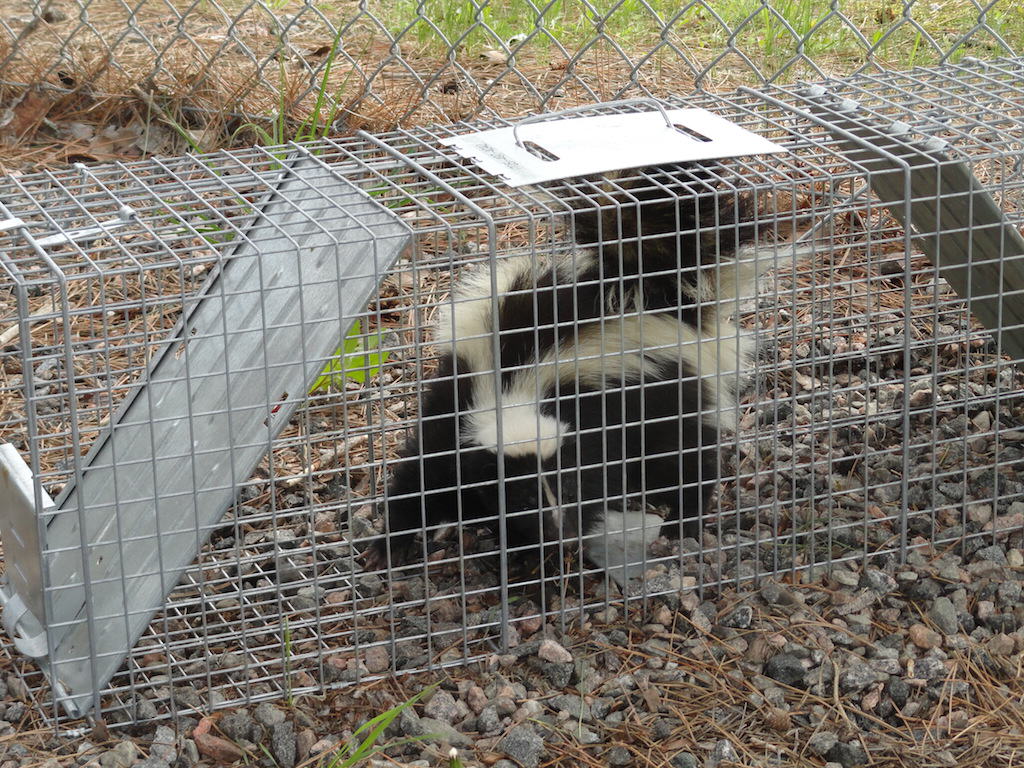
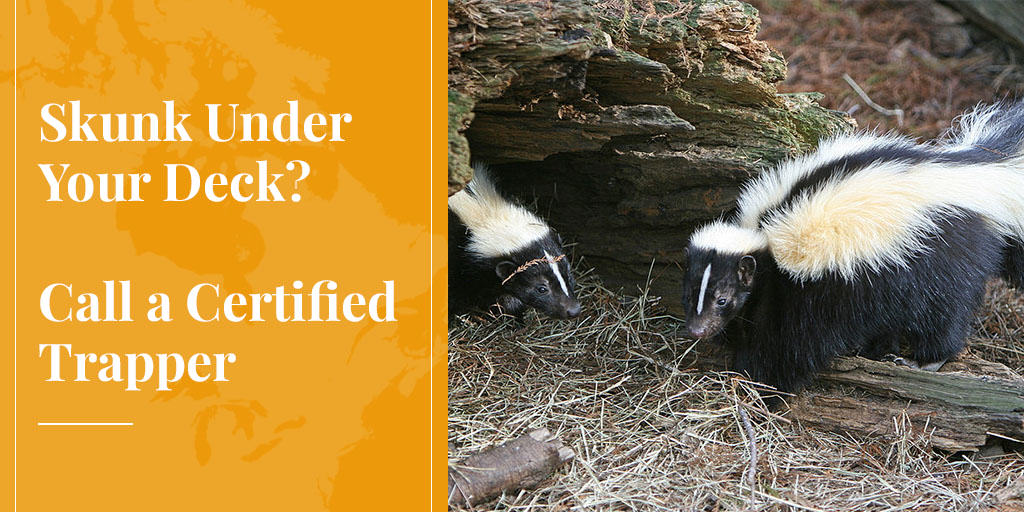
One skunk safely inside a double-door live trap. Certified trappers can help make ends meet by removing nuisance animals, explains Jim Gibb.
Ontarians have been hogging the trapping headlines of late, in a nice way.
And if you want to trap in Ontario but come from out-of-state – or in this case a whole different country – be sure to follow local regulations. These Minnesota trappers were fined $6,000 for trapping violations in Ontario.
In other trapping news, the Northwest Territories are having trouble with too many beavers, so the government has raised the bounty from $50 last year to $100. The offer ended June 10, so plan for 2019. This is called a marketing incentive, not a cull, and trappers must show evidence that the meat or pelt are being used.
Payback
It's unfortunate, of course, that so many animal activists now behave so badly, but the "good" news is that law enforcement and society at large are not giving them a free ride.
In Florida, an angry sheriff brought attention to the old problem of activists releasing undercover videos of alleged animal cruelty to the media rather than to law enforcement, in this case enabling the perpetrators to flee the state. As always we ask ourselves, do they really want to protect animals or simply grab media attention?
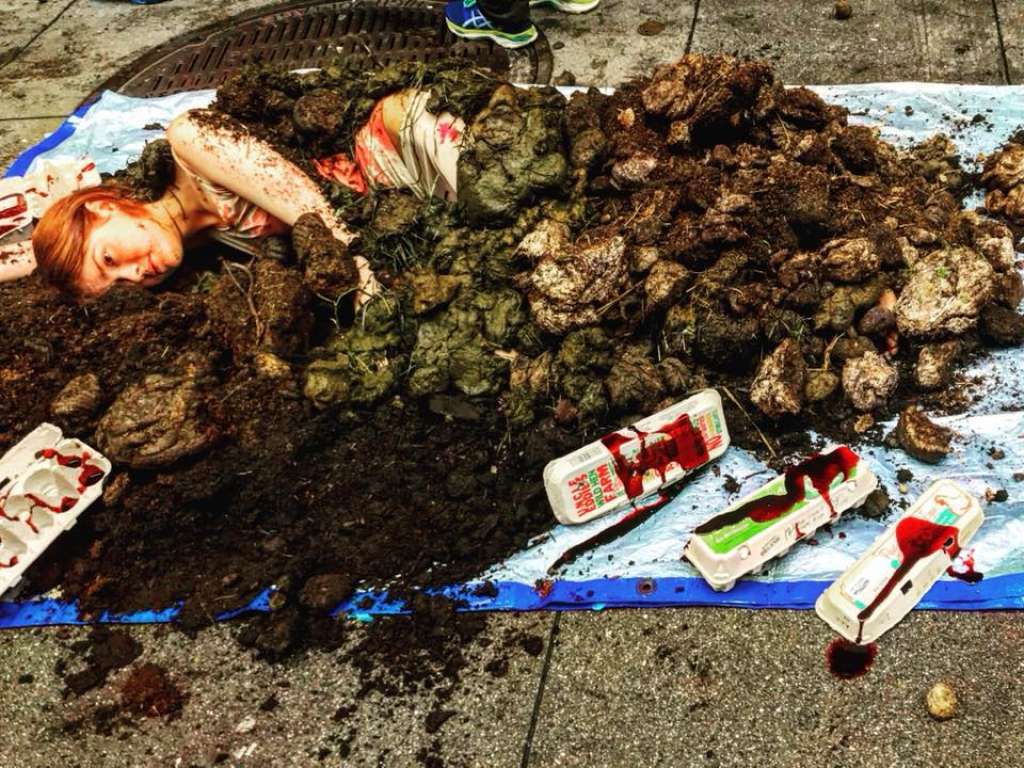
Last but not least, it's tempting to laugh at the fate of these Direct Action Everywhere protesters who crashed a BBQ challenge in San Francisco, only to be booed, heckled and taunted with meat by the participants. What did they expect? And if you think that's nuts, check out the video of the lady protesting "cruel" conditions on chicken farms by lying in a pile of poop – in California, of course!
We often assume that if we convince people to care about wildlife they will support conservation. Of course, people are unlikely to support something they don't feel personally attached to. Unfortunately, simply caring about wildlife does not always lead to positive conservation behaviour or support for policies. So the task is not only to make people care about wildlife but to do so in a way that will inspire them to take action.
Writers, poets, artists, and conservationists have attempted to make people care about wildlife by giving them emotions and characteristics that we value in ourselves, a process known as anthropomorphism. The use of anthropomorphism has created passionate debate among naturalists and conservationists and is perhaps most famously exemplified in Disney's 1942 film, Bambi. While many people have strong opinions about it, the question we really need to ask is, can anthropomorphism benefit conservation?
I recently had a conversation with a close friend about anthropomorphism. He thinks deeply about issues and I admire his ideas. I made an off-the-cuff remark about my frustrations about anthropomorphism and was surprised to hear him say that he believes it can be beneficial for conservation. The conversation was fascinating and made me think about my own assumptions about anthropomorphism and how they are informed by my relationship to wildlife as a hunter and my observations of conservation in North America.
Anthropomorphism
Most of us have probably been bombarded with anthropomorphic messaging since childhood. Anthropomorphism is applying "humanlike characteristics, motivations, intentions, and emotions" to animals. Sometimes we do this subconsciously; other times, it is a tool used intentionally to mobilize support for a cause. For further reference, see just about any Disney movie, ever.
Everyone respects him. For of all the deer in the forest, not one has lived half so long. He's very brave and very wise. That's why he's known as the Great Prince of the Forest.
- Bambi, 1942
Researchers have examined what motivates people to anthropomorphize animals. One of the conditions under which people tend to anthropomorphize is when they seek social connections or need to reduce loneliness. When we portray or talk about wildlife as though it has human emotions or characteristics, it can change how we treat those species. Epley et al. (2007) found that "treating agents as human versus nonhuman has a powerful impact on whether those agents are treated as moral agents worthy of respect and concern or treated merely as objects". There are a number of implicit and explicit reasons we might wish to see animals treated as moral agents.
I am interested in the impact that anthropomorphism might have on conservation. Certainly, anthropomorphism has been used in the creation stories, myths, and parables of cultures all over the world for thousands of years. Many of those cultures have maintained a close and sustainable relationship with nature. When discussing anthropomorphism and conservation, I'll note that I am referring to both of those concepts as they have been taken up and given form within a largely Western cultural context.
Bambi and the Nature Fakers
The hunting writer David Petersen talks about Bambi and the concept it represents in the popular imagination in his book Heartsblood (2003). Petersen opposes "Bambi syndrome" on both cultural and ecological bases. First and foremost, he notes, Bambi plants a seed of "ill-founded guilt" in the public's imagination. Ecologically, the story of Bambi completely distorts the reality of deer biology and wildlife management. Petersen presents a clear and concise explanation of the ecological sense in hunting young deer. (It is too in-depth to cover here, but in short, killing young deer amounts to what ecologists have called "compensatory mortality" and is a natural part of maintaining healthy deer population dynamics.)
Bambi presents a completely unrealistic view of forest ecology and interactions among wild animals. It is anthropomorphism to its most sinister and damaging extent. Walt Disney was an anti-hunter and it was a deliberate decision to exclude all wildlife predators from the film adaptation of Bambi in order to portray humans as the only enemies of wildlife. Walt Disney used anthropomorphism repeatedly over the years, realizing that this kind of deliberate manipulation of nature was a gold mine. So even if Bambi incidentally brought people to conservation, let's agree for a moment that it was not the film's primary intention. Petersen also notes that famous film critic Roger Ebert questioned the film's suitability for young audiences, saying, "I am not sure it's a good experience for children – especially young and impressionable ones".
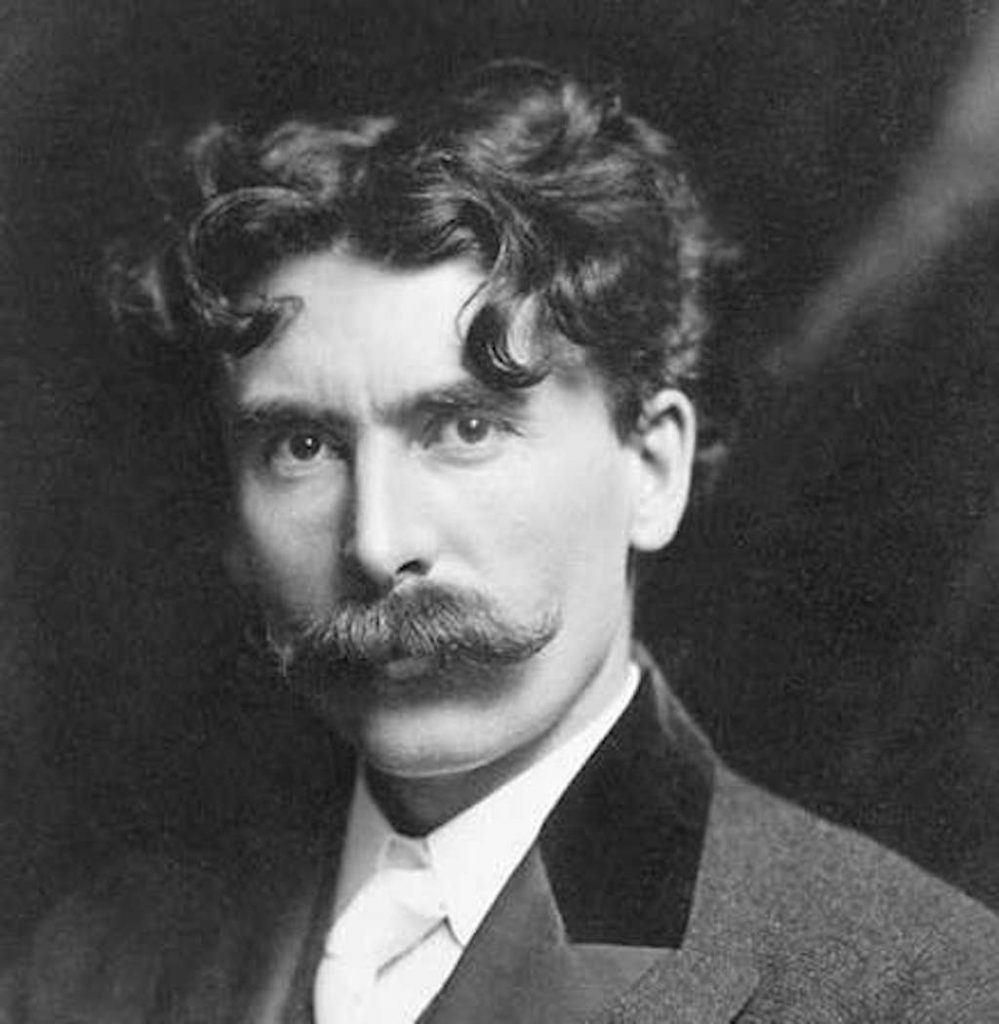
Ernest Thompson Seton, one of the most prominent authors of "realistic wild animal stories" in the early 1900s.
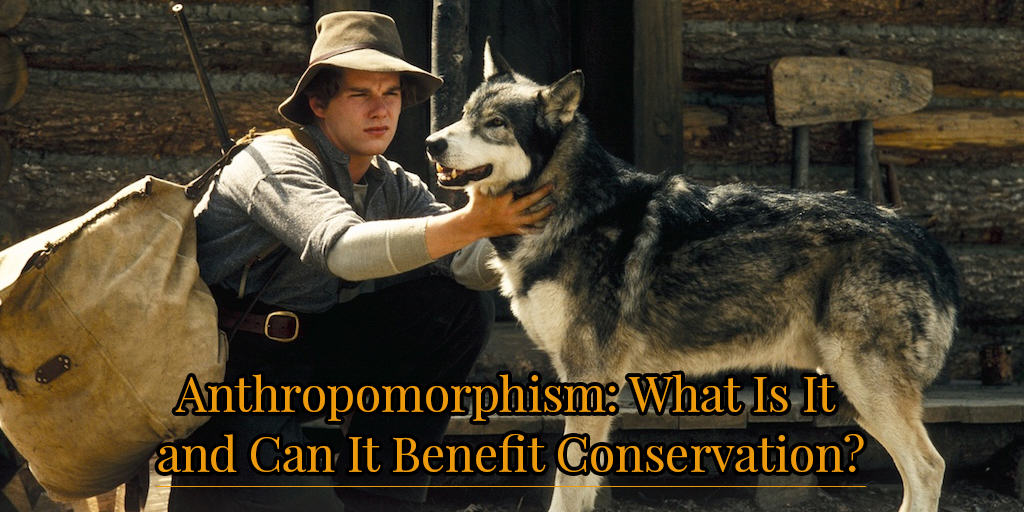
But Bambi isn't fully to blame. I'm not sure when the debate about anthropomorphism officially began, but at least some of its roots can be traced to the "nature fakers" debate. In the early 1900s, a genre of literature referred to, quite ironically, as realistic wild animal stories emerged. A naturalist by the name of Ernest Thompson Seton was one of the central figures of the movement. Seton once described a fox that jumped onto the back of a sheep to elude hunters. The sheep "ran for several hundred yards, when Vix got off, knowing that there was now a hopeless gap in the scent". In his book Wild Ones (2013), Jon Mooallem describes it, "these stories claimed to be credible natural histories of wildlife. But they dramatized the lives of animals as though they were the anthropomorphic heroes of fiction". Jack London's White Fang (1906) is another well-known character in this genre.
As with Bambi, these stories distorted nature, sanitizing the realities of predator-prey dynamics and the general wildness of nature. And, as with Bambi, the stories and their authors garnered intense criticism. In 1903, the writer and naturalist John Burroughs published an essay in which he criticized Seton and others as "sham naturalists" and "nature fakers". In 1907, Teddy Roosevelt became involved and effectively put an end to the debate when he gave an interview in which he "sailed into William J. Long and Jack London and one or two other of the more preposterous writers of 'unnatural' history".
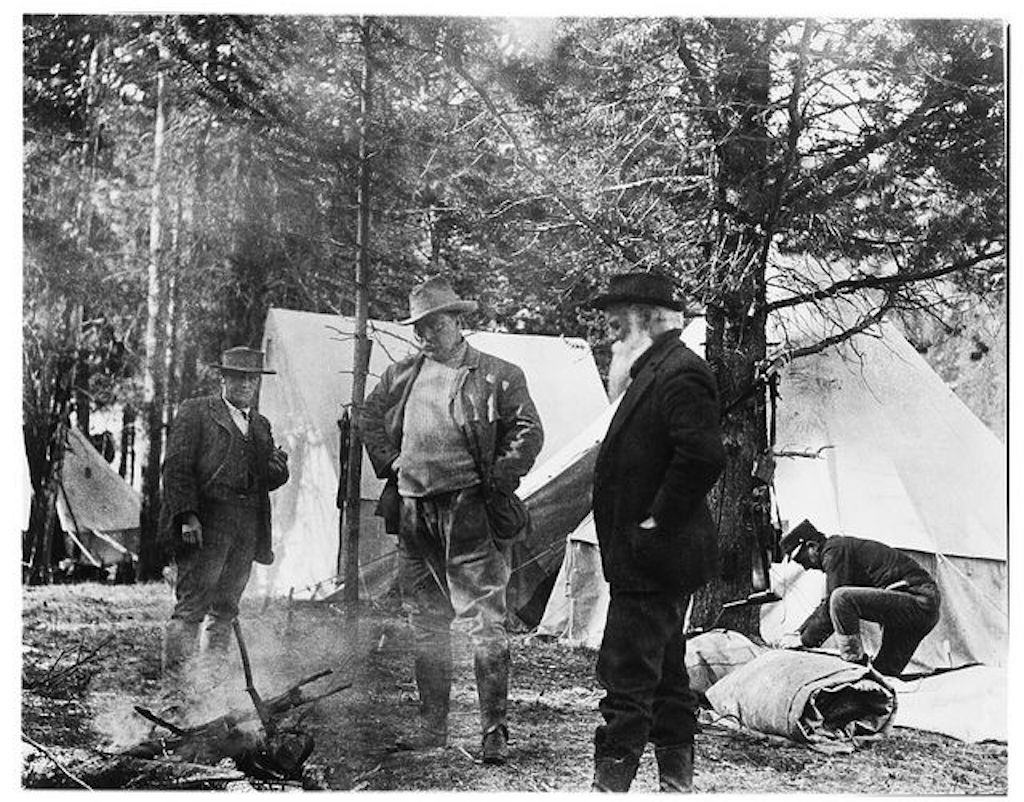
Theodore Roosevelt and John Burroughs, both harsh critics of the "nature fakers", on their famed camping trip in Yellowstone National Park in 1903.
Burroughs's and Roosevelt's issue was not simply that they didn't enjoy the stories. Rather, the debate arose right at the time that the conservation movement was catalyzing in the United States and there was growing alarm about declining wildlife populations. Burroughs and Roosevelt were concerned about what it might mean for the wider public to develop inaccurate understandings of wildlife and nature and how this might hinder conservation efforts.
Anthropomorphism in Conservation
Some researchers suggest that anthropomorphism could be used strategically and deliberately as a conservation tool. For instance, in a paper published in the journal Biodiversity and Conservation, Alvin A.Y.-H. Chan (2012) argues that anthropomorphism can highlight similarities between humans and animals. The author points out that humans are "naturally attracted to those that are similar to us and similarities have long been known to enhance empathy between humans, and between humans and animals". If conservationists emphasize the similarities, it can enhance people's empathy and care towards animals because it is difficult to ignore the plight of "sentient likeable organisms with human characteristics".
The author of this paper is careful to point out that anthropomorphism should not create "fictional animal personas". Rather, anthropomorphism should be used to strategically highlight specific similarities between humans and animals. In particular, conservationists should focus on three areas of similarities: the intelligence of animals, their ability to experience pain, and their social behaviour. If we portray threatened animals as similar to humans and foster a sense of connection with them, the public will be more likely to find them important and therefore be more willing to protect them and their ecosystems, "even if it requires them to make sacrifices".
In another paper published in the Journal of Experimental Social Psychology, Kim-Pong Tam et al. (2013) considered the connection between anthropomorphism and behavioural changes that benefit conservation. The authors return to the need for connectedness among humans and examine whether anthropomorphism creates a feeling of social connection with animals. They point out that connectedness to nature is a strong determinant of conservation behaviour - to protect something, we need to feel connected to it. Therefore, if used effectively, "anthropomorphizing nature could be a relatively low-cost but useful strategy in environmental promotion".
Three Concerns with Anthropomorphism
While the papers discussed above outline strategic uses of anthropomorphism, Root-Bernstein et al. (2013) caution about its potential as a "powerful but double-edged sword".
First, people who support the strategic use of anthropomorphism focus on creating connections with animals and propose that this will lead to the public feeling connected to nature as a whole and willing to protect "those species and their ecosystems". Both of the papers I discussed above are focused on individual animals or, at most, individual species. They do little to demonstrate that the public will extend empathy for particular species to a wider commitment to habitat protection, which is the key factor in conservation. I'm not at all convinced that anthropomorphizing certain animals will lead to broader awareness about ecology and conservation and even if it does, increased awareness might not be enough.
Second, those studies argue that anthropomorphism can change people's attitudes towards nature. The environmental sociologist Thomas Heberlein notes that because "many conservation biologists believe attitudes are behavior, they often propose to change behavior simply by educating the public". However, research has also shown that changes in information and attitudes do not automatically lead to changes in behaviour. As Heberlein notes, this approach "usually fails because it is difficult to change attitudes and because attitudes have so little to do with behavior". In general, people are more focused on their immediate lives and, understandably, tend to put their families and households first on a day-to-day basis.
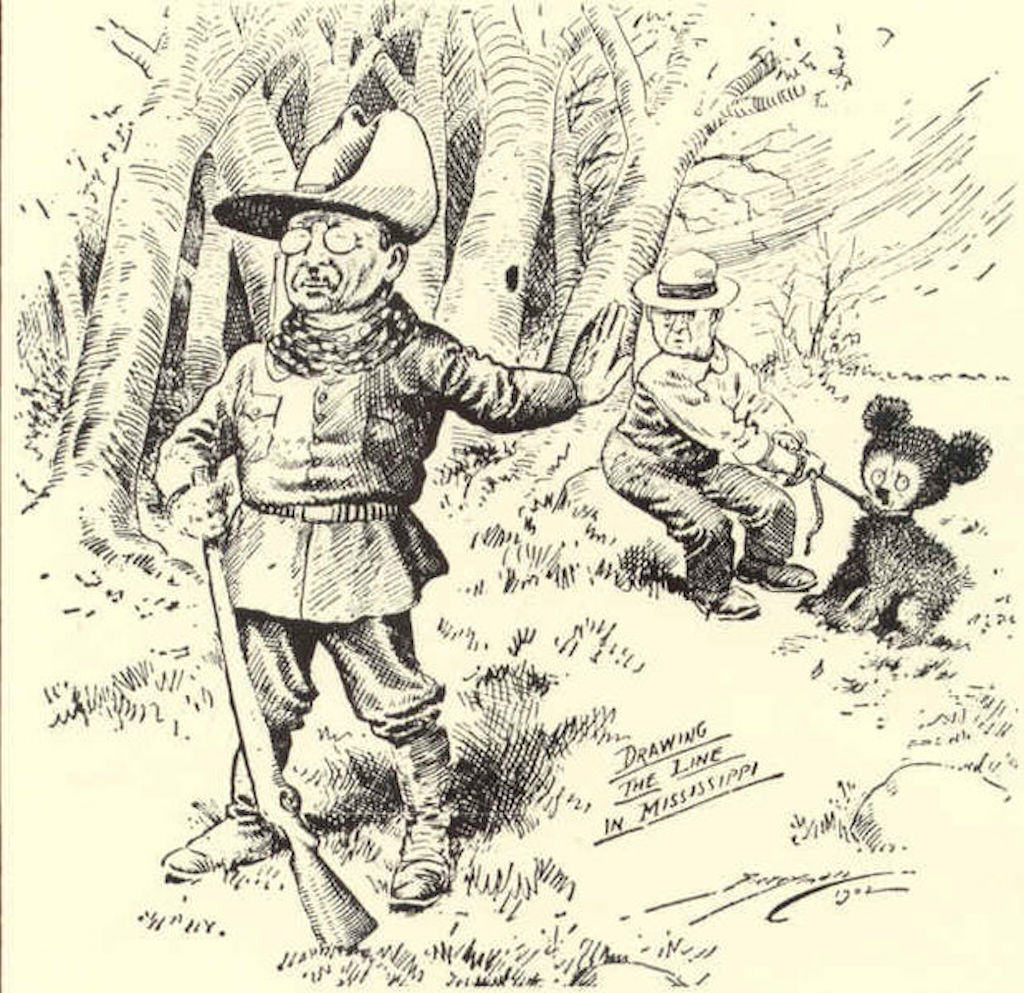
The Washington Post's 1902 political cartoon portraying Theodore "Teddy" Roosevelt refusing to shoot a bear in Mississippi. The cartoon is credited for the invention of the term "Teddy bear".
Third, the anthropomorphic strategy relies on being able to identify similarities with animals, such as intelligence. It has proven fairly easy to convince the public to identify with species such as bears, whales, and elephants. Consider the public's support for Roosevelt when he refused to kill a bear because he felt it would not conform to principles of fair chase and the ensuing craze over the Teddy bear. However, when we need to address conservation issues that concern less charismatic species, highlighting similarities could prove more difficult. It is notoriously difficult to rally public support for insects, yet they are extremely important for services such as pollination. On the flip side, how might the public treat a species when it is given negative human characteristics? We almost lost wolves in North America from that kind of anthropomorphism. On the other hand, anthropomorphism can create a false sense of connectedness with wildlife that can lead to conflict with humans, as in the case of a well-known grizzly bear in Alberta in 2017.
Going Forward
This entire discussion can seem like a luxurious philosophical exercise at a time when we are witnessing massive worldwide declines in species and biodiversity. However, there is a long-term relevance to deconstructing and evaluating the use of anthropomorphism in conservation. Someone could reasonably say that given the current global conservation crisis, if anthropomorphism will get people to care, then we should do anything we can to mobilize support. Perhaps.
The problem with anthropomorphism is that it distorts the larger landscape context in which wildlife exists and the social-political realities in which conservation operates. Misrepresentations of nature can make it difficult to filter and evaluate conservation options based on the realities of wildlife and their ecosystems. Consider the popular images of lions and elephants in Africa. The social, family-oriented nature of these species is often highlighted in film and television. These stories make it difficult for the public to objectively evaluate the merits of hunting as a tool to generate revenue for the conservation of these species and the social considerations in their management. We also commonly see the use of value-laden language such as "slaughter" or "murder" to describe hunting, portraying wildlife as something other than wild.
I started this post with a great deal of cynicism about anthropomorphism. I have a ways to go before I'm convinced that it can be an effective long-term conservation strategy. Researchers who have promoted its use have pointed out that it is not a "miracle cure" and have suggested that we instead work to create a kind of "enlightened anthropomorphism" whereby messaging is accompanied by arguments in support of natural biodiversity and processes. I'm just not sure if people will read that kind of fine print. But perhaps my friend was correct that anthropomorphism can create a sense of fascination with wildlife and convince people that they should care. If we achieve that first and most fundamental step, then we at least open the possibility to shape the public's ideas more positively and can work on creating long-term conservation behaviour.
Question: What does a certified trapper in the modern era do with a lifetime of skills and experience developed in dealing with wildlife? Answer: Help society deal with wildlife conflicts. The market for wild furs right now is not robust, but modern society as a whole needs the skill set of a certified trapper. In fact, without a healthy, economically viable fur market that uses the excess from renewable furbearer populations, society needs us more than ever. How well-equipped is the average homeowner in dealing with wildlife conflicts in a safe, respectful, humane manner?
Understand that more than 80% of the population now live in cities, and know very little about how to deal with wildlife in their backyard or homes. Meanwhile, today's urban design, with green spaces and our love for large trees, allows wildlife to flourish in the urban environment.
It is easy for city dwellers to be dismissive of a trapper's skill set until they have an uninvited guest take up residence in their home. A raccoon may move into their chimney, a squirrel starts chewing into their soffit, a mink raids their koi pond, or, heaven forbid, a black bear raids their garbage. These are success stories for today's wildlife populations, but with them comes the need for trappers.
"What's Your Plan Now?"
Buying live traps is easy, but using them effectively is a different matter. And if you actually catch an animal, what then?
The call came in as a referral from my son’s boss – his girlfriend had a skunk under her deck. I immediately asked myself, “Has she already tried to catch it?"My gut feeling was that this was going to be a challenge. Most folks try to deal with problem wildlife first before calling for help, and dealing with a skunk becomes a whole other game when the walking time-bomb goes off.
The problem is that every hardware store, feed store and garden supply outlet sells live traps, giving you the impression that you can do it yourself (DIY). They do little to educate buyers on how to properly use them, what the laws are, or what to do with a live animal once it is in the trap.I call it the “What’s your plan now?" situation.
I receive a text asking for help, with a contact name and number. I know right away that this problem has escalated and the person needs my assistance. I call and arrange a site visit, and also ask some questions to screen the customer. How long has this been going on? Has she seen any animals in the backyard, and what has she done to try and catch them already?
Perfect Urban Habitat
I arrive early to the appointment to scope out the neighbourhood for potential problems. The house is well-kept in a nice residential area. I see a free-ranging cat in the yard and numerous dog tracks, along with mature trees and grey squirrels. It is mid-March with two feet of snow. The temperature is above freezing during the day but well below zero at night. I quickly surmise that this is a typical mature suburban neighborhood with numerous backyard sheds – perfect urban habitat for skunks and raccoons.
I am a seasoned registered trapline trapper here to offer my skills in dealing with an urban wildlife problem. As I look around I wonder what role I am going to be able to play here. I can see as many pitfalls as I can solutions, with many that could end badly for my efforts. But then I remind myself that like a plumber or an electrician, I have a unique skill set that can help people, developed over 42 years' of experience in a world that is moving ever further away from hands-on contact with wildlife.
My knock on the door is answered by the lady of the house. I do my best to listen to her concerns, and sense she is frustrated and leery at the same time. I hand her my business card and tell her I can help.I ask to see the problem area and, more importantly, what has been done to discourage or capture the problem already. I am praying I get honest answers so I know what I am up against. I ask, “Have you been looking up solutions on the Internet?” “Yes,” she tells me, so my next question is, “Have you bought live traps already and tried to catch the skunk?” Again, "yes" is her answer. We are off to a good start.
Together we do a site inspection. A large wrap-around deck covers almost the full length of the back of the house – a nice new deck, well-built out of pressure-treated lumber. Upon closer inspection I see animal tracks coming and going from under the deck. Using my large, intense spotlight, I see a hole in the foundation where there was an addition to the house and all the tracks leading to this point of access. As we discuss the problem, I learn that the skunk has sprayed and the house sometimes has an odor. There's nothing like the smell of skunk quill to get a person’s attention.
Squirting in Breeding Season
Skunks love making their dens under decks or porches.
Striped skunks breed from February to March. If the female is not in the mood yet, she will squirt a little quill to repel the courting male or males.Skunks are not true hibernators but are less active in the winter, mainly sleeping in their dens waiting for warmer days. Nocturnal by nature, they spend most of their day sleeping, venturing out mainly at night. This is one of the reasons they thrive in urban environments. Breeding season was the reason for the skunk smell in the house and the main reason I received the call for help.
As I survey the site I count five trails that the skunk or skunks are using to access the den, plus a set of raccoon tracks. Striped skunks use old barns and utility sheds as den locations, and a favourite is under decks or porches. Sometimes they form communal sites with as many as 13 being recorded in one den.During the breeding season males travel up to 5 km looking for love.
Another animal I am often asked to deal with are groundhogs. I mention this because groundhogs are diggers by nature., and the holes and dens they make are often used by raccoons and skunks. I call them a gateway species; the groundhog builds the den that everyone else will use. It is important to deal with groundhogs for this reason.
After my assessment I offer my services to help. I know this will not be an easy job and that I am dealing with more than one animal that may have already been educated. I will have to dig into my years of experience to come up with a solution that will help the homeowner and respect the animals.
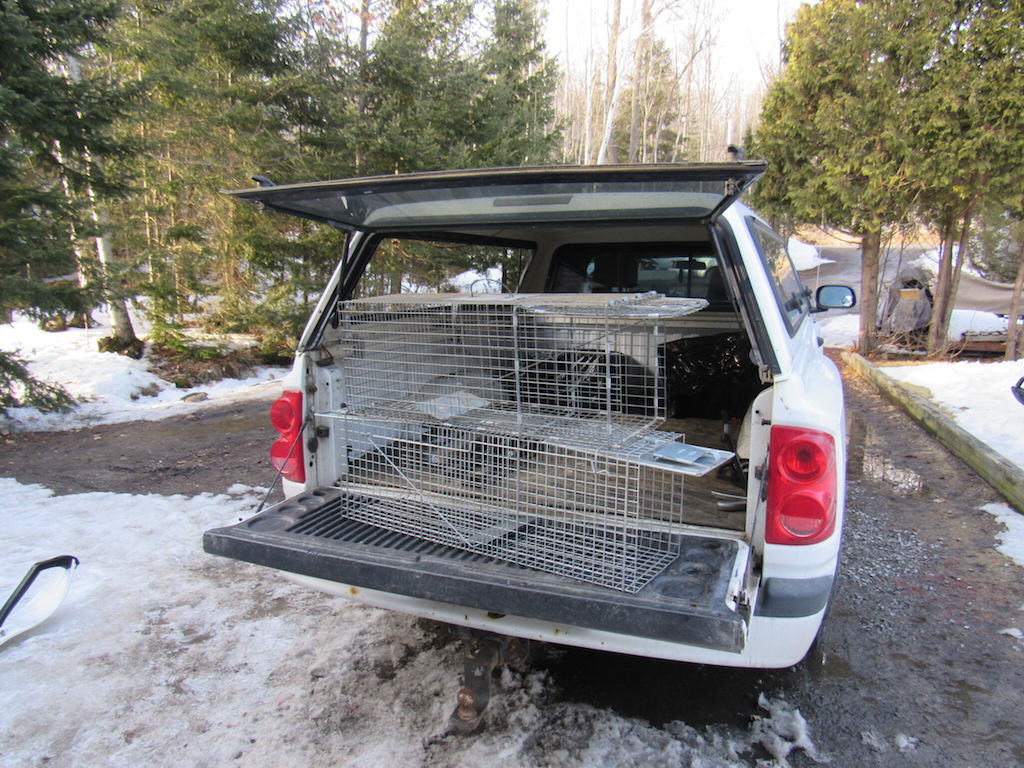
I will need roughly seven live traps of various designs to deal with the task. We have laws in Ontario that help respect the animals we live-trap: #1 we must check our live traps every 24 hours, and #2 we can only move live-caught animals 1 km from the capture site.As a personal rule, I try and check my live traps for skunks and raccoons at dawn since they are nocturnal and become stressed if not in their dens in daylight. I also am careful not to place traps in direct sunlight on hot days, again out of respect for the targeted animals.
Sardines Won't Cut It!
Because of the potential non-target animals roaming the neighborhood (dogs and cats), I use different types of baits and professional ADC (animal damage control) lures that are specific to skunks and raccoons. A can of sardines is not going to cut it! Also, since the animals could have already been exposed to a live trap and educated, I use double-door live traps, along with my poly-type live traps – specialized traps to do a safe, efficient job.
Skunks are known to carry rabies, a fatal disease for humans, and also are susceptible to distemper which can kill cats and dogs. Since I handle skunks on a regular basis, I already have my rabies vaccine as a preventive measure.Ontario is dealing with a rabies outbreak right now in the Hamilton area. Please make sure your pets are vaccinated against this deadly disease.
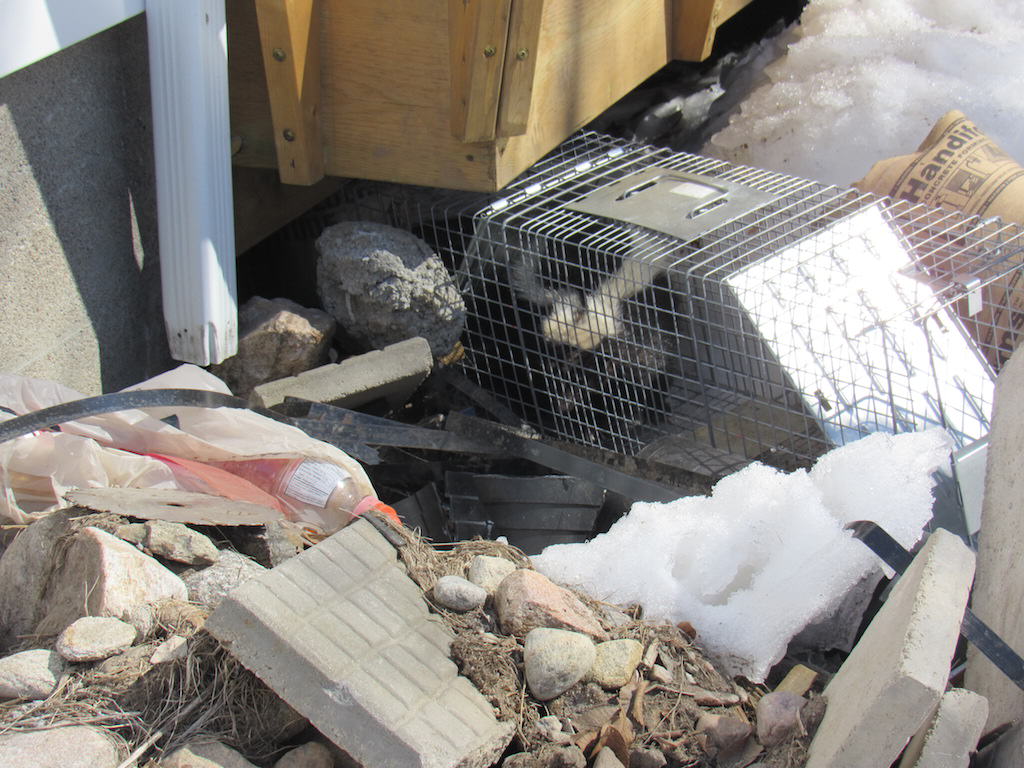
One skunk safely inside a double-door live trap. A tip for DIY types: If the bomb goes off, the best way to deal with skunk quill is Skunk-off by Thornell. Moth balls are a short-term fix, unreliable and toxic!
After a week of trapping I removed three skunks and one raccoon. The last skunk I caught was in a double-door wire-cage live trap and it did its utmost best to spray me. Thankfully, having the proper training, I was able to safely remove the trap and skunk without it spraying. It sure would have ruined everyone’s day had it released under the deck.
The skunks were gone and the house was back to normal.To prevent future problems, I recommended a dig guard be installed around the deck.A dig guard is what we call exclusion work and has to be properly installed to work.
Call a Certified Trapper
Thinking back on my training with the National Wildlife Control Operators Association, I realize how important it was that I invested time and money in additional training on dealing with the ever-expanding wildlife conflicts we face today. Knowing how to safely handle wildlife, provide inspections, and offer preventive solutions to wildlife conflicts allows me to help people.
You would not ask a lawyer to fix your plumbing, just as you would not ask a plumber to represent you in court. So it's important for folks to know whom to call when they have wildlife conflicts, and it's not your neighbor’s brother’s cousin who doesn’t have a clue to the potential problems and pitfalls. Remember what I said at the start: once you catch a skunk, what’s your plan?
My suggestion is to call a certified trapper with wildlife control training and the skill set to deal with wildlife conflicts in a safe, humane manner. The trapper should also have a business card and insurance, offer inspections, and, most importantly, provide preventive measures after the removal is complete.
A licenced trapper with training, insurance and a business card is probably better at resolving wildlife conflicts than your neighbor's brother's cousin.
A strong fur market, that utilizes healthy, well-managed furbearer populations helps keep animal populations in check with the environment. But if the fur trade were to stop tomorrow, don’t be fooled into thinking animals would not have to be managed. Regulated, science-based trapping as practiced today in North America is a positive for society.
Over the past months, several prominent designer brands have announced that their collections will henceforth be “fur free”. Animal activists… Read More
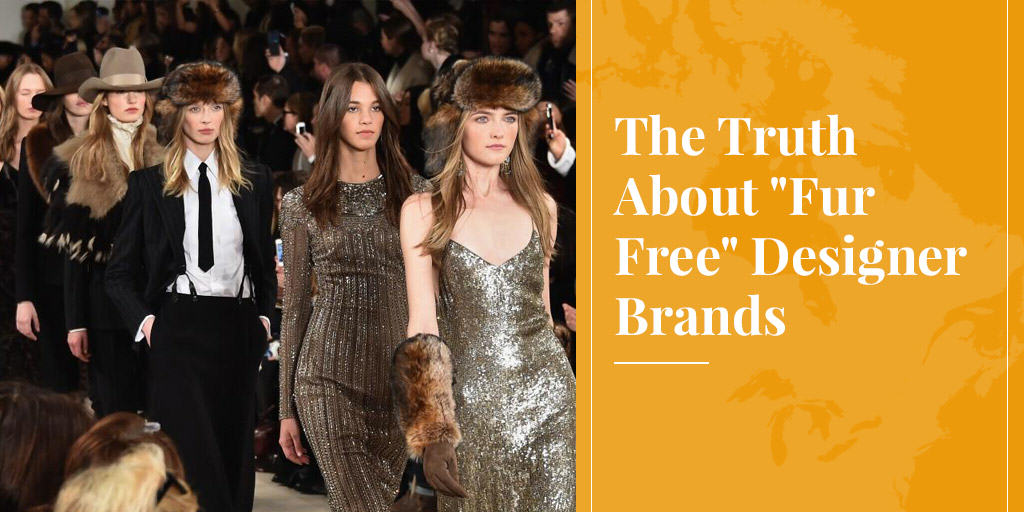
Most "fur free" brands, like Ralph Lauren, will continue to use sheep fur . Photo: Sourced from Forbes .
Over the past months, several prominent designer brands have announced that their collections will henceforth be "fur free". Animal activists have been quick to claim this as signalling a fundamental shift in societal values, the emergence of new ethical marketing principles, and the imminent demise of the fur industry. On closer examination, however, the brands’ decisions look more like a big helping of cynical risk management, with a dash of marketing spin.
This can be a legitimate ethical decision, especially if you are a vegan and don’t eat meat or use any animal products. But most of us do eat meat and wear leather. And most “fur-free” designer brands – including Versace – continue to use leather ... and shearling, which is simply a fancy name for sheep fur.
One justification for this apparent hypocrisy is that leather and shearling can be seen as by-products: “the envelope that dinner came in.” If we are killing cows (or sheep) for meat, the argument goes, we might as well use the leather (or shearling) too.
Underlying this argument, of course, is the belief that eating meat is necessary – a notion that vegans and animal-rights groups like PETA do not accept.
But there are other problems with this justification for shunning most furs while embracing leather and shearling.
First, most designer brands continue to use leather that does not come from food animals, such as python and alligator.
Second, sheep are not the only furbearing animals that are eaten by people. Rabbits come quickly to mind. But beavers, muskrats and other wild furbearers are also used for food by First Nations communities and others across northern Canada. Raccoons and opossums are eaten by trappers and their families in the US. Animals not eaten by people are returned to the bush where they feed other wildlife. And while we don’t eat farmed mink, their carcasses are composted to produce organic fertilisers that restore the fertility of the soil – to grow soybeans for Ingrid Newkirk’s tofu stir-fry. Nothing is wasted.
Clearly, the argument that using leather and sheepskin (or shearling) is more ethical than using other furs does not stand close scrutiny.
Sustainability
Gucci's Marco Bizzarri says real fur (shearling excepted) is unsustainable, but shows no signs of giving up other animal products. Photo: New York Times International Luxury Conference, 2016.
Unfortunately for Mr. Bizzarri, fur is more sustainably produced than most of the alternatives.
The wild-fur trade is highly regulated, nationally and internationally, to ensure that we use only a small part of abundant populations; never endangered species.
Some furbearers are so abundant that they would have to be controlled, even if we didn’t use fur. Over-populated beavers flood homes, roads, fields, and forest habitat. Coyotes are the main predators of lambs and calves, and are now attacking pets and even people in many regions. Raccoons and foxes spread rabies and other dangerous diseases. And the list goes on.
But if we have to cull these animals, surely it is more ethical to use the fur than to throw it away.
Fur farming is also highly sustainable, because farmed mink are fed left-overs from our own food production – the parts of fish, cows and pigs that we don’t eat. Farmed mink are champion recyclers, producing a natural clothing material, mink oil (for protecting leather) and other valuable products (including the best eye-lash fillers ever!) from food industry wastes that would otherwise clog landfills. As explained above, they also provide natural fertilisers to replenish the soil, completing the agricultural nutrient cycle. This is true sustainability.
By contrast, the fake furs and other synthetic materials that animal activists claim have rendered fur unnecessary, are generally made from petroleum – a non-renewable and highly polluting resource.
Perhaps Gucci should take another look at its sustainability policies?
Fur pelts are “dressed” (preserved) using benign chemicals (e.g., alum salts, which you can put in your bath), because the fur and hair follicles must be protected. This is a much gentler process than leather tanning, where the goal is to burn away the fur hairs. And fur is often used in its natural colours, avoiding the dyes required for most textiles.
Fur garments and accessories are individually crafted by skilled artisans using heritage techniques; they are not mass-produced in sweatshops.
Fur is also a remarkably long-lasting material: a good-quality mink coat will often be worn for 30 years or longer. As styles (or your body mass) change, a well-made fur garment can be taken apart and completely restyled, or handed down to daughters and nieces to be worn vintage. Old fur coats are also recycled to make vests, accessories, or even pillows.
Finally, after many decades of use, your old fur can be buried in the garden where it will quickly biodegrade.
Fake furs and other petroleum-based synthetics, by contrast, are not usually worn for many seasons (it’s not called “fast fashion” for nothing!), but – like other plastics – will persist in the environment without biodegrading.
Worse: troubling new research shows that these synthetics shed microfibers every time they are washed – tiny bits of plastic that leach into the waterways and are now being found in the intestinal tracts of oysters and other marine life. If we are concerned about animals and the environment, it is not at all clear that fakes are a wise choice.
The Truth About “Fur Free” Designers
So if it’s not really about ethics or sustainability, what should we make of these designers’ decision to drop fur? According to the Jing Daily, a leading digital publication on luxury consumer trends in China, a review of social media comments showed that many young Chinese luxury consumers believe the whole thing is a marketing ploy.
Stopping the usage of fur can help Gucci decrease their costs and increase their profits. And there is no benefit for consumers as they will not lower the price
Some suggested that the decision reflects Gucci’s down-market strategy: “Gucci has never been known for its fur products, and I don’t think its targeted consumers can afford fur,” said a WeChat user named “Maggie.”
Others thought the “fur free” stance was simply a way to boost profits at the expense of consumers: “Stopping the usage of fur can help Gucci decrease their costs and increase their profits. And there is no benefit for consumers as they will not lower the price,” a Weibo user named “Joey Zhenyi” wrote.
And some suggested that “the brand is just making a gesture,” and that a fur-free policy was a way for the company to “make it look sustainable”.
These young people are remarkably astute. After all, even Greenpeace, the leading environmental activist group, does not campaign against fur, because the modern, well-regulated fur trade is not considered to be an environmental problem.
But in a world where media-savvy animal-rights protest groups attract far more public attention than conservation scientists or biologists, dropping fur has become a quick and easy way to show corporate concern for ethics and sustainability, at virtually no cost. In fact, these brands will certainly lower their security costs by not having to deal with activist protests.
It is no accident that the newly “fur free” designer labels have all acknowledged on-going “discussions” with Humane Society International or other animal-rights protest groups. These companies may or may not have been convinced about the virtues of the vegan agenda these activists promote, but they were undoubtedly convinced that they would face increasingly costly (and brand-damaging) protest campaigns if they didn’t drop fur. (Can you spell “protection racket?”)
So the real reasons why some designer brands have recently stepped away from (most) fur are probably a lot messier and less noble than they would like us to think.
Unfortunately, by encouraging more use of non-renewable, polluting, and non-biodegradable alternatives, these “fur free” brands are potentially doing more harm than good for animals and nature.
It’s time for our May news roundup and we are going to start by talking footwear – vegan footwear to… Read More
It's time for our May news roundup and we are going to start by talking footwear – vegan footwear to be exact. According to Footwear News, vegan footwear is on the rise due to demand from millennials, and improvements in material quality. No matter how much the quality of plastic shoes improves, they are still made from plastic, which is made from petroleum and never fully biodegrades. There are some organic alternatives making it to market, such as pineapple leather, but we still don't know whether the production processes used to create this material are safe and sustainable.
We think feathers are less ethical, because fur is often used as winter clothing, whereas feathers are almost exclusively used as decoration on garments. (Down stuffing is the obvious exception.) If you are going to use animals for clothing, make sure it is for a good reason, right? That said, we'll take feathers as decoration any day over plastic beads.
Things are getting heated on the animal rights front, especially for a family butcher who has come under attack from vegan animal rights activists in the UK. Activists claim to be compassionate, but we aren't sure how graffiti and death threats towards a small, independent butcher can be considered so.
Wearing fur is so prevalent in human culture that it has even reached our illustrations and animation, from comic books… Read More
Image: Marvel Comics.
Wearing fur is so prevalent in human culture that it has even reached our illustrations and animation, from comic books to cartoons. The cartoon fur-wearing character that is usually thought of first is Cruella De Vil from One Hundred and One Dalmatians (1961). Although her fur coat and matching handbag emphasise her sense of high couture, she is far from the only one who wears furs in Toon Town!
"My only true love, darling. I live for furs. I worship furs! After all, is there a woman in all this wretched world who doesn't?" Cruella De Vil in 101 Dalmatians. Image: Disney.
A pioneer of cartoon fur was Disney’s Donald Duck, who wore a fur overcoat while singing "Jingle Bells" in Donald’s Snow Fight (1942). I guess he liked it so much that in Dumb Bell of the Yukon (1946) he decided Daisy should have her own. So obsessed did he become with this idea that he imagined a bear cub was Daisy in a fur coat and kissed it!
In Dumb Bell of the Yukon, Donald kisses a bear cub believing it to be Daisy in a fur coat. Image: Disney.
One that makes me giggle, especially this time of year, is the comic book Patsy Walker #105 from Marvel Comics. In "Her First Fur Coat!" (1963), Patsy is determined to wear her cartoon fur even though it's warm outside. “Every time I see a fur coat in a store window, it DOES something to me!" she says. "It just takes me out of this world!”
Before she morphed into superheroine Hellcat, Patsy Walker was all about teen humour. Image: Marvel Comics.
Another comic book fan of fur is Dr. Jean Grey who buys a white fur coat in the first series of X-Factor. She lost her old coat, so she goes shopping with Scott Summers, a.k.a. Cyclops. She tells the salesman that she wants to wear it right out of the store. When outside, she is enraptured by how soft and warm her cartoon fur coat is. She later gets in a snowball fight with Scott, still wearing her new fur coat, while calling herself "The Queen of the Icy North".
Jean Grey may be a mutant with superpowers, but she loves fur just like normal women. Image: Marvel Comics.
We already knew Wilma Flintstone liked fur because Betty Rubble mentioned to Barney, “when Wilma bought that fur coat”, in Hollyrock, Here I Come (1960). But of course the girls wanted more, so they set about trying to brainwash their husbands. “Every woman wants a mink coat. Your Wilma wants a mink coat," says Wilma to a sleeping Fred in Sleep On, Sweet Fred (1963). It almost worked too!
Wilma and Betty try to brainwash Fred and Barney into buying them new mink coats. Image: Hanna-Barbera.
Some more recent fictional characters who are fashionable in cartoon fur can be seen in Frozen (2013). Notable are Elsa, Queen of Arendelle, in her fur-trimmed cape, and Kristoff the ice salesman in his leather-side-out fur-lined tunic.
Colour-matching her fur-trimmed cape with her hair is key for Frozen's stylish Queen Elsa. Image: Disney.
As an ice salesman, Frozen's hero Kristoff opts for the warmest way to wear fur, with the hair on the inside. Image: Disney.
Both How to Train Your Dragon (2010) and its sequel (2014) have casts replete in cartoon fur garments and trims. But I especially like how Astrid Hofferson wears her fur stole on top of her armour. It may not be practical, but it surely makes her attire more dramatic.
How to Train Your Dragon heroine Astrid Hofferson makes a bold fashion statement wearing fur over her armour. Image: DreamWorks.
In computer animation, cartoon fur has evolved at an unbelievable rate. Just one of the smallest rodents in Zootopia (2016) has more individual hairs than every character in all of Frozen combined, thanks to the software iGroom.
Diminutive Judy Hopps, bunny star of Zootopia, has more hairs than the cast of Frozen combined. Image: Disney.
Fur, both physical and fictional, is here to stay.
And limited only by our imaginations.
Manage Consent
To provide the best experiences, we use technologies like cookies to store and/or access device information. Consenting to these technologies will allow us to process data such as browsing behavior or unique IDs on this site. Not consenting or withdrawing consent, may adversely affect certain features and functions.
Functional
Always active
The technical storage or access is strictly necessary for the legitimate purpose of enabling the use of a specific service explicitly requested by the subscriber or user, or for the sole purpose of carrying out the transmission of a communication over an electronic communications network.
Preferences
The technical storage or access is necessary for the legitimate purpose of storing preferences that are not requested by the subscriber or user.
Statistics
The technical storage or access that is used exclusively for statistical purposes.The technical storage or access that is used exclusively for anonymous statistical purposes. Without a subpoena, voluntary compliance on the part of your Internet Service Provider, or additional records from a third party, information stored or retrieved for this purpose alone cannot usually be used to identify you.
Marketing
The technical storage or access is required to create user profiles to send advertising, or to track the user on a website or across several websites for similar marketing purposes.