The growing opposition to Assembly Bill 44, which proposes a statewide fur retail ban in California, has taken longer than it should have for a simple reason: no one who farms and sells furs expected the state legislature to seriously try to target their centuries-old craft for elimination - certainly not businesses that legally operate, produce jobs, and pay their taxes.
Introduced in December 2018, AB 44 would "make it unlawful to sell, offer for sale, display for sale, trade, or otherwise distribute for monetary or nonmonetary consideration a fur product, as defined, in the state. The bill would also make it unlawful to manufacture a fur product in the state for sale."
AB 44 sailed to passage through its house of origin but is now encountering some increasing headwinds in the State Senate. A larger-than-expected number of opponents of AB 44 turned out at the measure’s hearing before the Senate Natural Resources Committee, June 25, a video of which can be found on the committee’s webpage.
Lining up to speak against AB 44 were people from all over California, including a Native American who told of fur’s importance in helping many of his people fight their way out of poverty. Earlier, the president of the California Black Chamber of Commerce and prominent leader with the Black Business Association told committee members of the affront AB 44 was to many members of his community who had fur as the only avenue open to them to overcome the many indignities of job and housing discrimination.
Two senators, one Democrat and one Republican, asked the
author of the bill, Assemblywoman Laura Friedman, if it is possible to amend
her measure in a way that achieves her goal of improving the treatment of
animals without destroying a whole industry.
There is a way to do that, which Friedman has steadfastly opposed so far. It would be amending AB 44 to adopt a global traceability and certification program that ensures all fur farms adhere to strict, science-based standards of animal welfare and sustainability with independent third-party audits and inspections every 15 to 18 months, as well as the integration of block chain technology to ensure traceability and access to information on every fur skin used in a garment all the way from the farm through processing and manufacturing and to the retailer.
Key word, that: "traceability". According to an Agence France-Presse news report, “French fashion designer Jean Paul Gaultier said Wednesday [July 3, 2019] he could go back to using fur if he could be sure it was entirely traceable. The flamboyant creator announced in November he was renouncing fur, a move hailed as a major victory by animal rights groups like PETA who have previously tried to disrupt one of his shows and occupied his Paris boutique.”
AB 44 author Laura Friedman feigned ignorance of reality, saying, "We do not have a line of retailers out the door telling us that this is going to be at all harmful to them."
Friedman thought she made a point in asking members of the Senate Natural Resources Committee why, if her bill were so harmful to retailers, none of them were there to testify against it. Here’s why. Because retailers fear that groups like PETA and Direct Action Everywhere, one of whose adherents recently charged a stage to swipe a microphone from US Sen. Kamala Harris, would be organizing disruptions in their stores. Or worse, that they would subject retailers and their clients to the kind of harassment and intimidation that they have experienced at the hands of animal extremists for years, including vandalism of their stores and homes, destruction of inventory and, in some cases, even the use of Molotov cocktails thrown into their stores.
In fact, in 2017 animal activists were sentenced for splashing flesh-eating acid and other chemicals on the outside of a San Diego fur store, gluing their locks and spray-painting anti-fur screeds on the store’s exterior. The homes of the store owner and her elderly parents were similarly targeted.
However, it should be noted that retailers, consumers and other Californians have collectively sent upwards of 600 letters opposing AB 44, because they have had enough of government overreach and the attack on small businesses, jobs and personal choice.
Pushing for Compromise
Was there a way "to create some kind of a compromise?" asked Hannah-Beth Jackson.
AB 44’s next hearing was to be before the Senate Judiciary Committee on July 9. That committee is chaired by Sen. Hannah-Beth Jackson, who is also a member of the Senate Natural Resources Committee and at its June 25 meeting asked Friedman if there was a way to “create some kind of a compromise situation for those who insist upon producing fur, for those folk who are trying to do it the most humane way possible.”
It will be interesting to see if Jackson’s committee follows through on finding a compromise, which the proposed amendment mandating the comprehensive certification program is.
Problematic Process
One of the greatest challenges AB 44’s opponents face has been the process itself:
• Accelerated scheduling of hearings to challenge our ability to respond.
• The setup of the testimony itself whereby the author has 10 minutes and each of her sponsors has five minutes to introduce their bill, and we are allowed only two people who each have only two minutes to testify.
• Our being prohibited from raising questions or challenging falsehoods in these hearings.
• Instructions to the Senate Judiciary Committee staff to use the analysis done on the Assembly side.
The state’s handling of conflict diamonds holds a lesson for fur. As awareness of the consequences of conflict diamonds grew, including insurgencies and loss of human lives, lawmakers here did not ban diamonds. Instead, they adopted the Kimberly Process Certification Scheme rather than eliminate an entire industry. Why can’t lawmakers apply the same thinking for fur?
* * *
An earlier version of this article appeared on the website Fox&Hounds Daily.
In this age of mass-produced, imported goods, textile artist and jewellery designer Vanessa Ægirsdóttir belongs to a growing band of… Read More
Muskrat fur from First Nations trappers adorns copper earrings. In Tlingit culture, copper is a symbol of wealth. Photo: Vanessa Ægirsdóttir.
In this age of mass-produced, imported goods, textile artist and jewellery designer Vanessa Ægirsdóttir belongs to a growing band of people who want more of the benefits of commerce going to producers of raw materials, and specifically in her case to Canada's First Nations trappers. While her family name reflects her Icelandic heritage, this artisan is Canadian born and bred, and currently lives in Whitehorse, Yukon. Together with her partner, Tlingit trapper George Bahm, her mission is to generate more economic returns for trappers of the Kwanlin Dün First Nation and the Ta’an Kwäch’än Council, in whose traditional territory they reside.
TruthAboutFur: Last year you opened a boutique in Whitehorse selling mainly fur jewellery. The Yukon is known for hats and mittens made by First Nations artisans. Why not do the same? Are you trying to create a new market?
Vanessa Ægirsdóttir: Our products include scarves, hair scrunchies, bracelets, necklaces, earrings, and rings. We will be growing the line to include housewares and garments in the future. When developing the line, I wasn’t so much trying to create a new market as much as I was looking to enhance an existing one. Yes, the Yukon is known for mukluks, moccasins, mittens and trapper hats, but there was room for me to add a jewellery line and other accessories.
I feel strongly that it is not my place to elbow my way into the traditional fur products market, and there are many extremely skilled makers who are far more qualified than I am to be making these products. When folks inquire with me about having these traditional items made, I forward the contact information of the makers that have opted into being on a referral list that I share. So while I am an agent, I am not a middle man, and we don't sell their goods in our boutique.
I also know that many of those makers (several of whom are Elders) rely on the income generated from sewing traditional fur and hide garments, and I have absolutely no interest in taking that away from them. It’s a matter of respect.
George Bahm and Vanessa at his cabin where he harvests fur on his traditional trapline. Photo: Vanessa Ægirsdóttir.
TAF: How do you source your furs?
Vanessa: Preference is given to First Nations trappers when buying our furs. First, I buy all the furs of my partner, George Bahm, then if we need furs that his trapline didn’t produce, we go to his cousins and uncles. If we still need furs, we extend our search to his home community of Teslin and outward from there, always giving priority to First Nations trappers.
TAF: What incentive do trappers have to sell to you, rather than sending their pelts to auction, as is the common practice?
Vanessa: We often pay the same as, if not more than, what is typically obtained through the auction houses. This is a multi-faceted decision.
We want our local trappers to have choices about where their furs go, so by offering to buy the furs instead of them having to send them out, we create an option for them. We want to put more power back into the hands of the trappers. Normally, trappers can sell at auction for an unknown (often disappointing) price, or keep the furs and make finished goods themselves -- but this is something not everyone can do due to skill, time, or interest.
We also want to help our trappers make informed decisions about which furs to target, and how to invest in capital assets for their trapline operations. Knowing the current values of furs at the outset of the trapping season gives the trappers the choice with regard to what species to target and in what quantities.
Also, in our experience, it is rewarding for the trappers to see how the furs are being used, which is not an experience many are familiar with because furs sent to auction are never seen again.
"More than Just Harvesting Fur"
In a land of mukluks and mittens, fur jewellery offers an alternative source of revenue. Photos: Vanessa Ægirsdóttir.
TAF: So your motivation is not just to build a successful business for yourself. Tell us about your larger vision.
Vanessa: Incentivising our First Nations trappers to sell their furs to us is not my main intention. More than that, I want their trapping to be sustainable and profitable.
Having spent only part of one winter out on the trapline with my partner, I have merely glimpsed a fraction of the beauty and teachings that await on the trapline. But I know that this traditional practice, with its skill, stories and lessons, will be lost if the wild fur industry continues as it is. My hope is to protect the importance of what is out on the trail, in the quiet of a fresh snowfall, so that future generations of fur harvesters can reconnect with their ancestors and the teachings that have endured for thousands of years. Trapping is so much more than just harvesting fur.
It is from this perspective that I might play a small part in an act that builds bridges and relationships between myself, as a non-Indigenous person, and the First Nations trapping community.
TAF: You have sought to immerse yourself in First Nations culture, and in particular the textiles aspect. But you are also mindful that you yourself are non-Indigenous. Tell us about your journey. Has it been easy?
Vanessa: In addition to working with fur, I am also a Ravenstail weaver. This ancient form of weaving predates the more commonly known Chilkat, and is similar to basket weaving. It originated on the Pacific West Coast with the First Nations (Tlingit, Haida and Tsimshian, among others) who wove and traded Ravenstail robes long before contact. I learned this weaving method from Lily Hope whose mother, Clarissa Rizal, was a master weaver.
I have been warmly welcomed into the weaving community, which is comprised almost exclusively of First Nations weavers. Because of the teachings I’ve been given and the protocols that have been shared with me, in addition to my own skill and cultural awareness, I am allowed to do this weaving work. That’s not to say it has been without question and even upset some members of various First Nations communities. However, we try to use these interactions to inform and to dialogue with those posing questions and expressing concern, and are able to explain the special nature of the permissions given to me to be welcomed into the weaving community. This extends to my relationship with the fur and hide-maker community.
But make no mistake, I am aware that I am a non-Indigenous maker, and I don’t for a minute pretend to be First Nations. I am a guest, and it is a privilege to be welcomed into these various circles of knowledge. I treasure that deeply and take pains to preserve that.
Adding Value to Furs
TAF: So how do you see the current state of trapping in the Yukon? Presumably all is not well, or you wouldn't be striving for change.
Vanessa: There are around 300 to 400 trapping licenses currently issued by the Yukon Department of Environment, of which I guess fewer than half are held by First Nations trappers, mostly operating on traplines that have been in their families for generations.
What I see is that most trappers, regardless of their indigeneity, are limited in how to add value to their furs. We have the Yukon Trappers Association, which works with trappers of all backgrounds to get their furs to market. They make tools, traps, scent, and boards available for purchase, and also hold workshops. The YTA will batch furs from several trappers and send them out for tanning, which is not a service that is otherwise readily available in the area. Aside from individual makers (traditional or otherwise), there aren’t local manufacturing or design facilities that are taking the furs and producing Yukon-made fur garments.
Many First Nations trappers continue to produce finished goods from their furs like mitts and hats, but as is the case with most producers, the supply chain favours the final seller and not the producer of the materials or the finished goods. If these makers have an established clientele, they are positioned to make a reasonable income, but for those who rely on retail vendors to get their products in front of consumers, their work is shockingly under-valued. For example, it’s common for a maker of moccasins (smoke- and brain-tanned moose hide, beaver fur, and beadwork) to receive only $100 from a retail store owner, regardless of the innumerable hours spent in production.
While there may be a limit to what the market will bear in terms of the final retail price of such goods, it is seldom the maker who is receiving the majority of the money for the product being sold. We’re working to improve that balance.
The strength of the fur industry is that it is always reinventing itself. In the 1970s and 1980s, it was the revival of wild fur. In the 1990s, furs were sheared low and treated like fabric. Since the dawn of the 21st century, a new generation of designers is mixing it up, exploring a wide range of techniques and some very new approaches to marketing fur.
At TruthAboutFur, we enjoy introducing our readers to innovative creators like Brenda Dragon, who draws on her childhood on the land to make practical accessories for her growing Aurora Heat brand. Or New Zealand designer Jane Avery, who uses fur from culled rabbits to craft one-of-a-kind works of wearable art. Today we visit with American creator Pamela Paquin, a passionate promoter of “accidental fur”. What is accidental fur, you ask? Read on!
Coyote, rabbit and fox double-wrap stole; equestrian skunk clutch; Scottish tweed and rabbit equestrian helmet cover. Photos: Shawn Kelley.
TaF: Pamela Paquin, you have specialized in a quite unusual sector of the fur trade. Tell us about “accidental fur”.
PP: As anyone who drives through the countryside knows, a very large number of furbearing animals are killed on our roads: raccoons, foxes, squirrels and many others. I recuperate these animals to make beautiful fur accessories that sell for anywhere from $45 to $2,000. I find that “accidental fur” is a more respectful term for these animals than “road kill”; I like to focus on their potential rather than how they ended up coming to me.
TaF: Did you come from a fur family?
PP: Not really, we were farmers. My father’s family were French-Canadian dairy farmers who came to Massachusetts from Quebec early in the 20th century; I am now living on a small piece of my great-grandfather’s farm. My mother was brought up in Greenwich, CT, 30 minutes from New York City. This mixed background gave me a sense of duality and engendered a respect for diversity and different ways of life. From childhood I wanted to make a difference in the world. I studied International Relations at Boston College and then worked in organizational management at MIT. Pursuing a Master’s in Peace Studies in Europe for a change of perspective, I then married a Dane; it was in Denmark that I first became aware of mink farming, which caught my attention because I had two pet ferrets at the time.
Fifi, my passport-holding pet ferret, on vacation in the French Alps, and me making hay.
TaF: Is that when you became interested in working with fur?
PP: It wasn’t that simple. I was a vegetarian in Europe -- my response to growing awareness of the need to control our consumption of resources, and my desire to reduce violence in the world. I also thought that wearing synthetics was the way to be gentle with the planet – until a Danish furrier (Jane Eberlein of Samarkand) made me re-think my position on oil-based fabric including faux fur. I also came to understand that vegetarianism is not really natural for humans. And that fur is the result of 200 million years of R&D by nature to produce the ultimate way to keep a body warm and dry.
TaF: So did you begin to question your vegetarianism?
PP: Eco-systems sciences made me realize that cows and other herbivores recycle plants that humans can’t digest, but herbivores also need predators to maintain a balance. Humans are omnivores, and we have a role to play. It’s fine to be a vegetarian, but hypocrisy is rife in many ways: cats are carnivores, so to keep a cat you elevate your love for your cat above the lives of the animals that provide its food. Industrial soy production is destroying habitat. We’re all compromised, but I believe we should be as respectful as we can to the animals that feed and clothe us, and work together to bring compassion to sourcing from nature. Even my view of peace has evolved; I realize now that peace isn't a final goal or end-state, it’s a skill set to learn: we can only strive to manage conflict with compassion and consideration.
TaF: So how did you begin working with fur?
PP: When I came back to the States, I was trying to change careers and travel less while raising my daughter. I was struck by how many animals I saw by the side of the road -- you don’t see so many in Europe – and it got me thinking: here was a wonderful natural resource that was being wasted.
A local taxidermist named Tom White – The Rustic Moose – taught me how to skin and flesh. He helped me buy my tools and explained how the auctions and prices and the industry worked. I was also incredibly inspired by Mark Miller, in Boston, who continues to produce in the US; I give them a lot of credit for that! Moyle Mink & Tannery and USA Foxx & Furs have both been super kind and helpful regarding tanning - and attending the ILOE fur show was an inspiration regarding technique, Zuki in particular. I'm heartened that sheared beaver looks so much like mink, given how few wild mink, and how many beaver, I find.
I began making fur accessories for friends and neighbors, and people loved them. Suddenly the local media picked up my story, and next thing I was on Nightline, and even the BBC came knocking. I was not ready and it was quite a shock! I set up my website and that’s how I now sell most of my creations.
Here I introduce a film crew from HubSpot for Entrepreneurs to what hands-on work looks like in practice.
TaF: Your company is Peace Fur, and you have sometimes been quoted calling your products “ethical fur”. What do you think about mainstream trapping and fur farming?
PP: I consider myself to be part of the North American fur industry, full stop. Calling my products ethical – which could suggest others were not -- was as self-defeating as when we first named our company Petite Mort Fur, a play on words with the French euphemism for the female state after love-making! As a farmer who eats meat I have no problem with hunting or trapping when it's done with compassion.
Trappers have been on the front lines of conservation and the rebound of furbearers in North America. Trapping is also critical for controlling overpopulation, or invasive species like nutria in Louisiana, or possum and rabbit in New Zealand.
I also respect farmers who work hard to provide their animals with excellent care; I eat meat and participate on our local agricultural council to ensure my food is compassionate. I know that farm-raising mink is a way to produce consistent, high-quality fur at a reasonable cost, while providing a range of natural colours, which means less dyeing.
From an animal-welfare perspective, it’s important that farmed mink can be humanely euthanized on the farm; they don’t have to be transported to distant slaughterhouses. Nonetheless, many potential clients aren’t comfortable with the idea of raising animals in cages; for these people, accidental fur provides another option. At least half of our customers have never worn fur before.
As a Peace Professional, I know better than to criticize other people’s choices. Some people prefer wild fur, some prefer farm-raised – and now Peace Fur provides a third option that can open new markets for the industry. I think there’s lots of growth potential here and I'm eager to share what I've learned. It's a big country and I can't pick up every raccoon, fox and coyote!
Here I am (second from right) partying with my Boston Lioness Tribe, a sorority of business owners, and the Nightline crew at the restaurant Trade. No one succeeds in isolation. Photo: Anastasia Sierra.
TaF: So do you think that others could be following your example?
PP: Absolutely! There are a growing number of us already and I've had designers reach out for wholesale. It is estimated that as many as one million animals are killed on our roads every day. That’s more than 360 million animals each year. I think it’s reasonable to suppose that, say, 50 million of those animals may provide quality fur. That’s a good portion of total world fur production today.
I believe accidental fur can attract a whole new generation of fur lovers, because it makes so much environmental and ethical sense to not waste this wonderful material.
TaF: So do you see opportunities for growth in the North American fur trade?
PP: I do, because our society is beginning to understand that fur is a natural and biodegradable material. Synthetics are not. We are choking the world with plastics, and we have to change. Our challenge as an industry is to show that we are not only sustainable, but also compassionate and respectful of the animals we work with. Certainly, with Millennials having more pets than babies, it's a perspective we should be aware of. People feel fur and think of the animal now, so showing respect in sourcing helps them feel proud of their furs.
Attracting new customers will also help to raise prices – which is important, because no industry can be sustainable if producers cannot make a living. Now that I understand how much work is involved in producing a fur pelt, it frustrates me they can be sold for so little. I believe that Peace Fur can help to increase understanding and appreciation for fur and the fur industry.
And maybe there's a bit of destiny at play, because there is a rich fur heritage in my family name: The House of Paquin was a fashion design and marketing powerhouse in Paris, in the late 19th and early 20th centuries. Jeanne Paquin was a courageous innovator and the first major female couturier. I like to think that I am also an innovator who can help the North American fur industry grow and thrive for the next century. The fur is already quite literally at our feet.
Most of our TruthAboutFur blog posts discuss the environmental and ethical implications of fur production, because critics of the industry have focused on trapping and farming. But the fortunes of the fur trade also depend on a wide range of fast-changing business and marketing issues. Today we explore one of the most important of these “downstream” challenges: selling fur at retail.
We hear lots about how quickly retail is evolving, especially with the game-changing explosion of social media and on-line sales, but most fur purchases still involve the personal interaction of a consumer with a bricks-and-mortar retailer. And while the “service business” (remodeling, repairs, cleaning and storage) is important for most fur retail operations, on-going success still depends upon selling new products.
Many fur retailers have transformed their stores into modern fashion boutiques, attracting a wider range of consumers, but sales staff still need to close the deal! Photos: Lazare's, Windsor (left); Kahnert's, Toronto (right).
But, while many retail furriers have invested considerable time and money to modernize their stores, very few have paid much attention to refining their own skills in the subtle art and science of selling.
Most furriers are very qualified to evaluate the quality of the products they sell, and many are skilled fur artisans in their own right, capable of repairing, remodeling or even creating a full fur garment in their back-store workshops. These skills were learned from experienced master furriers - usually a parent or relative, sometimes a former employer - and this training was treated very seriously. But selling was usually taken for granted as just something one did, and for many years that was good enough. No longer.
In today’s difficult market, it’s important to make the most of every sales opportunity; every person who walks in the door is a potential customer. (We will discuss ways to attract more consumers into the store in future article.) So how can we improve our selling skills, especially at a time when the normal challenges of fur retail have been complicated by animal-rights campaigning?
Recently, I had the opportunity to discuss selling strategies with an accomplished retail furrier who, while he prefers to remain anonymous, was happy to share some of his tricks of the trade.
"Let me show you what people are wearing today …” And you start with a nice plucked mink jacket. Photo: Kahnert's, Toronto.
TruthAboutFur: Most fur shops now also sell shearling, leather, raincoats, cashmere, and other products. A wider product selection brings new customers into the store but does not always translate into new fur sales. How do you deal with consumers who express concerns about buying fur?
Retailer: First, it’s important to understand three fundamental principles of human psychology:
1) Logic, reason, and education (or information) make us think. But it is emotions that make us act.
2) Never contradict a customer and never use the word “but”, because that means that you disagree with what they are saying.
3) It is very difficult to counter an opinion with logic. It is usually more effective to address opinion-based objections with emotions.
TaF: So how do you apply these principles to someone who expresses concerns about buying fur?
Retailer: This consumer is trying to communicate something. If you deny what they are communicating - for example, by saying they don’t have their facts straight - psychologists say you will probably only reinforce their objection. None of us likes being told what to think or do! It is much more effective to flip the context of their objection. This is very much like judo, where the opponent's strength is used against himself. It may seem counter-intuitive, but the first step is to acknowledge that you understand their concern - that you agree - in order to channel that objection to a more productive outcome.
TaF: Can you give us some concrete examples of how you would apply this philosophy to selling fur? For example, let’s say a customer comes into the shop looking for a shearling, but refuses to try on a lovely mink stroller you propose because, she says, her children are against fur.
Retailer: Well, in that case, my first response would be: “It is very good that your children have their own opinions; you've clearly raised them to think for themselves. Now, do your children sometimes make choices you don’t agree with?” Silence. The customer will then usually chuckle and respond: “Well, yes ... of course.” At which point I will say: “So, surely you have the right to make your own choices too, then, even if the kids don’t always agree, right? Now, let’s try this nice little jacket, just to see how you like it ...” More often than not, the customer will now agree to try on some furs, because you have confirmed her right to make her own decisions, rather than contradicting what she told you. It seems simple, but it makes all the difference.
TaF: Interesting indeed. So let’s try this again. How would you respond to a customer who says: “You just don’t see much fur in the streets nowadays.”
Retailer: My first response would be: “You’re right. Most of the furs we sell now are less conspicuous; fur can now be worn everywhere, for all sorts of activities. The styles we sell now are not what most people think of when we say ‘fur’. Let me show you what people are wearing today ..." And you start with a nice plucked mink jacket.
TaF: Very nicely done. So how about a customer who says: “I’ve heard that many fashion brands have stopped selling fur. It is not really socially acceptable to wear fur these days."
Retailer: I would answer: “I understand what you mean. Fashion companies are often changing direction, for all sorts of reasons. We saw the same thing in the early 1990s, but within a few years most designers had fur back in their collections, presented more creatively than ever -- that's when we started seeing more sheared furs and a wide range of new fur accessories. It's true that some companies tested the water with fake furs last year, but that sparked more serious discussion about the environmental impact of petroleum-based synthetics and fast-fashion, and now we can already see the industry preparing to change direction again. After all, fur is the most durable and recyclable natural clothing material you can choose. Lightweight, warm and comfortable too. Try this piece, for example ..."
"What’s important is to buy something she really likes and will feel good wearing, right?" Photos: Alex Furs, Toronto.
TaF: Do you still see cases where it’s the husband who is discouraging his wife from buying fur?
Retailer: Not so much any more, times have changed. But when that happens, I ask the husband: "Sir, I understand that you want your wife to look and feel good, whatever she buys, right?" Normally he'll answer, "Yes, of course." So then I will validate his answer: "Because if she buys something she doesn't really like, she probably won't wear it much, will she? So what’s important is to buy something she really likes and will feel good wearing, right?" - a statement no modern husband can deny. And then I lock in his agreement with: "That's why you should go with this lovely fur jacket, if that’s what makes your lady feel good, don’t you think?"
TaF: Let’s try one more. How do you handle a customer who asks if you will buy her old coat, because she doesn’t wear it anymore?
Retailer: Again, I will begin by agreeing with her: "I understand perfectly that you do not want to wear this coat as it is now, Madame. No one would want to wear it like this.” Confirming her opinion; then pivoting: “The good news is that the fur itself is still in very good condition. You know, I could take this apart completely, clean the fur, and re-cut it into a young, contemporary style. Then you will have a lightweight, modern coat you can really enjoy ...” And you show her some examples of what can be done!
TaF: Thank you for this. I am sure that our readers will find your approach useful. Any last thoughts?
Retailer: At a time when fur retailing is under pressure from competing products and services - not to mention on-line sales - it is more important than ever to hone our selling techniques, to maximize the potential of every consumer who comes into our shops. I hope some of these tips help others, and it would be great if retailers reading this would send in their own experiences and techniques. By sharing ideas, we can all do better!
* RETAILERS: Share your own tips about selling techniques that you find effective, in the "Comments" section below, or send them to us at [email protected].
A recent trip to the United Kingdom allowed me to conduct some unscientific research on common preconceptions about this damp… Read More
Brits seem to be obsessed with Brexit, fur-trimmed parkas and veganism.
A recent trip to the United Kingdom allowed me to conduct some unscientific research on common preconceptions about this damp and chilly nation. Are the natives really as fixated on Brexit as media reports suggest? Is opposition to fur as strong as we're told? And is veganism truly sweeping the land?
The UK is the spiritual home of the animal rights movement, so it’s not surprising that it also hosts some determined anti-fur campaigners. In 2000, England was the first country to prohibit fur farming (largely symbolic because there were so few farms), and now activists want to ban all fur imports. To this outside observer, the future of fur in the UK was looking grim before my recent visit. Now, I’m a little more optimistic.
OK, I’m not strictly an outsider. I’m English. But I’ve spent almost no time there for 20 years, so a month-long stay over Christmas gave me the chance to see whether my preconceptions based on media reports and hearsay matched reality.
As my plane touched down at London Heathrow on a dark and foreboding 4°C evening, my main preconceptions, of course, concerned Brexit. Did people really talk about nothing else? And, more to the point, was it fair to say that mere mortals could make no sense of this complex mess?
In close second place was my preconception about the likelihood of some sort of fur import ban. A campaign to this end got a lot of media coverage last summer, buoyed by a bevy of celebrities and stories of fur-vendors and wearers being harassed on Instagram. The Conservative government nixed the idea of a ban, but the main opposition party, Labour, was unsurprisingly more receptive, and with the political scene in turmoil (Brexit, again!) who knows what could happen?
My third preconception was that all the stories I’d been reading about veganism sweeping the UK must be exaggerated. Omnivores like myself tend to believe that veganism can never become a major trend, but what if we’re wrong? Ethical vegans (as opposed to the dietary variety who just think veganism is healthy) tend to share animal rights beliefs, so if vegan numbers were really swelling, the UK might become less fur-friendly than ever.
It was time for some first-hand observations.
Fur-Trimmed Parkas Everywhere
My first objective was to see for myself how much fur was on the street.
This totally informal survey took in two quite different areas: London’s West End, with all its foreign and often well-heeled tourists, and a sampling of towns and villages across the county of Kent. From growing up in the region, I expected to see a smattering of mink and fox jackets in London, but very little in the way of full-fur garments elsewhere. And I was right. The southeast of England has never been a big fur market.
Canada Goose opened a flagship store in London in 2017, replete with its fur-trimmed parkas. It seems to have read the market right.
But here’s the news! Everywhere I turned, from London’s ritzy Piccadilly Circus to the tiny village of Downe, Kent, where my parents live, fur-trimmed parka hoods were everywhere. Trendy folk were wearing them, but so too were school kids, pensioners with grocery bags, and tough guys with workman boots. In an impromptu high-street survey in the coastal town of Folkestone, I estimated half of all Christmas shoppers were wearing them.
So you’re asking were they real or fake, and yes, the majority looked cheap and ill-kempt, and were almost certainly plastic. But as many as one in 20 looked spectacular, meaning top-notch fakes or real, and at least one in 50 was bona fide coyote. I don’t think that’s insignificant, especially in England at a time when animal activists are constantly claiming that real fur is taboo. They're wrong.
I saw no disapproving looks from passers-by at those sporting coyote, and I don’t believe that’s because anyone thought they were fakes. It’s not that hard to spot a real coyote ruff, particularly when it’s accompanied by a helpful Canada Goose logo. Rather, I imagined the wearers of cheap fakes were admiring the real McCoy enviously, wishing they could afford one of their own.
I don’t know whether this boom in fur-trimmed parkas will open the door to other furs (and shut down talk of fur bans for good), but it is clear that the look of fur - both fake and real - is now hugely popular and widely accepted in the UK. It was certainly a surprise that media reports had not prepared me for.
Fashionable Vegans
Forty years ago, dining at my local pub meant pickled eggs and crisps. Now there's a vegetarian menu! Photo: George & Dragon.
Gauging the popularity of veganism was another kettle of fish (to use a phrase PETA would rather we didn't). I just kept my eyes and ears open, and didn't have long to wait.
Whenever I go home, one of my first stops is my local pub, the George & Dragon, for a pint of bitter, a comforting reminder that no matter where in the world I pitch my tent I will always be English. Imagine my surprise, then, when I asked for a bite to eat and was offered the option of a vegetarian menu! I literally squawked and threw up my hands as if the barman had offered me a virus.
No, I don’t live under a stone and have even seen vegetarian menus in trendy eateries, but a good English pub is never trendy – or so I thought.
I soon learned that British diners are now thoroughly coddled when it comes to their dietary quirks. Many restaurants, stores and, yes, even pubs offer gluten-free vegetarian and vegan options, and a meat substitute called Quorn is all the rage. My own sister served Quorn “meatloaf” on Boxing Day, which I viewed with the same curiosity I normally reserve for unrecognizable roadkill.
For an expert’s analysis, I sat down with my old friend and sheep farmer Lizzie, who, virtue of two teenage daughters, has a finger on the pulse of all things trendy. When she informed me we were now in the month of Veganuary, I knew I was in for an eye-opener.
British supermarkets are jumping on the the vegan band wagon with trendy new comestibles. Photos: Waitrose.
“Veganism has become terribly fashionable, for many of the wrong reasons,” she said. "The supermarkets have jumped on the band wagon and vegan food is everywhere - actually at the expense of vegetarian food.”
"People are increasingly being told about the damaging environmental effects of livestock production, and they believe that by becoming vegan they are helping to save the planet. But they are unaware that by rejecting meat and dairy products, their dietary fats now come from sources which contribute to the destruction of rainforests. 70% of UK farmland is under grass for very good reasons - agronomic and environmental. We are extremely well-placed in the UK to produce beef and lamb in a sustainable way."
So are all these vegans also animal rights activists, or at least sympathetic to the cause?
“There are a fair number of ethical vegans here, but only a few of them are animal activists. Most long-term vegans are calm and peaceful - they don't have the energy to be anything else. However, many of the new trendy vegans don't really care all that much about animals. It’s more to do with fashion, perceived health benefits, and their own woolly thinking born of a total disconnect with the whole concept of food production.”
And just to prove that Brits can’t stay off the subject of Brexit, she adds: “The one good thing that could have come out of Brexit would be leaving the Common Agricultural Policy. Sadly, we're going to bugger that up along with the rest of it. I'll be interested to see how long it takes these misinformed vegans to revert to meat-eaters once the food shortages kick in. I can't see them living on swede, a few stored potatoes and apples until the summer.”
Unscientific Conclusions
In North America, it is not uncommon for people to write off the British as a bunch of animal-rights fanatics. But, as in all things, we should be cautious about making generalizations about entire cultures, especially when our only sources of information are the media.
With that in mind, I now offer these unscientific conclusions from my recent month of field work.
First, and for me the most fascinating, most Brits don’t seem to hate fur at all, at least not fur-trimmed parkas. This suggests the future of fur in the UK may not be so bleak after all, especially if new products can be developed and marketed that cater to emerging trends and lifestyles.
Second, the overwhelming majority of Brits are still omnivores, but the rise of veganism is very real. However, this may just be a passing phase, and there’s no reason yet to assume that today’s trendy vegans will become tomorrow’s animal rights activists.
And last but most definitely not least, it’s true: just mention the word Brexit and everyone within ear-shot pulls their shoulders back, puffs out their chest, and delivers their 2 cents’ worth. They'll then admit they really don’t know what they’re talking about!
***
To learn more about donating to Truth About Fur, click here.
Though rarely seen these days, moleskin deserves a special mention in the history of the fur trade. This unique fur… Read More
Moleskin is rare these days, but moles certainly aren't. Photo: Karelj, from Wikimedia Commons
Though rarely seen these days, moleskin deserves a special mention in the history of the fur trade. This unique fur was once favoured by British high society, and at the height of its popularity gave value to a pest that was being trapped anyway, thereby satisfying a fundamental requirement of the ethical use of animals: minimisation of waste.
First some clarification: Moleskin, or mole skin, or mole fur, or simply mole, is the fur of moles, and where the fur trade is concerned, specifically the European mole (Talpia europaea). This may sound obvious, but a completely different fabric made of cotton is also called "moleskin", and is far more common these days.
Moles have never been a great fit for the fur trade because they're so small – an adult measures only 4.3 to 6.3 inches long. The tiny pelts are cut into rectangles and sewn together into plates which are almost always dyed because natural colours are so variable, making it difficult to find a large number of matching pelts. The most common colour is dark grey or "taupe" (French for mole), but light grey, tan, black and even white have all been observed.
These plates are - or at least were - then made into coats or trousers requiring 500 pelts or more, the lining of winter gloves (fur side in), and a very soft felt for premium top hats. (Cheaper hats used rabbit while everyday hats used American beaver.) Above all, though, moleskin has always been associated with the fronts of waistcoats.
As seen in this taupe-coloured mole, there is no direction to the nap. Photo: Muséum de Toulouse [CC BY-SA 3.0], from Wikimedia Commons.
If you're undaunted by the labour involved in working with such small pelts, the result is unlike any other fur. The hairs are very short and dense, encouraging comparisons to velvet, while the leather, though quite delicate, is extremely soft and supple. But what makes moleskin truly special is the nap. The hair of other furbearers grows pointing towards the tail, hence the expression "to rub someone the wrong way." Moleskin, however, reacts the same whichever way you rub it, an adaptation believed to facilitate reversing in tunnels.
Royal Connections
King William III astride Sorrel in St. James's Square, London. A single molehill, shown under Sorrel's hoof, brought down the royal House of Orange.
Historically, moleskin had a following wherever moles were hunted as pests, and particularly in the UK. From at least as early as the 18th century, every parish in England employed a molecatcher who supplemented his income by selling the pelts. (There was no money in the meat, however. Theologian William Buckland [1784 - 1856], who famously claimed to have eaten his way through the animal kingdom, described mole meat as "vile", rivalled only by bluebottle flies.)
The moleskin waistcoat was ubiquitous, and a tragic event reminds us that even moles were said to wear them! In 1702, King William III, better known as William of Orange, was out riding when his horse, Sorrel, tripped on a molehill and threw him. He broke his collarbone, developed pneumonia and died, prompting his Jacobite enemies in Scotland to toast “the little gentleman in the black velvet waistcoat."
But the most interesting period in the history of moleskin was in the early 20th century, and centred on another British royal, Queen Alexandra, wife of King Edward VII. Queen Alexandra was a fashion icon with enormous reach who set several trends among society ladies, like choker necklaces, high necklines, and "summer muffs". So great was her influence that some ladies even copied her "Alexandra limp", caused by a bout with rheumatic fever, by wearing shoes with different-sized heels.
Details are sketchy but the story goes that in 1901, as moles were creating havoc on Scottish farms, Queen Alexandra ordered a moleskin wrap. Whether the Queen simply fancied a bit of moleskin or was an enlightened wildlife manager depends on who's telling the story, but the result was a huge boon. Demand for moleskin went through the roof, and Scotland's pest problem was turned into a lucrative industry. During the period 1900 - 1913, the average annual supply of European and Asian moleskins was estimated at 1 million, and it increased thereafter. At the peak of moleskin's popularity, the US was importing over 4 million pelts a year from the UK.
After World War II the popularity of moleskin declined, perhaps in part because pelts were in short supply. Traditional molecatchers were being displaced by industrial pesticides, notably strychnine, which was first synthesised in 1954. But this poison was soon raising animal-welfare concerns and in 1963 it was banned in the UK for wildlife management. Moles, however, were exempted, and until recently dipping worms in strychnine was still the main method of managing moles on British farms. And because strychnine kills moles underground and unseen, supplies of pelts inevitably fell.
But now the tables have turned and traditional molecatchers are making a comeback.
At the dawn of the millennium strychnine was already in short supply, and in 2001 the UK suffered an epidemic of foot-and-mouth disease. In a bid to stop the disease spreading, public rights of way across land were closed and molecatchers were banned from entering farms. Within a short time there was a mole population explosion to an estimated 40 million. Then in 2006, the European Union ruled that strychnine could no longer be used as a mole poison and the stage was set for the return of traditional molecatchers.
The UK has always been the spiritual home of moleskin fashion, a position cemented by its most illustrious endorser, Queen Alexandra. Two factors are against it making a comeback anytime soon though: animal rights activism (for which the UK is also the spiritual home), and the cost of labour involved in working with such small pelts.
That said, if another royal influencer could be persuaded to don a new moleskin cap, who knows where it might lead? If I represented an organisation with a high-fallutin' name like the British Guild of Honourable Molecatchers, I'd get one off to Kate Middleton right away. Not only does she wear fur, but she's also a strong bet to be a future queen.
***
To learn more about donating to Truth About Fur, click here.
Responsible fashion, informed consumer choice, and the sustainability of fur are front-and-centre in two new fashion campaigns for Fall/Winter 2018-2019… Read More
The sustainability of fur is a key message for the trade. Shown here: Oscar de la Renta. Photo: International Fur Federation / wearefur.com
Responsible fashion, informed consumer choice, and the sustainability of fur are front-and-centre in two new fashion campaigns for Fall/Winter 2018-2019 from the International Fur Federation. In preparation for the global launch on September 3, TruthAboutFur’s senior researcher Alan Herscovici spoke with the IFF’s director of fashion, Jean-Pierre Rouphael, about these exciting new campaigns.
TaF: The IFF’s new consumer campaigns take a very innovative approach, combining beautiful fashion photography with a strong environmental sustainability message. Can you tell us about this?
Jean-Pierre Rouphael: At the IFF’s annual meeting last Fall, in Barcelona, the board decided it was time to promote the modern fur trade’s unique sustainability credentials. The anti-plastic movement was dominating mainstream media and people were talking about the environmental damage caused by plastic – which of course includes fake fur. It was the perfect opportunity to emphasize our "natural" story – the sustainability of fur.
Young people, especially, are increasingly concerned about how our lifestyles and consumer choices will affect the planet, so the timing is good. The challenge was how to tell this story in a fashion context. The solution we found is a two-pronged approach. One is a beautiful fashion campaign in Vogue magazine that incorporates our environmental message in the text. We call this campaign "Natural Wonder". And then we have a new digital campaign, called “Fur Now”, which centres on creative young people explaining in their own words why they love working with fur, and part of the conversation is about fur's sustainability.
NATURAL WONDER Campaign
TaF: Let's talk about the "Natural Wonder" campaign in Vogue first.
J-P Rouphael: "Natural Wonder" is a three-month exclusive campaign in Vogue, in six major markets – Spain, Italy, Germany, France, Russia and the USA – plus limited usage in China and Korea.
This campaign has been launched in Vogue's September issue, and will be followed by ads in the October and November issues, as well as on Vogue’s digital and social media platforms. The photography shows new fur creations by top designer brands, including Roberto Cavalli, Carolina Herrera, Oscar de la Renta, Fendi and others.
IFF's "Natural Wonder" campaign kicks off in the September issue of Vogue. Shown here: Fendi. Photo: International Fur Federation / wearefur.com.
TaF: We notice that the fabulous photography is shot outdoors, not in a studio.
J-P Rouphael: Yes, the shoot was produced by the Vogue team, and we chose Dario Catellani to do our photography because he loves working outdoors, with landscapes and natural light. We felt that was important to reflect our message that fur is a natural product and a responsible choice.
TaF: And the message is clear, right from the bold headline: “Natural Wonder – Sustainable and beautiful, ethical and exquisite, the magic of fur is irresistible.”
J-P Rouphael: Yes, and the text that follows is also very direct. We explain that growing concerns about pollution caused by the production and disposal of plastics – like fake furs and other petroleum-based synthetics – make long-wearing and biodegradable natural materials, like fur, a better choice than ever. As we say in the text, “A fur coat is the ultimate refutation of the buy-it-and-toss-it ethos of environmentally destructive fast-fashion.”
TaF: Now tell us about your second campaign, "Fur Now".
J-P Rouphael: The Vogue ads will be supported and complemented by a brand new "Fur Now" campaign that we are especially excited about this year. We have created eight fast-paced video stories featuring creative young people who are actively involved in the fashion industry. We will be featuring one of these video profiles each month, from September through December, and another four from February through May. But you can see all eight of these wonderful young creators on the IFF website now or right here on TruthAboutFur (see below).
J-P Rouphael: Yes it is. These are real people and they express themselves in their own words. We intentionally did not script them; we just turned on the cameras and asked why they love working with fur, and that’s why the videos are so wonderfully sincere and authentic.
TaF: You have chosen young designers, artisans, and businesspeople working in different markets, in Europe, Asia and North America.
J-P Rouphael: Yes, some are new to the industry, and some are bringing new energy and ideas to multi-generational family businesses, like the charming 21-year-old Romanian woman whose grandmother started their store in Bucharest. There is also a British fashion blogger, someone who doesn’t work in the fur industry, but is nonetheless very interested in the environmental advantages of using natural materials like fur. These are authentic young voices that clearly demonstrate the dynamic creativity of our industry. And the fast-paced editing is also designed to speak directly to Millennials and Generation Z.
FUR NOW video stories give voices to eight young people who love fur.
TaF: How will these "Fur Now" video stories be promoted?
J-P Rouphael: The campaign will be launched on Elle.com and HarpersBazaar.com through September and October. We will also have more than 40 print insertions in Elle, Harper’s, Cosmopolitan, and Grazia in the EU. There will also be a mailer to the Elle and Harper’s subscription lists. In all, this campaign will reach more than 100 million target consumers, compared to about 86 million reached by last year’s campaign.
TaF: An exciting campaign, indeed! Before we go, tell us a bit about yourself and what these campaigns mean for you personally.
J-P Rouphael: I have worked in fashion communications for the past 14 years, mostly with luxury fashion. I was born in Lebanon and worked for much of my career in Dubai, with clients including Valentino and Ralph Lauren. I moved to London a few years ago, and I am especially happy to be working with the IFF because I love fashion and fashion marketing.
Although I am experienced in promoting luxury, working on last year's "Fur Now" campaign was brand new to me. But touching and feeling fur, shooting it, and seeing how it uplifts any outfit and look, it became organic and easy for me to advocate and sell it through imagery and communication as a timeless beauty while still a modern-day luxury.
And, of course, we have an important story to tell about fur being the responsible choice for our eco-conscious times, especially as we become more aware of the environmental problems associated with fake fur. We believe that we have an extraordinary opportunity now to spread this very positive message about fur. That's why the slogan appearing on all our communications is: “Natural Fur – The Responsible Choice”.
We’re used to hearing polarised arguments about fur, either strongly in favour or strongly against. But many people hold views… Read More
Wild rabbit is a "beautiful, practical material worthy of inclusion in high-end garments," says Jane Avery.
We’re used to hearing polarised arguments about fur, either strongly in favour or strongly against. But many people hold views that fall somewhere in between. One such person is fashion designer Jane Avery, from Dunedin, New Zealand, who is garnering attention for her work with just one type of fur, wild rabbit, under the brand name Lapin (French for rabbit). So is she pro-fur or something quite different? Let’s find out …
Truth About Fur: According to Lapin’s website, you specialize in “limited edition, bespoke and one-of-a-kind garments.” Can you describe some of your garments?
Jane Avery: The coats and jackets I have made to date are a combination of New Zealand wild rabbit fur and beautiful top-quality fabrics. When I started out with this concept three years ago I used appropriate fabrics to hand in my stash. I also had the opportunity to travel to India where I sourced heavy silk vintage saris and traditional embroidered woollen textiles. What resulted was a collection of one-of-a-kind creations. I also make limited-edition, made-to-measure bespoke pieces incorporating new fabrics such as 100% wools.
I live in a cold part of New Zealand and creating coats with exceptional warmth yet still retaining elegance and indulgence in gorgeous textiles is my aim. My original concept was to make garments using rabbit fur panels for yokes, collars, cuffs and upper shoulders. The furrier I work with prepares these for me. The fabric sections are insulated with a 50% cotton 50% wool batting so they can match the warmth given by the fur. The same goes for the insulated sleeves of Lapin bomber jackets which have rabbit fur bodices trimmed with leather.
TaF: Tell us about the production process. How many hours go into each garment and do your prices reflect this?
Jane Avery: There is a lot of hand preparation before the sewing machine gets involved. Because fur isn’t sewn with seams like fabric is, I turn in and hand-baste the seam allowances on the fabrics in order to create clean, secure edges to attach to the fur. It’s an example of slow fashion in action and it’s certainly not high tech. Some coats can take up to 50 hours to make.
It’s been an intense development process (I am essentially a self-taught sewer of over 20 years) and I’m quite the perfectionist. There’s extensive handwork tailoring and securing the inside of the garment before the coat lining is bagged out and the inner sleeve is hand-sewn shut. What results is a highly finished garment that’s as close to perfect as I can make it.
Of course this attention to detail and made-to-measure process is reflected in the eventual price of the garment. Also the quality of the textiles and the fact that the fur passes through the hands of my rabbiter, tanner and furrier before it gets to me puts Lapin pieces in a higher price bracket.
Swat Valley Rose: Rabbit back panel, collar, sleeve caps and cuffs, silk Crepe de Chine lining, 50% wool 50% cotton interlining.
TaF: Who are your clients?
Jane Avery: My clients to date have been people who recognise the skill and dedication in crafting a Lapin piece and want to invest in something special that, well cared for, will take them through many years of pleasurable wearing. It’s my hope that Lapin pieces will become heirlooms handed between generations. For the vintage fabrics I’ve been repurposing, such as the saris and woollen paisleys, this has particular resonance. I adore the concept of well-preserved, pre-loved antique fabrics being given new purpose and continuing their usefulness and beauty in companionship with New Zealand Wild Rabbit Eco-Fur.
TaF: Historically, before the expansion of fur farming made mink and fox more affordable, rabbit was called “the great imitator” because it could be treated to resemble mink, ermine, fox, beaver, and even seal. Do you take advantage of this versatility and how?
Jane Avery: The way I came to using rabbit was not because I wanted to imitate or emulate furs from other countries, but because I saw a New Zealand pest-resource that wasn’t being used to its potential. Of course I’m very open to experimenting and learning how I can manipulate this wild resource in a fashion sense. I do dye a proportion of the skins I use jet black, and I’m looking forward to being able to afford dying in other colours. For the integrity of the Lapin brand and message, which is to promote the use of this specific pest resource, I feel it is important for it to retain its own special identity.
Wild Rabbit Eco-Fur
TaF: The Lapin website says you use “responsibly sourced New Zealand ‘Wild Rabbit Eco-Fur’.” What do you mean by “responsibly sourced” and “Eco-Fur”?
Jane Avery:Lapin rabbit furs are harvested from the eradication catch of New Zealand high-country rabbiters. The responsibility these workers have, employed by high-country station owners, is to control the rabbit populations. If the rabbits are left unchecked, they reach plague proportions. Historically and to this day they destroy thousands of acres of grazing land and also the delicate native vegetation characteristic of the New Zealand sub-alpine landscape, such as tussock grass. They cannot be allowed to stay. This is an imperative of the New Zealand high-country environment.
The rabbits for Lapin generally die from a sharp shot to the head and are sourced at nighttime when their eyes can be seen shining in the beam of the rabbiter’s spotlight. To my mind this is as close to an instantaneous death with as little suffering as possible. It is responsible in that it deals with the problem skilfully and with respect to causing the animal the least suffering.
Lapin fur can be considered an "Eco-Fur" because by wearing it you contribute to restoring the natural New Zealand environment. It is a pest resource which means the rabbits are not being purposely bred for their fur. My creative philosophy for Lapin is to use as much as I can of what I have available around me. The rabbits are here and must be dealt with. Yes, there is tragedy in the deaths of these sentient beings, but I believe my view is one of practicality and realism. Wearing the fur of these animals can be considered a "woke" alternative to indulging in other furs, be they farmed or faux.
Neo: 90% cashmere 10% wool blend fabric, rabbit back panel and collar, silk Crepe de Chine lining, 50% wool 50% cotton interlining.
TaF: Most rabbit fur today comes from young animals bred for food, but the best pelts are said to come from adult wild rabbits that are taken in winter, when the fur is thick and even. Are you selective about the pelts you use?
Jane Avery: I am selective about the pelts I use. As a wild catch, it is variable in quality. I’m fortunate to work with a rabbiter who will grade the best pelts for me in the course of his work. The season here in New Zealand for optimum skins runs in winter from July to October when the chilly southerly winds are blowing into the New Zealand South Island high country. This means the rabbits have their winter coats on and are not moulting.
I like to use thick, fluffy furs with firm yet pliable skins suitable for construction in bomber jackets and structured coats. I also love the way many of the young doe rabbit furs are so sleek, smooth and floppy. These are great for scarves, capes and more unstructured styles. I am still experimenting with what is possible and learning so much every time I get a new batch of furs to work and create with.
So Does Rabbit Fur Shed?
TaF: Rabbit fur has a reputation for shedding easily, causing uneven patches in the fur. Is this reputation deserved, and are there ways to minimise shedding?
Jane Avery: The way to minimise shedding is to harvest during the winter when the animals are holding onto their fur for warmth. When I started out, I tested furs by continually rubbing and shaking them. My view is if you get them at the right time of year the shedding is tolerable.
Rabbit fur is what it is. It’s a natural resource and even with its reputation for shedding is a beautiful, practical material worthy of inclusion in high-end garments. Looked after well, it will look good and retain its warmth-giving properties for many, many years. It’s important to look after it properly such as being aware of not continually slinging leather bag straps on your shoulder or rubbing with car seatbelts. At least when it sheds you know the little bits are safely bio-degrading in the environment and not polluting the planet like the microfibres shed from synthetic “furs”.
Kashmir: Vintage Kashmiri embroidered front panel, boiled Merino wool, rabbit back panel, collar, sleeve caps and cuffs, silk lining. 50% wool 50% cotton interlining.
TaF: Possums are also considered a pest in New Zealand. Is possum fur something you’d consider using?
Jane Avery:Lapin was founded on the notion of creating attention for the very under-utilised pest-resource of New Zealand wild rabbit. However it is just a name and I’m certainly not closed to using New Zealand possum fur as my business grows. From an aesthetic point of view, I like possum fur when it has been shorn down to a nice soft pile. As with rabbit fur, the creative possibilities with this pest, notorious for destroying our native forest habitats, are many.
TaF: Another source of fur which has a small but growing following is vintage furs which are remodeled and recycled. Is this something you would consider doing?
Jane Avery: I like the idea of repurposing vintage furs, and yes, it’s something I’m open to working with as my business develops. From my own wardrobe I wear a vintage chinchilla-rabbit coat which I found in a Salvation Army op-shop. It sheds like you wouldn’t believe so I’m banned from sitting in my son’s plush car seats when I have it on!
Stealth Bomber: Silk sleeves, rabbit front and back, leather zip trim and facing, Merino/nylon ribbing, Viscose lining, 50% wool 50% cotton sleeve interlining.
TaF: How do you feel about using farmed fur, such as mink or fox? An argument in favour of using farmed fur is that it takes pressure off wildlife populations, and in fact most of the demand for fur these days is met with farmed fur.
Jane Avery: Personally I would not use farmed fur for Lapin. It would be contradictory to Lapin’s essential message and philosophy.
I feel I am well enough informed about the whys and wherefores of fur farming and I understand the animal welfare standards are generally high, and in many cases higher than other industries exploiting animals for their meat and skin. As a sewer I also respect the tradition and craftsmanship of the fur industry. But farmed fur is not something that I would purposely seek out as a product to work with.
I find reassurance in the fact that New Zealand wild rabbits, an introduced species, are essentially having a marvellous time living natural, free lives, eating and breeding in the great outdoors. At least when they meet their deaths at the hands of a rabbiter they are free, albeit in the wrong place in the world. If they were not an ecological problem in this country, I would not be exploiting their fur for fashion, nor would I seek out other furs … aside perhaps for possum.
Aquamarina (left): Vintage silk sari fabric, rabbit collar and cuffs, silk Crepe de Chine lining, 50% wool 50% cotton interlining. Purple Reign (right): Vintage silk sari fabric, rabbit yoke, collar and facing, Shantung silk lining, 50% wool 50% cotton interlining.
TaF: North America has its own problems with invasive nutria as well as indigenous furbearers that cause problems if their populations are not managed. For example, muskrats destroy marsh habitats, beavers cause flooding, and coyotes prey on livestock and are expanding into urban areas where they prey on pets and bite children. Are you supportive of using these species for their fur, provided it is done sustainably?
Jane Avery: To me it’s all about context. The world we live in is so very different to the world of 150-200 years ago. Sure, North America has its problems with invasive species too, and certain situations demand certain responses. If it’s deemed these animals must be "sustainably" culled then it would be disrespectful not to make practical use of their fur.
With the New Zealand rabbits, the context is created by human history. The tragedy is that they were introduced to this country in the first place.
I believe anyone in the business of exploiting animals for what they can provide to humans should check their moral compass on a regular basis. We shouldn’t necessarily do things just because that’s the way we’ve always done them. Everything must be considered within its realistic context and with the good of the environment central to decision-making.
After pressuring a number of designer brands to stop using fur in their collections, animal activist groups that seek to… Read More
Animal advocates who want to ban fur have an understanding with Ugg and "fur free" designers to pretend sheepskin is not fur
After pressuring a number of designer brands to stop using fur in their collections, animal activist groups that seek to impose a vegan lifestyle on everyone are now lobbying politicians to ban fur sales in San Francisco, Los Angeles and several other cities.
Fur “bans” are equally illusory. Vegan activists love to cite West Hollywood as the first US town to declare fur sales verbotten, but they neglect to mention that the sale of wild fur apparel and accessories remains completely legal there. In fact, a California court has determined that municipalities cannot ban the sale of wild furs even if they want to, because wildlife management is under state jurisdiction. Meanwhile, the “fur ban” proposed for San Francisco would also exempt sheepskin because, well, I guess they like their Uggs in California.
More important than this hypocrisy, however, is the troublesome reality that anti-fur campaigning actually works against environmental sustainability at a time when this is becoming a societal priority – especially in California.
The sustainable use of renewable natural resources is a keystone of conservation policy, as promoted by the International Union for Conservation of Nature (IUCN). And, guess what? The modern fur trade is, in fact, an excellent example of the responsible and sustainable use of nature. This is the story that animal activists don't want the public to hear.
The truth: Wild furs are taken from the naturally-produced surpluses of abundant furbearer populations, never from endangered species. This is assured by state, national and international regulations.
The truth: Some wild furbearers would have to be culled even if we didn’t use fur. Coyotes are the number one predator of lambs and calves, and are now attacking pet dogs and cats – and sometimes even people – in cities across North America. Raccoons, foxes and coyotes must be controlled to protect ground-nesting birds and endangered sea turtle eggs, and to prevent the spread of rabies and other dangerous diseases. Overpopulated beavers flood roads, homes, fields and forest habitat. And the list goes on.
So given that we have to cull these animals, surely it is more ethical to use the fur than to throw it away.
Farmed mink are fed left-overs from human food production that would otherwise end up in landfills. Photo: Truth About Fur.
But what about farm-raised furbearers, you may ask? Farmed mink are fed left-overs from our own food production – the parts of chickens, pigs and fish that we don’t eat and would otherwise end up in landfills. The mink manure, carcasses and soiled straw bedding are composted to produce valuable organic fertilizers, completing the agricultural nutrient cycle. Nothing is wasted.
Farmed mink also receive excellent nutrition and care; this is the only way to produce the high-quality fur needed to compete in international markets.
Truth About Fur has proven beyond doubt that real fur biodegrades while fake fur does not. Read "The great fur burial".
Above all, fur is a natural and long-lasting clothing choice. In this age of fast-fashion, a good mink coat is often worn for 30 years or more. Fur apparel can also be taken apart and completely restyled as fashions change, or recycled into accessories. And after many decades of service your fur can be put into the garden compost where it will biodegrade and return to the soil. This is true environmental sustainability.
The fake furs touted by animal activists, by contrast, are generally made from petroleum, a non-renewable resource, and will not biodegrade. Troubling new research, moreover, is showing that fake furs and other synthetic materials can leach micro-particles of plastic into waterways (and the food chain) every time they are washed. This is not good for animals or nature.
Freedom of Choice Under Threat
The increasing use of fur for trim, accessories, vests and other smaller pieces makes fur more accessible than it has ever been. This may explain the urgency of recent anti-fur campaigning, because if it was true that no one wanted to wear fur anymore – as activists claim – there would be no need to ban fur sales.
Perhaps this is what frustrates animal activists: most people do believe that it is morally acceptable to use animals for food, clothing and other products, so long as this is done responsibly and sustainably.
Question: What do animal activists do when, despite all their propaganda, young designers and consumers continue to choose fur? Answer: They try to take away their right to choose!
And this brings us to another serious problem with recent activist calls for municipal bans on fur sales. No one forces animal activists to wear fur or leather, or to eat meat or use any other animal products. So what makes them think they have the right to impose their personal beliefs on everyone else?
This issue goes far beyond the debate about fur. Most people in North America came here to have the right to make their own decisions. That fundamental freedom should not be taken for granted, or given away lightly, whatever your personal feelings about using fur or other animal products.
In response to rumors of his demise, American writer and humorist Mark Twain is famously quoted as saying, “The reports… Read More
This article was first published by FurInsider, July 30, 2018.
In response to rumors of his demise, American writer and humorist Mark Twain is famously quoted as saying, “The reports of my death are greatly exaggerated.” It seems a similar quip might be made in response to comments from legislators, anti-fur zealots and the media that have appeared in discussions of the San Francisco fur ban ordinance. Let’s take a minute to delve into the truth about fur’s unwavering appeal within fashion.
Reports of the death of the fur trade have been greatly exaggerated.
Hyped-up talk by legislators, anti-fur zealots and media about San Francisco’s possible fur ban ordinance hasn’t shaken fur’s unwavering appeal with consumers.
So what is the truth about fur’s unwavering appeal and how consumers feel about it?
If you want to look at the research, Gallup’s annual poll on consumer attitudes towards a range of products showed that a significant majority of respondents supported the “moral acceptability” of fur in 2018 and, in fact, the total percentage reflected an increase of 3% over the previous poll. Another firm, Nanos Research, conducted a series of focus groups in several cities across the US just a few years ago. They found that in every city 100% of the respondents supported the consumer right to choose to buy and wear fur. It is important to note that half of the people in these groups identified as fur wearers and half of them stated they would not wear fur. That’s right ... 100% supported the freedom to choose to buy fur!
As of May 2018, 60% of Americans support "buying and wearing clothing made of animal fur."
Suspicious of research? Then let’s look at the best indicator of any when it comes to consumer attitudes, the cash register. If consumers weren’t buying fur, retailers would not be taking up valuable space and spending marketing dollars to sell it. And if retailers weren’t offering it, designers and manufacturers would not be producing it. It is that simple. But as the fall 2018 and couture runways show, there are a lot of great fur fashions coming this season.
If you pay attention this fall you will see fur fashions, fur shoes and fur accessories in designer boutiques, outerwear and sporting goods stores, shoe salons and all over the major luxury department stores. Just last week I visited the Bloomingdale’s in Century City, CA and saw 45 different shoe styles with fur on display ... and we’re still in the heat of summer!
Clearly the anti-fur zealots have not been successful in changing consumer attitudes enough over the past 35+ years, nor have they put a dent in fur’s unwavering appeal. As a result of this failure, they now turn to legislators to force their anti-fur agenda upon the rest of us. It is a gross violation of the core principles of democracy.
Here at Furinsider we are admittedly fur-friendly. But our focus is fashion. In that regard, we celebrate the creative freedom that allows designers to innovate and produce fresh new fashion season after season.
And we celebrate the freedom inherent in our democracy that allows us, the public, to choose to buy and wear fashion that expresses our individuality. All of which is to say, if consumers want fake fur we are all for it, as long as they have done their homework and considered the environmental threats imposed by the microfibers that enter our waterways and are ingested by marine life. And, of course, as long as it is well designed!
At the same time, if consumers want real fur for its rich, luxurious texture, its warmth, the incredible fashions and accessories made from real fur, or the very fact that they are concerned about the environment and they choose to buy products that are renewable and sustainable ... we say go for it!
For those that choose not to buy fur, wear leather, or eat meat, we respect those choices. But, you have no right to take these freedoms from the rest of us.
Over the past months, several prominent designer brands have announced that their collections will henceforth be “fur free”. Animal activists… Read More
Most "fur free" brands, like Ralph Lauren, will continue to use sheep fur . Photo: Sourced from Forbes .
Over the past months, several prominent designer brands have announced that their collections will henceforth be "fur free". Animal activists have been quick to claim this as signalling a fundamental shift in societal values, the emergence of new ethical marketing principles, and the imminent demise of the fur industry. On closer examination, however, the brands’ decisions look more like a big helping of cynical risk management, with a dash of marketing spin.
This can be a legitimate ethical decision, especially if you are a vegan and don’t eat meat or use any animal products. But most of us do eat meat and wear leather. And most “fur-free” designer brands – including Versace – continue to use leather ... and shearling, which is simply a fancy name for sheep fur.
One justification for this apparent hypocrisy is that leather and shearling can be seen as by-products: “the envelope that dinner came in.” If we are killing cows (or sheep) for meat, the argument goes, we might as well use the leather (or shearling) too.
Underlying this argument, of course, is the belief that eating meat is necessary – a notion that vegans and animal-rights groups like PETA do not accept.
But there are other problems with this justification for shunning most furs while embracing leather and shearling.
First, most designer brands continue to use leather that does not come from food animals, such as python and alligator.
Second, sheep are not the only furbearing animals that are eaten by people. Rabbits come quickly to mind. But beavers, muskrats and other wild furbearers are also used for food by First Nations communities and others across northern Canada. Raccoons and opossums are eaten by trappers and their families in the US. Animals not eaten by people are returned to the bush where they feed other wildlife. And while we don’t eat farmed mink, their carcasses are composted to produce organic fertilisers that restore the fertility of the soil – to grow soybeans for Ingrid Newkirk’s tofu stir-fry. Nothing is wasted.
Clearly, the argument that using leather and sheepskin (or shearling) is more ethical than using other furs does not stand close scrutiny.
Sustainability
Gucci's Marco Bizzarri says real fur (shearling excepted) is unsustainable, but shows no signs of giving up other animal products. Photo: New York Times International Luxury Conference, 2016.
Unfortunately for Mr. Bizzarri, fur is more sustainably produced than most of the alternatives.
The wild-fur trade is highly regulated, nationally and internationally, to ensure that we use only a small part of abundant populations; never endangered species.
Some furbearers are so abundant that they would have to be controlled, even if we didn’t use fur. Over-populated beavers flood homes, roads, fields, and forest habitat. Coyotes are the main predators of lambs and calves, and are now attacking pets and even people in many regions. Raccoons and foxes spread rabies and other dangerous diseases. And the list goes on.
But if we have to cull these animals, surely it is more ethical to use the fur than to throw it away.
Fur farming is also highly sustainable, because farmed mink are fed left-overs from our own food production – the parts of fish, cows and pigs that we don’t eat. Farmed mink are champion recyclers, producing a natural clothing material, mink oil (for protecting leather) and other valuable products (including the best eye-lash fillers ever!) from food industry wastes that would otherwise clog landfills. As explained above, they also provide natural fertilisers to replenish the soil, completing the agricultural nutrient cycle. This is true sustainability.
By contrast, the fake furs and other synthetic materials that animal activists claim have rendered fur unnecessary, are generally made from petroleum – a non-renewable and highly polluting resource.
Perhaps Gucci should take another look at its sustainability policies?
Fur pelts are “dressed” (preserved) using benign chemicals (e.g., alum salts, which you can put in your bath), because the fur and hair follicles must be protected. This is a much gentler process than leather tanning, where the goal is to burn away the fur hairs. And fur is often used in its natural colours, avoiding the dyes required for most textiles.
Fur garments and accessories are individually crafted by skilled artisans using heritage techniques; they are not mass-produced in sweatshops.
Fur is also a remarkably long-lasting material: a good-quality mink coat will often be worn for 30 years or longer. As styles (or your body mass) change, a well-made fur garment can be taken apart and completely restyled, or handed down to daughters and nieces to be worn vintage. Old fur coats are also recycled to make vests, accessories, or even pillows.
Finally, after many decades of use, your old fur can be buried in the garden where it will quickly biodegrade.
Fake furs and other petroleum-based synthetics, by contrast, are not usually worn for many seasons (it’s not called “fast fashion” for nothing!), but – like other plastics – will persist in the environment without biodegrading.
Worse: troubling new research shows that these synthetics shed microfibers every time they are washed – tiny bits of plastic that leach into the waterways and are now being found in the intestinal tracts of oysters and other marine life. If we are concerned about animals and the environment, it is not at all clear that fakes are a wise choice.
The Truth About “Fur Free” Designers
So if it’s not really about ethics or sustainability, what should we make of these designers’ decision to drop fur? According to the Jing Daily, a leading digital publication on luxury consumer trends in China, a review of social media comments showed that many young Chinese luxury consumers believe the whole thing is a marketing ploy.
Stopping the usage of fur can help Gucci decrease their costs and increase their profits. And there is no benefit for consumers as they will not lower the price
Some suggested that the decision reflects Gucci’s down-market strategy: “Gucci has never been known for its fur products, and I don’t think its targeted consumers can afford fur,” said a WeChat user named “Maggie.”
Others thought the “fur free” stance was simply a way to boost profits at the expense of consumers: “Stopping the usage of fur can help Gucci decrease their costs and increase their profits. And there is no benefit for consumers as they will not lower the price,” a Weibo user named “Joey Zhenyi” wrote.
And some suggested that “the brand is just making a gesture,” and that a fur-free policy was a way for the company to “make it look sustainable”.
These young people are remarkably astute. After all, even Greenpeace, the leading environmental activist group, does not campaign against fur, because the modern, well-regulated fur trade is not considered to be an environmental problem.
But in a world where media-savvy animal-rights protest groups attract far more public attention than conservation scientists or biologists, dropping fur has become a quick and easy way to show corporate concern for ethics and sustainability, at virtually no cost. In fact, these brands will certainly lower their security costs by not having to deal with activist protests.
It is no accident that the newly “fur free” designer labels have all acknowledged on-going “discussions” with Humane Society International or other animal-rights protest groups. These companies may or may not have been convinced about the virtues of the vegan agenda these activists promote, but they were undoubtedly convinced that they would face increasingly costly (and brand-damaging) protest campaigns if they didn’t drop fur. (Can you spell “protection racket?”)
So the real reasons why some designer brands have recently stepped away from (most) fur are probably a lot messier and less noble than they would like us to think.
Unfortunately, by encouraging more use of non-renewable, polluting, and non-biodegradable alternatives, these “fur free” brands are potentially doing more harm than good for animals and nature.
Wearing fur is so prevalent in human culture that it has even reached our illustrations and animation, from comic books… Read More
Image: Marvel Comics.
Wearing fur is so prevalent in human culture that it has even reached our illustrations and animation, from comic books to cartoons. The cartoon fur-wearing character that is usually thought of first is Cruella De Vil from One Hundred and One Dalmatians (1961). Although her fur coat and matching handbag emphasise her sense of high couture, she is far from the only one who wears furs in Toon Town!
"My only true love, darling. I live for furs. I worship furs! After all, is there a woman in all this wretched world who doesn't?" Cruella De Vil in 101 Dalmatians. Image: Disney.
A pioneer of cartoon fur was Disney’s Donald Duck, who wore a fur overcoat while singing "Jingle Bells" in Donald’s Snow Fight (1942). I guess he liked it so much that in Dumb Bell of the Yukon (1946) he decided Daisy should have her own. So obsessed did he become with this idea that he imagined a bear cub was Daisy in a fur coat and kissed it!
In Dumb Bell of the Yukon, Donald kisses a bear cub believing it to be Daisy in a fur coat. Image: Disney.
One that makes me giggle, especially this time of year, is the comic book Patsy Walker #105 from Marvel Comics. In "Her First Fur Coat!" (1963), Patsy is determined to wear her cartoon fur even though it's warm outside. “Every time I see a fur coat in a store window, it DOES something to me!" she says. "It just takes me out of this world!”
Before she morphed into superheroine Hellcat, Patsy Walker was all about teen humour. Image: Marvel Comics.
Another comic book fan of fur is Dr. Jean Grey who buys a white fur coat in the first series of X-Factor. She lost her old coat, so she goes shopping with Scott Summers, a.k.a. Cyclops. She tells the salesman that she wants to wear it right out of the store. When outside, she is enraptured by how soft and warm her cartoon fur coat is. She later gets in a snowball fight with Scott, still wearing her new fur coat, while calling herself "The Queen of the Icy North".
Jean Grey may be a mutant with superpowers, but she loves fur just like normal women. Image: Marvel Comics.
We already knew Wilma Flintstone liked fur because Betty Rubble mentioned to Barney, “when Wilma bought that fur coat”, in Hollyrock, Here I Come (1960). But of course the girls wanted more, so they set about trying to brainwash their husbands. “Every woman wants a mink coat. Your Wilma wants a mink coat," says Wilma to a sleeping Fred in Sleep On, Sweet Fred (1963). It almost worked too!
Wilma and Betty try to brainwash Fred and Barney into buying them new mink coats. Image: Hanna-Barbera.
Some more recent fictional characters who are fashionable in cartoon fur can be seen in Frozen (2013). Notable are Elsa, Queen of Arendelle, in her fur-trimmed cape, and Kristoff the ice salesman in his leather-side-out fur-lined tunic.
Colour-matching her fur-trimmed cape with her hair is key for Frozen's stylish Queen Elsa. Image: Disney.
As an ice salesman, Frozen's hero Kristoff opts for the warmest way to wear fur, with the hair on the inside. Image: Disney.
Both How to Train Your Dragon (2010) and its sequel (2014) have casts replete in cartoon fur garments and trims. But I especially like how Astrid Hofferson wears her fur stole on top of her armour. It may not be practical, but it surely makes her attire more dramatic.
How to Train Your Dragon heroine Astrid Hofferson makes a bold fashion statement wearing fur over her armour. Image: DreamWorks.
In computer animation, cartoon fur has evolved at an unbelievable rate. Just one of the smallest rodents in Zootopia (2016) has more individual hairs than every character in all of Frozen combined, thanks to the software iGroom.
Diminutive Judy Hopps, bunny star of Zootopia, has more hairs than the cast of Frozen combined. Image: Disney.
Fur, both physical and fictional, is here to stay.
And limited only by our imaginations.
Manage Consent
To provide the best experiences, we use technologies like cookies to store and/or access device information. Consenting to these technologies will allow us to process data such as browsing behavior or unique IDs on this site. Not consenting or withdrawing consent, may adversely affect certain features and functions.
Functional
Always active
The technical storage or access is strictly necessary for the legitimate purpose of enabling the use of a specific service explicitly requested by the subscriber or user, or for the sole purpose of carrying out the transmission of a communication over an electronic communications network.
Preferences
The technical storage or access is necessary for the legitimate purpose of storing preferences that are not requested by the subscriber or user.
Statistics
The technical storage or access that is used exclusively for statistical purposes.The technical storage or access that is used exclusively for anonymous statistical purposes. Without a subpoena, voluntary compliance on the part of your Internet Service Provider, or additional records from a third party, information stored or retrieved for this purpose alone cannot usually be used to identify you.
Marketing
The technical storage or access is required to create user profiles to send advertising, or to track the user on a website or across several websites for similar marketing purposes.


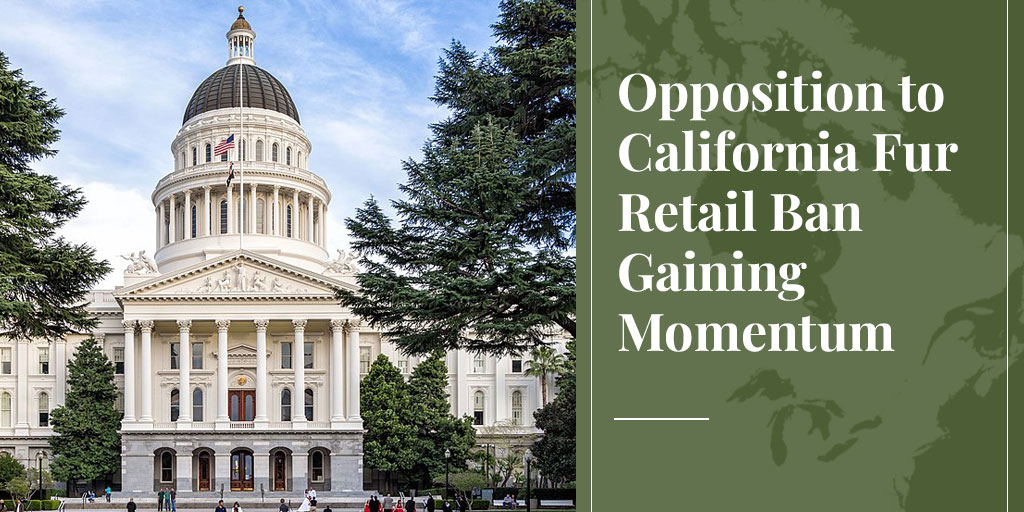
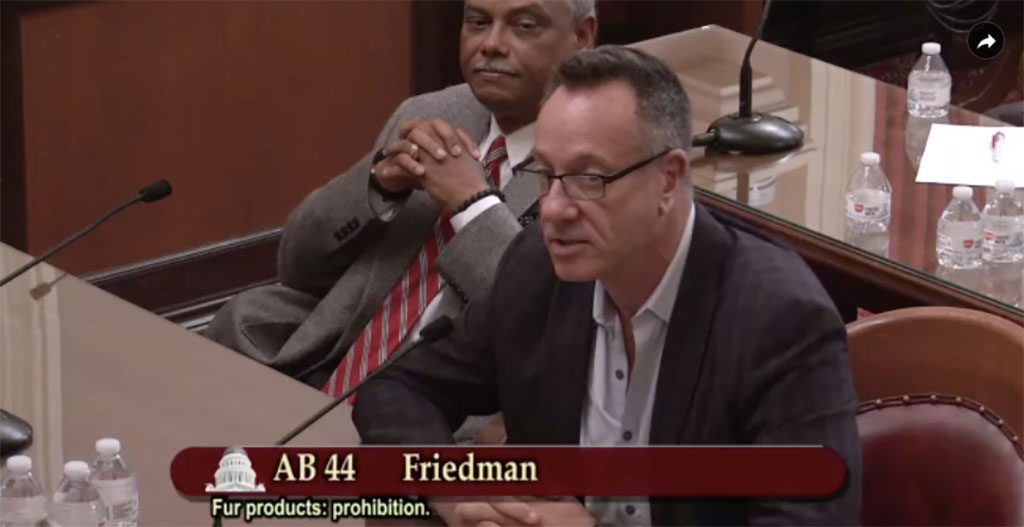
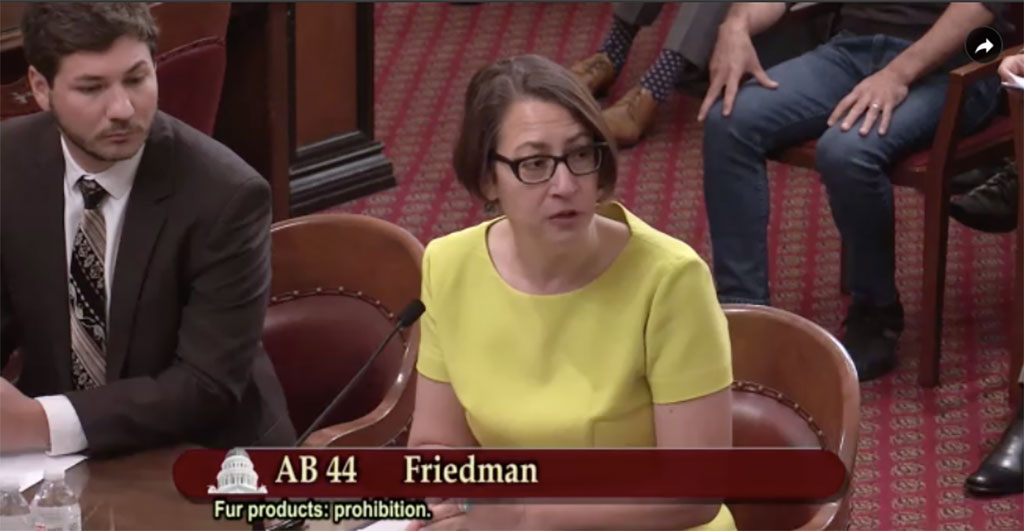
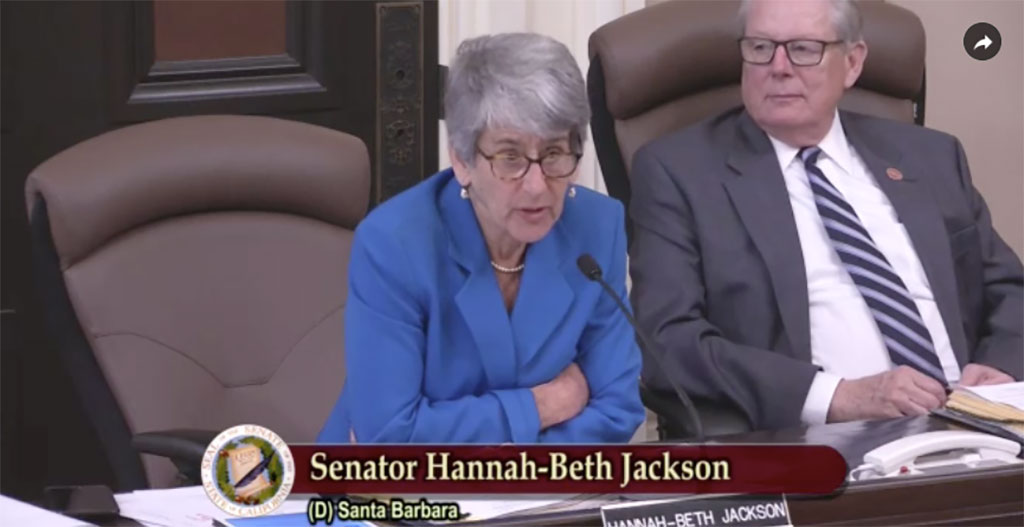
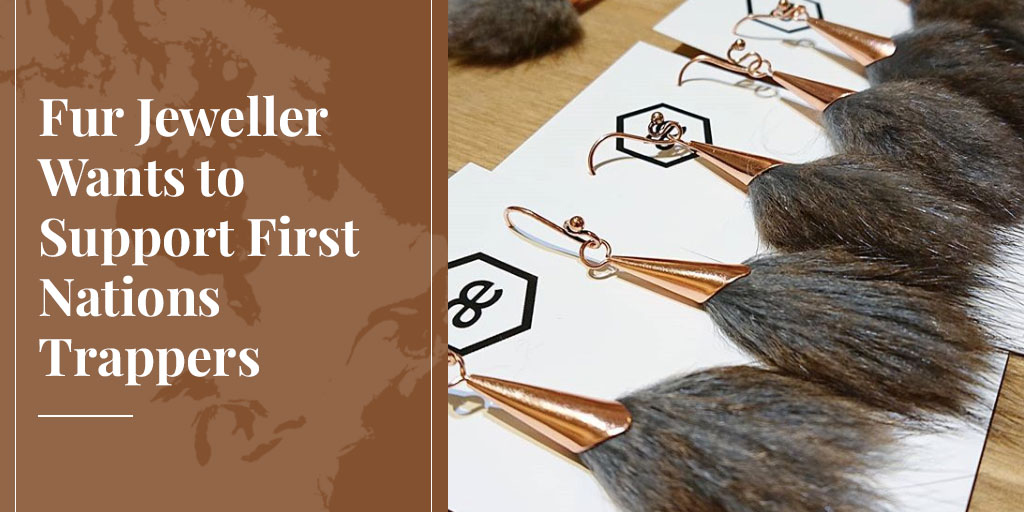
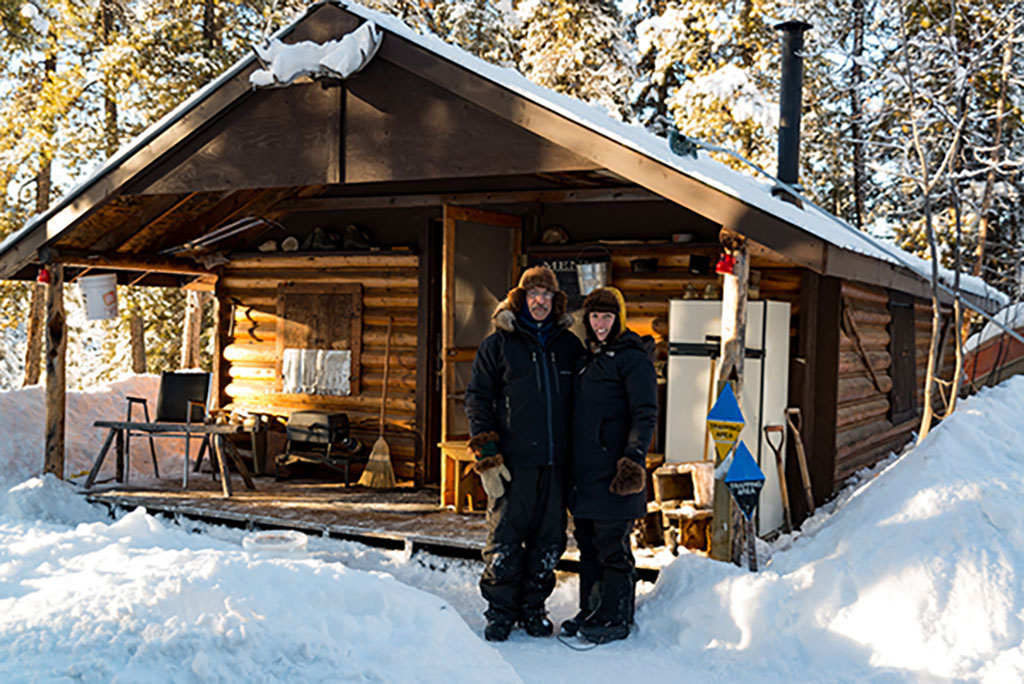
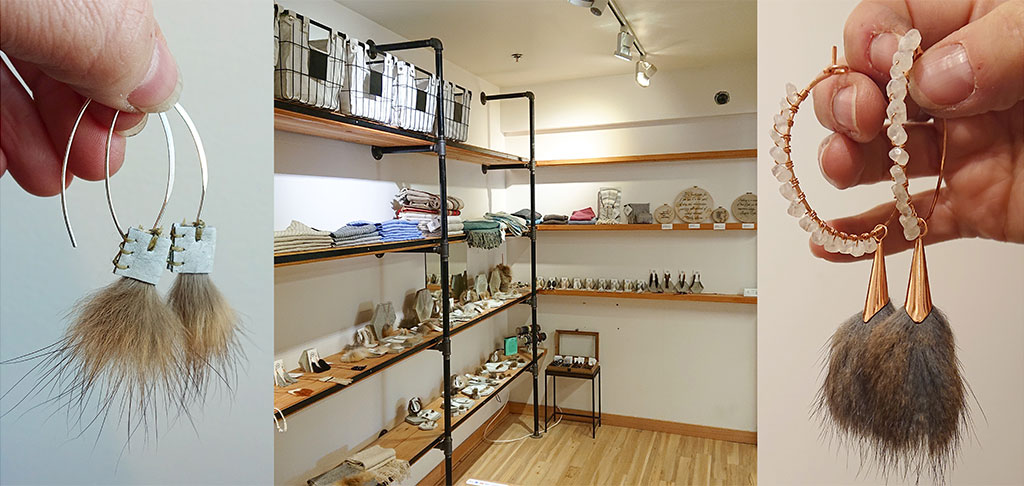
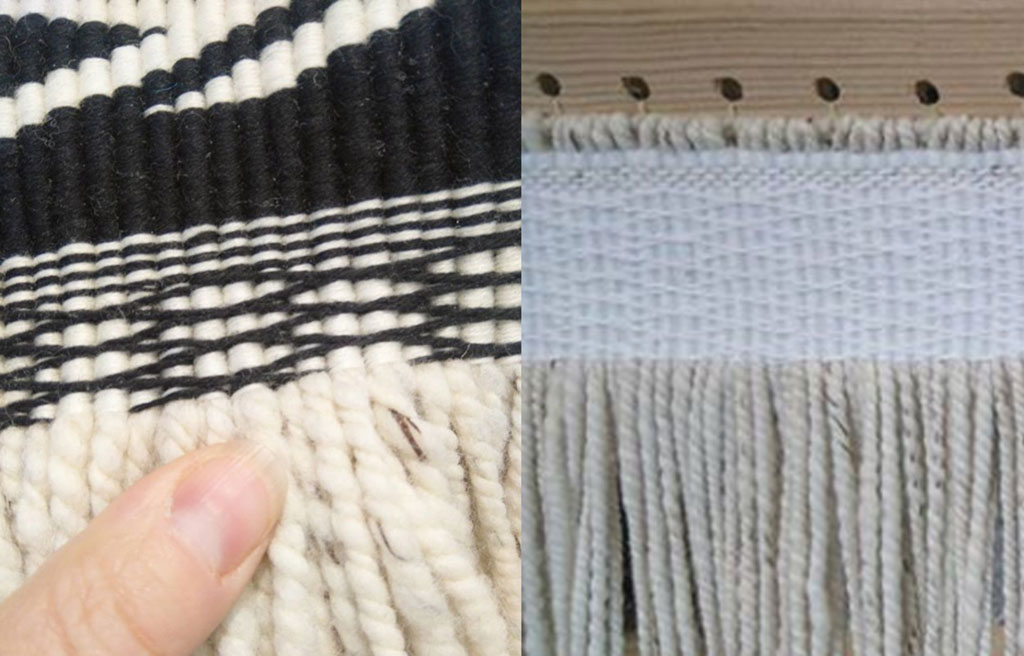
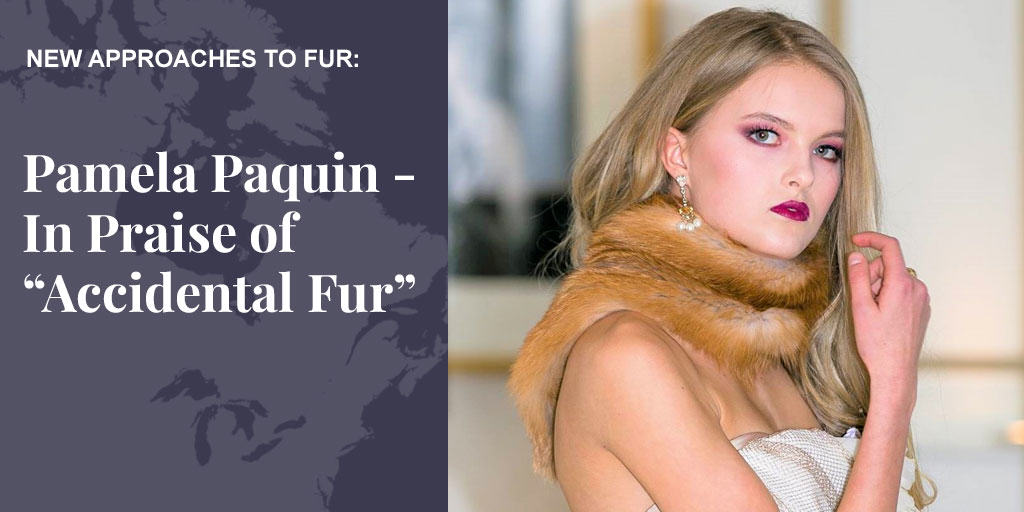
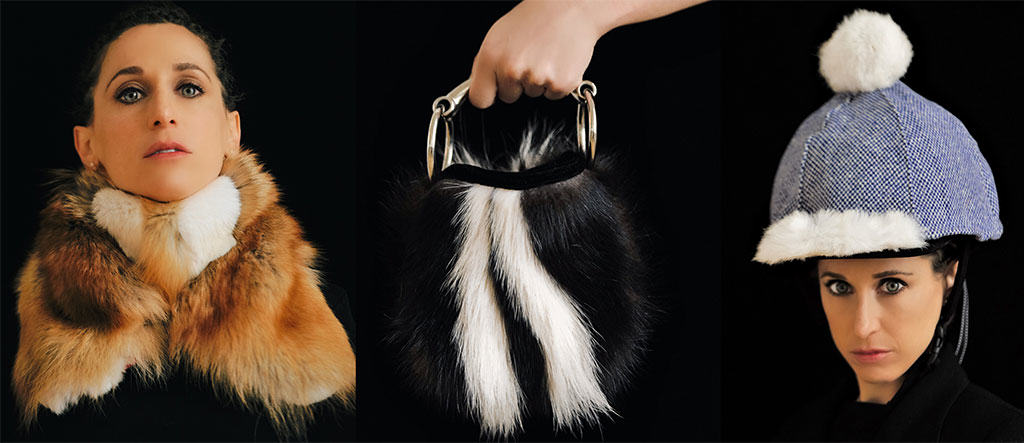
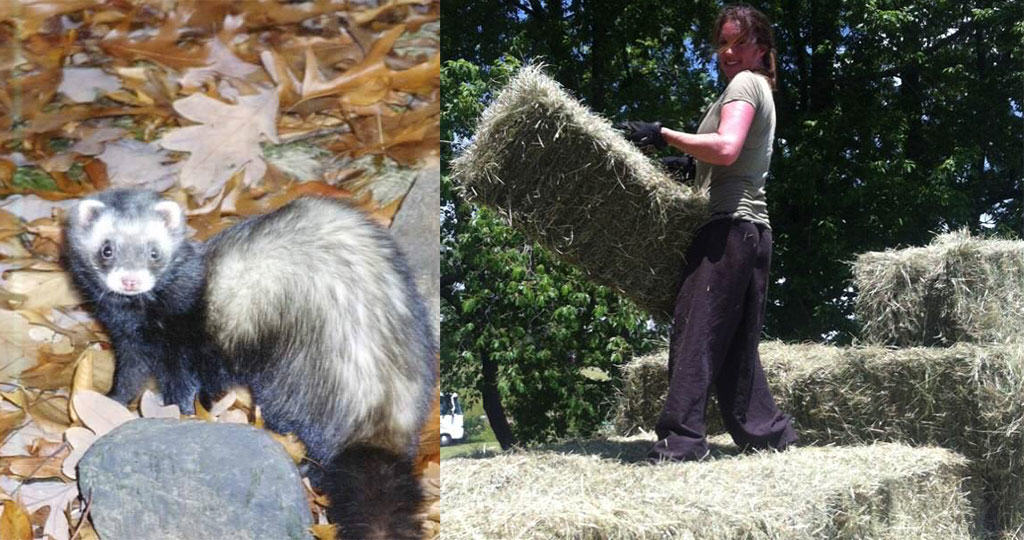
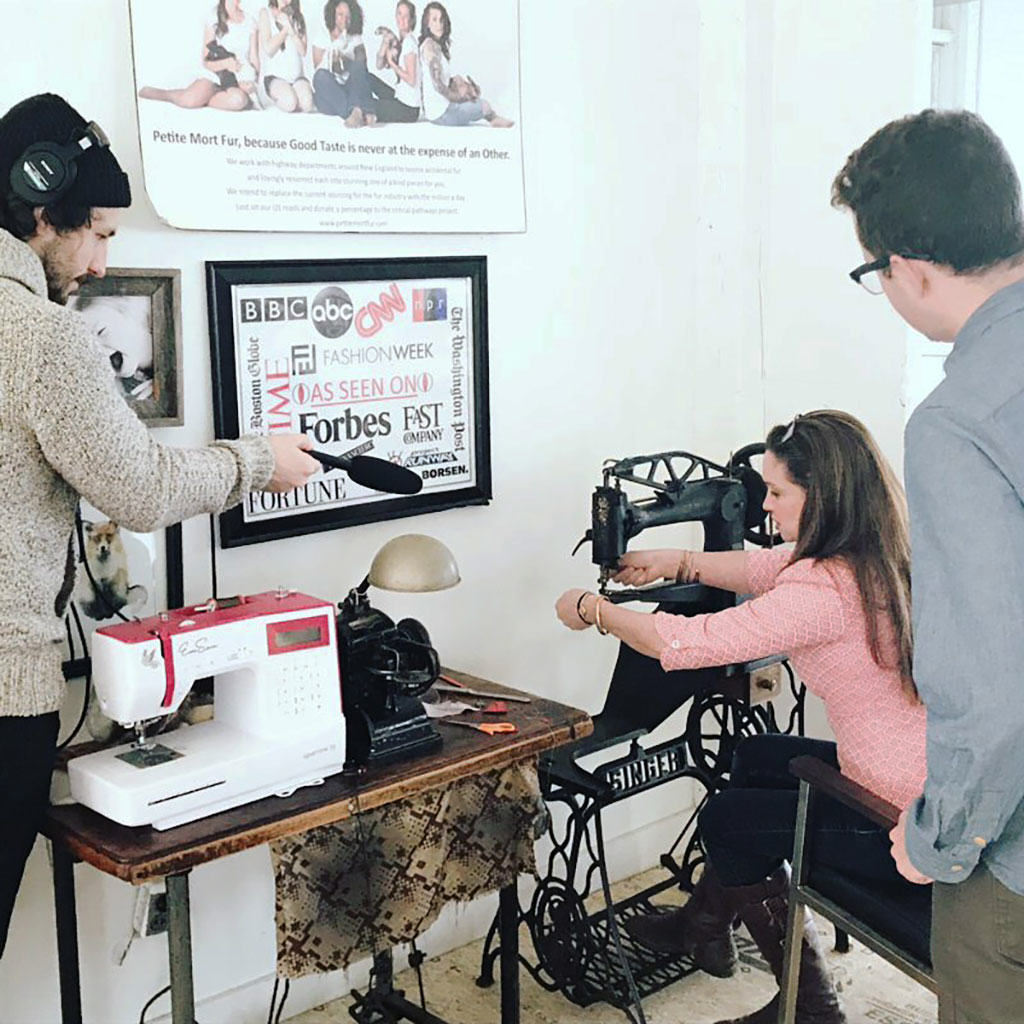
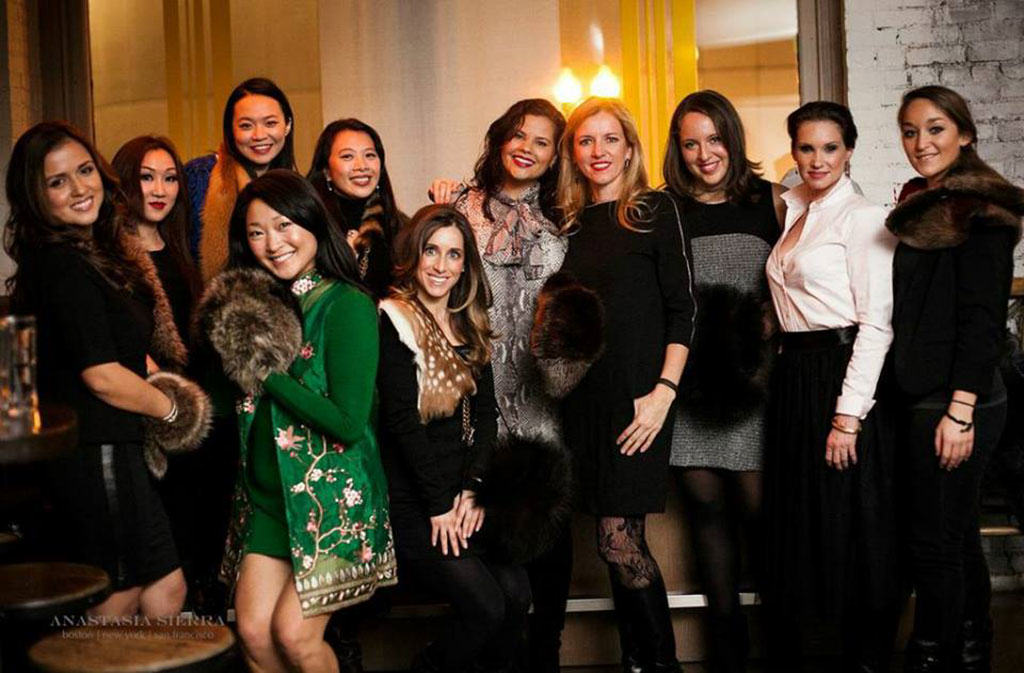
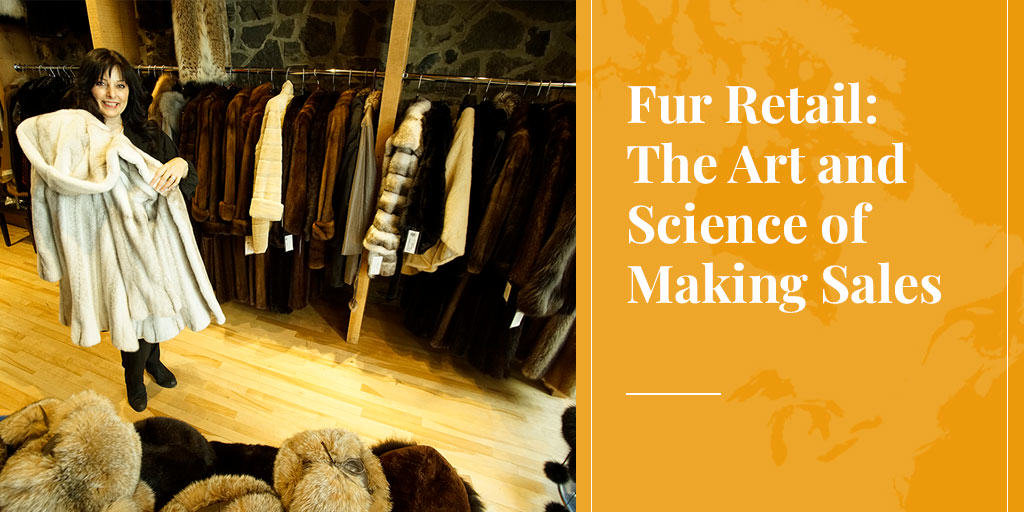
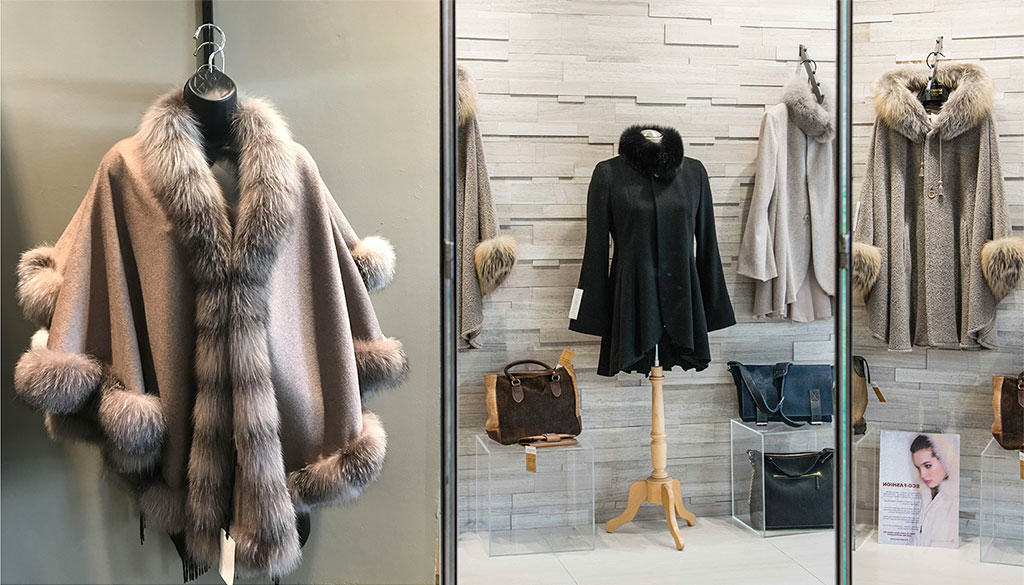
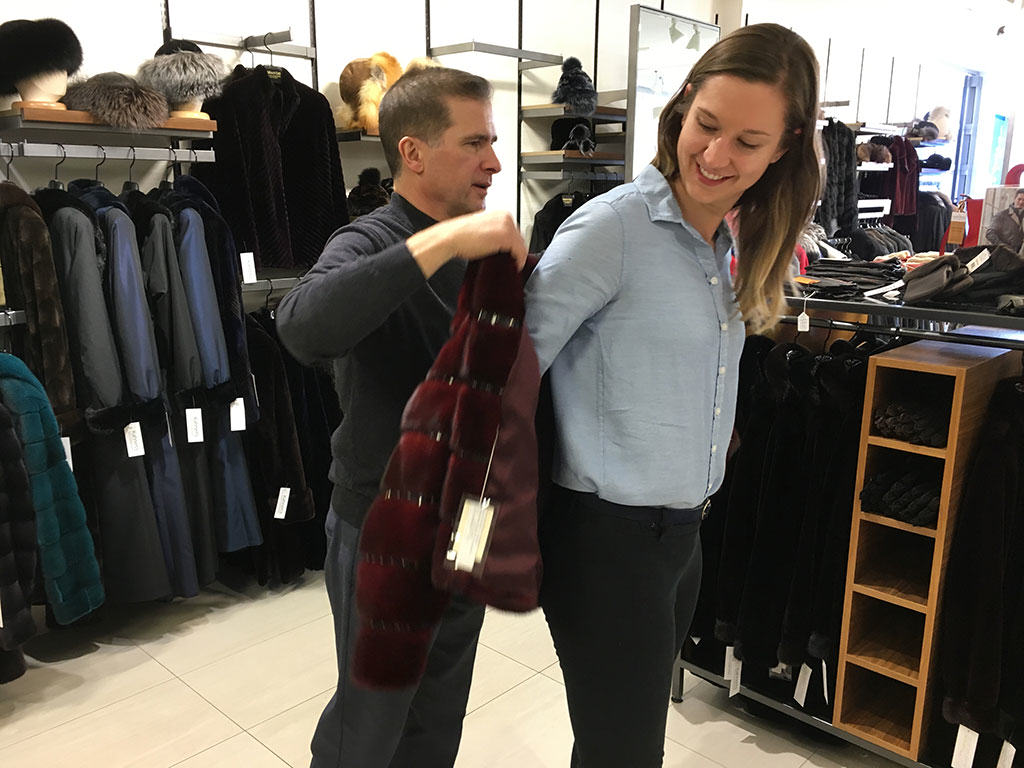
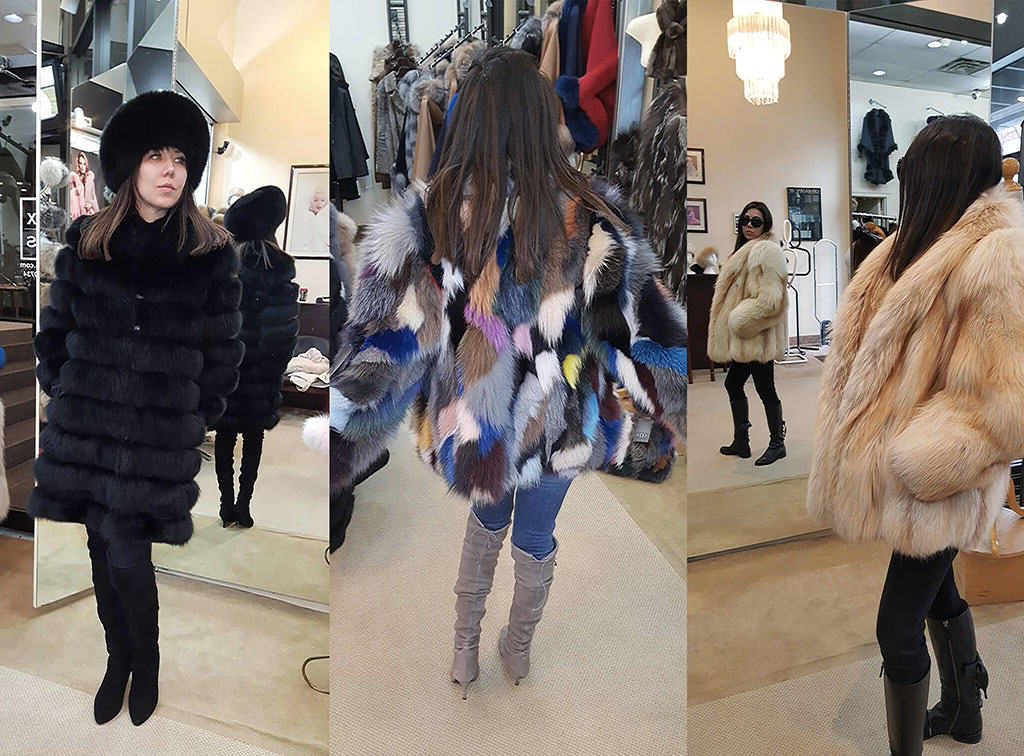

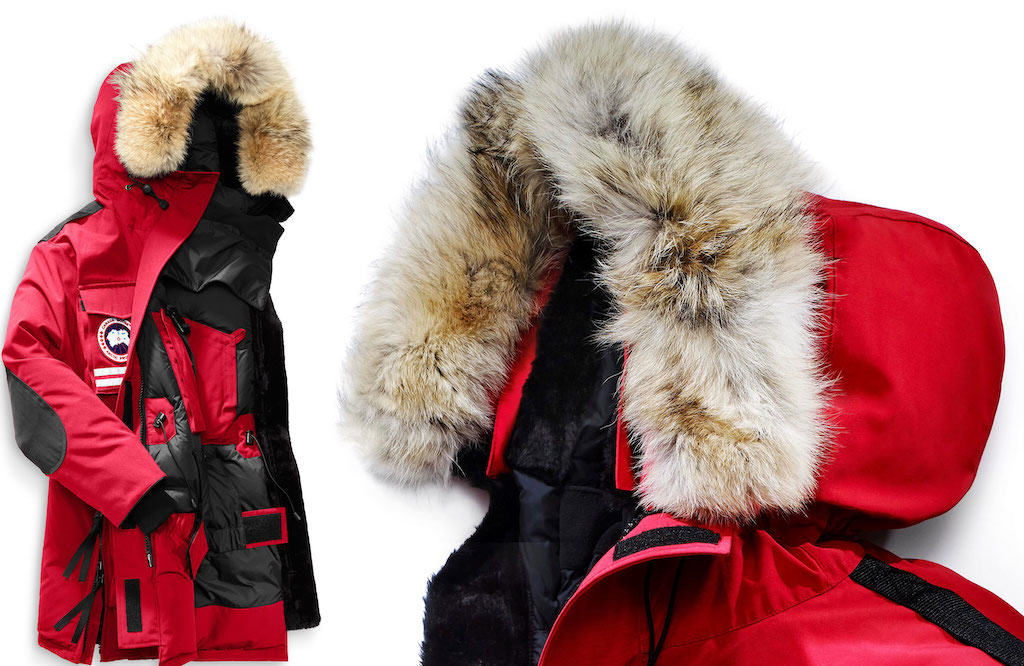

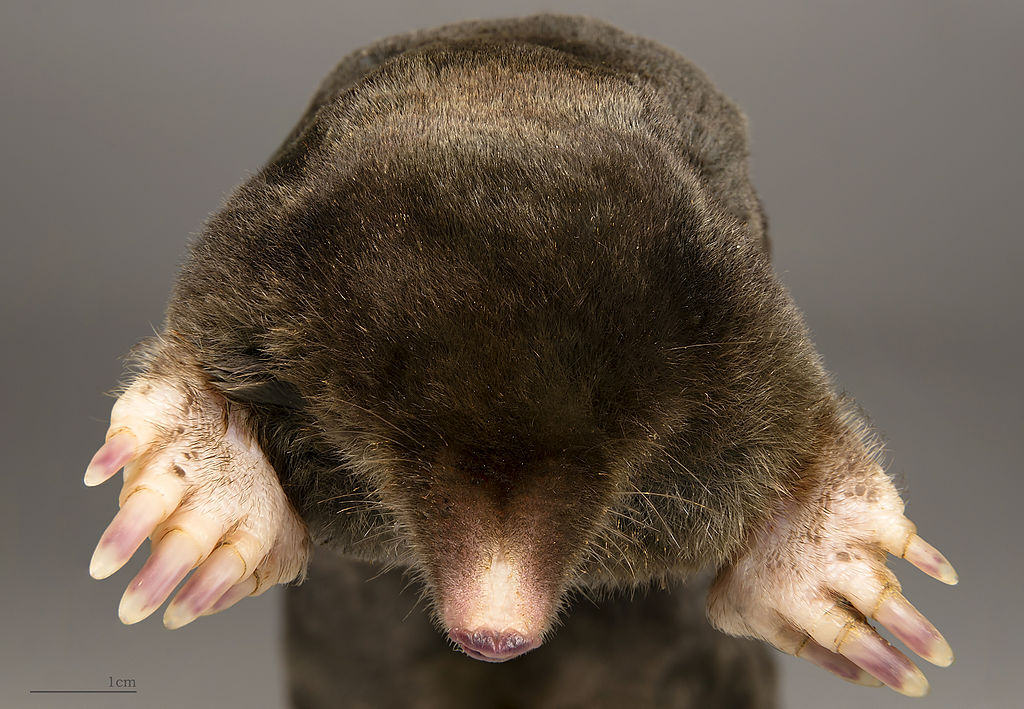

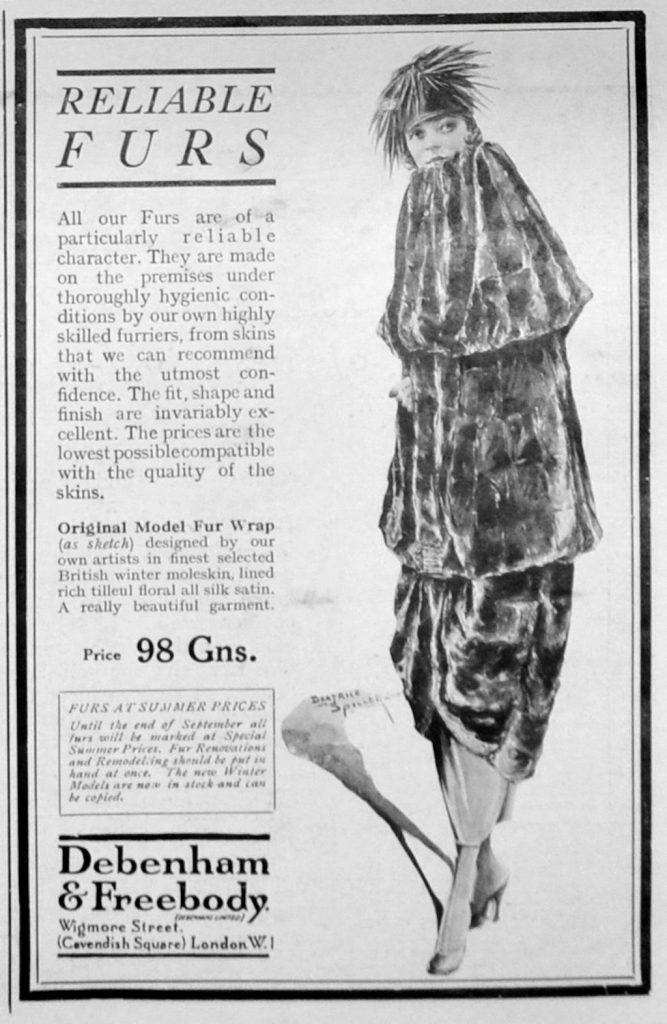
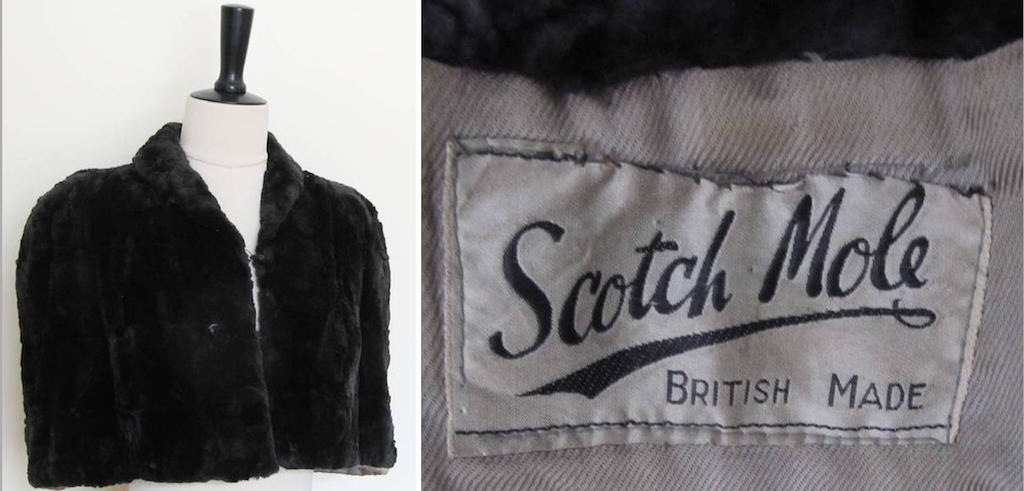
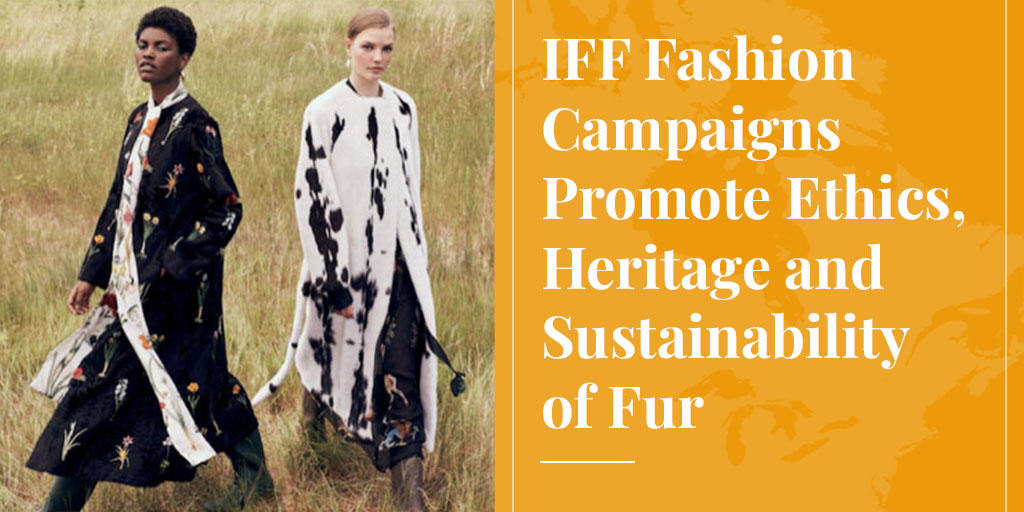
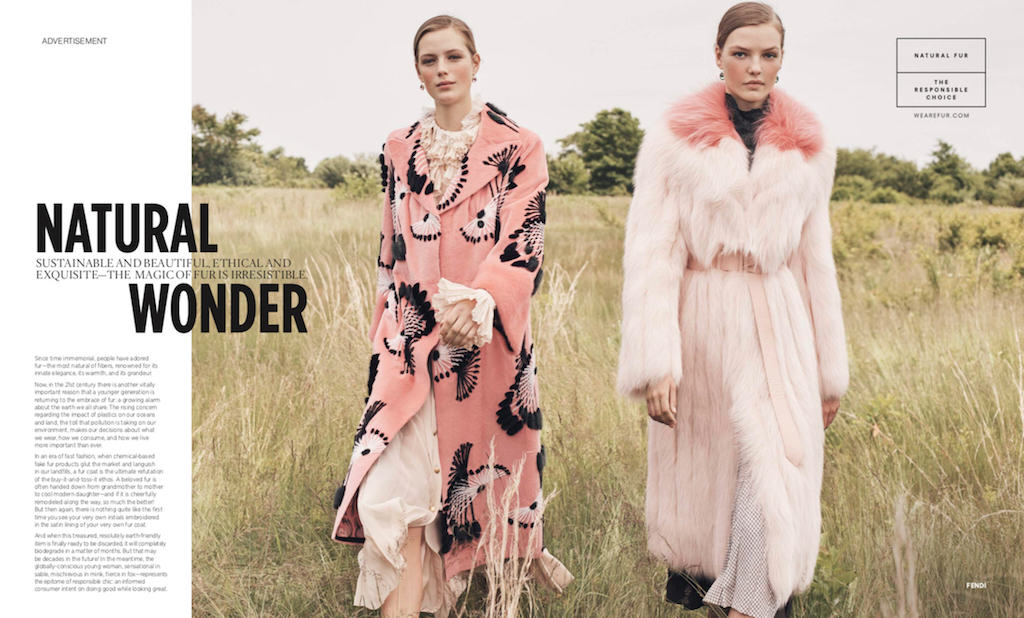
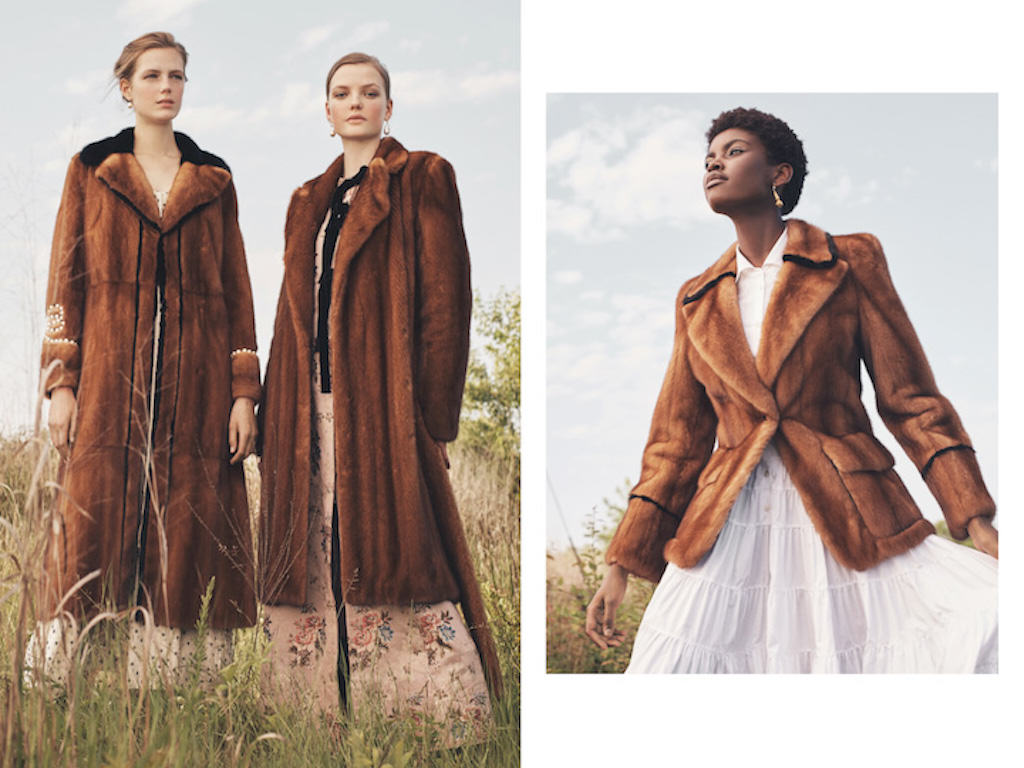
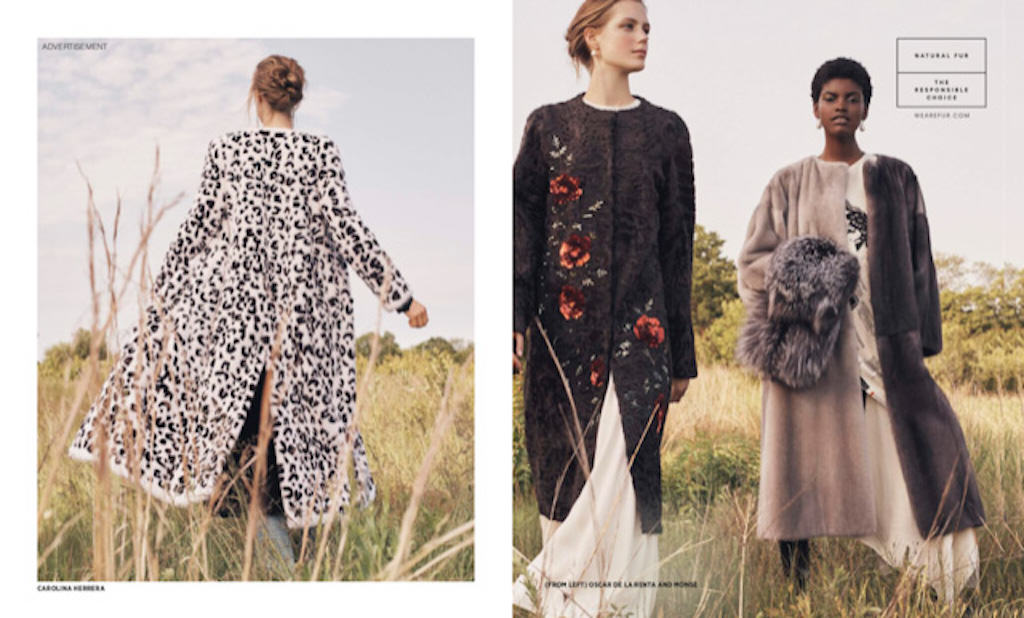
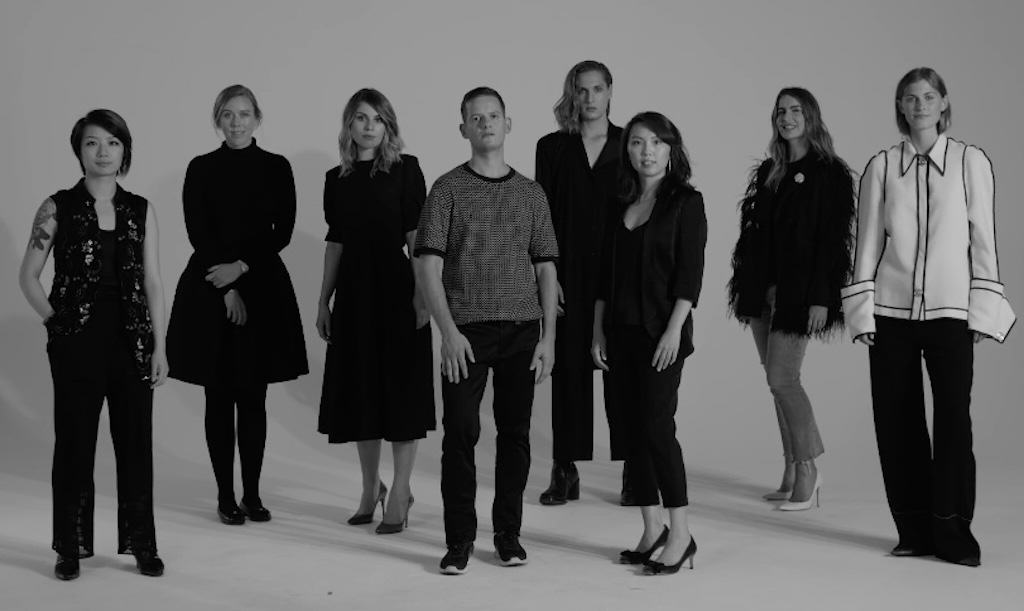
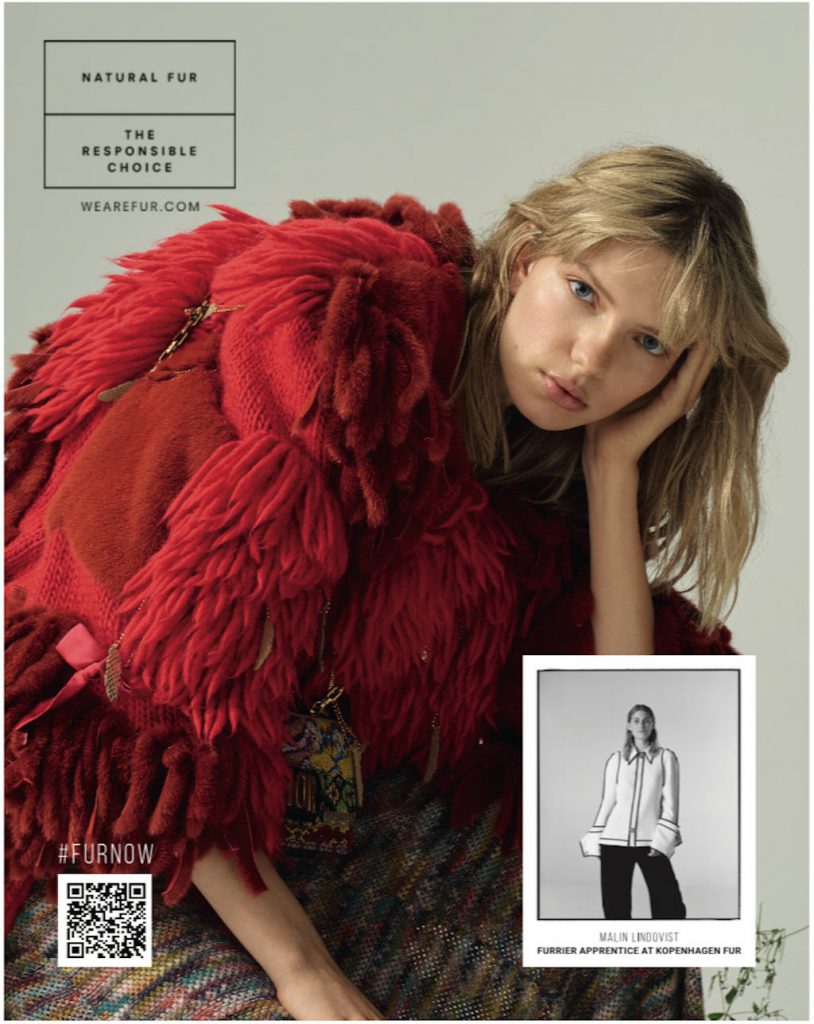
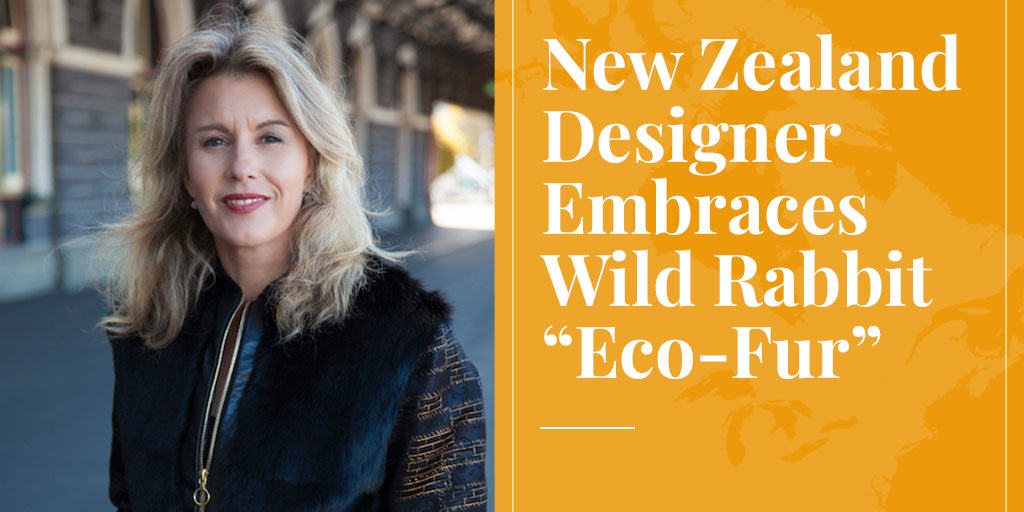
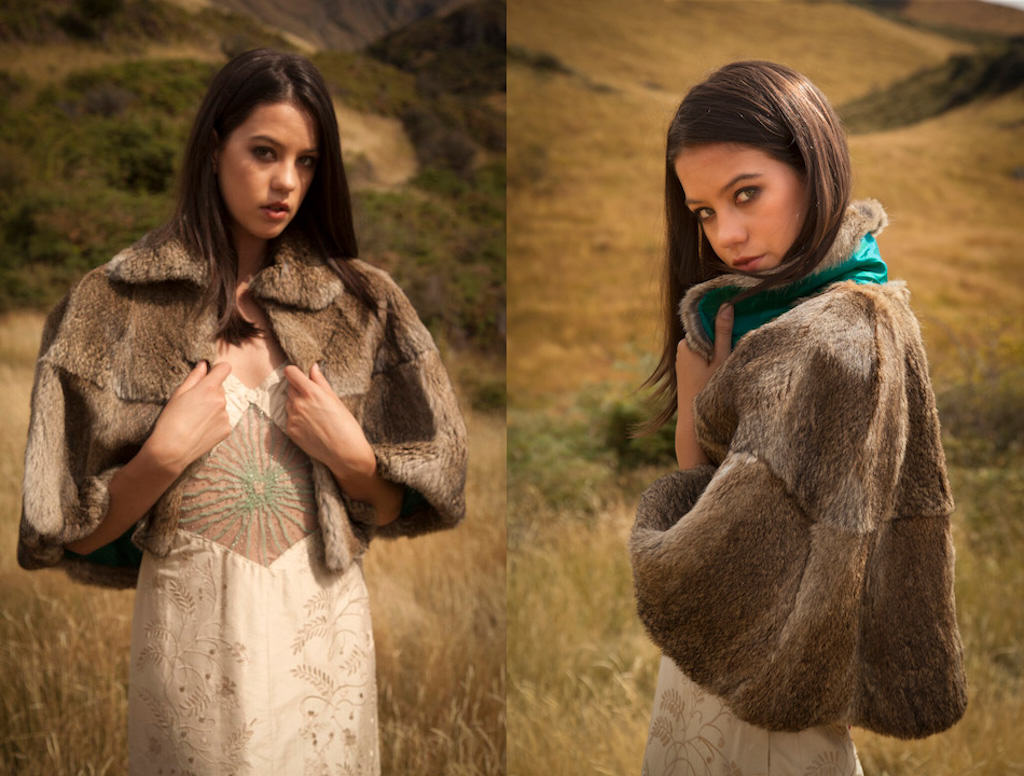
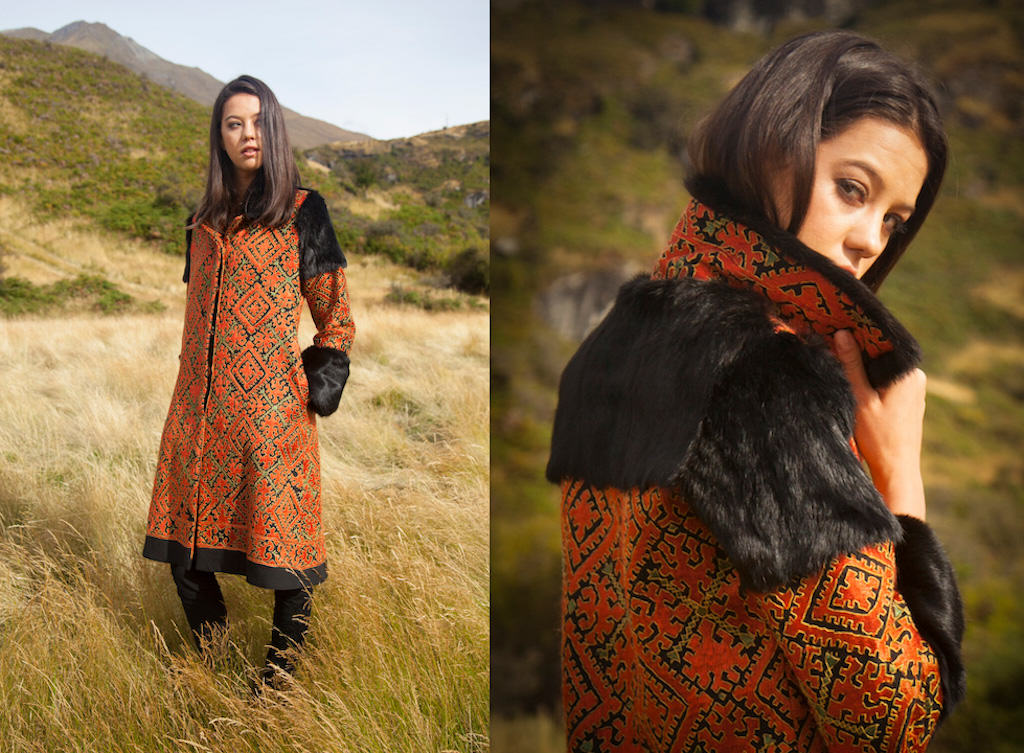
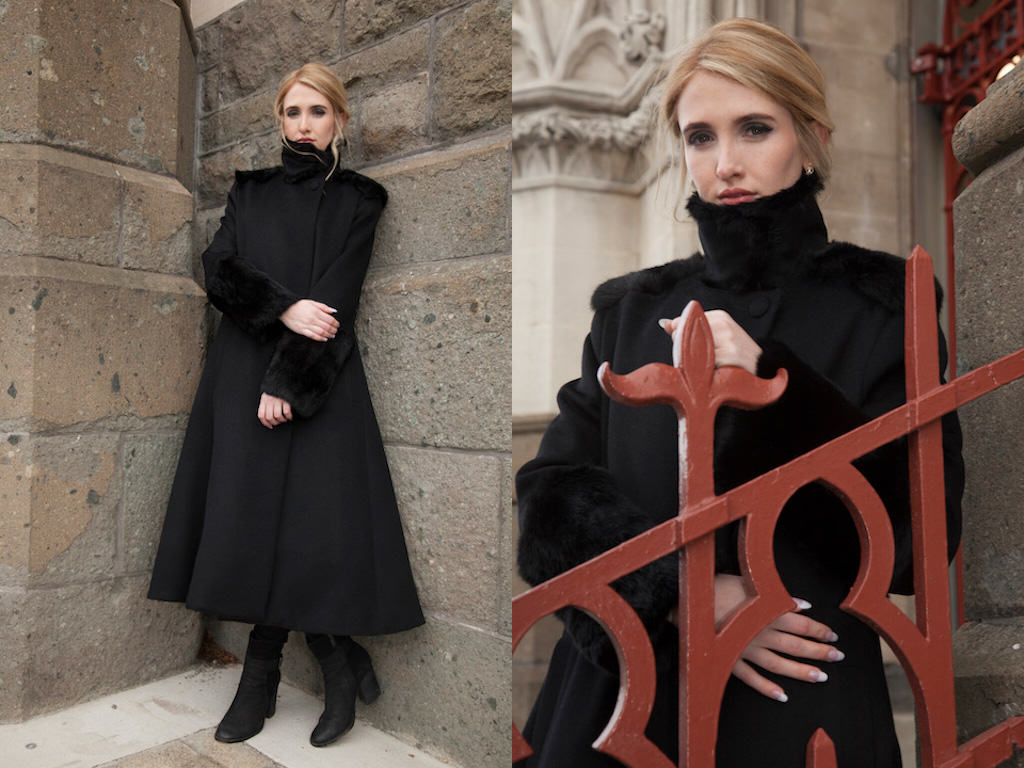
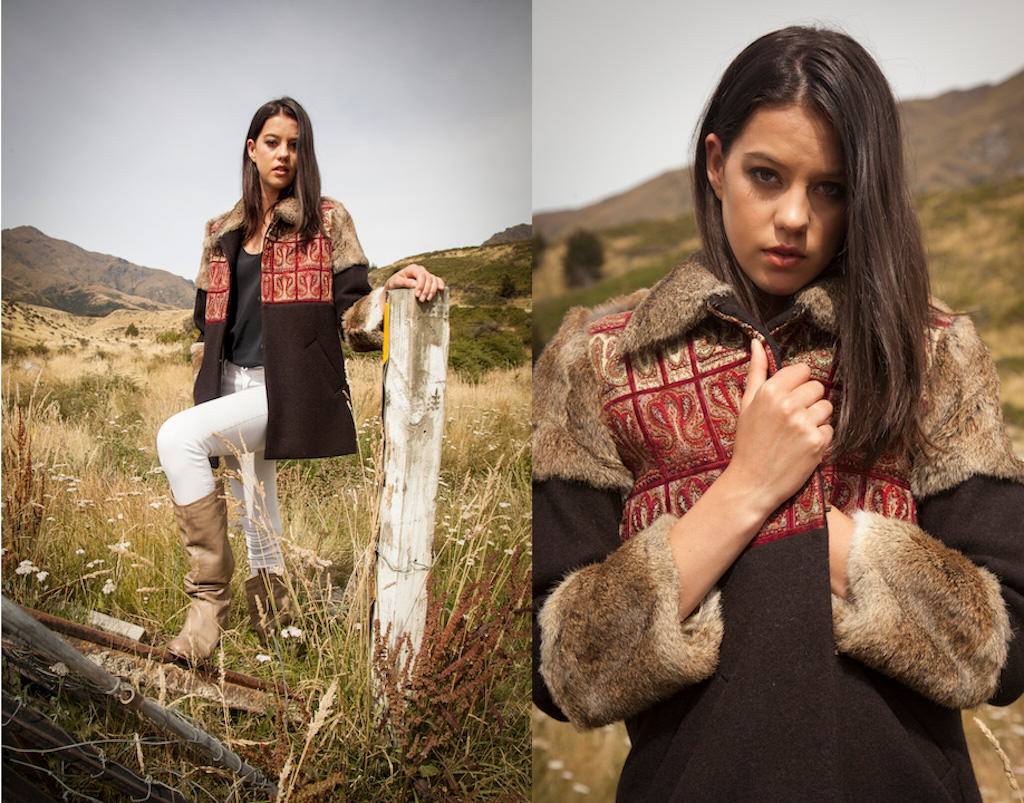
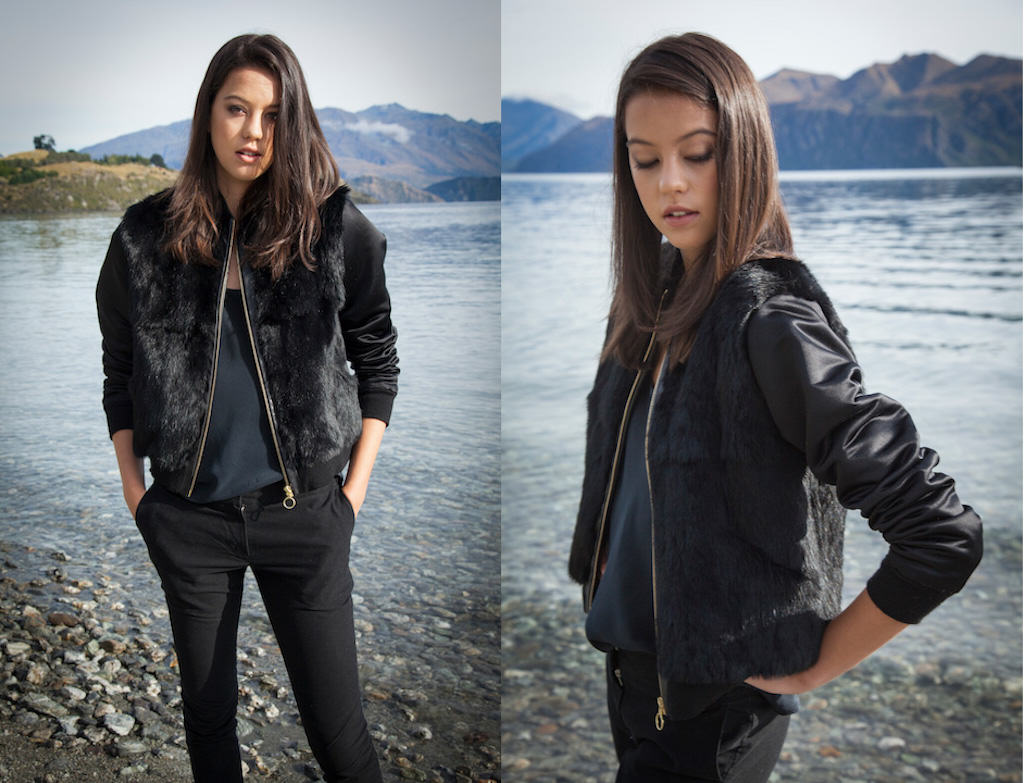
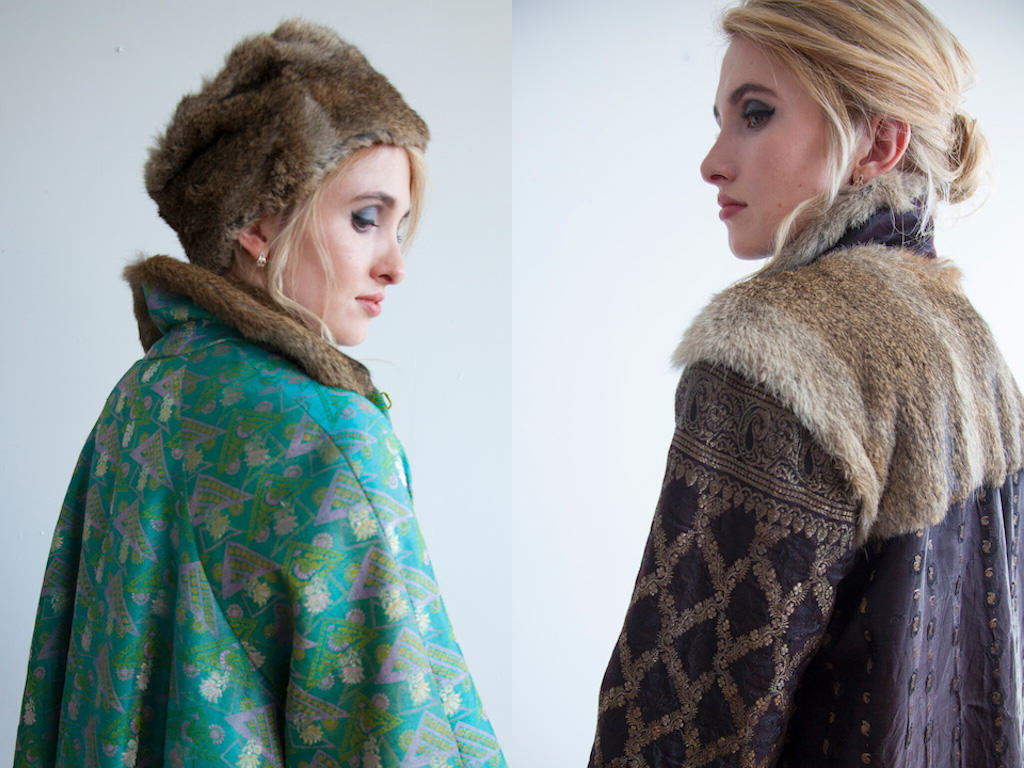
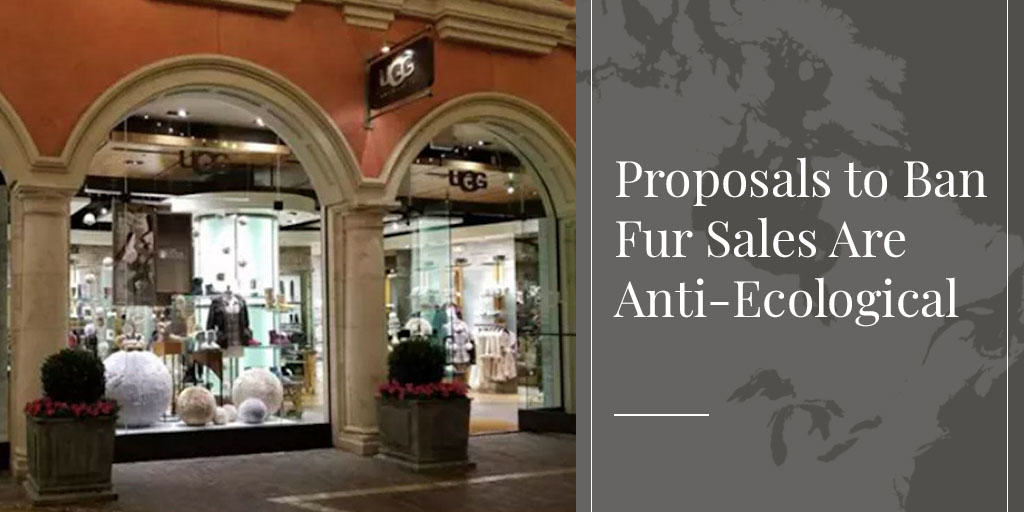
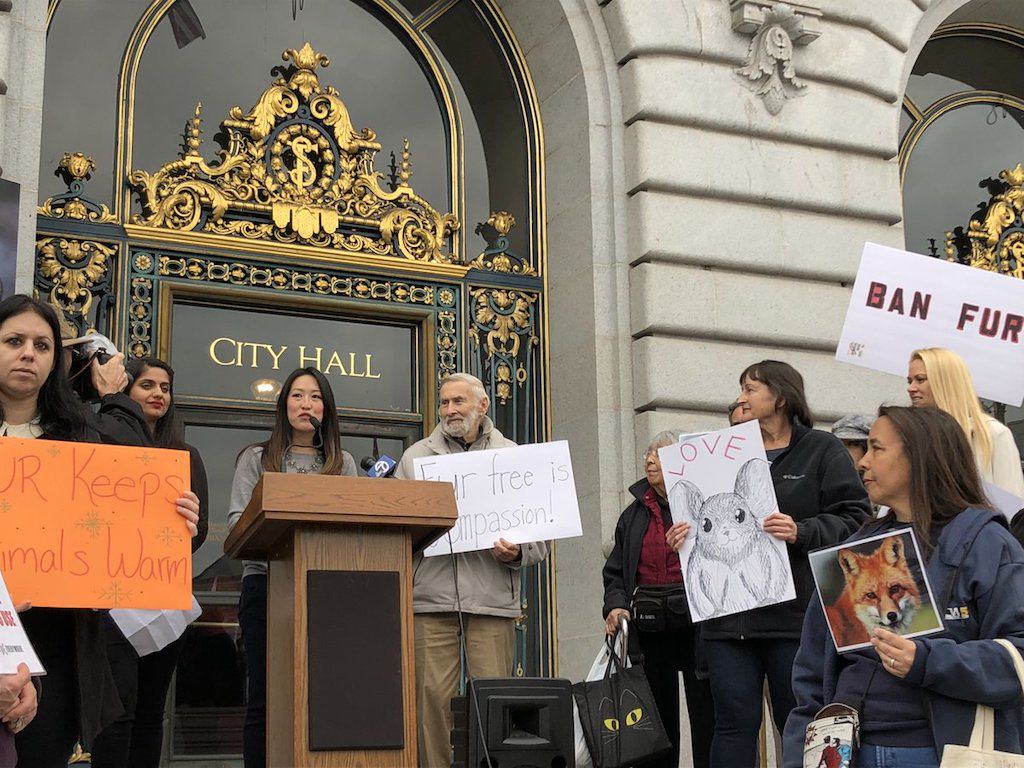
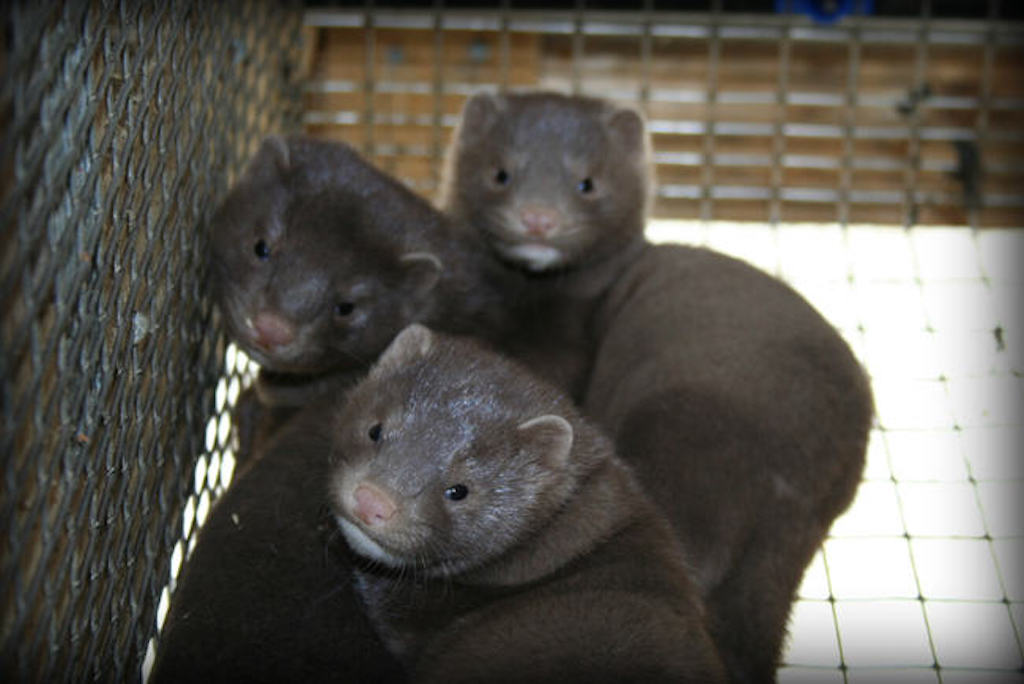
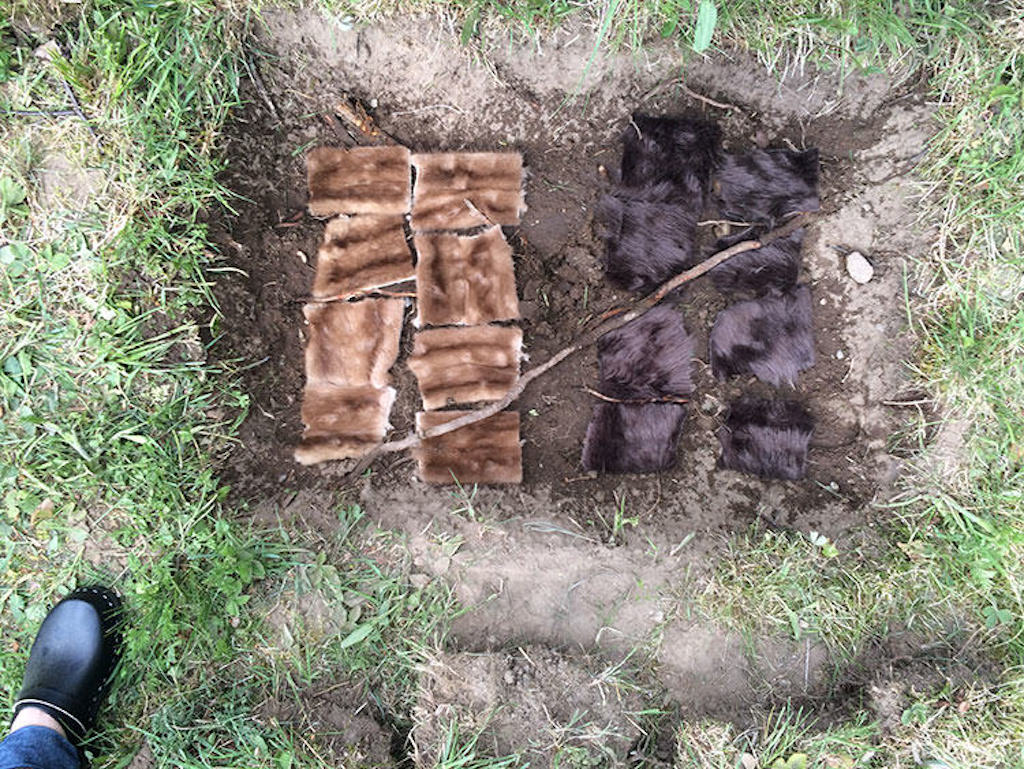
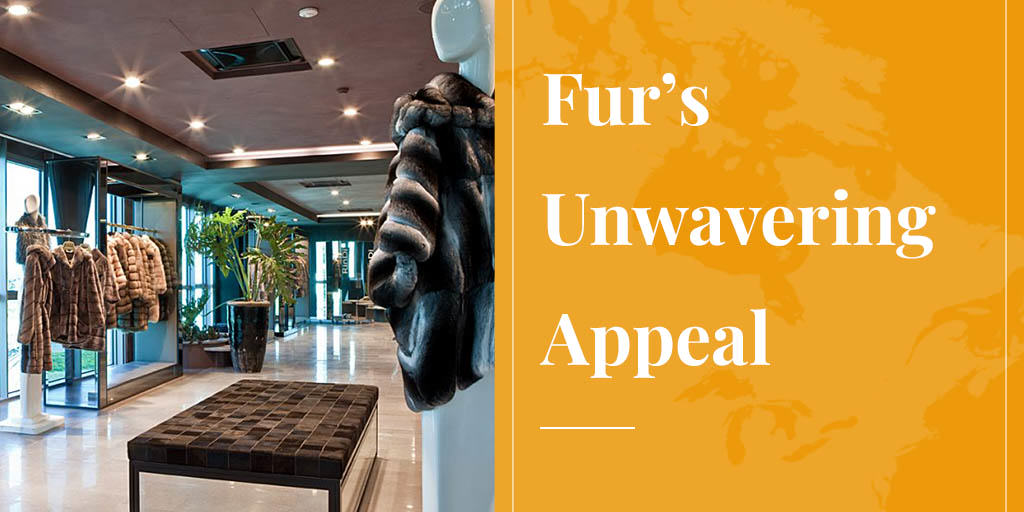
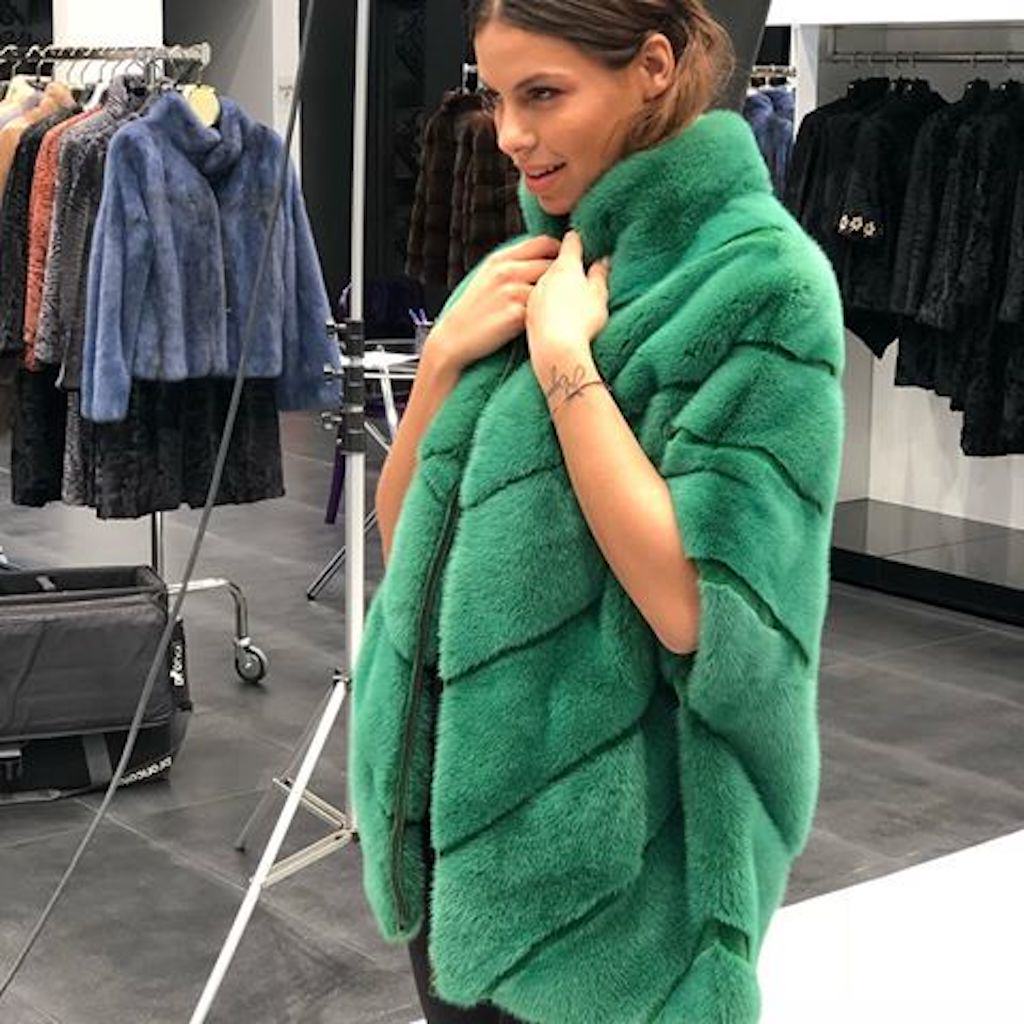
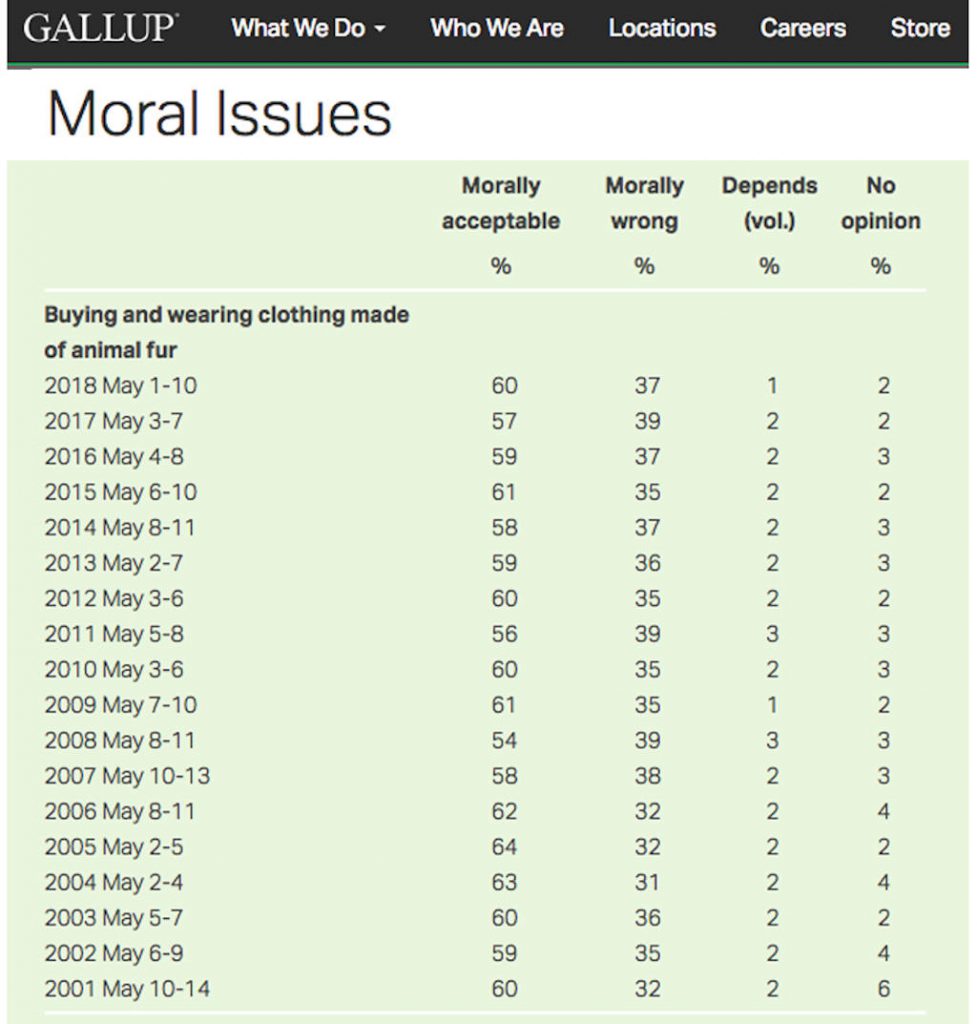
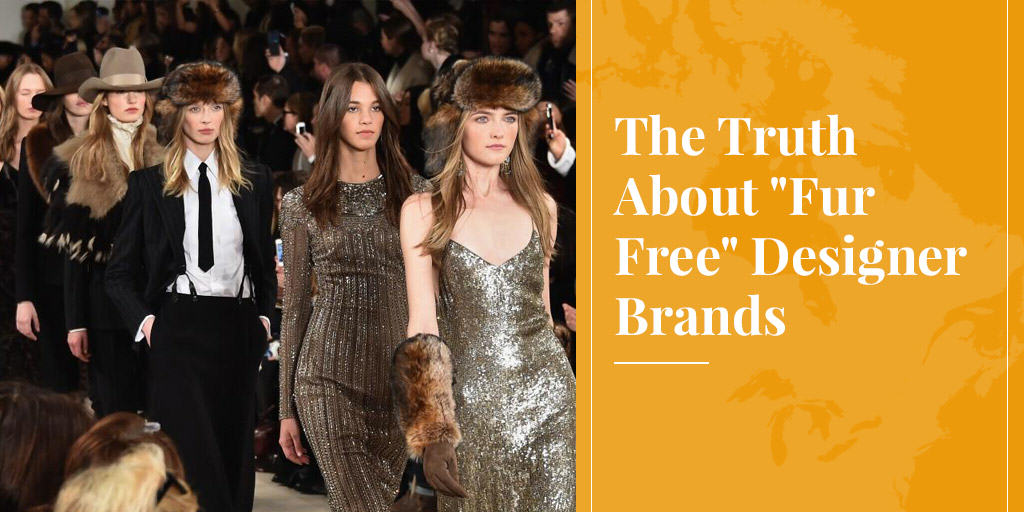

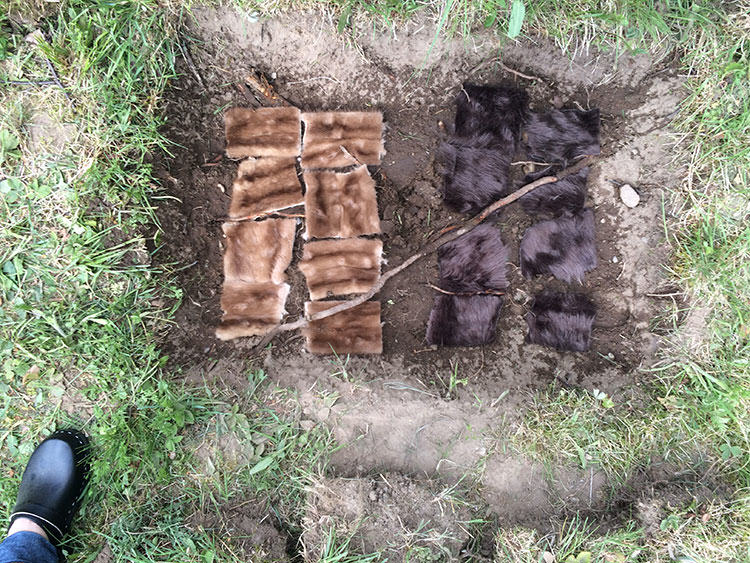
.jpg)
