On a recent Saturday night, there was a vigil outside the Hollywood home of Ed Buck commemorating the second anniversary… Read More
In happier days (before male prostitutes started showing up dead in his apartment), Ed Buck poses with a famous friend. Photo: Ed Buck / Facebook.
On a recent Saturday night, there was a vigil outside the Hollywood home of Ed Buck commemorating the second anniversary of the death of Gemmel Moore, a young black man who was found dead in Mr. Buck’s apartment of a drug overdose. It is one of two similar deaths of African American men in Mr. Buck’s apartment involving methamphetamine. In the case of Mr. Moore, his own journal entries in the weeks leading up to his death called out how Mr. Buck had introduced him to the drug, and injected him with it. And a report from the police investigation of the scene noted that more than 20 syringes were found in Buck’s apartment along with a cabinet full of illegal drugs and paraphernalia.
Buck, a wealthy white political donor, is an animal rights activist who began the campaign to ban fur in California, pushing through a ban on fur sales in West Hollywood by gathering volunteers and funding from the animal rights community to support John D’Amico’s first run for city council. Mr. D’Amico in turn introduced the West Hollywood ordinance. During the fur ban debate, a witness quoted Mr. Buck as saying we can tell a lot about a person by the way they treat animals. What does Mr. Buck’s treatment of people say about him?
If you run the rolls of political donations over the past decade, in order to further his agenda Mr. Buck has donated to the campaigns of numerous California Democrats in West Hollywood, Los Angeles and at the state level, many of whom are still in office. He has been one of the largest donors to Animal PAC/Social Compassion in Legislation for Animals. Among the beneficiaries of this PAC are Henry Stern for State Senate ($4,200), John Perez for Assembly ($3,900), Los Angeles Mayor Eric Garcetti and Los Angeles County District Attorney Jackie Lacy. (The latter two have returned their contributions.)
Mr. Buck’s legacy leads one to think about some of the other celebrated animal activists here in California. Among them are Nasim Aghdam, the animal rights activist and vegan athlete who shot a man and two women with a handgun after storming YouTube’s headquarters in San Bruno in April 2018. How about Joseph Buddenberg and Nicole Kissane, prosecuted for their acts of vandalism and terror against Kim Graf, owner of Graf Furs in San Diego, and her elderly parents? This dynamic duo spread flesh-eating acids on the doors and windows of their cars, their homes, their store and the parents' RV.
And then there’s the very disturbing news about PETA: They kill animals! The Virginia Department of Agriculture and Consumer Services (VDACS) tracks the number of cats and dogs taken in by shelters in the state of Virginia each year, how many were reclaimed by their owners, adopted out, transferred to other agencies or euthanized.
Between 1998 and 2018 VDACS reported 47,316 animals taken in by PETA and 39,961 euthanized. That’s 84.46%! Why? According to Ingrid Newkirk, co-founder of PETA, pet ownership is “an abysmal situation.” She further elaborated on her goal for destroying the human-pet bond: “If people want toys, they should buy inanimate objects. If they want companionship, they should seek it with their own kind. In the end, I think it would be lovely if we stopped this whole notion of pets altogether.”
Just this month Wayne Hsiung, the co-founder and lead organizer of Direct Action Everywhere, announced he was stepping down in advance of multiple criminal trials. Direct Action Everywhere is a co-sponsor of Assembly Bill 44, and to date Mr. Hsiung has been present at nearly all of the committee hearings on the bill.
(Not to be outdone, in 2000, animal activist Marc Ching, founder of Animal Hope and Wellness who has testified in support of AB 44, was sentenced to prison for kidnapping.)
Lawmakers in Bed with Lawbreakers
Does AB 44 author Assemblywoman Laura Friedman know who she's in bed with?
AB 44 would ban Californians from the choice of buying natural fur clothing. But it won’t stop there. The bill’s backers want to ban Californians from buying leather, wool, burgers, and other animal products.
They say that politics makes strange bedfellows. But it appears that Assemblywoman Laura Friedman, the author of AB 44, has lost her ability to discriminate.
These are the people behind Friedman’s campaign to ban fur. They would close legitimate, taxpaying businesses, putting thousands of people up and down the state out of jobs, and forcing their personal agenda on consumers.
Are we in a new era where lawmakers carry the torch for
lawbreakers? Is this the proper role for our legislature?
Hopefully not. But only if regular Californians make their voices heard.
***
This article first appeared at medium.com, and is reproduced with the author's permission.
To learn more about donating to Truth About Fur, click here.
The growing opposition to Assembly Bill 44, which proposes a statewide fur retail ban in California, has taken longer than it should have for a simple reason: no one who farms and sells furs expected the state legislature to seriously try to target their centuries-old craft for elimination - certainly not businesses that legally operate, produce jobs, and pay their taxes.
Introduced in December 2018, AB 44 would "make it unlawful to sell, offer for sale, display for sale, trade, or otherwise distribute for monetary or nonmonetary consideration a fur product, as defined, in the state. The bill would also make it unlawful to manufacture a fur product in the state for sale."
AB 44 sailed to passage through its house of origin but is now encountering some increasing headwinds in the State Senate. A larger-than-expected number of opponents of AB 44 turned out at the measure’s hearing before the Senate Natural Resources Committee, June 25, a video of which can be found on the committee’s webpage.
Lining up to speak against AB 44 were people from all over California, including a Native American who told of fur’s importance in helping many of his people fight their way out of poverty. Earlier, the president of the California Black Chamber of Commerce and prominent leader with the Black Business Association told committee members of the affront AB 44 was to many members of his community who had fur as the only avenue open to them to overcome the many indignities of job and housing discrimination.
Two senators, one Democrat and one Republican, asked the
author of the bill, Assemblywoman Laura Friedman, if it is possible to amend
her measure in a way that achieves her goal of improving the treatment of
animals without destroying a whole industry.
There is a way to do that, which Friedman has steadfastly opposed so far. It would be amending AB 44 to adopt a global traceability and certification program that ensures all fur farms adhere to strict, science-based standards of animal welfare and sustainability with independent third-party audits and inspections every 15 to 18 months, as well as the integration of block chain technology to ensure traceability and access to information on every fur skin used in a garment all the way from the farm through processing and manufacturing and to the retailer.
Key word, that: "traceability". According to an Agence France-Presse news report, “French fashion designer Jean Paul Gaultier said Wednesday [July 3, 2019] he could go back to using fur if he could be sure it was entirely traceable. The flamboyant creator announced in November he was renouncing fur, a move hailed as a major victory by animal rights groups like PETA who have previously tried to disrupt one of his shows and occupied his Paris boutique.”
AB 44 author Laura Friedman feigned ignorance of reality, saying, "We do not have a line of retailers out the door telling us that this is going to be at all harmful to them."
Friedman thought she made a point in asking members of the Senate Natural Resources Committee why, if her bill were so harmful to retailers, none of them were there to testify against it. Here’s why. Because retailers fear that groups like PETA and Direct Action Everywhere, one of whose adherents recently charged a stage to swipe a microphone from US Sen. Kamala Harris, would be organizing disruptions in their stores. Or worse, that they would subject retailers and their clients to the kind of harassment and intimidation that they have experienced at the hands of animal extremists for years, including vandalism of their stores and homes, destruction of inventory and, in some cases, even the use of Molotov cocktails thrown into their stores.
In fact, in 2017 animal activists were sentenced for splashing flesh-eating acid and other chemicals on the outside of a San Diego fur store, gluing their locks and spray-painting anti-fur screeds on the store’s exterior. The homes of the store owner and her elderly parents were similarly targeted.
However, it should be noted that retailers, consumers and other Californians have collectively sent upwards of 600 letters opposing AB 44, because they have had enough of government overreach and the attack on small businesses, jobs and personal choice.
Pushing for Compromise
Was there a way "to create some kind of a compromise?" asked Hannah-Beth Jackson.
AB 44’s next hearing was to be before the Senate Judiciary Committee on July 9. That committee is chaired by Sen. Hannah-Beth Jackson, who is also a member of the Senate Natural Resources Committee and at its June 25 meeting asked Friedman if there was a way to “create some kind of a compromise situation for those who insist upon producing fur, for those folk who are trying to do it the most humane way possible.”
It will be interesting to see if Jackson’s committee follows through on finding a compromise, which the proposed amendment mandating the comprehensive certification program is.
Problematic Process
One of the greatest challenges AB 44’s opponents face has been the process itself:
• Accelerated scheduling of hearings to challenge our ability to respond.
• The setup of the testimony itself whereby the author has 10 minutes and each of her sponsors has five minutes to introduce their bill, and we are allowed only two people who each have only two minutes to testify.
• Our being prohibited from raising questions or challenging falsehoods in these hearings.
• Instructions to the Senate Judiciary Committee staff to use the analysis done on the Assembly side.
The state’s handling of conflict diamonds holds a lesson for fur. As awareness of the consequences of conflict diamonds grew, including insurgencies and loss of human lives, lawmakers here did not ban diamonds. Instead, they adopted the Kimberly Process Certification Scheme rather than eliminate an entire industry. Why can’t lawmakers apply the same thinking for fur?
* * *
An earlier version of this article appeared on the website Fox&Hounds Daily.
Finally! The infamous “skinning fur animals alive” video has been exposed as a complete fraud, orchestrated and paid for by… Read More
Ma Hong She: "She said she’d buy us a good lunch, or she’d give us a few hundred Yuan to buy our own lunch.”
Finally! The infamous “skinning fur animals alive” video has been exposed as a complete fraud, orchestrated and paid for by animal activists to discredit the fur trade. There is probably no single animal-rights lie that has done more harm to the reputation of the fur trade than this video, first released by a Swiss animal-rights group in 2005.
Entitled "The shocking reality of the China fur trade", the video shows two men in a dusty Chinese fur market town, beating and then skinning an Asiatic raccoon that is clearly still alive. The video went viral and was subsequently repackaged by PETA and many other animal-rights groups around the world as “proof” that animals are abused in the fur trade. It is the centrepiece of campaigns to convince designers to stop using fur, and politicians to ban fur farming or even the sale of fur products.
Most recently, this vicious lie was repeated in support of a proposal to ban the sale of fur products in New York City, notably by the proposer of the ban, NYC Council Speaker Corey Johnson, and actress Angelica Huston, in an opinion piece published in a New York paper.
But now, an investigation by the International Fur Federation (IFF) has revealed – and documented with filmed confessions and signed affidavits -- that the horrible scenes shown in that disgusting video were, in fact, intentionally staged by professional activists who paid poor Chinese villagers to perform these cruel acts for the camera.
People in the fur trade have known from the start that the scenes shown in the video did not represent normal practice. In 2016, TruthAboutFur published “5 reasons why it’s ridiculous to claim animals are skinned alive”. That article attracted enough attention that it generally pops up first on Google if you search for “skinning animals alive for fur". But pictures speak louder than words, and shocking videos are grist for the Internet mill. What was needed was absolute proof that this video was staged – and now we have it.
Road to Shancun
Ma Hong She and Su Feng Gang assisted IFF investigators in Shancun fur market.
The IFF sent an investigative team to China to search for the men shown in the shocking video, and they found them – in the dusty market town of Shancun, a few hours drive south of Beijing.
In a new documentary video released by the IFF, the men testify that they were bribed by a woman, who they now understand was a professional activist, to carry out the horrific stunt.
The two men provided sworn affidavits about that fateful day - damning evidence of a calculated conspiracy to mislead the public and damage the fur industry.
Even now, after so many years, every time I think about what we did it makes me uncomfortable.
The two men, Ma Hong She and Su Feng Gang, were working in the Shancun fur market when they were approached with a bribe. “We were working that day and a man and a woman approached us,” said Mr. Ma in Chinese. “They had a camera and were filming. We asked 'What are you doing?’, and the woman said her grandfather had never seen a raccoon skinned alive. She asked if I would do it, and she’d like to film me doing so.
“I told her we can’t do that because the animal might bite
us. She said she’d buy us a good lunch, or she’d give us a few hundred Yuan to
buy our own lunch. After we finished the skinning we felt uncomfortable. It was
cruel for the animal. Even now, after so many years, every time I think about
what we did it makes me uncomfortable. It is something we regret. This video
was posted on-line. When we saw the video, we felt unwell just to realise that
we had been used by these people.
“I worked in the skinning area for two years. We’d never
skin animals alive, and I’ve never seen anyone skin an animal alive,” said Mr.
Ma.
"Rag-bag Package of Lies"
"We do not skin animals alive and animal rights activists are aware of this," says IFF's Mark Oaten.
Mark Oaten, IFF CEO, said: “We have endured 13 years of lies
and smears against our industry but we have finally ended this once and for
all. We aim to explode the myth with irrefutable proof that the animal rights
movement is behind a cynical stunt to discredit our industry.
“We do not skin animals alive and animal rights activists are aware of this,” said Oaten. “This is why they have had to stoop to bribery to try to damage our industry. We want to send a clear signal to anyone who seeks to deny consumers the freedom of choice by these quite wicked and, frankly, twisted tactics – if we find you out, we are coming for you and we will expose you. And if you repeat this behaviour, we will sue you for damages.
“Our industry is no longer prepared to sit back and allow these fanatics to march into the boardrooms of designers and bandy around a rag-bag package of lies and prejudice about our business. My team has gathered a solid dossier and we look forward to challenging every animal rights group which continues to use this staged video,” said Oaten.
Sick, But Not the First Time
So now we know: the cruel actions shown in this video were intentionally staged to make a vicious anti-fur propaganda piece. It’s a sick thing for anyone to do – hard to even believe – but it’s not the first time animal activists have stooped this low to falsely claim that animals are “skinned alive”.
The film that launched the first anti-seal hunt campaigns, in 1964, showed a live seal being poked with a knife by a hunter – “skinned alive!” the activists cried! But a few years later the hunter, Gustave Poirier, testified under oath to a Canadian Parliamentary committee of enquiry that he had been paid by the film-makers to poke at the live seal, something he said he would otherwise never have done. [For more on this, see my book, Second Nature: The Animal-Rights Controversy (CBC 1985; General Publishing, 1991), pg 76.]
Now, more than 50 years later, we finally have proof that this more recent claim of “skinning animals alive” is also a complete fabrication, based on another staged video. The IFF has exposed the truth; now it’s up to each of us to share this link to its documentary every time this malicious activist lie is published.
***
HELP EXPOSE THIS BIG FAT ACTIVIST LIE! Please share this blog post, or copy this link to IFF's video every time you see activists claim that fur animals are "skinned alive", in news reports or comments: https://www.youtube.com/watch?v=z6joIOEk6JU&feature=youtu.be.
To learn more about donating to Truth About Fur, click here.
As proposals to ban fur retail in California and New York grind their way through their respective political processes, two… Read More
Led by Kitty Block and Ingrid Newkirk, HSUS and PETA have worked for years to poison public opinion against fur, but can you believe them? Photos: Meredith Lee / HSUS; David Shankbone [CC BY-SA 3.0]
As proposals to ban fur retail in California and New York grind their way through their respective political processes, two giants of the animal protest industry are just behind the scenes, pulling the strings. But how credible are these groups, and what credentials do they really have to be dictating public policy?
The Humane Society of the United States (HSUS) and People for the Ethical Treatment of Animals (PETA) want to end all use of animals by society. In their pursuit of this agenda, fur is just the thin end of the wedge. The thick end includes the giant food industry, as well as leather, entertainment (zoos and circuses), transportation, pets, medical research -- the list of ways that animals enrich and improve our lives goes on and on. In a chart showing all these uses of animals, the fur trade would barely register -- probably less than one-quarter of one percent of the animals used in North America.
So why does fur feature so prominently in recent animal-rights campaigning? First and foremost, fur is seen as a soft target. Totally ignoring its virtues -- like keeping people warm and providing sustainable livelihoods -- HSUS and PETA present fur as a cruel and frivolous luxury worn only by rich people with more money than taste. Selling this message to politicians is made easier by the fact that most people don't own much or any fur, so they can take it or leave it. Convincing folks to give up their hamburgers and leather shoes is a much tougher sell.
Make no mistake though: if HSUS and PETA ever succeed in toppling the fur trade, they have plenty of other targets lined up to take its place.
Meanwhile, these groups rake in tens of millions of dollars each year from well-meaning donors, exploiting freedom of speech to the legal limits as they smear the fur trade and other animal industries as cruel and unnecessary.
With skillful manipulation of traditional media, complemented by social media and direct-mail campaigns, HSUS and PETA have perfected the art of fundraising; their war chests are overflowing with cash. But how is this money really being spent? Let's turn the projector around for a change, and see how credible these groups really are.
HSUS Does Not Run Animal Shelters
HSUS ads like this one often pop up on computer screens of anyone who shows an interest in animals. They can easily be misunderstood to mean the group actually operates animal shelters.
HSUS coyly calls itself an "animal protection" organisation, and its propaganda strongly suggests its mission is animal welfare, a moral principle which any decent person supports. Closer examination, however, reveals that its real agenda is "animal rights" -- in other words, no use of animals. As long ago as 1980, an HSUS convention explicitly resolved "to pursue on all fronts ... the clear articulation and establishment of the rights of all animals ... within the full range of American life and culture."
So when it comes to animal agriculture, for example, HSUS officially campaigns for higher welfare standards, but statements by several of its officers over the years indicate a desire to shut down animal agriculture completely - something most Americans don't support at all.
Equally misleading: many HSUS pop-up ads and other fundraising materials show cute puppies and kittens, creating the impression that it runs animal shelters. This has broad public appeal. But in fact, HSUS doesn’t run a single shelter and only gives a tiny fraction of its income to groups that do provide this important service.
While HSUS may not devote much time to running animal shelters, it's a master at fundraising, leaving no stone unturned in its efforts to part potential donors from their money. You don't even need to be alive! Just name HSUS "as a beneficiary in your will, trust, insurance policy, donor advised fund, or foundation." A subsidiary called the Humane Legacy Society promises an "experienced team is here to help" you kiss your money goodbye.
All of this obviously works: according to its 2017 Form 990, which American tax-exempt nonprofits file each year with the Internal Revenue Service, in just that one year HSUS generated revenue of $142 million from well-meaning donors, legacies, and investments.
And what does HSUS do with all this money? According to CharityWatch, 48% of HSUS's budget goes on overhead, including fundraising expenses, salaries and pension plans, which is why it gave HSUS a "D" rating in 2018.
Indeed, HSUS has a reputation for being very generous to its own officers. The same Form 990 shows that Wayne Pacelle, who was CEO from 2004 to 2018 when he resigned following accusations of sexual harassment, received $387,200 that year, while five other executives received over $200,000 each. And that's not counting their expense accounts.
PETA doesn't shy away from traumatising children. This comic was handed to kids accompanying women wearing fur. Read more at PETA Kills Animals.
PETA is cut from the same cloth as HSUS, with a few twists.
First, PETA is more honest about its primary agenda (if not much else), stating in its 2017 Form 990 that its mission is the "protection of animal rights". It wants "total animal liberation", meaning an end to everything from honey and silk, to zoos and seeing-eye dogs, and, of course, all meat, dairy, leather, wool, and medical research using animals. So, at least with PETA you know who you're dealing with.
Second, PETA is not quite as obsessed as HSUS with amassing funds, or perhaps it's simply not as good at it. PETA's declared revenue in 2017 was $53 million - still a huge chunk of change, but only one-third that of HSUS. And, officially at least, president Ingrid Newkirk paid herself a modest $46,600, although a few officers received more than double that.
But like HSUS, there are some disturbing skeletons in PETA's closet. According to PetaKillsAnimals.com, PETA gave grants to arsonist Rodney Coronado and the eco-terrorist group Earth Liberation Front. PETA also gave money to a spokesman of the Animal Liberation Front, and footed a $27,000 legal bill for animal activist Roger Troen. It's also produced shocking propaganda targeting children, mocking religion (it claims Jesus was vegetarian), and comparing farm animals to Holocaust victims. The biggest surprise for many supporters, however, has been the revelation that PETA euthanises homeless pets - in droves! According to the Center for Consumer Freedom, PETA has killed 33,000 animals entrusted to its care since 1998. In 2018 alone, of 2,470 dogs and cats it received, 72% were reportedly put to sleep!
HSUS is desperate to confuse consumers into thinking the Asiatic raccoon is a "dog". Photo: 663highland [CC BY-SA 3.0]
"We are complete press sluts," PETA boss Ingrid Newkirk told The New Yorker in 2003. And that means peddling everything from half truths to "fake news", including one particularly shocking fabrication. No group bears more responsibility for spreading the lie that the fur trade "skins animals alive" than PETA. In the current campaign to ban the sale of fur products in several American cities, that lie has been regurgitated by influential people like New York City Council Speaker Corey Johnson and celebrity Anjelica Huston.
HSUS's wall of shame includes an expensive but ultimately unsuccessful bid to have Asiatic raccoon fur labeled as "raccoon dog" by the Federal Trade Commission. This animal is the only species in the genus Nyctereutes, and is more closely related to foxes than domestic dogs. HSUS claimed the Asiatic raccoon label was "fraudulent" and "bogus", but anyone can see through its game. It wants consumers to think they are being offered dog fur, which is both illegal in the US and morally unacceptable to most Americans.
Another tactic used by both HSUS and PETA is to claim that the fur trade tricks consumers into buying its products. In large retail operations, errors inevitably occur from time to time in labeling, catalogues and advertising materials; we have all seen corrections published to clarify such errors. The protest industry has sought out and exploited cases where real fur was occasionally mislabeled as "faux" by department stores. For example, when an HSUS "investigation" found that Kohl's department store had mistakenly labeled rabbit and Asiatic raccoon fur as faux, CEO Kitty Block called it evidence of a "fraudulent fur industry".
Of course, fake furs are usually marketed as a lower-cost alternative to the real McCoy, so no business person would intentionally label real fur as fake. But why let common sense get in the way of a good propaganda story?
Recently, HSUS and PETA have generated headlines by pressuring several leading designer brands into dropping fur, while implying it just required a little gentle persuasion for these companies to see the light.
Sure, it's conceivable that a few brand executives may have fallen hook, line and sinker for the activist spiel - Gucci CEO Marco Bizzarri comes to mind - but it's clear that most, like Giorgio Armani, Hugo Boss, and most recently Prada, were subjected to varying degrees of sustained pressure, including aggressive letter-writing campaigns and rowdy protests at their stores and fashion shows.
It is not hard to imagine why some CEOs are tempted to step away from fur, at least temporarily, when 90% of their security costs stem from products representing only a small fraction of their sales. Can you spell "protection racket"?
There may be an even more cynical explanation for why some designers caved to activist demands: the rowdy protest campaigns provided a politically correct cover story for companies switching to lower-cost (and more profitable?) fake fur. Now brands can cheapen their production inputs while claiming it's an "ethical" commitment.
Whatever their real motivation, designer brands dropping fur has far-reaching implications. While most consumers, media, and politicians are aware that animal rights groups play fast and loose with the truth, they now have the likes of Gucci's Bizzarri claiming that fake fur (usually made from petroleum) is a more sustainable choice than natural fur. Rightly or wrongly -- very wrongly, in this case -- executives of famous brands have media appeal and thus credibility when they claim to be saving the planet, much like Hollywood movie stars.
For decades, fur has served as a go-to scapegoat to fuel fundraising drives by HSUS, PETA and dozens of other animal rights groups. That money funds more campaigning and more fundraising, and on it goes – a disturbingly effective business model.
Now, with several top designer brands helping to generate headlines, activists can argue that fur is no longer "socially acceptable". This has been the cue for politicians sympathetic to the activist cause -- or simply enticed by the votes and cash that animal rights groups bring to the table. The political battle is especially fierce at the municipal level, where a small group of council members makes decisions, and there are fewer checks and balances than in state or federal governments. And while mainstream media had mostly ignored anti-fur demos in recent years, the political campaigns are "news".
What we are now seeing, in other words, is a scratch-my-back-and-I'll-scratch-yours convergence of interests among the protest industry, some designer brands, celebrities, media (including the new social media), and sympathetic or opportunistic politicians. At the heart of this self-serving dance - like a spider at the centre of its web - are HSUS and PETA.
Which brings us back to the central question: how credible are these groups really, and should they be dictating public policy priorities? It's time for politicians to take a closer look at who is pulling their strings.
To learn more about donating to Truth About Fur, click here.
(Editor’s note: Wildlife management in Africa may seem far removed from managing beavers and coyotes in North America, but combatting… Read More
(Editor's note: Wildlife management in Africa may seem far removed from managing beavers and coyotes in North America, but combatting misinformation from animal rights groups is a challenge now being faced everywhere. Photo: The True Green Alliance.)
The scourge of animal rights-ism permeates the whole world. It is as rife in Africa as it is in North America and the rest of the world. I am an 80-year-old ex-game warden with 60 years of experience in the management of Africa’s national parks and big game animals. My particular interests concern maintaining the health and vigour of national park habitats, and the proper management of elephants and black rhinos; and I pull my hair out at the blatant lies that the animal rightists tell innocent nature lovers, the world over, about both species.
The most recent one is that the African elephant is facing extinction. We are told that unless the world stops the sale of ivory, stops the legal hunting of elephants, and stops their lethal management (culling), the elephant will slide down the slippery slope to extinction. This comes from people, remember, who live in the First World, who have never seen an elephant in their lives, and who have no accountability for whatever bad recommendations they make to "save" the African elephant. Meanwhile, the opinions of experienced elephant managers, like myself, are pushed aside as "contrived fabrications". And the whole world believes them, not the likes of me!
Relocating wildlife to national parks was all in a day's work in my youth. Despite being darted with tranquilliser, this black rhino still managed to run for a mile! Photo: Ron Thomson.
The elephants of Africa occur in 37 countries, or “range states”, and form 150 distinct populations. The habitats vary widely, including montane forests, deciduous forests of many kinds, savannah (treed grasslands), grasslands, thornveld, dry bushveld, teak forests, swamps, and true deserts. The rainfall in these different habitats varies from practically no rainfall at all to over 200 inches a year. Their interactions with humans are sometimes hostile - both ways - and sometimes docile. Some are poached, others are not poached. And the natural environmental pressures that each population has to endure due to variances in vegetation type, altitude, temperature and rainfall, are never the same. Consequently, the management needs of each of these populations have to be assessed on their own merits, and a management strategy, that is entirely focussed on one population at a time, has to be applied.
If this requirement is not complex enough, the management strategy that is applied to each population has to take cognizance of each population’s "safety status", which is determined by the elephant carrying capacity of the population’s habitat, measured against the number of animals in the population. Thus, if the sustainable carrying capacity of the habitat is 2,500 elephants and the population numbers 50,000 (as is the case with Zimbabwe’s Hwange National Park today), the population is determined to be excessive (grossly excessive, in this case). If the sustainable carrying capacity is 10,000 and the population numbers 8,000 to 10,000, the population is deemed to be safe because it is "inside" (below) the carrying capacity limitation. And if the carrying capacity of a habitat is determined to be 10,000 and the population number is only 1,000 and falling, that population is deemed to be unsafe.
A Complex Science
Every single elephant population in southern Africa is now grossly excessive. Photo: The True Green Alliance.
Safe populations require conservation management (annual culling) to make sure they don't grow to the extent that they exceed the habitat’s carrying capacity. And unsafe populations need preservation management (protection from all harm), with the purpose of helping the population to return to a safe status. Excessive elephant populations require drastic and immediate population reduction. This is for the sake of the elephants themselves, for the health of their habitats (which excessive populations totally destroy), and for the maintenance of the biological diversities of our national parks. Indeed, the first action that needs to be taken on an excessive population is to reduce its numbers as quickly as possible, by no less than 50%.
All this will tell you that elephant management is a complex
science.
It will also tell you that labelling the African elephant as an “endangered species” is simply a very stupid act. The very name “endangered species” implies that every single elephant population is unsafe, declining, and facing extinction, and that they thus all deserve to be managed according to the prescriptions of preservation management. But that is not the case at all.
Lots of elephants in West Africa are unsafe (due entirely to bad governance), many in East Africa are (now) safe, and every single elephant population in southern Africa (south of the Zambezi and Cunene Rivers) is grossly excessive. So, if an elephant population is declared to be endangered – and all its populations are subjected to preservation management - its excessive and safe populations will all be subject to total mismanagement. All the elephant populations of southern Africa exceed the carrying capacities of their habitats by between 10 and 20 times the numbers that they should be! For example, there could be as many as 200,000 too many elephants in the Botswana mega-elephant-population.
And yet the animal rightists continue to tell these lies in order to fraudulently make money out of a gullible public; the press continue to support them; and the governments of the world allow all this misrepresentation to happen. It is a crazy world that we live in – because we know that we are right and the animal rightists are wrong. All we can do is keep trying to create a properly informed public because they are the people who can make a difference.
Sustenance Through Wildlife, Not Livestock
A cattle market in Mali. Unless change comes, only livestock are certain to survive in Africa because rural people cannot afford to have them become extinct. Photo: ILRI [CC BY 2.0]
There is a human population explosion in Africa, and the realities are as follows. There were 95.9 million people living in sub-Saharan Africa in the year 1900. By 2000, that number had increased to 622 million. And if the same rate of population increase continues throughout the 21st century, there will be over 4 billion people living in this same region by 2100. And they will all be trying to eke out a living from this finite continent, with its finite resources.
There will, by the year 2100, certainly be no wild land left unoccupied by humans. And in their never-ending search for a means to survive, Africa’s rural people will have, by then, extirpated all wildlife outside the national parks (and maybe inside the national parks, too). And they will be entirely dependent on domestic animals and cultivated crops for their survival.
By the year 2100, therefore, the only animals that are certain of survival will be domestic animals – cattle, sheep and goats. Why? Because the rural people of Africa cannot afford to have them become extinct.
Meanwhile, their wild equivalents – elephants, buffaloes, lions, leopards, rhinos, etc. – are potentially far more valuable than livestock, and people could make infinitely more money out of their sustainable use than they could ever hope to make from cattle, sheep and goats.
People like me (and there are many of us) are therefore striving to get Africa’s rural people to convert their means of earning a living, from livestock to wildlife. Only in this way can we be sure that the elephants, buffaloes, lions, leopards and rhinos of this continent will survive this century.
It is ironic, therefore, that the animal rightists, by insisting that man cannot and should not be able to “make money out of wildlife”, could be the very people who cause Africa’s wildlife to become extinct.
New York furriers are fighting back against a misguided proposal to ban the sale of fur products in New York… Read More
A New York fur ban would threaten thousands of jobs in fur and affiliated industries. Photo: Fur NYC.
New York furriers are fighting back against a misguided proposal to ban the sale of fur products in New York City – a proposal that would destroy thousands of jobs and hundreds of millions of dollars in economic activity generated by one of the city’s founding industries.
150 furriers and fur workers protested outside New York City Hall on March 28, as the fur ban proposal was presented to City Council by Speaker Corey Johnson and several other council members. The proposal was referred to the Committee on Consumer Affairs and Business Licensing for further discussion.
Maria Reich protested with 150 others at City Hall, March 28, to head off a New York fur ban.
“We have to fight because this is a threat to so many people’s jobs. There are more than 1,500 people working in the fur trade and affiliated businesses in New York City,” says Maria Reich, the dynamic CEO of ER Fur Trading, Oscar de la Renta Furs, and Reich Furs, who was a spokesperson at the demo.
“This is also a direct threat to our freedom of choice,” she told me when I contacted her after the demo. “It is sad and worrisome that our local government could think they should dictate how we dress, what we eat, how we live. If the sale of fur can be banned by politicians, so can any other legitimate industry. Speaker Johnson thinks it’s his mission to save animals, so what’s next? Wool? Leather? Meat?
“What’s encouraging is how everyone in the trade has come together to fight against this completely unjustifiable proposal. With support from the Fur Information Council of America (FICA) and the International Fur Federation (IFF), we are signing petitions, calling and writing to our council members, speaking to the media, and getting the word out to the rest of the industry and the public about what’s happening,” she says.
“I have all my social media sites referring people to ShoppersRights.org, where they can easily let New York council members know what they think of this crazy proposal. People are being very engaged and supportive -- they want to help get the word out that people’s jobs are being threatened here, for no good reason.
“The modern fur trade is one of the most sustainable industries; the production of fur is well regulated and we are implementing full traceability with the new FurMark program. It’s just crazy that the council would even think about attacking this quintessentially New York industry. The fur trade is part of New York’s roots, going right back to the Native American people who lived here, and then the Dutch settlers and traders in the 17th century.
“Our company was started by my late husband’s grandfather, Charlie Reich, who arrived here from Poland in 1938, fought in World War II, and then returned to start Reich Furs. His great-granddaughter, Samantha Ortiz, is now president of the company. I am a single working mom, and small businesses like ours are the heart of New York. We are a design-driven company and we directly employ 20 people, but we also work with - and provide work for - many other New York Garment District companies: designers, manufacturers, wholesalers, retailers.
“It is really shameful that the councilman Johnson, who is supposed to represent the Garment District, is the one presenting this crazy proposal to shut down small family businesses and destroy the livelihoods of hard-working New Yorkers,” she says.
Fur Ban Is an Attack on Small Businesses - the Heart of NYC
"They should be supporting us and fostering growth in NYC," says second-generation New York furrier Nick Pologeorgis. Photo: Pologeorgis Furs.
Nick Pologeorgis is another leader of the New York trade; he also serves on the boards of FICA and the IFF. His father, Stanley, started Pologeorgis Furs in 1960, after arriving in New York from Crete. He apprenticed in a fur workshop without pay and became a master fur craftsman. He was one of the first furriers to forge relationships with top international designers, collaborating with Pierre Balmain from 1970. Nick joined the business when he finished college in 1984. His sister, Joan Pologeorgis, who graduated from the Fashion Institute of Technology, serves as vice-president in charge of production and is co-owner. It has been a family-owned and operated business for over 60 years.
“We love fur; not everyone has to like fur, but that doesn’t give them a right to ban it. There are real people’s jobs at stake here. This is the trade they know; they support their families,” says Pologeorgis.
“There are more than a thousand direct fur-trade jobs in New York, but our industry now also works closely with many other sectors. Fur is used for accessories and for home furnishings. Fur is used to make felt for hats, and for rugs.
“Think about it: more than $3 billion in economic activity would be lost over the next ten years if this ban was passed – that’s $3 billion taken from New Yorkers’ pockets, from New York families. And for what?
“New Yorkers are upset about all the jobs that were lost when Amazon decided to pull out of our area. More jobs stand to be lost in fur manufacturing with the proposed ban. They want to destroy jobs and small businesses like ours when they should be supporting us and fostering growth in NYC.
"There are real people's jobs at stake here. This is the trade they know; they support their families." Photo: Pologeorgis Furs.
"The elected council members don’t really understand all the issues here. They say they want to save animals but what about people and their livelihoods?
“It’s a slippery slope from fur to many other products. What is next?” he asks. "I coach my son’s baseball team and we use leather-covered baseballs and leather mitts. So, is it also unnecessary and cruel to use baseball mitts?
“What is important now is that everyone in the trade – and everyone who supports consumer freedom of choice – should get involved and make their voices heard. You can go to ShoppersRights.org, and everything is there to make it easy to send a message to the city council members. FICA also has a social media tool kit that’s easy to use.
“Many people are working very hard to fight this terrible ban proposal, and we can succeed, but we need everyone’s help. It's time to speak out -- to defend our jobs and our rights!” says Pologeorgis.
* * *
WHAT YOU CAN DO TO HELP:
1. Go to www.ShoppersRights.org to send a message to NYC council members. (You can also send messages about ban proposals in San Francisco and Los Angeles.)
2. New York residents: Encourage your friends and family in NYC to get involved by visiting the website of Fur NYC.
Recent proposals by Los Angeles, San Francisco, and now New York city councilors to ban fur sales should not only… Read More
In March, a proposed ban on fur sales sparked the fur trade to protest at New York City Hall. Photo: Maria Reich.
Recent proposals by Los Angeles, San Francisco, and now New York city councilors to ban fur sales should not only worry furriers who risk losing their jobs and businesses. These proposals should be a matter of grave concern to anyone who values living in a free, fair and tolerant society.
There are so many things wrong about the proposed bans on fur sales that it is hard to know where to begin, but let’s look at six of the most important problems:
1. These proposals to ban fur sales are a flagrant example of arbitrary government infringement on fundamental human rights. No one is forced to wear fur, and animal activists are free to campaign against the fur trade, but this does not give them the right to impose their personal beliefs on others. After decades of anti-fur campaigning, many people still clearly want to buy fur. The activist response is to seek legislation that would take away our right to choose for ourselves. This should have alarm bells ringing on all sides of the political spectrum!
New York City is famous for its steakhouses, but no one is talking of banning them...yet! Photo: Porter House Bar and Grill, Columbus Circle, NYC.
2. It is illogical and discriminatory to consider banning fur sales when 95% of Americans eat meat and wear leather. Of course, PETA and other “animal rights” groups that are lobbying to ban fur sales are equally opposed to any use of animals, even for food. But most North Americans do not accept this extreme view; most of us believe that humans do have a right to use animals for food, clothing and other purposes, so long as these animals are treated responsibly. There is no justification for banning fur sales while hundreds of millions of cows, pigs and sheep, and several billion chickens, are killed each year for food in North America. Even philosopher Peter Singer stated in his landmark Animal Liberation – the book that launched the animal-rights movement – that it is completely hypocritical to campaign against the fur trade while most Americans continue to eat meat, eggs, fish and dairy.
Trappers are our eyes and ears on the land, sounding the alarm when nature is threatened. Photo: Jeff Traynor / Furbearer Conservation.
3. As a society we do, of course, sometimes restrict personal choice, but only for very important reasons. To ensure that animals will be there for us in the future, for example, we ban trade in endangered species. But endangered species are never used in the fur trade; all the furs we use today are raised on farms or culled from abundant wildlife populations. This is assured by state, national and international regulations. Animal welfare must also be respected -- and decades of scientific research and government regulations ensure that fur today is produced responsibly and humanely. Trapping in North America is regulated by state (in Canada, provincial) wildlife authorities, in accordance with ISO standards and the Agreement on International Humane Trapping Standards. Fur farms are being inspected and certified to ensure compliance with codes of practice developed by veterinarians and animal scientists. There is simply no credible evidence that fur animals are treated less respectfully than other animals we use for food or clothing.
4. Wildlife populations often must be culled to protect property and human (and animal) health, whether or not we use their fur. Overpopulated beavers flood homes, farms and roads; raccoons and foxes spread rabies and other diseases; coyotes are the main predators of lambs and calves – and now attack pets and even people in urban areas; predators must also be managed to protect sea turtle eggs and other endangered species; and the list goes on. But if we must cull some of these animals, surely it’s more ethical to use the fur than to throw it away.
5. The fur trade supports livelihoods and cultures, especially in rural and remote regions where alternate employment may be hard to find. We all care about nature, but most of us now live in cities; indigenous and other trappers are our eyes and ears on the land, the people who monitor wildlife on a daily basis and can sound the alarm when nature is threatened. Fur farms provide employment in regions where the soil is too poor for other agriculture, helping to support rural communities. Fur artisans maintain handicraft skills that have been passed down from generation to generation. In this age of mass-production, each fur garment and accessory is still made individually, by hand. The fur trade maintains a range of remarkable skills and knowledge, a part of our human heritage that should be respected and encouraged, not persecuted with bans based on hateful and misleading propaganda.
6. Finally – and certainly not least – fur apparel is a long-lasting, natural material that is recyclable and completely biodegradable. After many decades of use, your fur can be thrown into the garden compost where it returns to the Earth. By contrast, most clothing today is made from petroleum-based synthetics that do not biodegrade. Instead, these synthetics leach thousands of plastic micro-particles into our waterways every time they are washed – plastic that is now being found in oysters and other marine life. It is bizarre at a time when we are trying to reduce our use of plastic – for example, by banning the use of plastic bags and water bottles – that some cities would even consider banning a long-lasting, recyclable and biodegradable natural material like fur!
It's a fact that real fur biodegrades while fake fur made from petrochemicals does not. TruthAboutFur proved it.
As this quick review shows, recent proposals to ban fur sales are anything but “progressive”. They would unjustifiably usurp our right to use a sustainably produced, natural and biodegradable clothing material. They are arbitrary and discriminatory, especially in a society where most people eat meat and wear leather. They are completely unjustified because the modern fur trade is extremely well-regulated to ensure environmental sustainability and the responsible treatment of animals. And they would unfairly attack the livelihoods and cultures of thousands of people who maintain heritage craft skills and a close relationship with the land.
Again: no one is forced to wear fur. But everyone should be concerned about these misguided proposals to take away our right to make up our own minds about very personal and complex ethical choices.
Anti-fur protesters and animal rights activists are an elitist cult. Not only do they have opinions based solely on short-sighted… Read More
The downside of selling sustainable sealskin products is dealing with anti-fur protesters. Photo: NaturaL boutique
Anti-fur protesters and animal rights activists are an elitist cult. Not only do they have opinions based solely on short-sighted emotion, and not on science, sustainability or ecology, but they also feel the need to seek out and harass people for not sharing those beliefs. That’s a special type of narcissism.
The word “cult” applies to a group with a set of ideologies that revolve around an excessive devotion toward a particular figure. For animal rights cultists this “God” figure is animals, and anyone who uses animals in any way is evil. Little do they know - or care to acknowledge - that in their quest to protect animals they are among the guiltiest of sinners, causing harm to the very critters they worship.
When anti-fur cultists are outside fur stores, attacking small businesses, spitting on Indigenous and Canadian heritage, and claiming to be animal saviours, they are dressed head to toe in synthetic clothing that will never biodegrade, and will pollute habitats and kill animals en masse for millennia. Do these activists care about the pollution caused in manufacturing their clothes then shipping them across the world? Or that their clothes are contributing to the dire situation with plastics in our oceans? Their choices suggest absolutely not.
Fur is biodegradable, so when several generations of a family are finished using a garment, it can be composted.
Anti-fur protesters like to focus on the tanning agents used to preserve the fur as their argument against the environmental positives of fur, but the truth is that these agents are becoming increasingly environment-friendly, plus they are reused multiple times. The impact per garment is negligible and a moot point.
There is little to no long-term environmental impact from sustainably harvested fur, and in Canada the fur trade is tightly regulated to ensure that sustainability is achieved. Unfortunately when it comes to sustainability though, anti-fur protesters and animal rights activists have no foresight. Their thought processes seem incapable of grasping the real, long-term impacts of our clothing choices.
"Cruelty-Free" Has No Substance
Likewise, their thought processes don't consider a reality of nature, which is that wild animals don’t grow old and die peaceful, pain-free deaths.
Wild animals get eaten alive by other animals who have no regard for a humane kill. They lose their ability to hunt and die cruelly while they starve. They get overpopulated and die of disease and starvation. Anyone who would prefer that, over a quick and humane harvest where the animal gets put to good use in a way that is positive for the environment, can’t claim to be compassionate or care about animal welfare.
Animal rights cultists, who preach about being compassionate and “cruelty free”, are the same people who have threatened to dissolve my five-year-old daughter and I in acid. They have zero credibility.
“Cruelty-free” is now a popular buzz term that can pull on people's heart strings, but it has no substance. If we examine every stage in the production of “cruelty-free” clothing, from its inception to a thousand years after it has been discarded, the negative impact and scale of animal harm is staggering. These so-called "cruelty-free" clothes are usually made from oil or a plant material that requires thousands of hectares of land to be clear-cut. Both of these options contribute to animal harm.
Irrigation to grow "cruelty-free" cotton destroyed the Aral Sea ecosystem and killed millions of animals. Photo: User:Staecker [Public domain].
Many “cruelty-free” clothing items are assembled by sweatshop workers, including children, in Third World countries. Then they are shipped across the world to consumers in far-away lands. Through this international shipping, animals like the endangered North Atlantic right whale are killed by ship strikes. Ships also emit an astonishing quantity of greenhouse gasses into our atmosphere, and we all know about the devastating impact of climate change on animals.
Once the clothing items are discarded, the “cruelty-free” vegan plastics permeate our landscapes and oceans and literally choke animals. These items will not decompose and they repeatedly victimize habitats and animals themselves.
The same principles apply to “cruelty-free” cosmetics. A makeup item may not have been derived from or tested on animals, but the ingredients have probably been tested on animals at some point. And what happens when the item is made overseas and then transported to consumers? Or when the plastic packaging is discarded? Or when the plastic mascara tube filled with “cruelty-free”/vegan product is thrown away after a few months of use?
Short-Sighted Choices Harm Animals
Banning the sale of natural fur while promoting petroleum-based synthetics makes no sense, especially at a time when we are becoming increasingly aware of the problems caused by non-biodegradable plastics. Photo: The Bay City Beacon.
Wildlife is suffering planet-wide because misguided activists are using silly labels and short-sighted choices to make themselves feel better. It’s ironic that animal rights and anti-fur protesters who claim to speak for “voiceless animals” are actually physically preventing the animals from breathing because of their choices.
This is narcissism, hypocrisy and shortsightedness at its ugliest. Animal rights cultists put a tag line on their lifestyle to feel better about themselves, and it’s at the expense of our planet and all the creatures that inhabit it. These uninformed cultists cause more widespread harm to animal populations than any sustainable harvest or biodegradable products do.
When all the non-renewable resources are used up and the vast majority of animal habitats are clear-cut for farms, the San Franciscos and LAs of the world that want to ban fur sales will be kicking themselves for contributing to this destruction, as they shift back to relying on the abundant renewable resources and biodegradable clothes that they shuttered.
Meanwhile, those of us who understand the importance of using sustainable, renewable resources like fur are years ahead of the curve. We are already following a lifestyle that others will have no choice but to return to.
In Canada we are fortunate to still have the connection to our lands and resources that Hollywood knows nothing about. Whether animal rights activists want to admit it or not, almost everything they do, in fact, negatively impacts animals. Their labels and misguided choices may help them sleep better at night, but that doesn’t translate into the same for the animals that are dying thanks to their ignorance.
Animal rights cultists live in glass houses and shouldn’t be throwing stones.
***
To learn more about donating to Truth About Fur, click here.
Part of modern life in Western societies involves dealing with a handful of people who believe they can tell the… Read More
Part of modern life in Western societies involves dealing with a handful of people who believe they can tell the rest of us how to live. They call themselves “advocates” if they man a desk or "activists" if they like shouting at people, while the rest of us call them "bullies" or worse. They are more influential now than ever before, empowered by the reach of social media and unprecedented access to spineless politicians and lazy journalists. Against this backdrop, the state of siege by animal rights advocates against the fur trade has reached a critical point.
So how does the future of fur look? Following are some of my personal musings, but we'd be interested in hearing what your crystal ball shows.
Fur Farming Bans
Let’s start with an overview of some frustrating setbacks the fur trade has suffered in recent years, and as we do so, picture a bunch of rolling snowballs that start small and just grow and grow.
The first snowball was fur farming bans. It started rolling in 2000 when fur farming was banned in England and Wales. Since then, other European countries have followed suit, or will phase in bans in the near future.
These bans have harmed the fur trade not because they've disrupted production (no major producer has yet stopped fur farming), but because they've provided support for activist claims and fuelled the public perception that something about fur must be bad. Generally speaking, only bad things are banned, right? And this lays the groundwork for future attacks on the trade.
Paradoxically, while this was going on, the fur trade was actually bouncing back from a slump in the 1990s. Pelt production and prices were up, and exciting new design techniques were reflected in fur’s growing catwalk presence and rising retail sales.
Fur-Free Brands
Then in about 2015, a second snowball started gathering speed. After years of trying, with minimal success, to bully designer brands into dropping fur, animal rights advocates at last saw their efforts paying off. One by one, brands caved in, and when Gucci announced in 2017 its plan to drop fur, the media circus that followed ramped up the pressure even more on the holdouts. For the last year, barely a month has gone by without another brand going fur-free.
Ironically, Gucci’s high-profile flight from fur presented the fur trade with a golden opportunity to talk about its sustainability credentials. As part of their rationale for dropping fur, brands invariably cite advances made in fake fur, while failing to mention that it’s made from petroleum-based plastic – a non-renewable and unsustainable resource that pollutes and doesn’t biodegrade.
Fortuitously, at exactly the same time as Gucci announced its plan to drop fur, the hottest environmental news story was about our need to reduce our use of plastics, with a particular emphasis on micro-fibres used in clothing like fake fur. This played right into the wheelhouse of real fur which is sustainable, has a negligible environmental footprint during its production and lifetime, and after decades of use can be added to the garden compost pile to biodegrade.
In response, animal rights advocates and some clothing companies are already proposing a way around this dilemma: If we can’t use real fur or plastic fur, the obvious solution is to make fur-like fabrics from organic materials. Right now research labs are feverishly trying to make “fur” out of such things as bark and mushrooms, and since "leather" made from pineapple leaves is already on the market, you can bet they'll succeed sooner or later.
Now a third snowball is gathering momentum: retail bans. Unsurprisingly, it started in California, first in West Hollywood in 2013, then Berkeley, and then San Francisco. Now Los Angeles is drafting legislation for its own ban, while euphoric animal rights advocates say New York and Chicago are in their cross-hairs.
Meanwhile, in the UK, a campaign is in full swing to ban all fur imports to an entire nation, and their demand is bolstered by a simple piece of logic. Remember how I said fur farming bans lay the groundwork for future attacks? Now supporters of an import ban are arguing that it is illogical that the UK bans fur farming but still allows the sale of furs produced in other countries. The current Conservative government has shown no interest in taking such action, but the main opposition party, Labour, has vowed to introduce a ban if it's voted into power. When the next general election (scheduled for 2022) comes around, a fur ban may well be high on the agenda.
In fur markets such as Russia, the animal rights message is largely ignored. The climate is surely one reason. Photo from the New York Post.
While these snowballs now barrelling down on the fur trade may seem unstoppable, there are at least two major obstacles in their way.
In the mid-term at least, the fur trade will continue to be able to count on major markets such as China, Korea, Russia and other former Soviet Republics where the voices of Western animal rights advocates are largely ignored. That's not to say that animal welfare is not being discussed in these countries. But the activist message that will not easily translate is that animals have rights and should not be used by humans for any purpose. In time, animal welfare standards in non-Western countries may catch up with those of the West, but the prospect of these countries embracing animal rights is remote indeed. Even in North America and Europe, the signals are more complex than activists would like us to think. The trend of using fur for smaller accessories and trim has made fur more accessible; in fact, fur is now being worn by more young people than ever before.
In the long term, the fur trade will not die because common sense will prevail. This will be rooted in a common understanding of three things: (a) that our future will depend on using renewable natural resources sustainably, (b) that there is a need to manage the natural environment, including wildlife, and (c) that sustainable use includes minimising waste.
Even now, many animal-loving city-dwellers who rarely have contact with wildlife are rethinking their views on what, for them, may be tough questions. For example, in a North American context, when an “urban coyote” attacks a child, should it be euthanised? What about beavers that flood roads and houses? Or raccoons that carry rabies into our cities? And if we agree that these animals should be culled, is it ethical to throw the fur away or should it be used? In the future, as our understanding of these issues continues to grow, more and more people will agree that using the fur is the ethical choice.
So how will the fur trade look in, say, the year 2100? Here are my predictions.
• The future of fur will be inextricably linked to that of fake fur, so let’s deal with that first. Fake fur made from plastic will no longer exist, maybe even 20 years from now. Instead, it will be made from organic materials, either agricultural waste or synthesised in labs. If you don’t think it will ever approach the qualities of real fur, I disagree. Scientists can be very creative given enough industry support, so expect to be wearing “furs” made from turnip heads or fungus by the end of the century. This will present stiff competition for real fur, just as plastic fur does today, but likewise it will sustain interest in fur's unique look while providing cover for real fur lovers from harassment by animal rights activists.
• Fur farming bans will remain in western Europe. It won’t matter whether acceptance of fur as a sustainable resource becomes more widespread. Bans tend to stay in place for the simple reason that they are much harder to lift than they are to impose, especially when lobby groups threaten to raise a ruckus. (For example, it's been largely accepted by wildlife managers that the US Marine Mammal Protection Act will never be amended to allow commercial harvesting of seals or other marine mammals, no matter how abundant or destructive they become.)
Elsewhere, the future of fur farming will depend on the industry's success in meeting new challenges. Animal rights terrorists will continue to try to drive fur farmers to financial ruin, and this in turn will negatively impact the recruitment of new farmers. But if farmers can weather this storm, another challenge will come from the rise of organic fake fur. As the performance of this new material improves, the viability of fur farming will depend on being able to produce pelts of a quality and type that fake fur makers cannot or choose not to imitate. (This is not exclusively a fur problem: producers of meat and other animal products will face similar challenges, and some already do. Butter competes with margarine, real milk with soy milk, and a variety of animal-free organic leathers are now available.) Fur farmers and their associations should begin thinking about their own "unique selling proposition", as marketers call it.
• As for the future of retail bans, my crystal ball is very cloudy. When West Hollywood banned fur sales, it was easy to dismiss this as the foible of a quirky little town, but San Francisco, Los Angeles, and perhaps the entire UK, cannot be so easily dismissed.. That said, the bans so far are largely symbolic because people can just buy fur elsewhere. Also, the courts have ruled that wild furs cannot be banned by municipalities in California since wildlife management is under state jurisdiction. It's also noteworthy that sheep fur is exempted from the ban proposed for San Francisco, perhaps because Californians love their Uggs so.
If I have to make a prediction, it's that in 2100 there may still be retail bans in some Californian cities and the UK, and perhaps a few other locations where no one wears fur anyway, but that will be it. But if animal rights advocates succeed in forcing bans in New York and Chicago, the future will be more difficult to predict.
Canada Goose has almost single-handedly brought about record prices for coyote fur. Can other wild furs follow suit? See also: Why fur trim keeps us warm.
• On a positive note, increased public understanding of sustainability issues may herald a new Golden Age for fur. Wildlife will always have to be managed, and no matter how good organic fake fur becomes, there will always be demand for “the real thing”.
Plus we're now seeing that design innovation and effective marketing can turn prices around. Prices for most wild furs have been depressed since the early 1990s, yet coyote prices are now at record levels thanks to the popularity of fur-trimmed parkas sparked by Canada Goose and its imitators. Perhaps in the future, with inspired design innovation and marketing, fur producers, designers and artisans will once again be properly rewarded for their efforts.
• Last and least, what does the future hold for all those animal rights advocates so bent on taking down the fur trade and any others that use animals? My tongue-in-cheek prediction is that they will all move to California, pass legislation making the entire state vegan, and leave everyone else alone. More seriously, I believe they will be shunned as social pariahs, and their days of leading politicians and designer brands by the nose will be over.
The game they are playing now is a double-edged sword. Their bullying tactics are currently quite effective in bringing about change, but as they expand their net to include everything from marine parks to fish burgers, and pets to carriage horses – which they are doing right now – they will make more and more enemies. By 2100, and probably long before, society at large will say, “Enough is enough!”
After pressuring a number of designer brands to stop using fur in their collections, animal activist groups that seek to… Read More
Animal advocates who want to ban fur have an understanding with Ugg and "fur free" designers to pretend sheepskin is not fur
After pressuring a number of designer brands to stop using fur in their collections, animal activist groups that seek to impose a vegan lifestyle on everyone are now lobbying politicians to ban fur sales in San Francisco, Los Angeles and several other cities.
Fur “bans” are equally illusory. Vegan activists love to cite West Hollywood as the first US town to declare fur sales verbotten, but they neglect to mention that the sale of wild fur apparel and accessories remains completely legal there. In fact, a California court has determined that municipalities cannot ban the sale of wild furs even if they want to, because wildlife management is under state jurisdiction. Meanwhile, the “fur ban” proposed for San Francisco would also exempt sheepskin because, well, I guess they like their Uggs in California.
More important than this hypocrisy, however, is the troublesome reality that anti-fur campaigning actually works against environmental sustainability at a time when this is becoming a societal priority – especially in California.
The sustainable use of renewable natural resources is a keystone of conservation policy, as promoted by the International Union for Conservation of Nature (IUCN). And, guess what? The modern fur trade is, in fact, an excellent example of the responsible and sustainable use of nature. This is the story that animal activists don't want the public to hear.
The truth: Wild furs are taken from the naturally-produced surpluses of abundant furbearer populations, never from endangered species. This is assured by state, national and international regulations.
The truth: Some wild furbearers would have to be culled even if we didn’t use fur. Coyotes are the number one predator of lambs and calves, and are now attacking pet dogs and cats – and sometimes even people – in cities across North America. Raccoons, foxes and coyotes must be controlled to protect ground-nesting birds and endangered sea turtle eggs, and to prevent the spread of rabies and other dangerous diseases. Overpopulated beavers flood roads, homes, fields and forest habitat. And the list goes on.
So given that we have to cull these animals, surely it is more ethical to use the fur than to throw it away.
Farmed mink are fed left-overs from human food production that would otherwise end up in landfills. Photo: Truth About Fur.
But what about farm-raised furbearers, you may ask? Farmed mink are fed left-overs from our own food production – the parts of chickens, pigs and fish that we don’t eat and would otherwise end up in landfills. The mink manure, carcasses and soiled straw bedding are composted to produce valuable organic fertilizers, completing the agricultural nutrient cycle. Nothing is wasted.
Farmed mink also receive excellent nutrition and care; this is the only way to produce the high-quality fur needed to compete in international markets.
Truth About Fur has proven beyond doubt that real fur biodegrades while fake fur does not. Read "The great fur burial".
Above all, fur is a natural and long-lasting clothing choice. In this age of fast-fashion, a good mink coat is often worn for 30 years or more. Fur apparel can also be taken apart and completely restyled as fashions change, or recycled into accessories. And after many decades of service your fur can be put into the garden compost where it will biodegrade and return to the soil. This is true environmental sustainability.
The fake furs touted by animal activists, by contrast, are generally made from petroleum, a non-renewable resource, and will not biodegrade. Troubling new research, moreover, is showing that fake furs and other synthetic materials can leach micro-particles of plastic into waterways (and the food chain) every time they are washed. This is not good for animals or nature.
Freedom of Choice Under Threat
The increasing use of fur for trim, accessories, vests and other smaller pieces makes fur more accessible than it has ever been. This may explain the urgency of recent anti-fur campaigning, because if it was true that no one wanted to wear fur anymore – as activists claim – there would be no need to ban fur sales.
Perhaps this is what frustrates animal activists: most people do believe that it is morally acceptable to use animals for food, clothing and other products, so long as this is done responsibly and sustainably.
Question: What do animal activists do when, despite all their propaganda, young designers and consumers continue to choose fur? Answer: They try to take away their right to choose!
And this brings us to another serious problem with recent activist calls for municipal bans on fur sales. No one forces animal activists to wear fur or leather, or to eat meat or use any other animal products. So what makes them think they have the right to impose their personal beliefs on everyone else?
This issue goes far beyond the debate about fur. Most people in North America came here to have the right to make their own decisions. That fundamental freedom should not be taken for granted, or given away lightly, whatever your personal feelings about using fur or other animal products.
In response to rumors of his demise, American writer and humorist Mark Twain is famously quoted as saying, “The reports… Read More
This article was first published by FurInsider, July 30, 2018.
In response to rumors of his demise, American writer and humorist Mark Twain is famously quoted as saying, “The reports of my death are greatly exaggerated.” It seems a similar quip might be made in response to comments from legislators, anti-fur zealots and the media that have appeared in discussions of the San Francisco fur ban ordinance. Let’s take a minute to delve into the truth about fur’s unwavering appeal within fashion.
Reports of the death of the fur trade have been greatly exaggerated.
Hyped-up talk by legislators, anti-fur zealots and media about San Francisco’s possible fur ban ordinance hasn’t shaken fur’s unwavering appeal with consumers.
So what is the truth about fur’s unwavering appeal and how consumers feel about it?
If you want to look at the research, Gallup’s annual poll on consumer attitudes towards a range of products showed that a significant majority of respondents supported the “moral acceptability” of fur in 2018 and, in fact, the total percentage reflected an increase of 3% over the previous poll. Another firm, Nanos Research, conducted a series of focus groups in several cities across the US just a few years ago. They found that in every city 100% of the respondents supported the consumer right to choose to buy and wear fur. It is important to note that half of the people in these groups identified as fur wearers and half of them stated they would not wear fur. That’s right ... 100% supported the freedom to choose to buy fur!
As of May 2018, 60% of Americans support "buying and wearing clothing made of animal fur."
Suspicious of research? Then let’s look at the best indicator of any when it comes to consumer attitudes, the cash register. If consumers weren’t buying fur, retailers would not be taking up valuable space and spending marketing dollars to sell it. And if retailers weren’t offering it, designers and manufacturers would not be producing it. It is that simple. But as the fall 2018 and couture runways show, there are a lot of great fur fashions coming this season.
If you pay attention this fall you will see fur fashions, fur shoes and fur accessories in designer boutiques, outerwear and sporting goods stores, shoe salons and all over the major luxury department stores. Just last week I visited the Bloomingdale’s in Century City, CA and saw 45 different shoe styles with fur on display ... and we’re still in the heat of summer!
Clearly the anti-fur zealots have not been successful in changing consumer attitudes enough over the past 35+ years, nor have they put a dent in fur’s unwavering appeal. As a result of this failure, they now turn to legislators to force their anti-fur agenda upon the rest of us. It is a gross violation of the core principles of democracy.
Here at Furinsider we are admittedly fur-friendly. But our focus is fashion. In that regard, we celebrate the creative freedom that allows designers to innovate and produce fresh new fashion season after season.
And we celebrate the freedom inherent in our democracy that allows us, the public, to choose to buy and wear fashion that expresses our individuality. All of which is to say, if consumers want fake fur we are all for it, as long as they have done their homework and considered the environmental threats imposed by the microfibers that enter our waterways and are ingested by marine life. And, of course, as long as it is well designed!
At the same time, if consumers want real fur for its rich, luxurious texture, its warmth, the incredible fashions and accessories made from real fur, or the very fact that they are concerned about the environment and they choose to buy products that are renewable and sustainable ... we say go for it!
For those that choose not to buy fur, wear leather, or eat meat, we respect those choices. But, you have no right to take these freedoms from the rest of us.
Over the past months, several prominent designer brands have announced that their collections will henceforth be “fur free”. Animal activists… Read More
Most "fur free" brands, like Ralph Lauren, will continue to use sheep fur . Photo: Sourced from Forbes .
Over the past months, several prominent designer brands have announced that their collections will henceforth be "fur free". Animal activists have been quick to claim this as signalling a fundamental shift in societal values, the emergence of new ethical marketing principles, and the imminent demise of the fur industry. On closer examination, however, the brands’ decisions look more like a big helping of cynical risk management, with a dash of marketing spin.
This can be a legitimate ethical decision, especially if you are a vegan and don’t eat meat or use any animal products. But most of us do eat meat and wear leather. And most “fur-free” designer brands – including Versace – continue to use leather ... and shearling, which is simply a fancy name for sheep fur.
One justification for this apparent hypocrisy is that leather and shearling can be seen as by-products: “the envelope that dinner came in.” If we are killing cows (or sheep) for meat, the argument goes, we might as well use the leather (or shearling) too.
Underlying this argument, of course, is the belief that eating meat is necessary – a notion that vegans and animal-rights groups like PETA do not accept.
But there are other problems with this justification for shunning most furs while embracing leather and shearling.
First, most designer brands continue to use leather that does not come from food animals, such as python and alligator.
Second, sheep are not the only furbearing animals that are eaten by people. Rabbits come quickly to mind. But beavers, muskrats and other wild furbearers are also used for food by First Nations communities and others across northern Canada. Raccoons and opossums are eaten by trappers and their families in the US. Animals not eaten by people are returned to the bush where they feed other wildlife. And while we don’t eat farmed mink, their carcasses are composted to produce organic fertilisers that restore the fertility of the soil – to grow soybeans for Ingrid Newkirk’s tofu stir-fry. Nothing is wasted.
Clearly, the argument that using leather and sheepskin (or shearling) is more ethical than using other furs does not stand close scrutiny.
Sustainability
Gucci's Marco Bizzarri says real fur (shearling excepted) is unsustainable, but shows no signs of giving up other animal products. Photo: New York Times International Luxury Conference, 2016.
Unfortunately for Mr. Bizzarri, fur is more sustainably produced than most of the alternatives.
The wild-fur trade is highly regulated, nationally and internationally, to ensure that we use only a small part of abundant populations; never endangered species.
Some furbearers are so abundant that they would have to be controlled, even if we didn’t use fur. Over-populated beavers flood homes, roads, fields, and forest habitat. Coyotes are the main predators of lambs and calves, and are now attacking pets and even people in many regions. Raccoons and foxes spread rabies and other dangerous diseases. And the list goes on.
But if we have to cull these animals, surely it is more ethical to use the fur than to throw it away.
Fur farming is also highly sustainable, because farmed mink are fed left-overs from our own food production – the parts of fish, cows and pigs that we don’t eat. Farmed mink are champion recyclers, producing a natural clothing material, mink oil (for protecting leather) and other valuable products (including the best eye-lash fillers ever!) from food industry wastes that would otherwise clog landfills. As explained above, they also provide natural fertilisers to replenish the soil, completing the agricultural nutrient cycle. This is true sustainability.
By contrast, the fake furs and other synthetic materials that animal activists claim have rendered fur unnecessary, are generally made from petroleum – a non-renewable and highly polluting resource.
Perhaps Gucci should take another look at its sustainability policies?
Fur pelts are “dressed” (preserved) using benign chemicals (e.g., alum salts, which you can put in your bath), because the fur and hair follicles must be protected. This is a much gentler process than leather tanning, where the goal is to burn away the fur hairs. And fur is often used in its natural colours, avoiding the dyes required for most textiles.
Fur garments and accessories are individually crafted by skilled artisans using heritage techniques; they are not mass-produced in sweatshops.
Fur is also a remarkably long-lasting material: a good-quality mink coat will often be worn for 30 years or longer. As styles (or your body mass) change, a well-made fur garment can be taken apart and completely restyled, or handed down to daughters and nieces to be worn vintage. Old fur coats are also recycled to make vests, accessories, or even pillows.
Finally, after many decades of use, your old fur can be buried in the garden where it will quickly biodegrade.
Fake furs and other petroleum-based synthetics, by contrast, are not usually worn for many seasons (it’s not called “fast fashion” for nothing!), but – like other plastics – will persist in the environment without biodegrading.
Worse: troubling new research shows that these synthetics shed microfibers every time they are washed – tiny bits of plastic that leach into the waterways and are now being found in the intestinal tracts of oysters and other marine life. If we are concerned about animals and the environment, it is not at all clear that fakes are a wise choice.
The Truth About “Fur Free” Designers
So if it’s not really about ethics or sustainability, what should we make of these designers’ decision to drop fur? According to the Jing Daily, a leading digital publication on luxury consumer trends in China, a review of social media comments showed that many young Chinese luxury consumers believe the whole thing is a marketing ploy.
Stopping the usage of fur can help Gucci decrease their costs and increase their profits. And there is no benefit for consumers as they will not lower the price
Some suggested that the decision reflects Gucci’s down-market strategy: “Gucci has never been known for its fur products, and I don’t think its targeted consumers can afford fur,” said a WeChat user named “Maggie.”
Others thought the “fur free” stance was simply a way to boost profits at the expense of consumers: “Stopping the usage of fur can help Gucci decrease their costs and increase their profits. And there is no benefit for consumers as they will not lower the price,” a Weibo user named “Joey Zhenyi” wrote.
And some suggested that “the brand is just making a gesture,” and that a fur-free policy was a way for the company to “make it look sustainable”.
These young people are remarkably astute. After all, even Greenpeace, the leading environmental activist group, does not campaign against fur, because the modern, well-regulated fur trade is not considered to be an environmental problem.
But in a world where media-savvy animal-rights protest groups attract far more public attention than conservation scientists or biologists, dropping fur has become a quick and easy way to show corporate concern for ethics and sustainability, at virtually no cost. In fact, these brands will certainly lower their security costs by not having to deal with activist protests.
It is no accident that the newly “fur free” designer labels have all acknowledged on-going “discussions” with Humane Society International or other animal-rights protest groups. These companies may or may not have been convinced about the virtues of the vegan agenda these activists promote, but they were undoubtedly convinced that they would face increasingly costly (and brand-damaging) protest campaigns if they didn’t drop fur. (Can you spell “protection racket?”)
So the real reasons why some designer brands have recently stepped away from (most) fur are probably a lot messier and less noble than they would like us to think.
Unfortunately, by encouraging more use of non-renewable, polluting, and non-biodegradable alternatives, these “fur free” brands are potentially doing more harm than good for animals and nature.
Manage Consent
To provide the best experiences, we use technologies like cookies to store and/or access device information. Consenting to these technologies will allow us to process data such as browsing behavior or unique IDs on this site. Not consenting or withdrawing consent, may adversely affect certain features and functions.
Functional
Always active
The technical storage or access is strictly necessary for the legitimate purpose of enabling the use of a specific service explicitly requested by the subscriber or user, or for the sole purpose of carrying out the transmission of a communication over an electronic communications network.
Preferences
The technical storage or access is necessary for the legitimate purpose of storing preferences that are not requested by the subscriber or user.
Statistics
The technical storage or access that is used exclusively for statistical purposes.The technical storage or access that is used exclusively for anonymous statistical purposes. Without a subpoena, voluntary compliance on the part of your Internet Service Provider, or additional records from a third party, information stored or retrieved for this purpose alone cannot usually be used to identify you.
Marketing
The technical storage or access is required to create user profiles to send advertising, or to track the user on a website or across several websites for similar marketing purposes.


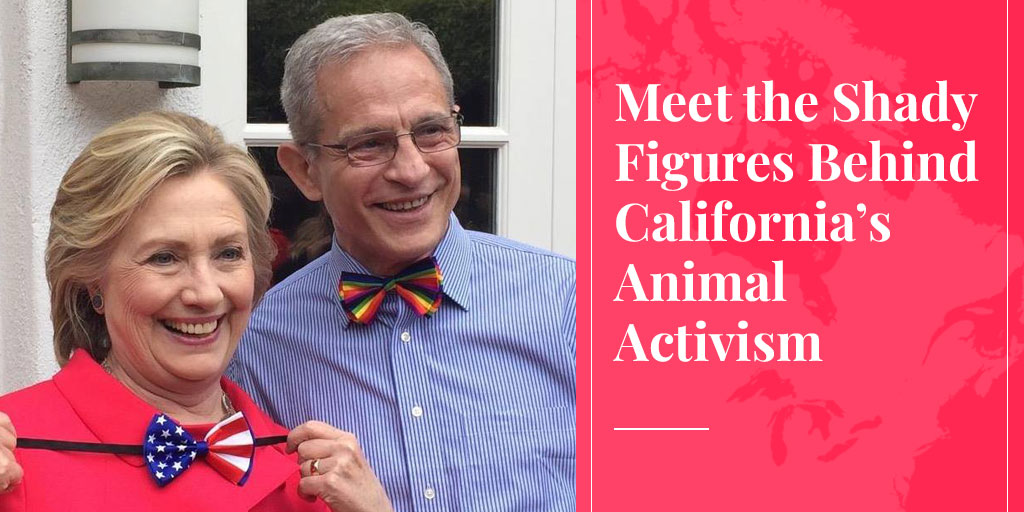
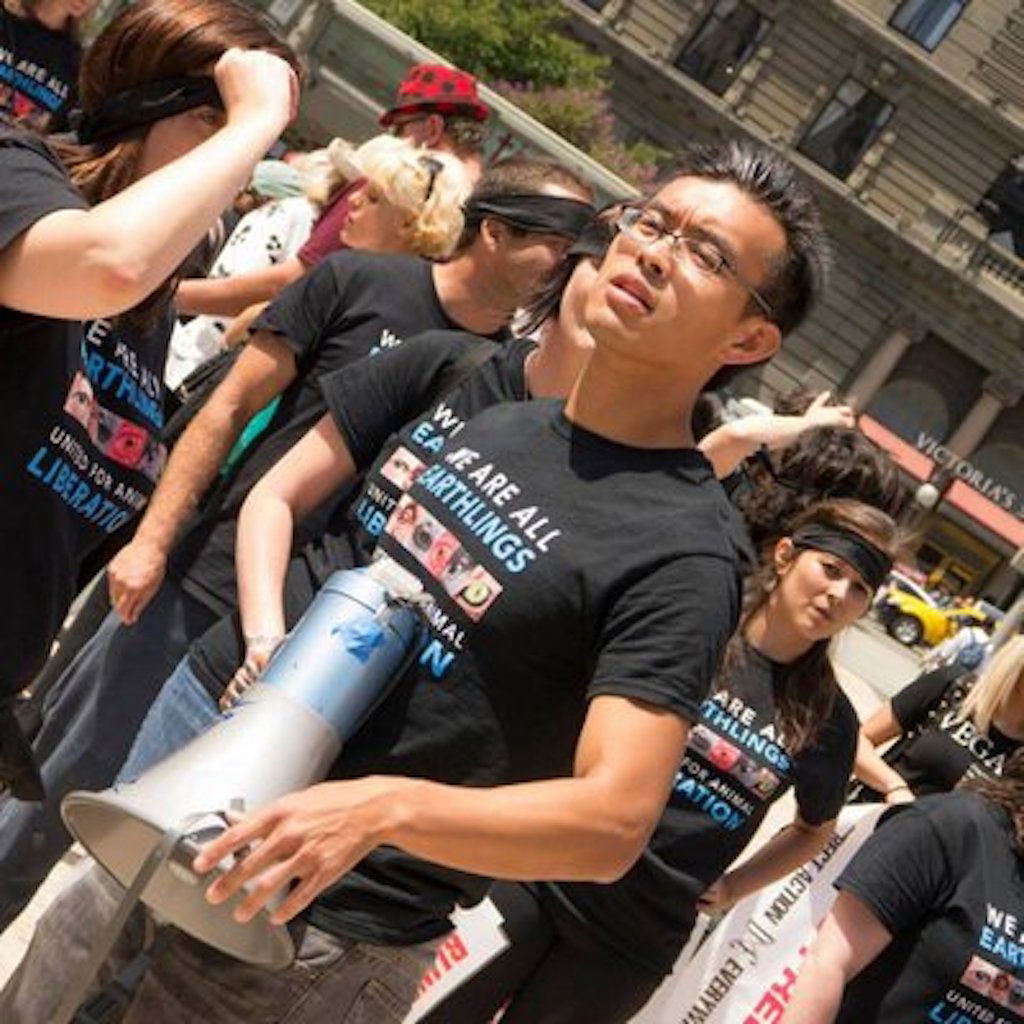
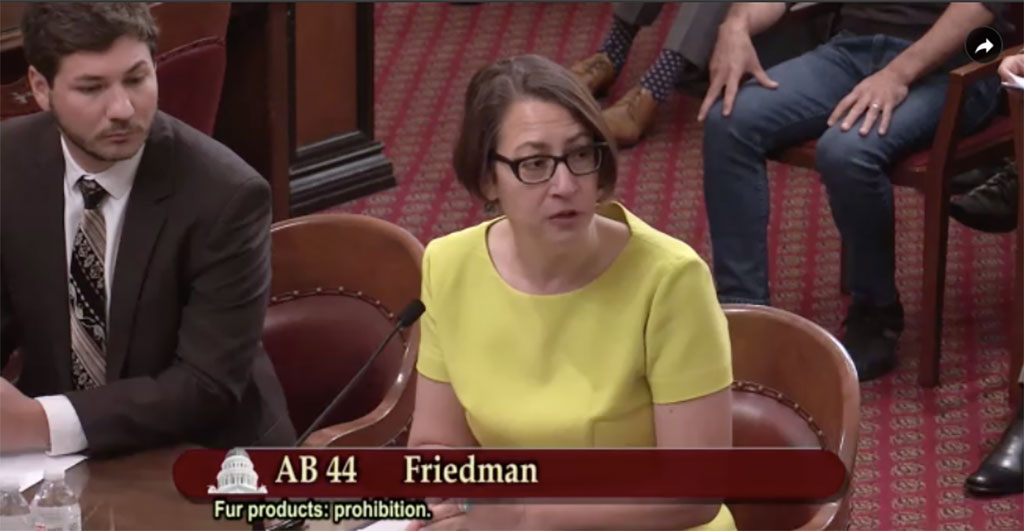
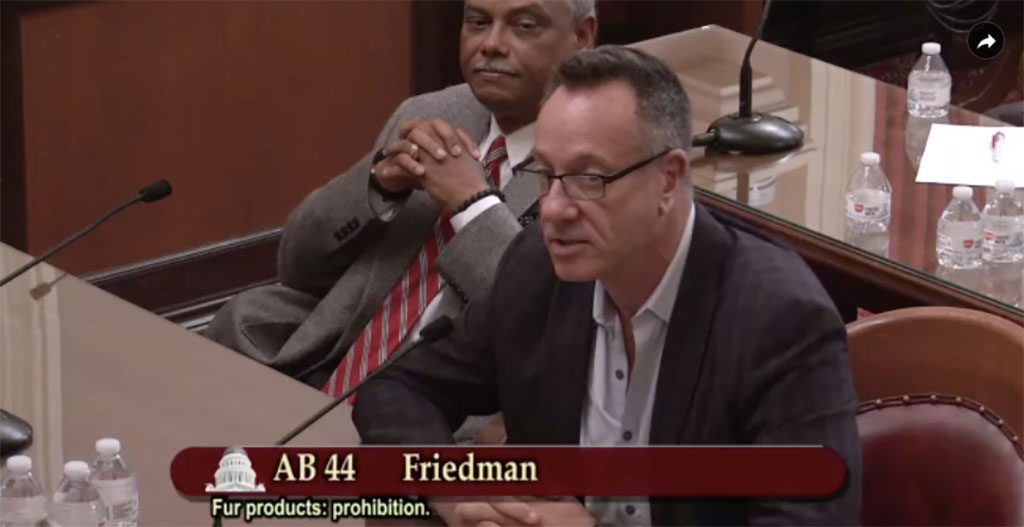
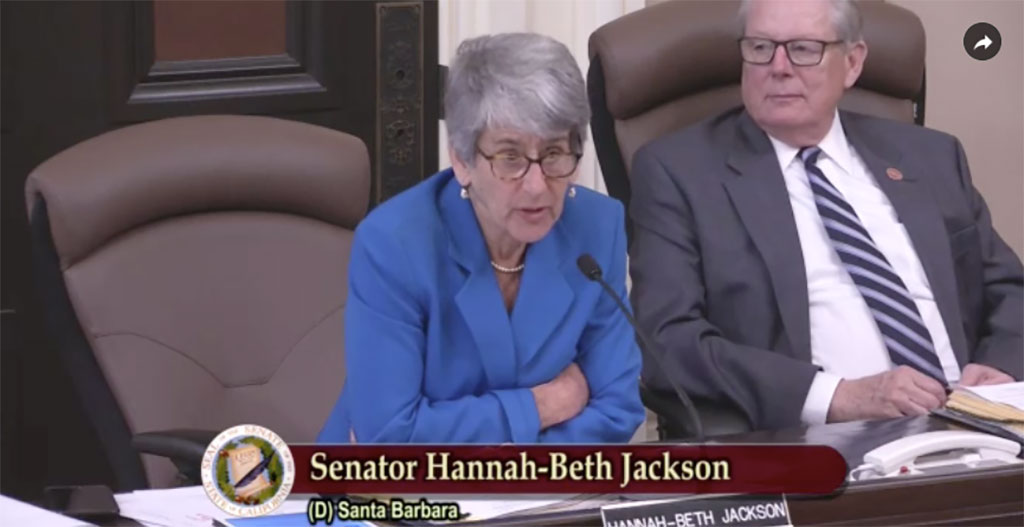
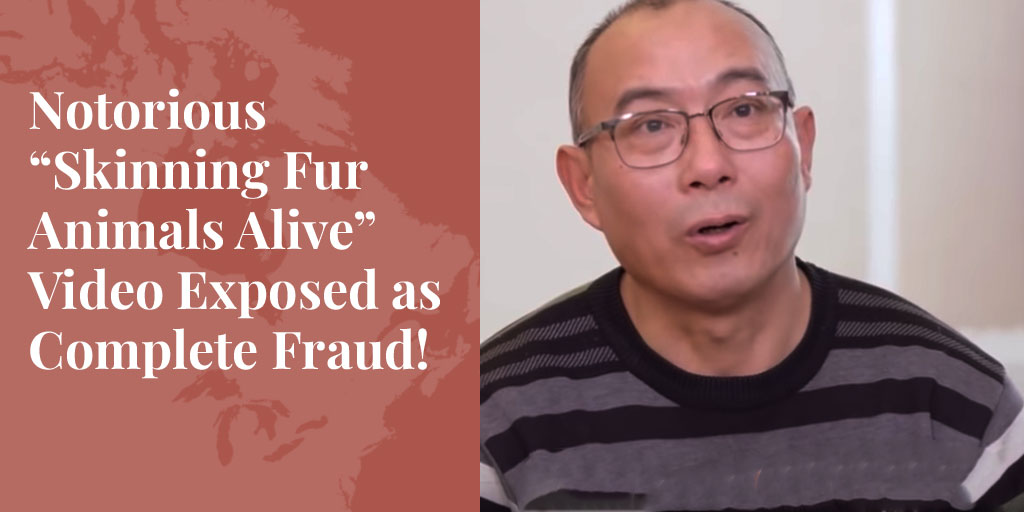
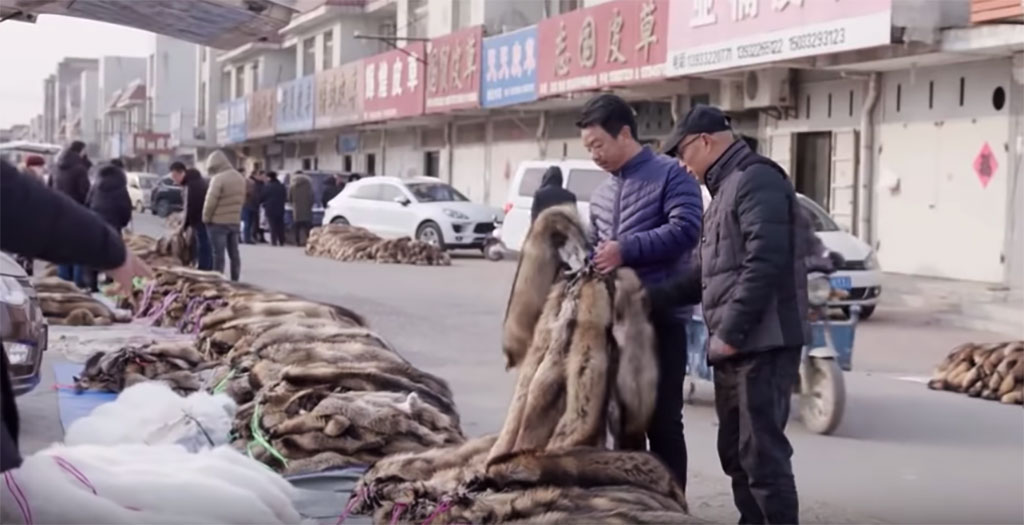
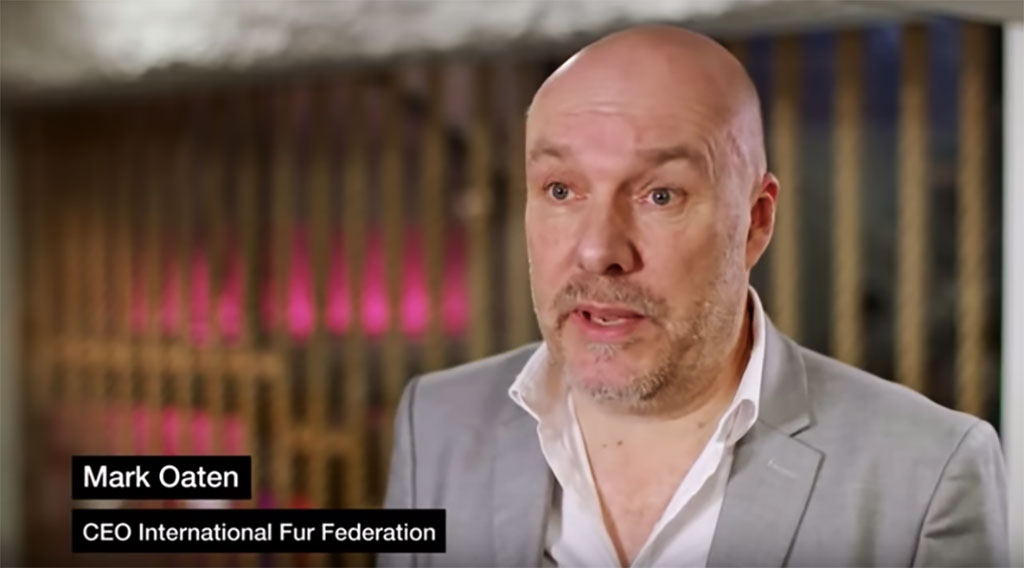
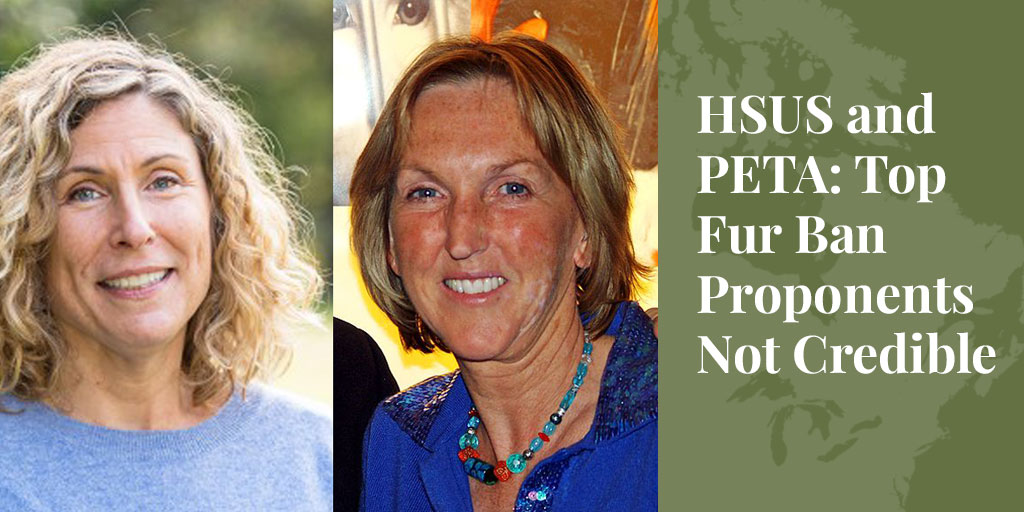
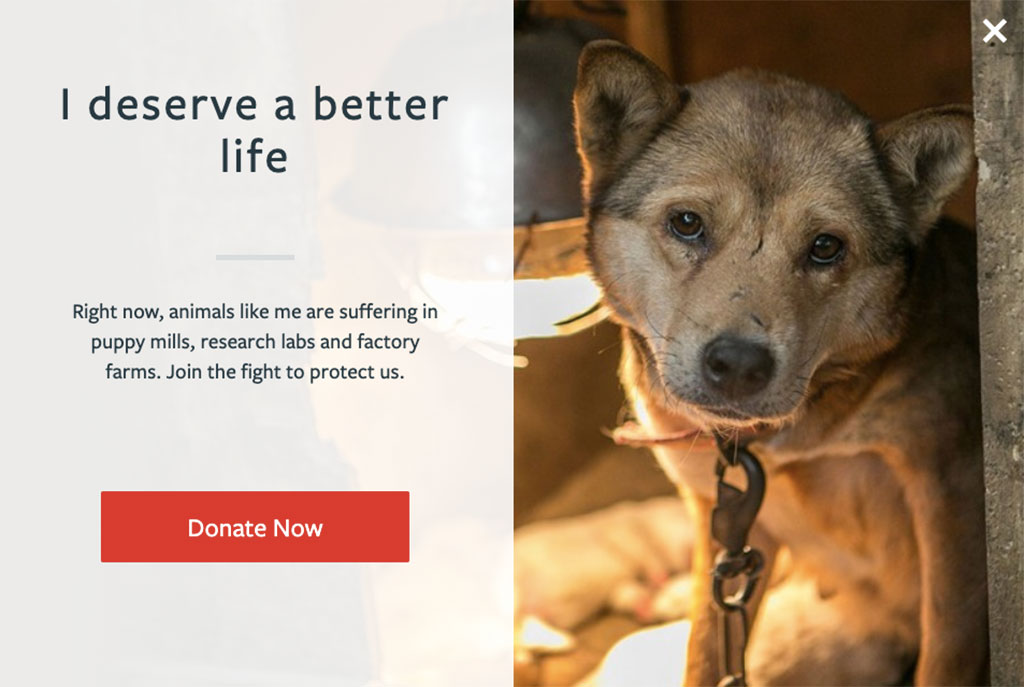
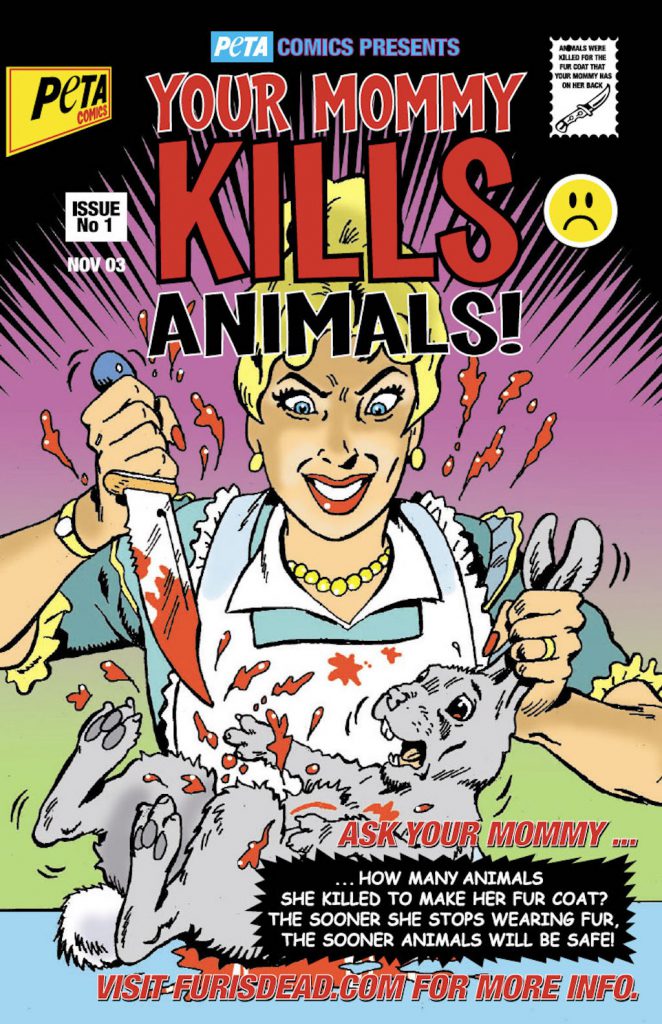
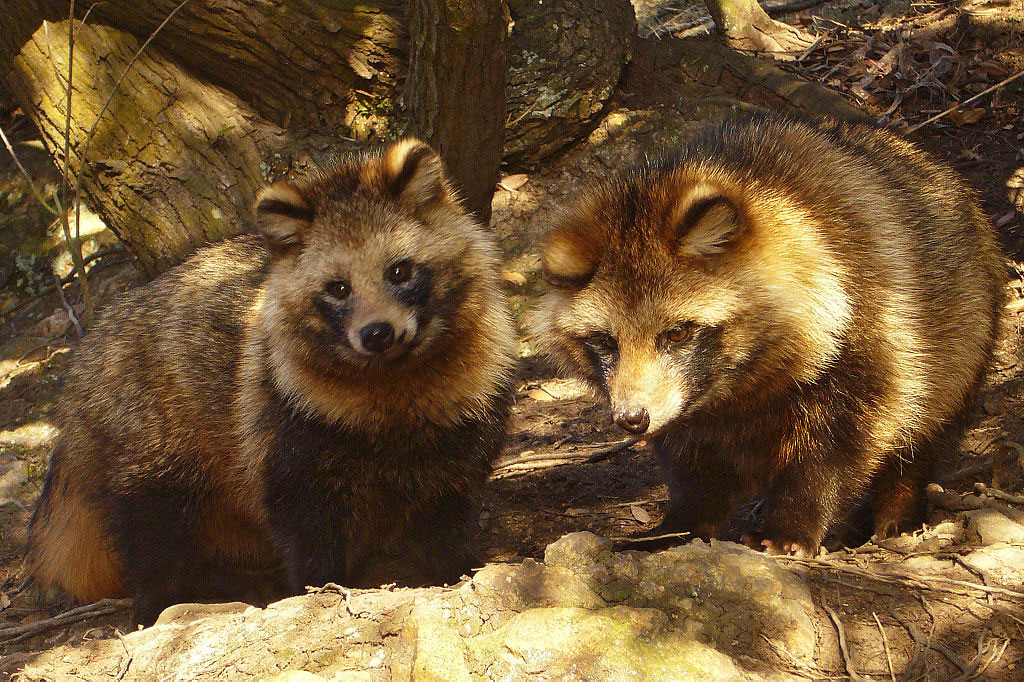
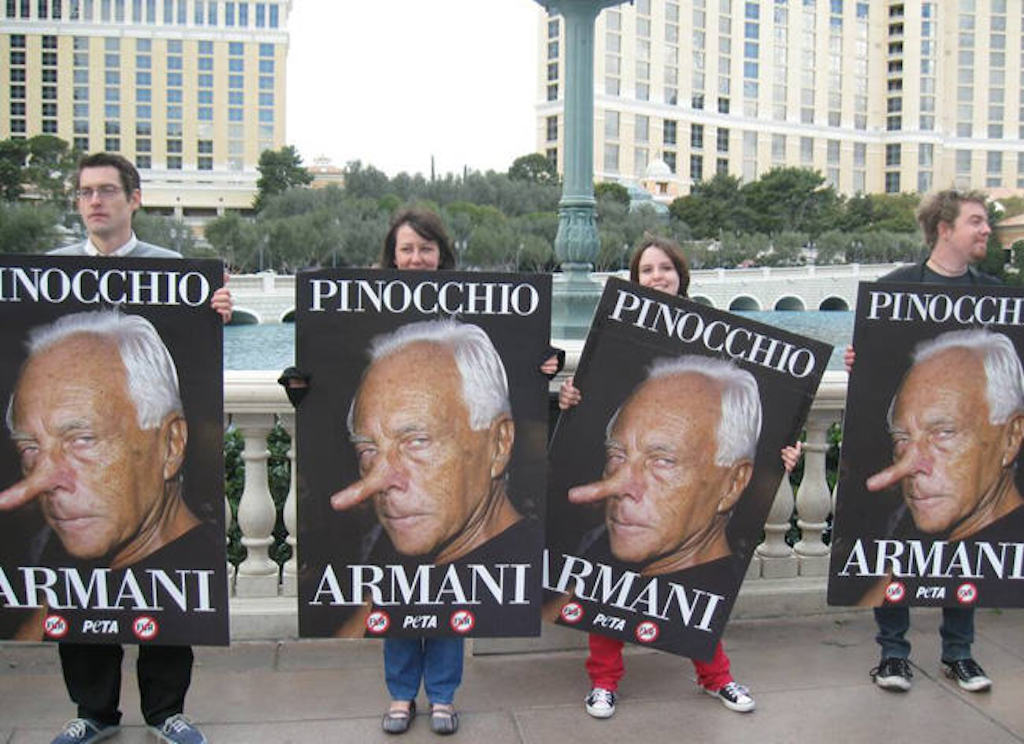
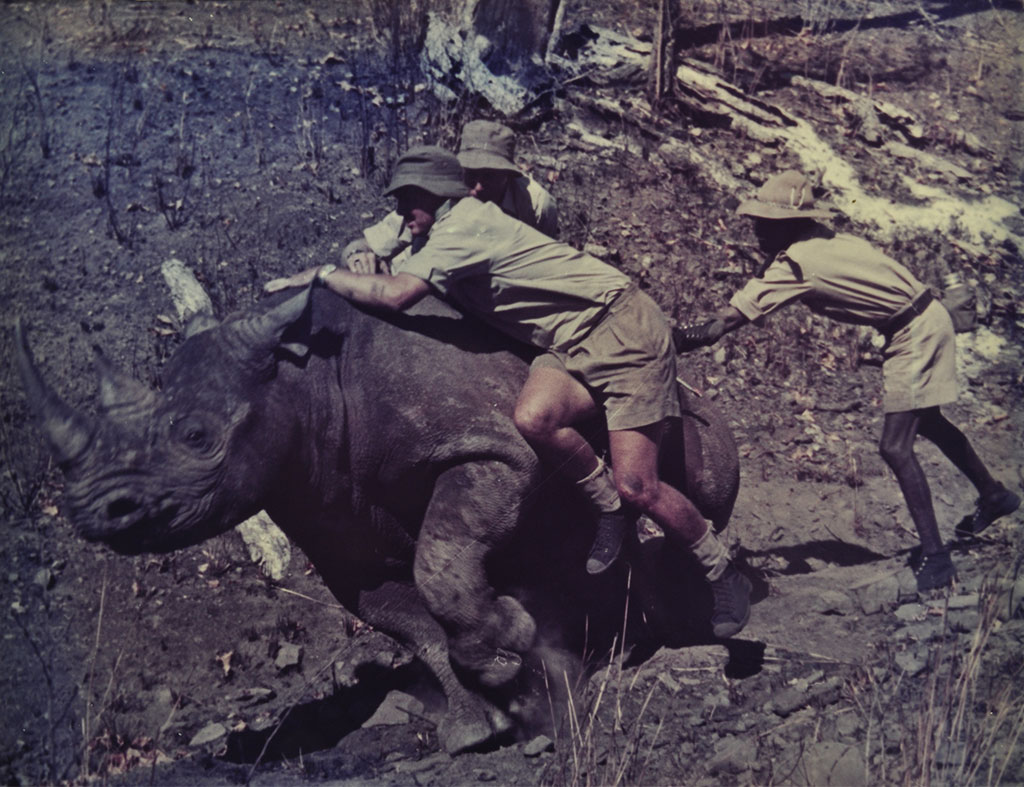
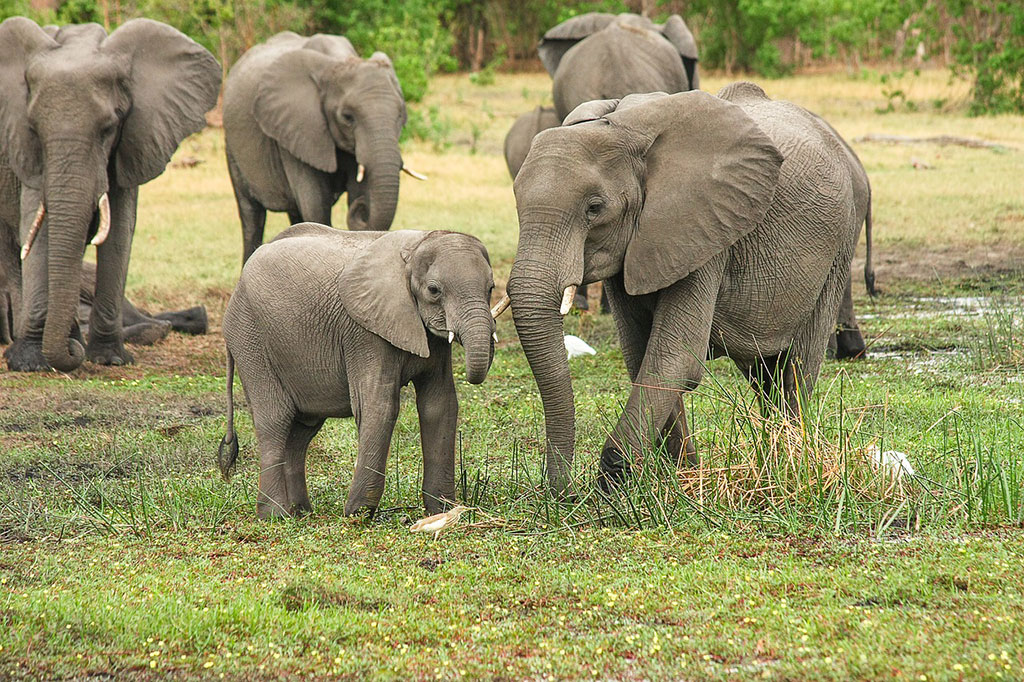
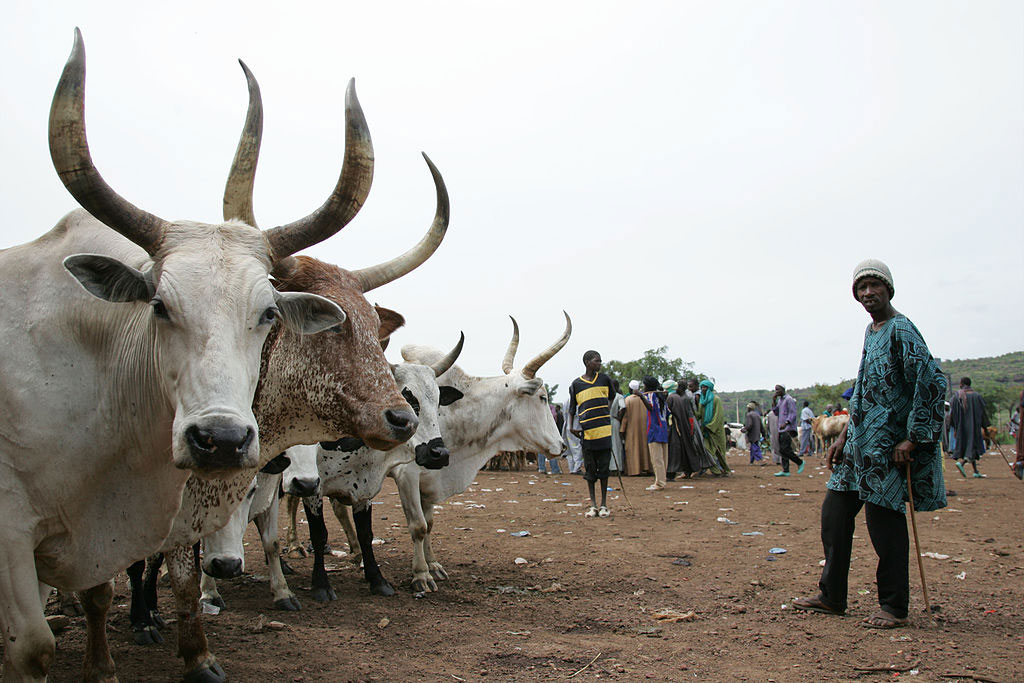
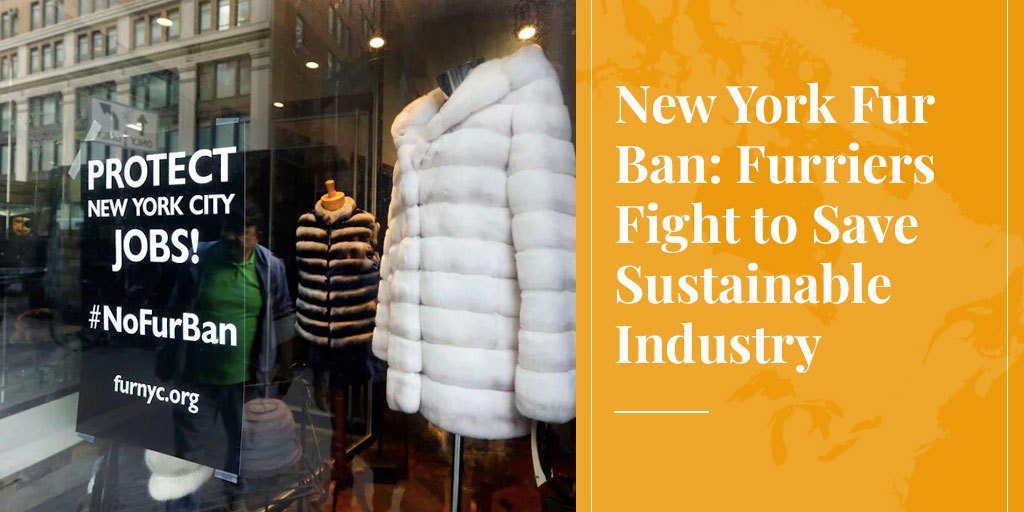
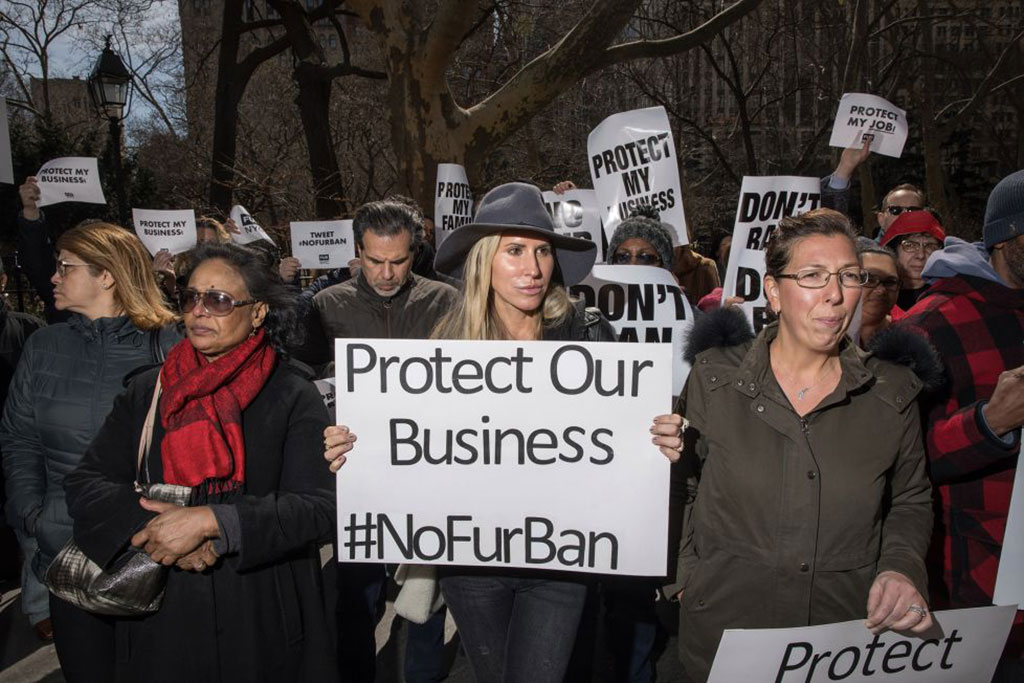
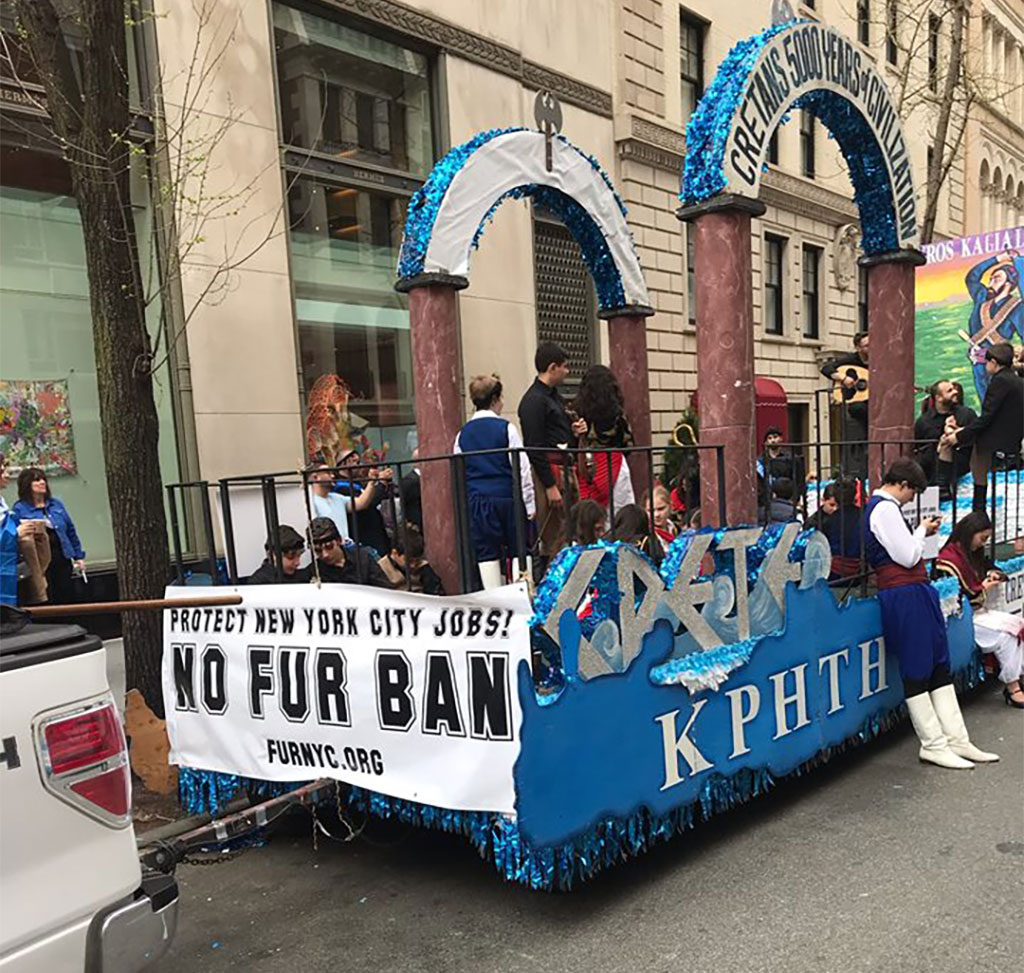
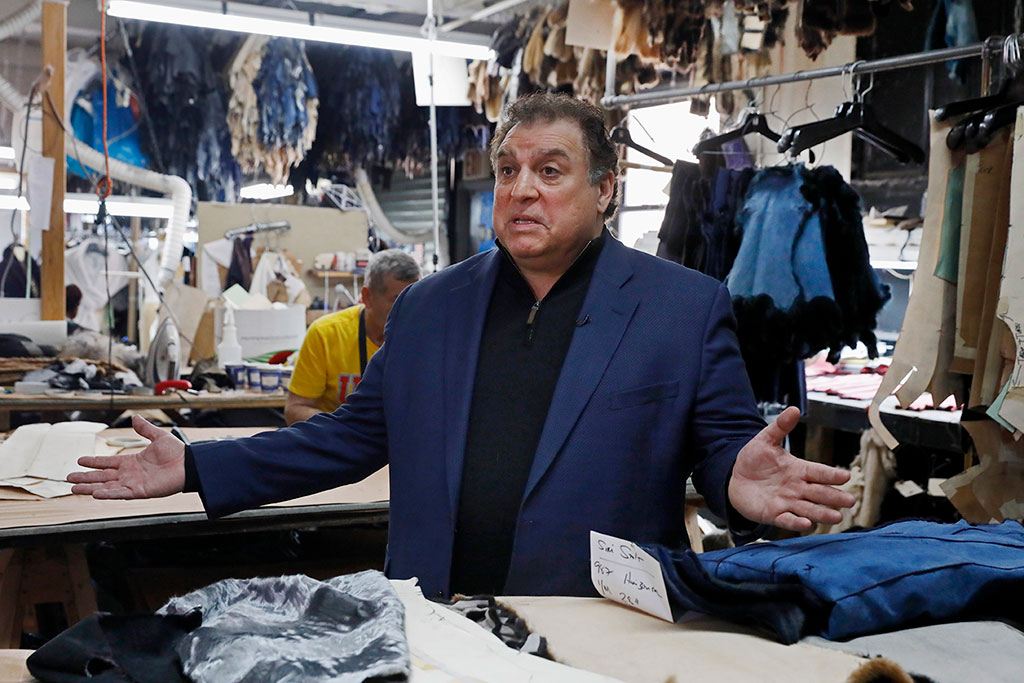
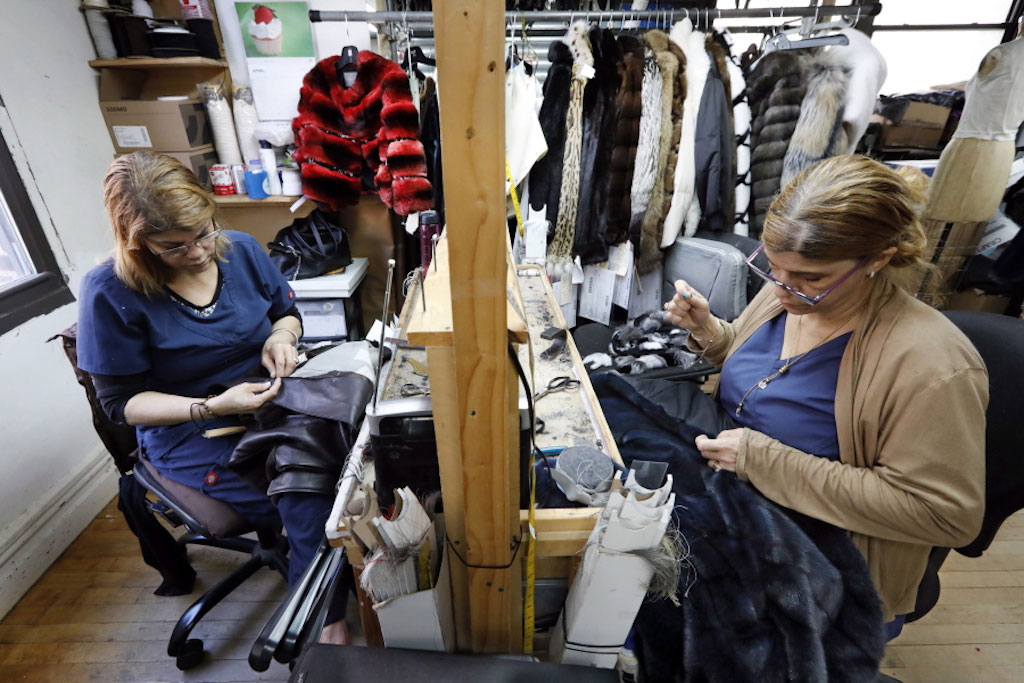
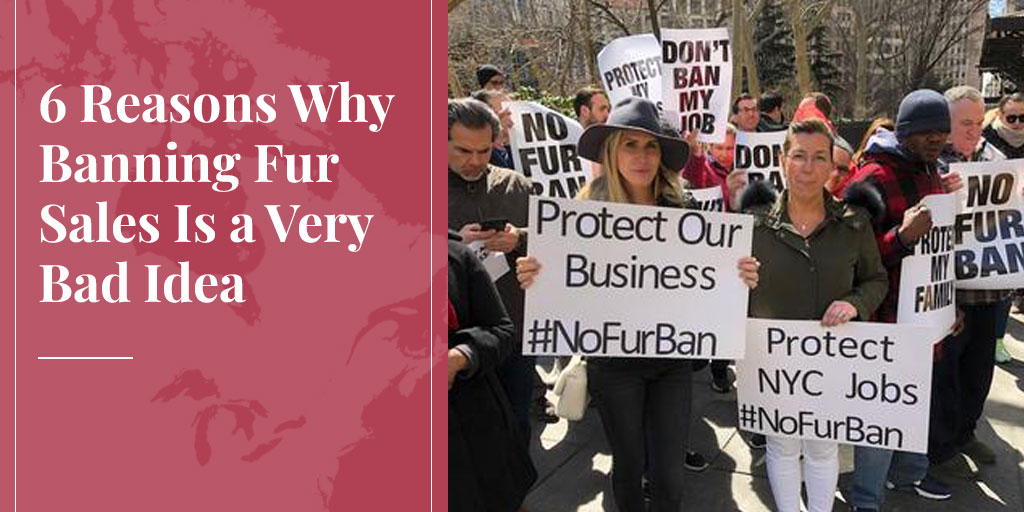
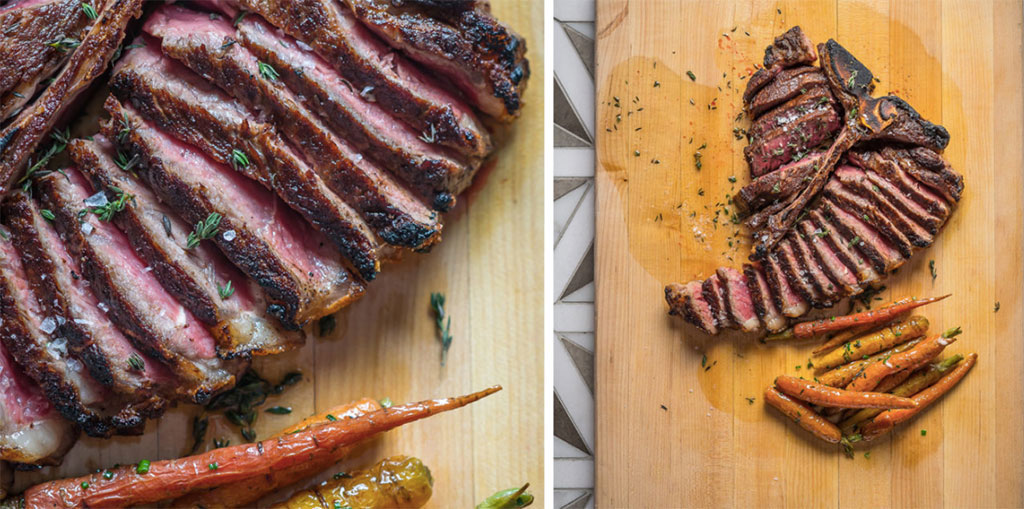

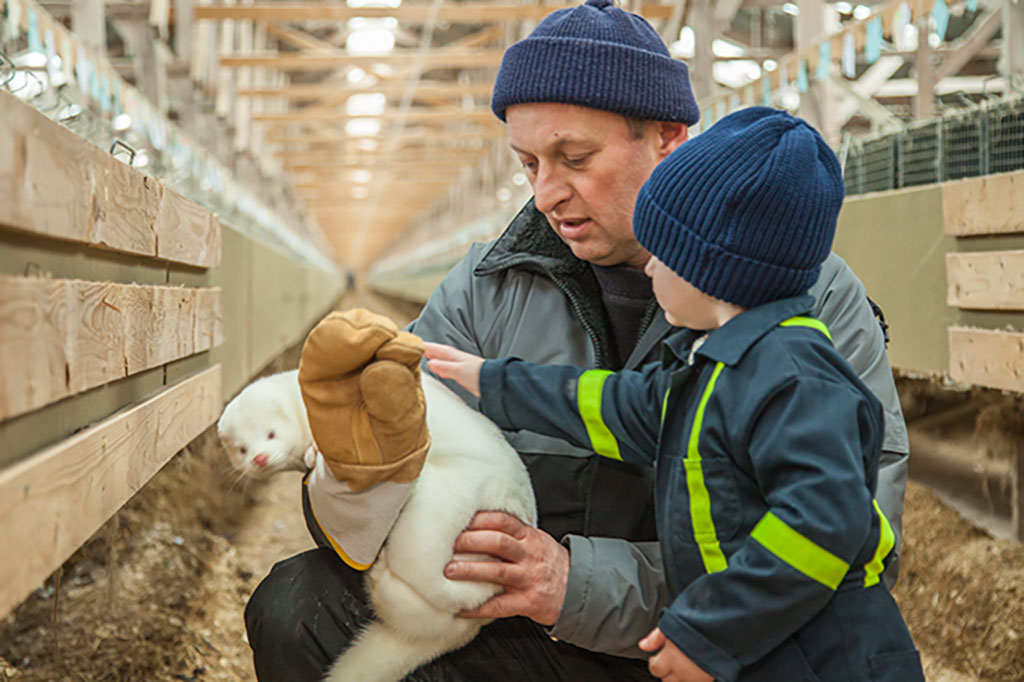
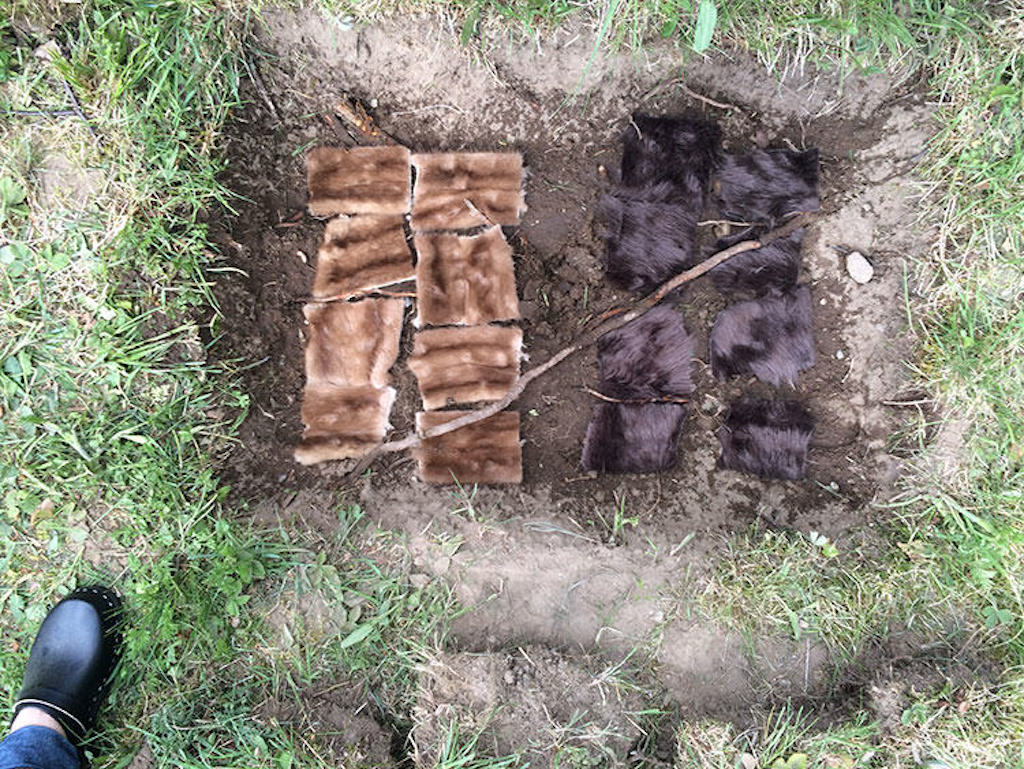
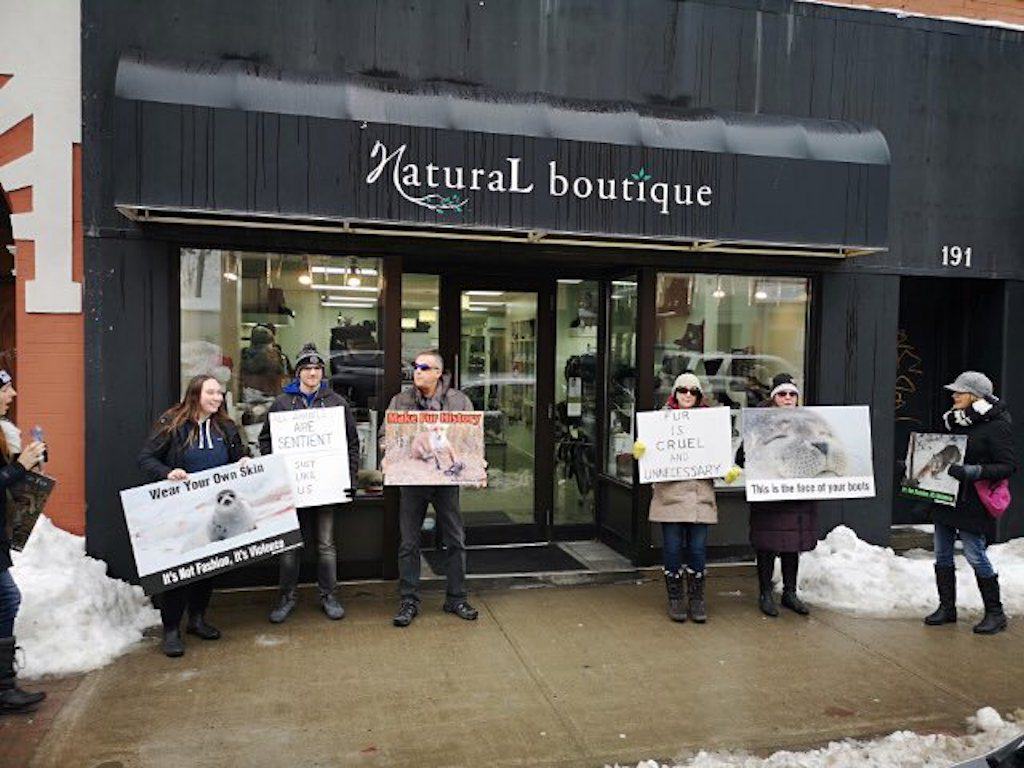

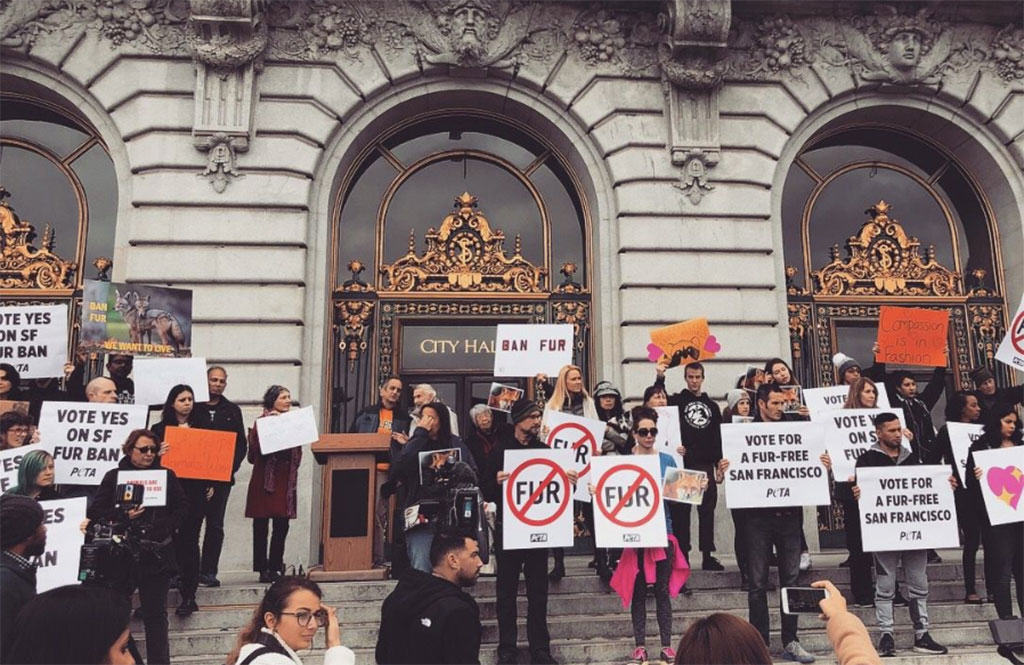
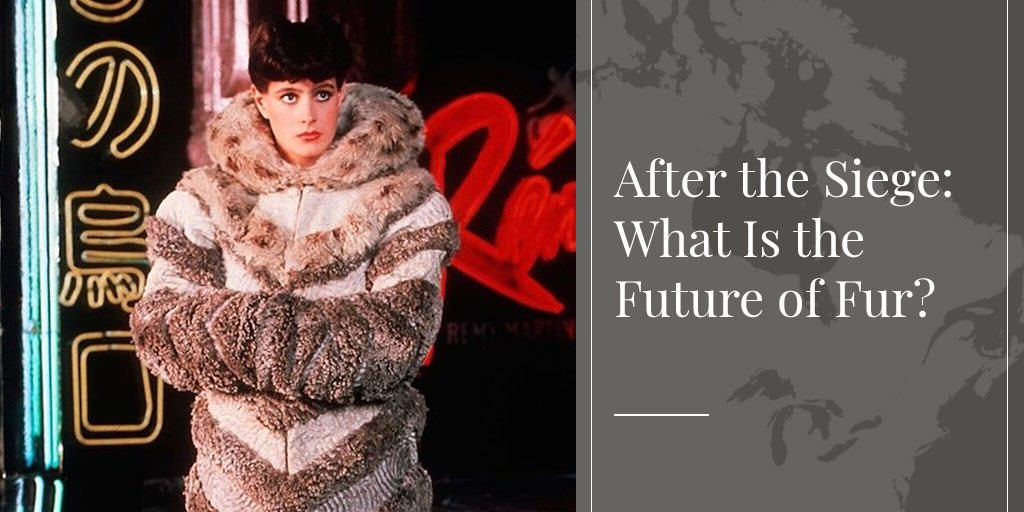
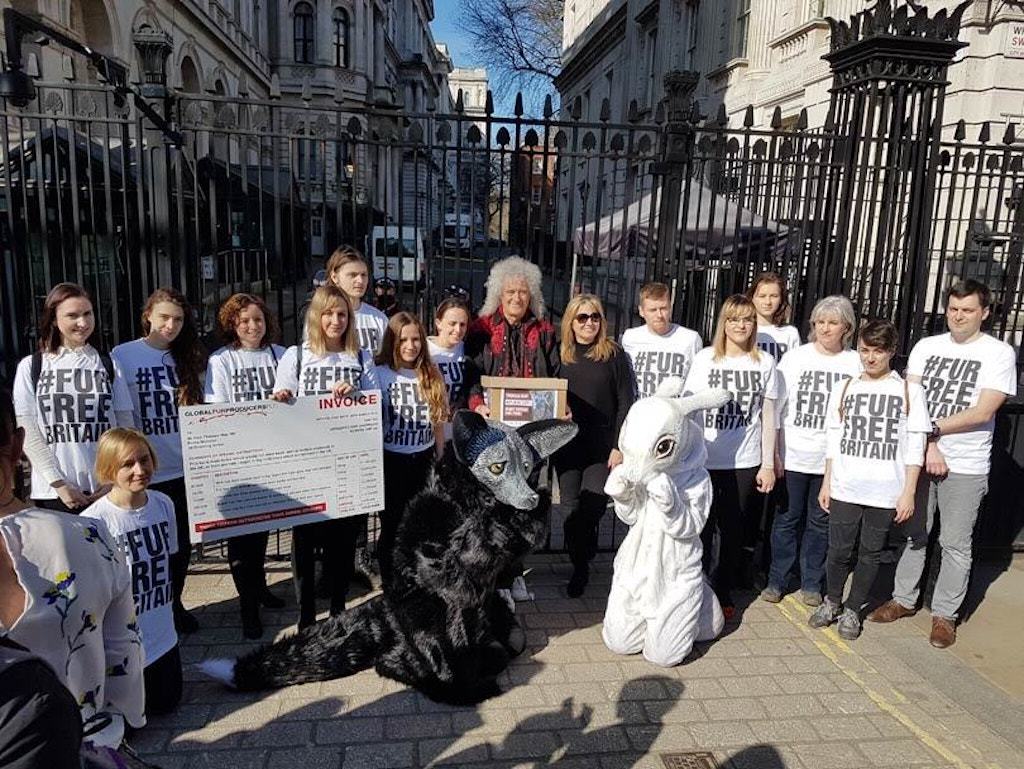

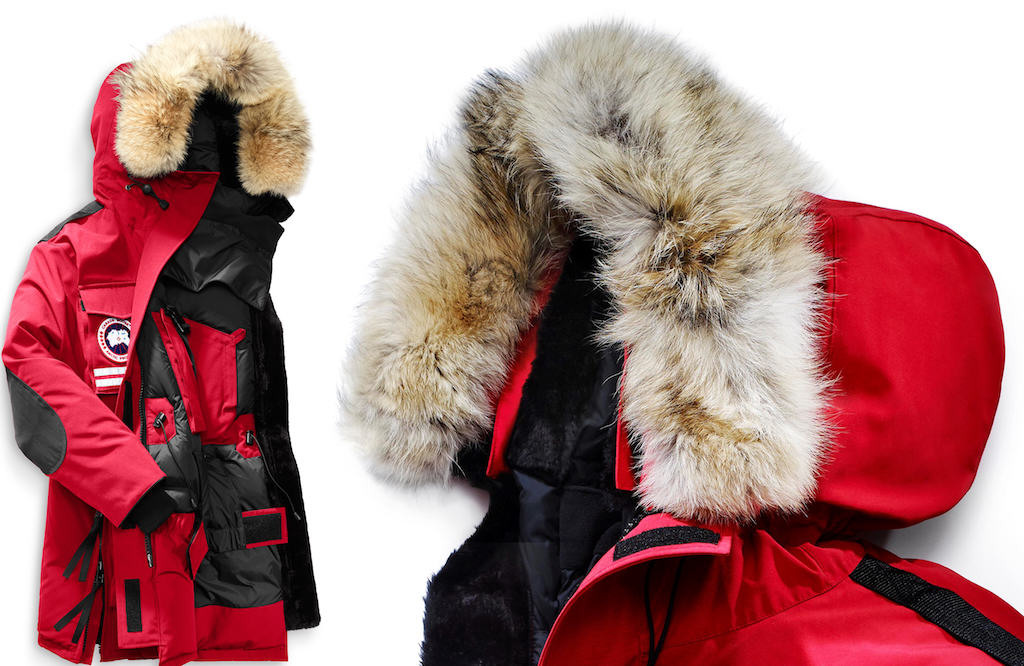
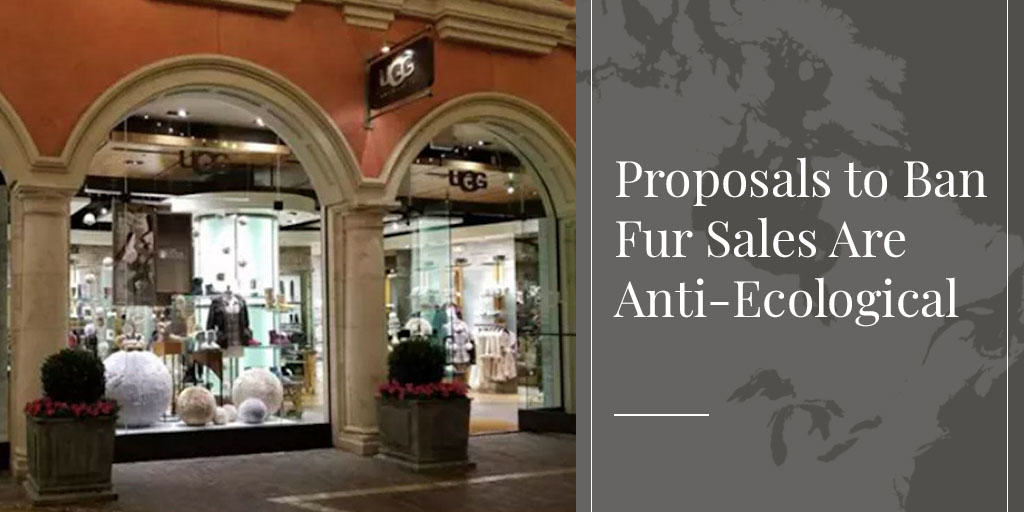
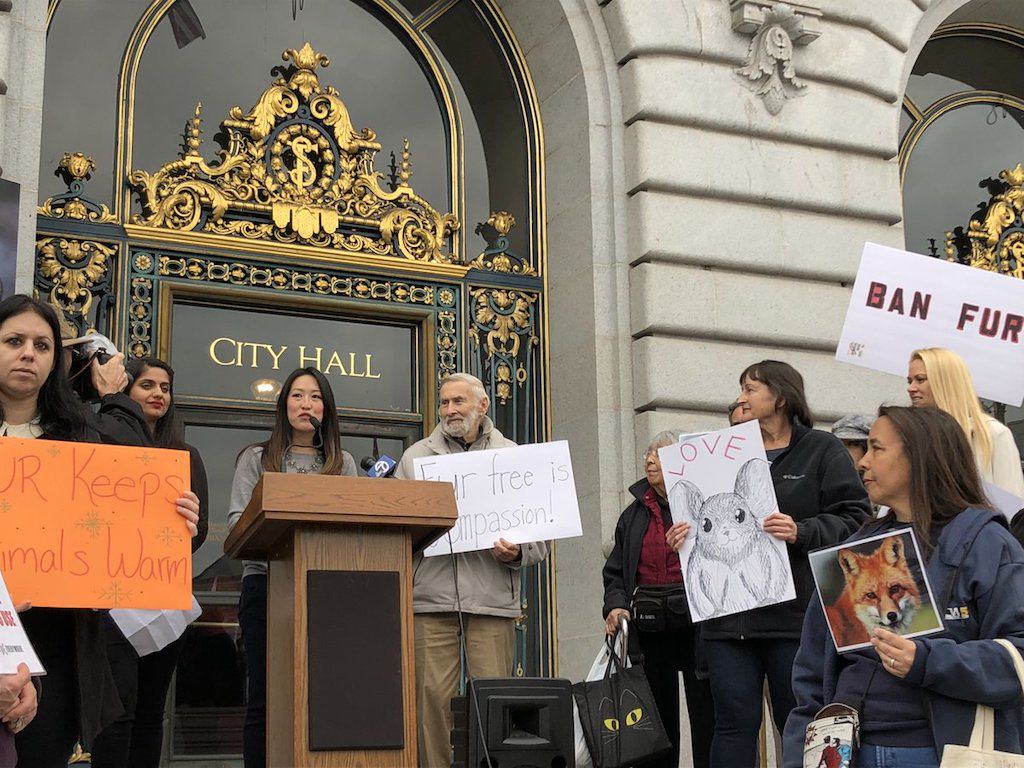
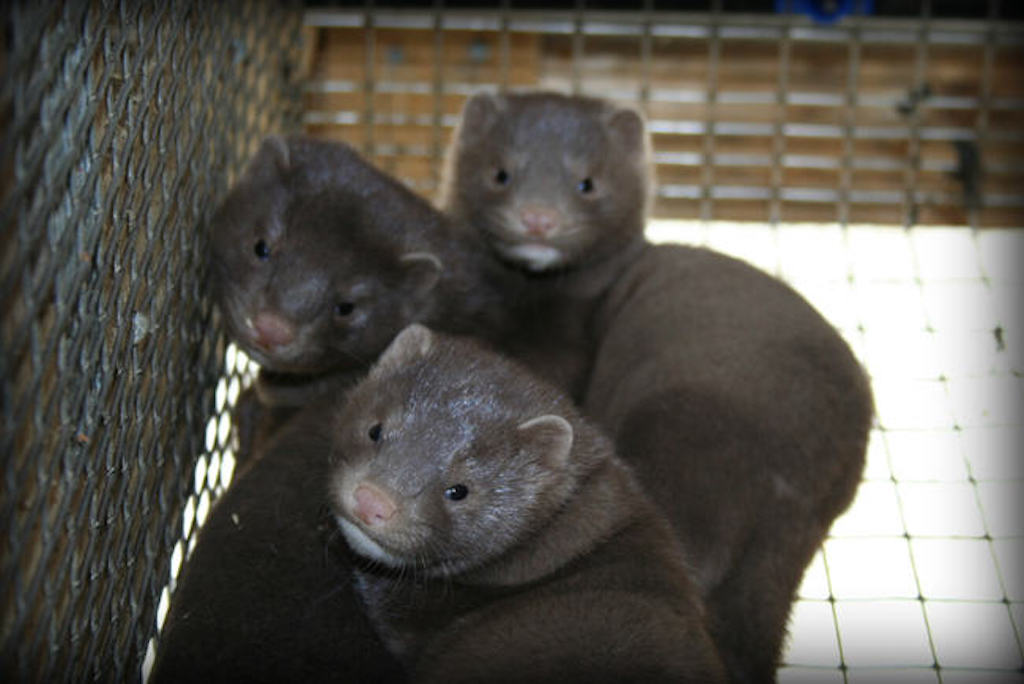
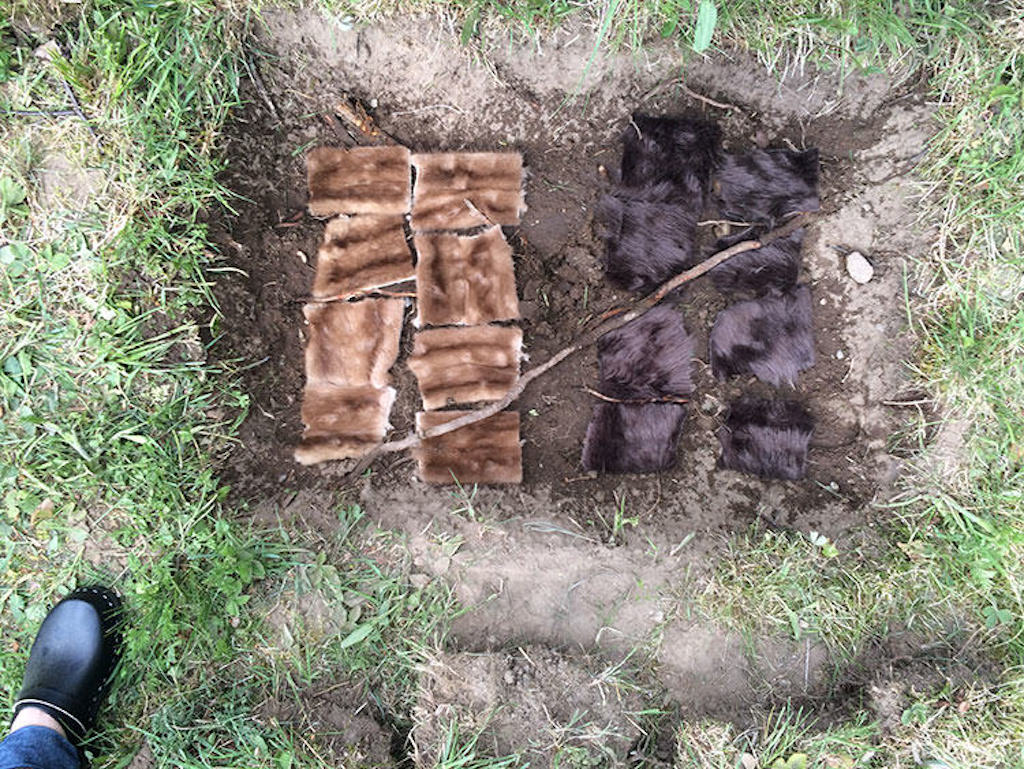
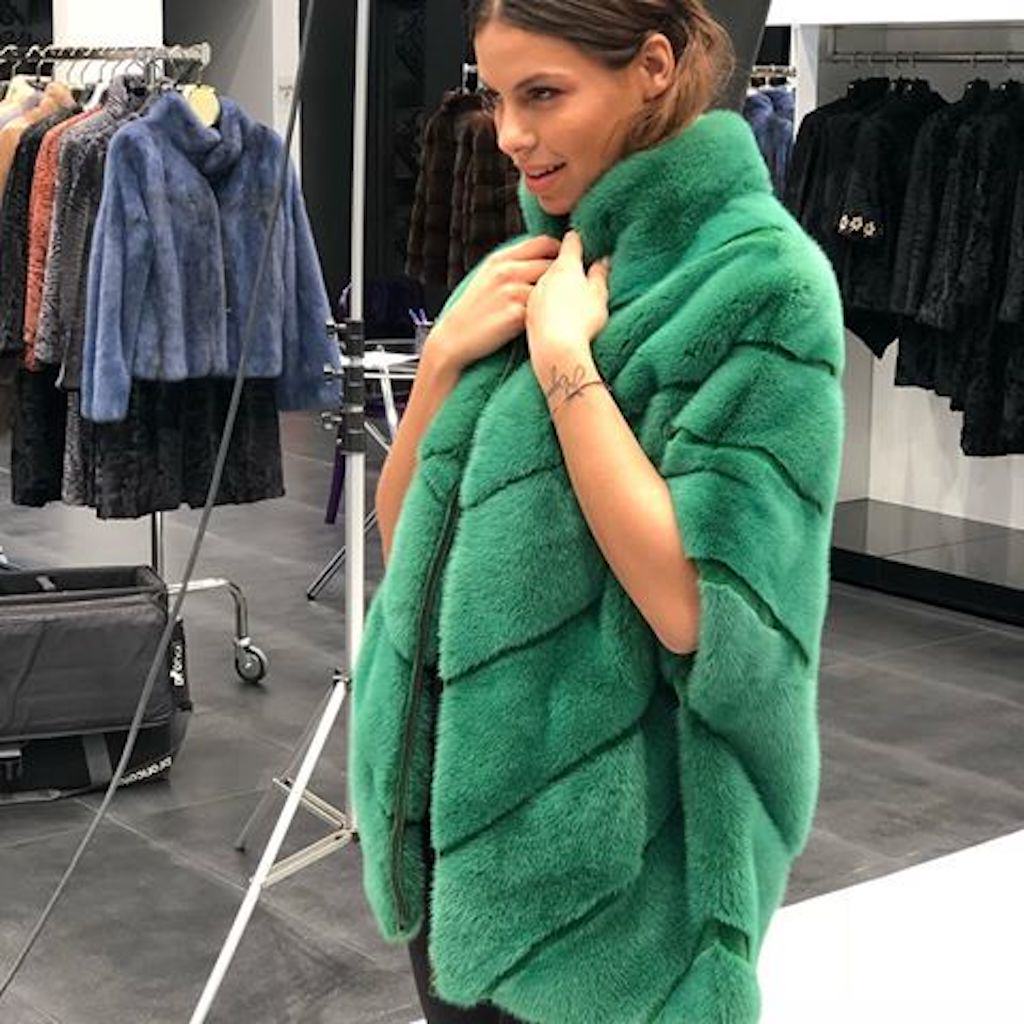
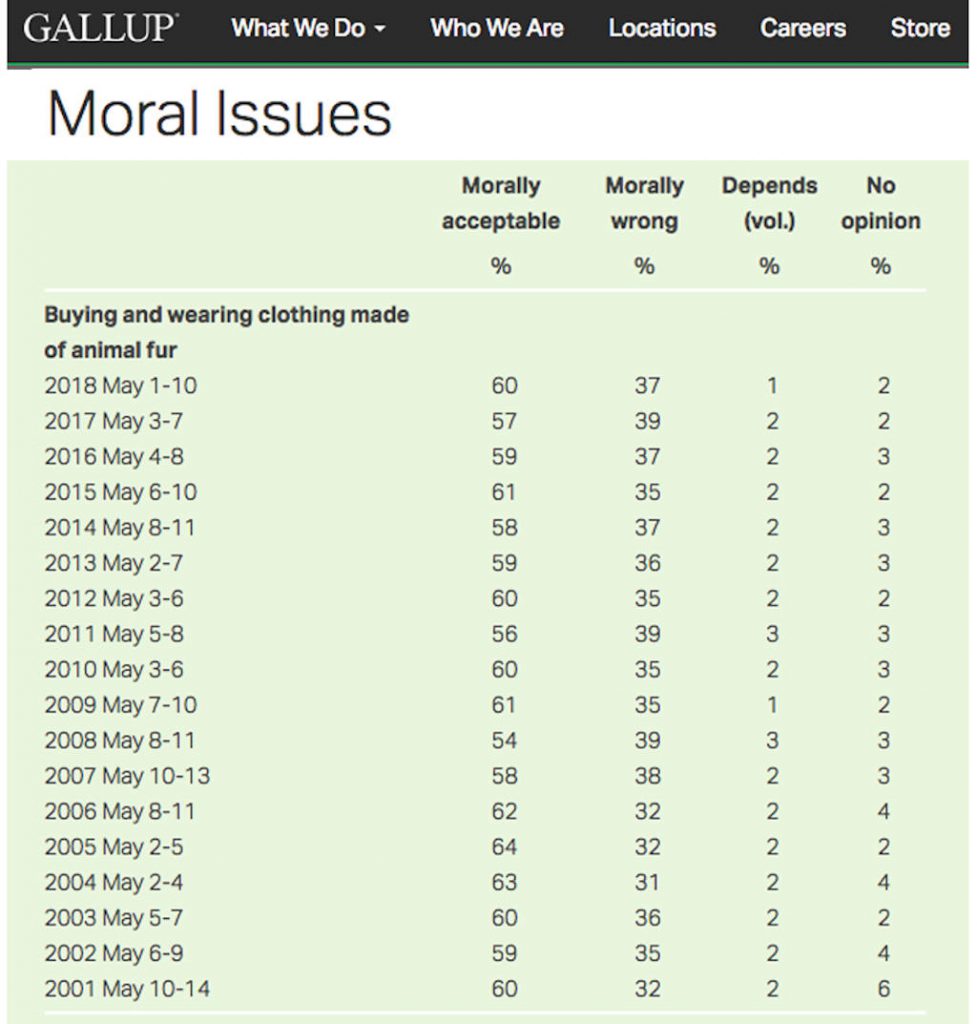
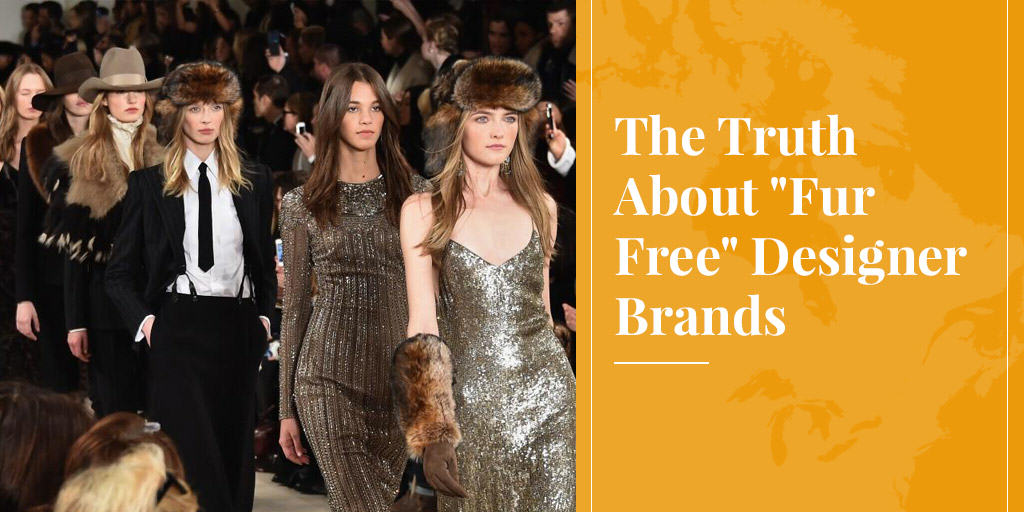


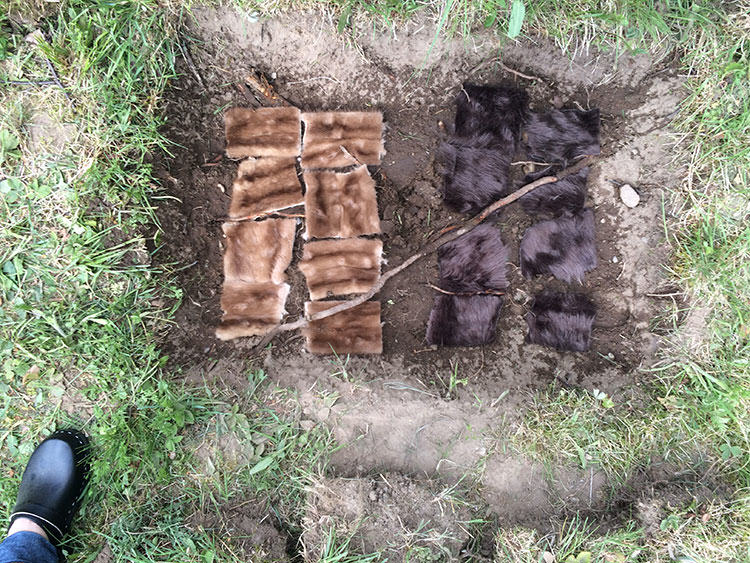
.jpg)