Recent proposals by Los Angeles, San Francisco, and now New York city councilors to ban fur sales should not only… Read More
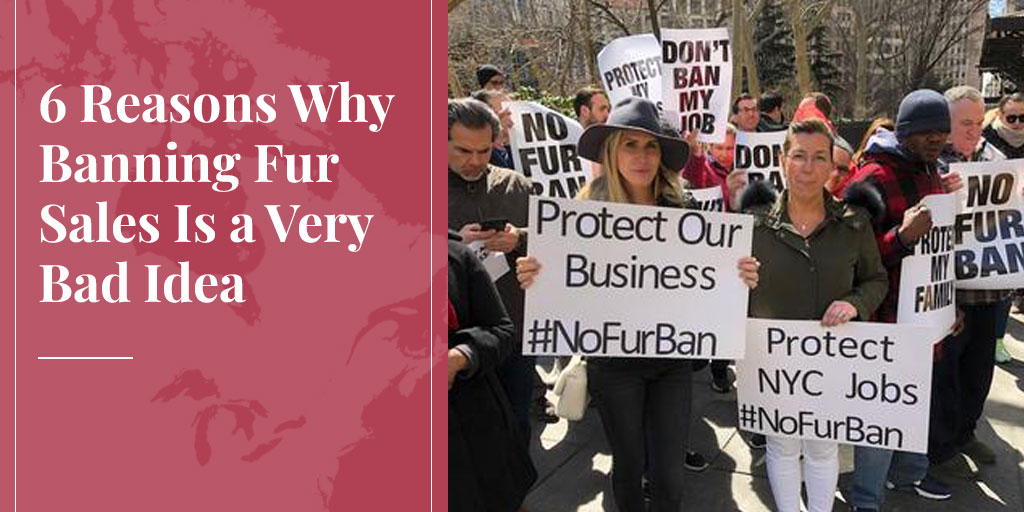
In March, a proposed ban on fur sales sparked the fur trade to protest at New York City Hall. Photo: Maria Reich.
Recent proposals by Los Angeles, San Francisco, and now New York city councilors to ban fur sales should not only worry furriers who risk losing their jobs and businesses. These proposals should be a matter of grave concern to anyone who values living in a free, fair and tolerant society.
There are so many things wrong about the proposed bans on fur sales that it is hard to know where to begin, but let’s look at six of the most important problems:
1. These proposals to ban fur sales are a flagrant example of arbitrary government infringement on fundamental human rights. No one is forced to wear fur, and animal activists are free to campaign against the fur trade, but this does not give them the right to impose their personal beliefs on others. After decades of anti-fur campaigning, many people still clearly want to buy fur. The activist response is to seek legislation that would take away our right to choose for ourselves. This should have alarm bells ringing on all sides of the political spectrum!
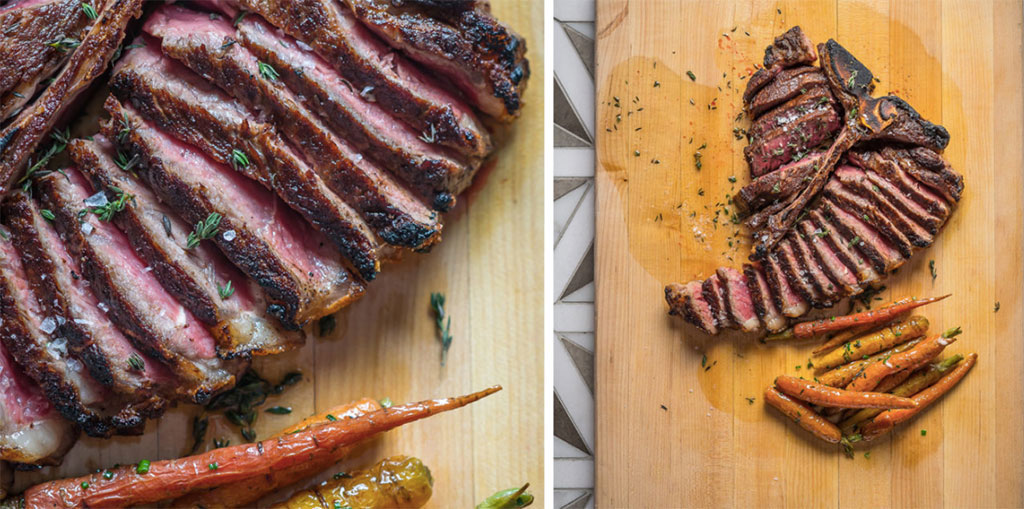
New York City is famous for its steakhouses, but no one is talking of banning them...yet! Photo: Porter House Bar and Grill, Columbus Circle, NYC.
2. It is illogical and discriminatory to consider banning fur sales when 95% of Americans eat meat and wear leather. Of course, PETA and other “animal rights” groups that are lobbying to ban fur sales are equally opposed to any use of animals, even for food. But most North Americans do not accept this extreme view; most of us believe that humans do have a right to use animals for food, clothing and other purposes, so long as these animals are treated responsibly. There is no justification for banning fur sales while hundreds of millions of cows, pigs and sheep, and several billion chickens, are killed each year for food in North America. Even philosopher Peter Singer stated in his landmark Animal Liberation – the book that launched the animal-rights movement – that it is completely hypocritical to campaign against the fur trade while most Americans continue to eat meat, eggs, fish and dairy.
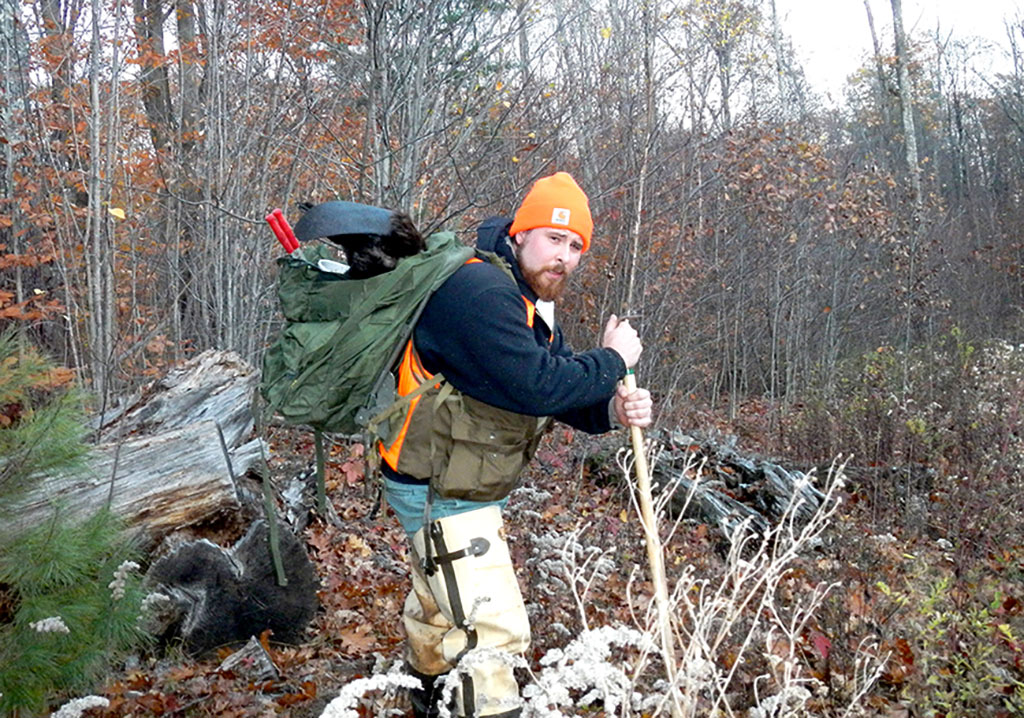
Trappers are our eyes and ears on the land, sounding the alarm when nature is threatened. Photo: Jeff Traynor / Furbearer Conservation.
3. As a society we do, of course, sometimes restrict personal choice, but only for very important reasons. To ensure that animals will be there for us in the future, for example, we ban trade in endangered species. But endangered species are never used in the fur trade; all the furs we use today are raised on farms or culled from abundant wildlife populations. This is assured by state, national and international regulations. Animal welfare must also be respected -- and decades of scientific research and government regulations ensure that fur today is produced responsibly and humanely. Trapping in North America is regulated by state (in Canada, provincial) wildlife authorities, in accordance with ISO standards and the Agreement on International Humane Trapping Standards. Fur farms are being inspected and certified to ensure compliance with codes of practice developed by veterinarians and animal scientists. There is simply no credible evidence that fur animals are treated less respectfully than other animals we use for food or clothing.
4. Wildlife populations often must be culled to protect property and human (and animal) health, whether or not we use their fur. Overpopulated beavers flood homes, farms and roads; raccoons and foxes spread rabies and other diseases; coyotes are the main predators of lambs and calves – and now attack pets and even people in urban areas; predators must also be managed to protect sea turtle eggs and other endangered species; and the list goes on. But if we must cull some of these animals, surely it’s more ethical to use the fur than to throw it away.
5. The fur trade supports livelihoods and cultures, especially in rural and remote regions where alternate employment may be hard to find. We all care about nature, but most of us now live in cities; indigenous and other trappers are our eyes and ears on the land, the people who monitor wildlife on a daily basis and can sound the alarm when nature is threatened. Fur farms provide employment in regions where the soil is too poor for other agriculture, helping to support rural communities. Fur artisans maintain handicraft skills that have been passed down from generation to generation. In this age of mass-production, each fur garment and accessory is still made individually, by hand. The fur trade maintains a range of remarkable skills and knowledge, a part of our human heritage that should be respected and encouraged, not persecuted with bans based on hateful and misleading propaganda.
6. Finally – and certainly not least – fur apparel is a long-lasting, natural material that is recyclable and completely biodegradable. After many decades of use, your fur can be thrown into the garden compost where it returns to the Earth. By contrast, most clothing today is made from petroleum-based synthetics that do not biodegrade. Instead, these synthetics leach thousands of plastic micro-particles into our waterways every time they are washed – plastic that is now being found in oysters and other marine life. It is bizarre at a time when we are trying to reduce our use of plastic – for example, by banning the use of plastic bags and water bottles – that some cities would even consider banning a long-lasting, recyclable and biodegradable natural material like fur!
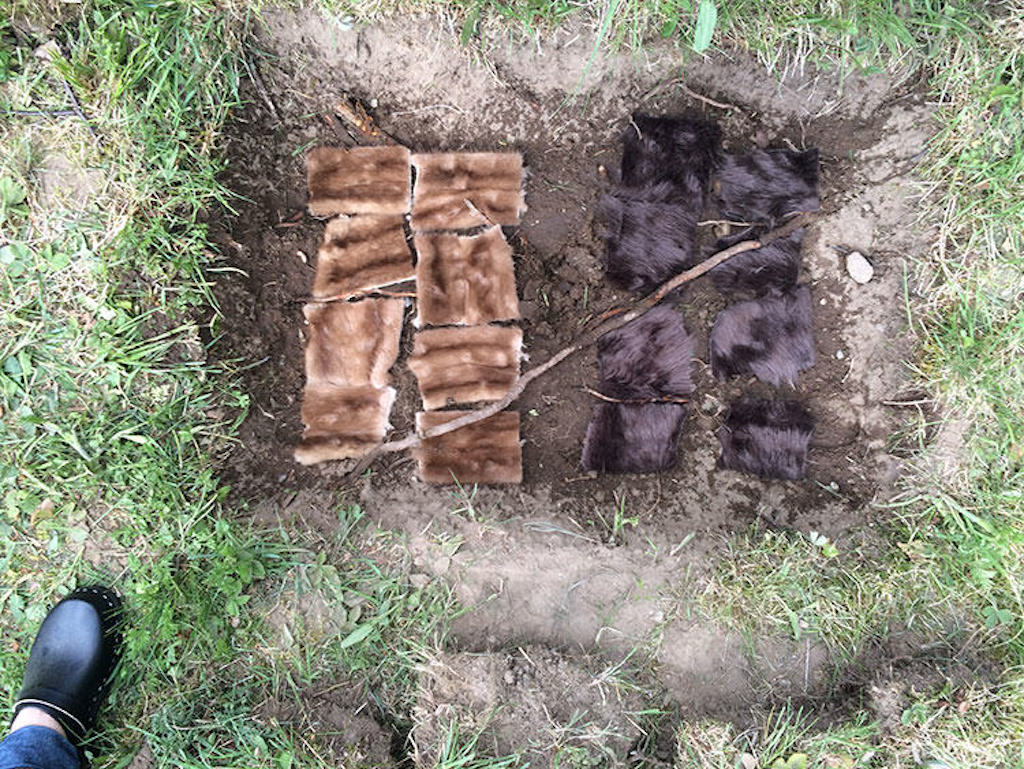
It's a fact that real fur biodegrades while fake fur made from petrochemicals does not. TruthAboutFur proved it.
As this quick review shows, recent proposals to ban fur sales are anything but “progressive”. They would unjustifiably usurp our right to use a sustainably produced, natural and biodegradable clothing material. They are arbitrary and discriminatory, especially in a society where most people eat meat and wear leather. They are completely unjustified because the modern fur trade is extremely well-regulated to ensure environmental sustainability and the responsible treatment of animals. And they would unfairly attack the livelihoods and cultures of thousands of people who maintain heritage craft skills and a close relationship with the land.
Again: no one is forced to wear fur. But everyone should be concerned about these misguided proposals to take away our right to make up our own minds about very personal and complex ethical choices.
A recent trip to the United Kingdom allowed me to conduct some unscientific research on common preconceptions about this damp… Read More
Brits seem to be obsessed with Brexit, fur-trimmed parkas and veganism.
A recent trip to the United Kingdom allowed me to conduct some unscientific research on common preconceptions about this damp and chilly nation. Are the natives really as fixated on Brexit as media reports suggest? Is opposition to fur as strong as we're told? And is veganism truly sweeping the land?
The UK is the spiritual home of the animal rights movement, so it’s not surprising that it also hosts some determined anti-fur campaigners. In 2000, England was the first country to prohibit fur farming (largely symbolic because there were so few farms), and now activists want to ban all fur imports. To this outside observer, the future of fur in the UK was looking grim before my recent visit. Now, I’m a little more optimistic.
OK, I’m not strictly an outsider. I’m English. But I’ve spent almost no time there for 20 years, so a month-long stay over Christmas gave me the chance to see whether my preconceptions based on media reports and hearsay matched reality.
As my plane touched down at London Heathrow on a dark and foreboding 4°C evening, my main preconceptions, of course, concerned Brexit. Did people really talk about nothing else? And, more to the point, was it fair to say that mere mortals could make no sense of this complex mess?
In close second place was my preconception about the likelihood of some sort of fur import ban. A campaign to this end got a lot of media coverage last summer, buoyed by a bevy of celebrities and stories of fur-vendors and wearers being harassed on Instagram. The Conservative government nixed the idea of a ban, but the main opposition party, Labour, was unsurprisingly more receptive, and with the political scene in turmoil (Brexit, again!) who knows what could happen?
My third preconception was that all the stories I’d been reading about veganism sweeping the UK must be exaggerated. Omnivores like myself tend to believe that veganism can never become a major trend, but what if we’re wrong? Ethical vegans (as opposed to the dietary variety who just think veganism is healthy) tend to share animal rights beliefs, so if vegan numbers were really swelling, the UK might become less fur-friendly than ever.
It was time for some first-hand observations.
Fur-Trimmed Parkas Everywhere
My first objective was to see for myself how much fur was on the street.
This totally informal survey took in two quite different areas: London’s West End, with all its foreign and often well-heeled tourists, and a sampling of towns and villages across the county of Kent. From growing up in the region, I expected to see a smattering of mink and fox jackets in London, but very little in the way of full-fur garments elsewhere. And I was right. The southeast of England has never been a big fur market.
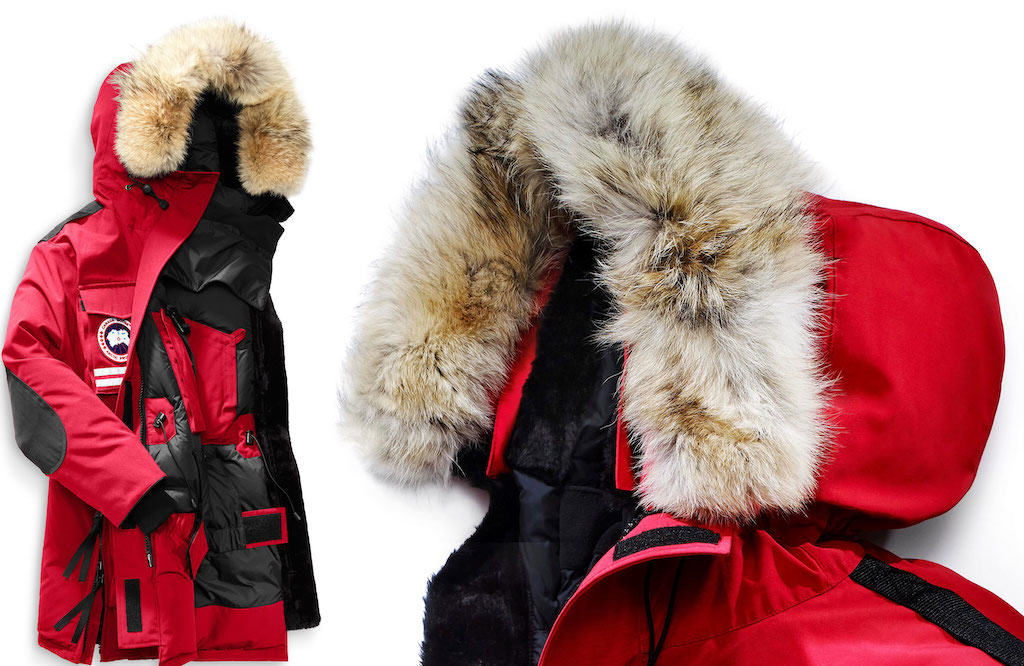
Canada Goose opened a flagship store in London in 2017, replete with its fur-trimmed parkas. It seems to have read the market right.
But here’s the news! Everywhere I turned, from London’s ritzy Piccadilly Circus to the tiny village of Downe, Kent, where my parents live, fur-trimmed parka hoods were everywhere. Trendy folk were wearing them, but so too were school kids, pensioners with grocery bags, and tough guys with workman boots. In an impromptu high-street survey in the coastal town of Folkestone, I estimated half of all Christmas shoppers were wearing them.
So you’re asking were they real or fake, and yes, the majority looked cheap and ill-kempt, and were almost certainly plastic. But as many as one in 20 looked spectacular, meaning top-notch fakes or real, and at least one in 50 was bona fide coyote. I don’t think that’s insignificant, especially in England at a time when animal activists are constantly claiming that real fur is taboo. They're wrong.
I saw no disapproving looks from passers-by at those sporting coyote, and I don’t believe that’s because anyone thought they were fakes. It’s not that hard to spot a real coyote ruff, particularly when it’s accompanied by a helpful Canada Goose logo. Rather, I imagined the wearers of cheap fakes were admiring the real McCoy enviously, wishing they could afford one of their own.
I don’t know whether this boom in fur-trimmed parkas will open the door to other furs (and shut down talk of fur bans for good), but it is clear that the look of fur - both fake and real - is now hugely popular and widely accepted in the UK. It was certainly a surprise that media reports had not prepared me for.
Fashionable Vegans
Forty years ago, dining at my local pub meant pickled eggs and crisps. Now there's a vegetarian menu! Photo: George & Dragon.
Gauging the popularity of veganism was another kettle of fish (to use a phrase PETA would rather we didn't). I just kept my eyes and ears open, and didn't have long to wait.
Whenever I go home, one of my first stops is my local pub, the George & Dragon, for a pint of bitter, a comforting reminder that no matter where in the world I pitch my tent I will always be English. Imagine my surprise, then, when I asked for a bite to eat and was offered the option of a vegetarian menu! I literally squawked and threw up my hands as if the barman had offered me a virus.
No, I don’t live under a stone and have even seen vegetarian menus in trendy eateries, but a good English pub is never trendy – or so I thought.
I soon learned that British diners are now thoroughly coddled when it comes to their dietary quirks. Many restaurants, stores and, yes, even pubs offer gluten-free vegetarian and vegan options, and a meat substitute called Quorn is all the rage. My own sister served Quorn “meatloaf” on Boxing Day, which I viewed with the same curiosity I normally reserve for unrecognizable roadkill.
For an expert’s analysis, I sat down with my old friend and sheep farmer Lizzie, who, virtue of two teenage daughters, has a finger on the pulse of all things trendy. When she informed me we were now in the month of Veganuary, I knew I was in for an eye-opener.
British supermarkets are jumping on the the vegan band wagon with trendy new comestibles. Photos: Waitrose.
“Veganism has become terribly fashionable, for many of the wrong reasons,” she said. "The supermarkets have jumped on the band wagon and vegan food is everywhere - actually at the expense of vegetarian food.”
"People are increasingly being told about the damaging environmental effects of livestock production, and they believe that by becoming vegan they are helping to save the planet. But they are unaware that by rejecting meat and dairy products, their dietary fats now come from sources which contribute to the destruction of rainforests. 70% of UK farmland is under grass for very good reasons - agronomic and environmental. We are extremely well-placed in the UK to produce beef and lamb in a sustainable way."
So are all these vegans also animal rights activists, or at least sympathetic to the cause?
“There are a fair number of ethical vegans here, but only a few of them are animal activists. Most long-term vegans are calm and peaceful - they don't have the energy to be anything else. However, many of the new trendy vegans don't really care all that much about animals. It’s more to do with fashion, perceived health benefits, and their own woolly thinking born of a total disconnect with the whole concept of food production.”
And just to prove that Brits can’t stay off the subject of Brexit, she adds: “The one good thing that could have come out of Brexit would be leaving the Common Agricultural Policy. Sadly, we're going to bugger that up along with the rest of it. I'll be interested to see how long it takes these misinformed vegans to revert to meat-eaters once the food shortages kick in. I can't see them living on swede, a few stored potatoes and apples until the summer.”
Unscientific Conclusions
In North America, it is not uncommon for people to write off the British as a bunch of animal-rights fanatics. But, as in all things, we should be cautious about making generalizations about entire cultures, especially when our only sources of information are the media.
With that in mind, I now offer these unscientific conclusions from my recent month of field work.
First, and for me the most fascinating, most Brits don’t seem to hate fur at all, at least not fur-trimmed parkas. This suggests the future of fur in the UK may not be so bleak after all, especially if new products can be developed and marketed that cater to emerging trends and lifestyles.
Second, the overwhelming majority of Brits are still omnivores, but the rise of veganism is very real. However, this may just be a passing phase, and there’s no reason yet to assume that today’s trendy vegans will become tomorrow’s animal rights activists.
And last but most definitely not least, it’s true: just mention the word Brexit and everyone within ear-shot pulls their shoulders back, puffs out their chest, and delivers their 2 cents’ worth. They'll then admit they really don’t know what they’re talking about!
***
To learn more about donating to Truth About Fur, click here.
Robert Grandjambe Jr. takes a long, deep breath followed by a pensive sigh when he’s asked the question, even though… Read More
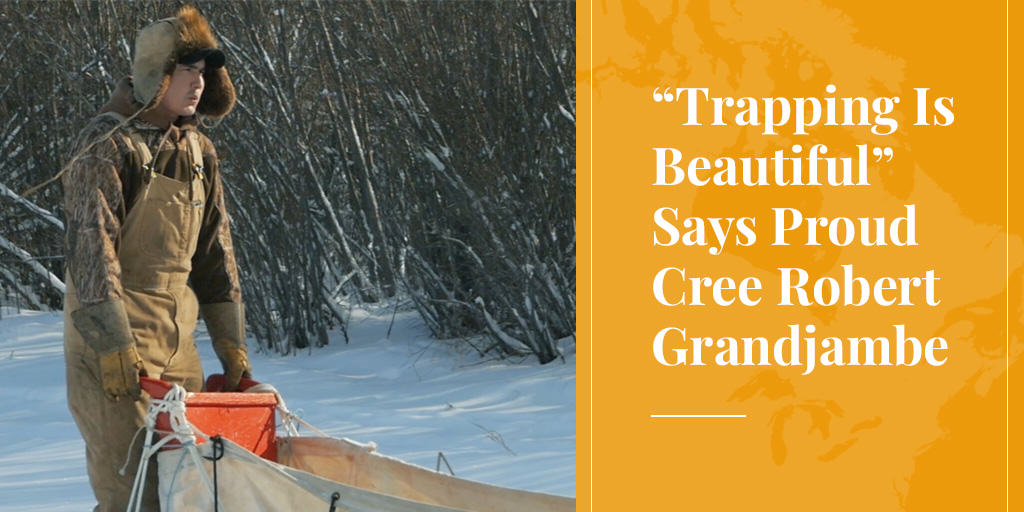
Connected to the past and focused on the future, indigenous harvester Robert Grandjambe Jr. understands the potential of Canadian wild fur.
Robert Grandjambe Jr. takes a long, deep breath followed by a pensive sigh when he’s asked the question, even though he likely knew it was coming: “What is the key for the future of trapping and wild fur in Canada?”
It’s understandable he would have to pause to consider the question, given the deeply rooted connections he has to his indigenous ancestry, the north, trapping and living on the land. Trapping is not merely something he does; trapping is who he is.
“I think people need to better understand the importance of what trappers do, because I don’t think they get it,” Grandjambe says after a few moments of consideration. “We must educate people to understand that everything the trapper does contributes to a natural and sustainable way of life and the environment, and is crucial for the culture and health of our communities.”
Woodland Cree
Grandjambe is the subject of the 2018 CBC documentary Fox Chaser: A Winter on the Trapline (currently only available online in Canada). At just 34 years old, he is a young man, yet he comes across as having seen and experienced more than most people twice his age.
A resident of Fort Smith in the Northwest Territories, he is a Woodland Cree whose roots go back to Fort Chipewyan, Alberta, where generations of his family trapped to survive.
Time was, the land in that area sustainably produced upwards of 100,000 muskrats per season for hundreds of trappers that called it home. But then, in a familiar refrain, the area’s bounty vanished, not because of over-trapping but because a new dam caused the fertile river delta, which the muskrats called home, to dry up.
“I truly believe trappers and wild fur will always have a place in this world," says Robert Grandjambe.
Ever resourceful, the trappers diversified to other species. But then, as prices for each one fell with the continued onslaught of misleading animal rights campaigns, those opportunities too fell by the wayside, leaving little in their wake. Despite what animal rights groups say, indigenous people do need to be able to sell product as part of their lifestyle beyond just subsistence.
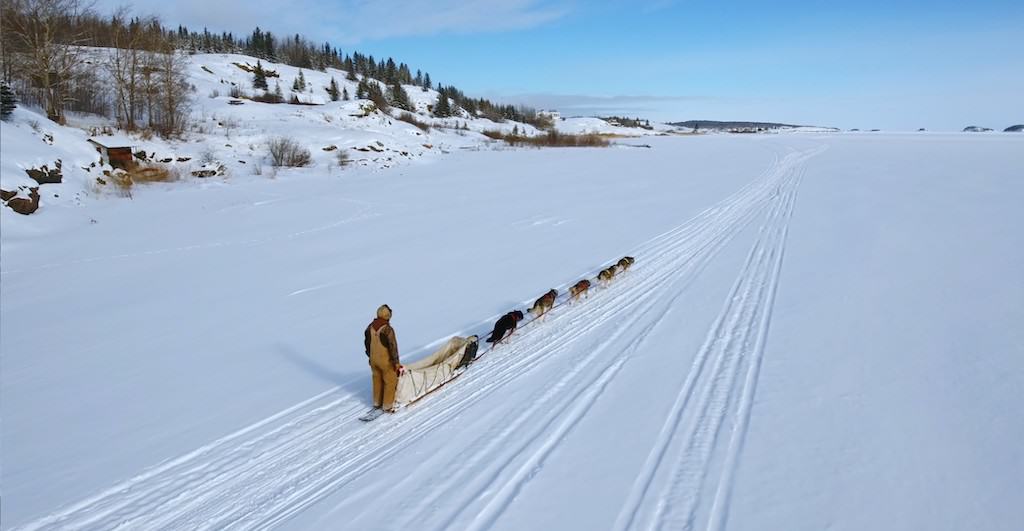
It’s a lifestyle Grandjambe knows well. He started learning the ways of the trapper and the trapline with his father at age six. The education has proven invaluable, especially considering how complicated trapping can be where he is. He traps near his hometown of Fort Smith, straddling the border between the Northwest Territories and Alberta, and within the confines of Wood Buffalo National Park, which means lots of layers of management and rules and regulations to know and deal with. But if it means better outcomes for trappers and trapping, it’s a complication he can deal with.
Despite what animal rights groups say, indigenous people do need to be able to sell product as part of their lifestyle beyond just subsistence.
“Trappers always want to do the right things,” Grandjambe explains. “Sometimes the many systems we have to deal with make it very difficult, but we do it. Really, trapping is a universal thing for both the trappers and the animals.
“I’ve always done it (trapping), no matter what else I was doing - it provides such freedom, it is a gift to be a trapper out on the land.”
Leaving a Legacy
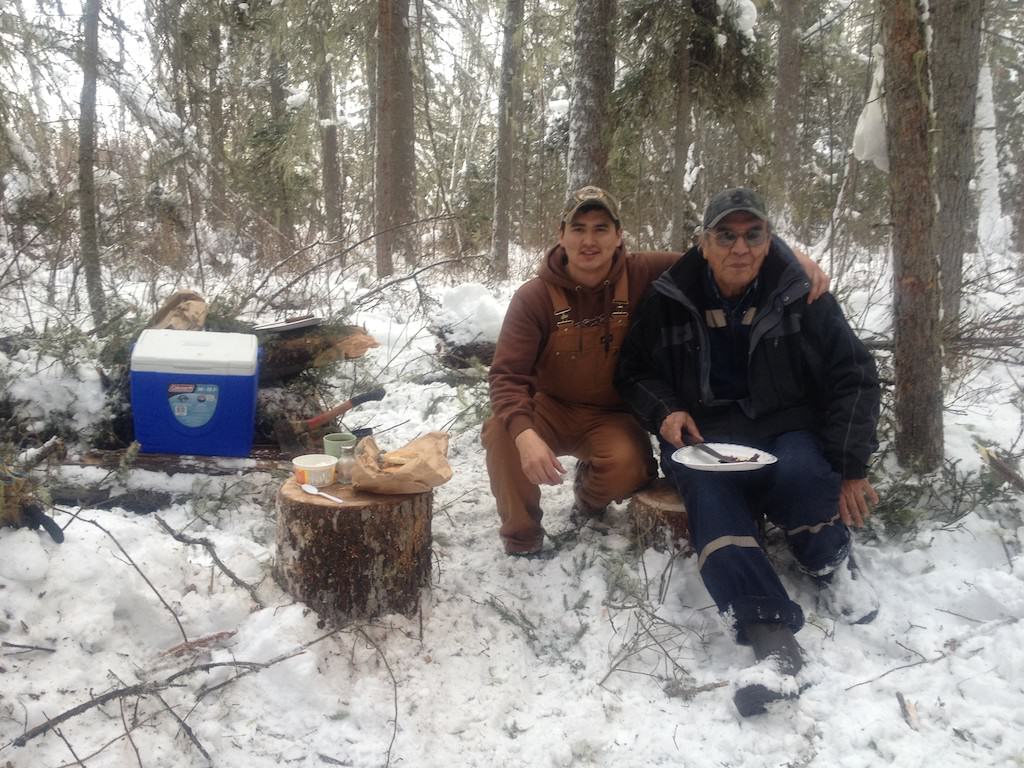
For the Grandjambe family, leaving a legacy to your children includes passing on your trapping knowledge. Here Robert works the trapline with grandfather Billy.
The education Grandjambe has had is one he is now determined to pass on. Out of trapping season, when he's not working as a contractor, he spends a lot of time doing presentations about trapping for young people. He goes into schools and teaches students about culture, trapping, craft-making, hunting and gathering.
But he admits he may have another, more selfish reason for being so focused on youth: his two-year-old daughter. And as you might expect, she is already getting her first taste of the wild fur trade.
“As a father you want to leave a legacy. I want to give her all my knowledge and experience from the trapline, and from there she can choose her own path,” he says. “So I will continue to bring her into this world, so she can understand and know it well.”
It’s not just the youth, and his own daughter, that drive Grandjambe though. It's the whole community, including the elders. He works to provide food for as many people as he can from his time on the land, whether it’s moose, ducks, bison, bear, geese or any of the other wild bounty that comes from his choice of lifestyle. He views food as “the thing that brings us all together at the same table and sustains us, no matter who we are or where we come from.”
Conibear Connection
Grandjambe also has one more interesting connection to trapping, to Frank Conibear, one of the founders of the humane trapping movement. Grandjambe’s great-great-grandfather trapped mink in the early 1900s alongside Conibear, near Taltson River, NWT.
Working alongside indigenous people, Conibear grew his appreciation for exercising respect for animals, and he started noticing the equipment he was using wasn’t always conducive to good animal welfare. He was inspired to construct the original body-gripper trap, a more humane device that would later become Conibear’s legacy and form the foundation of humane trapping.
Grandjambe says animal welfare has always has been important to trappers, from the time of his great-great-grandfather and Conibear up to the present day. "We always ask ourselves, how can we do it better when it comes to animal treatment?” he says. “The standards have improved dramatically over the years and we still strive to keep improving. As trappers, we always focus on only taking what we need, and making sure we respect the animals and the environment.”
And despite the many challenges facing trappers, Grandjambe has a positive outlook for wild fur. He may not have all the answers as to how to set the future stage for wild fur, but he’s confident the pieces are all there to make it happen.
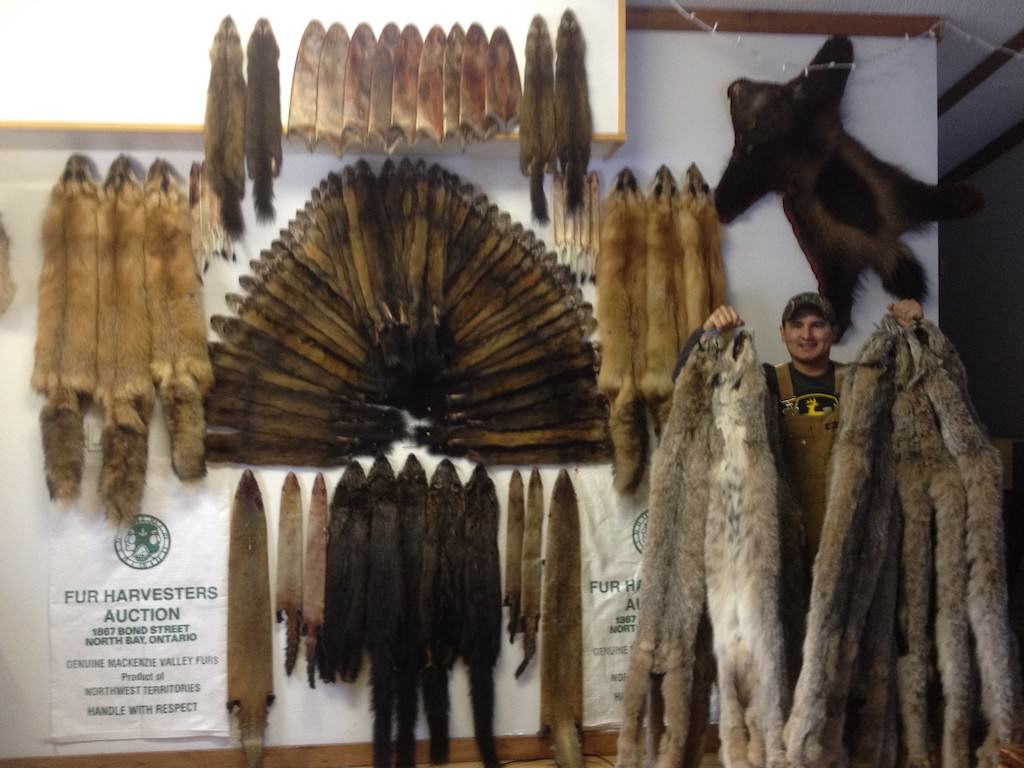
He points out the great success that the Genuine McKenzie Valley Fur Program has had “restoring pride and interest” in wild fur by providing trappers with access to new markets internationally. The result is trappers back on the trapline, doing the work they have always done - work that Grandjambe says remains as important today as it was in the time of his forefathers.
“I truly believe trappers and wild fur will always have a place in this world,” he says. “We needed it once just to survive, but today it is about much more than that: It’s about social and cultural values, family values, our health and well-being, and protecting nature, ecosystems and the environment.
“There is a lot of pride in being a trapper. Trapping is beautiful.”
Activists claim that fur is a frivolous luxury; that no one needs to wear fur anymore. But fur is a natural, sustainable and responsible clothing material. And we will lose a lot more if activists are successful in vilifying fur.
Let’s take a look at what we lose as a society if we allow animal activists to dictate the discussion about fur:
1. Fur Craftsmanship – a Remarkable Heritage
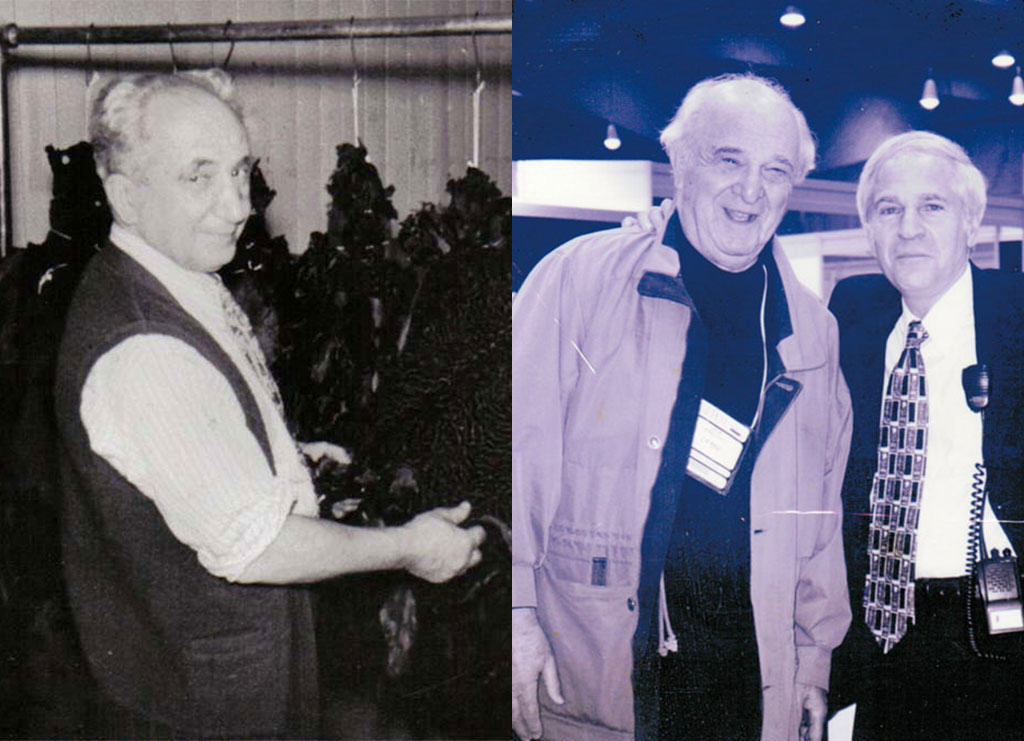
The Herscovici family have been in the fur trade for at least four generations. At left, my grandfather Armand examines Persian lamb skins in his stockroom in the 1950s. At right, my father Jack visits me at the 2002 North American Fur & Fashion Exposition - Montreal (NAFFEM).
This issue is close to my heart because my paternal grandfather was trained as a furrier by his father, in Paris, before coming to Montreal as a young man, in 1913. My own father also worked his whole life in the trade. So I am saddened that there is so little recognition or respect for this remarkable heritage industry. In this age of impersonal mass-production, fur is one of the few clothing materials that are still hand-crafted, by skilled artisans. Specialized knowledge and skills are needed to select, cut, sew, and assemble fur pelts to produce a beautiful garment or accessory. These skills have been maintained and perfected through centuries, passed down from parents to their children.
When I bring someone into a fur atelier, even people with experience in the apparel industry cannot believe that anyone is still doing this sort of meticulous hand-work. Fur craftsmanship is a wonderful example of the sort of authenticity many hipsters and others are seeking today. Fur apparel and accessories represent the marriage of human creativity with the beauty of natural materials.
The fur artisan’s skills and knowledge are part of our cultural history and heritage; they should be valued and protected - like world heritage sites and endangered species - not vilified, especially at a time when such handicrafts have become so rare. Like the wanton destruction by the Taliban of giant Buddhas carved into the mountainside at Bamiyan, in Afghanistan, or the burning of ancient libraries in Timbuktu by Islamic insurgents, the misguided scapegoating of centuries-old fur skills shows a complete lack of understanding and respect for our cultural heritage and the diversity of human experience.
2. Fur Trappers – True Stewards of the Land
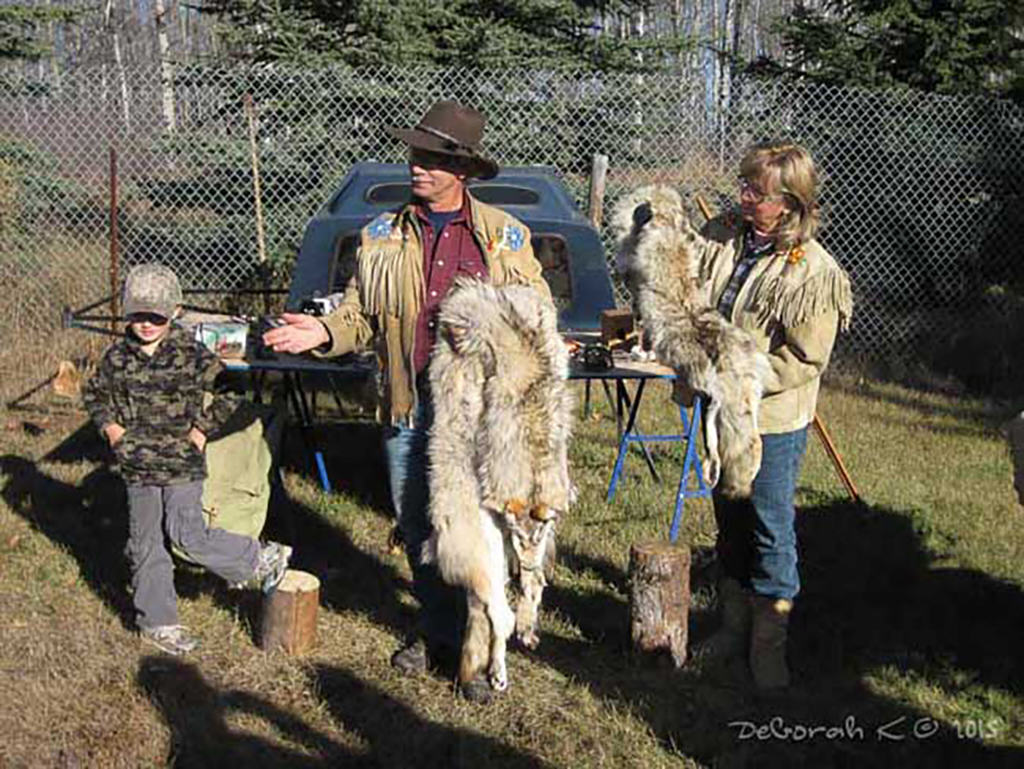
Trappers are our eyes and ears on the land. Here trapper Ross Hinter shows wolf pelts to environmental science students from the University of Alberta. "My wish is to become involved with those who are truly interested in the well-being of animals and the future of our effects on their habitat."
If ever you’re in a plane that crashes into the northern wilderness, you’d better hope there’s a fur trapper aboard, someone with the skills and experience to provide food and keep the rest of you alive. We all care about nature, but most of us now live in cities and depend completely on complex distribution systems for our needs. Trappers are among the few who still go into the bush, alone, with only their knowledge of the land and animals to maintain themselves. Trappers are, in fact, our eyes and ears on the land; they are the ones who can sound the alarm when nature is threatened by industrial pollution or poorly planned development. It is trappers who inform logging companies about the location of eagle nests and other important habitat, so they can be protected. It is trappers who call in government wildlife biologists when they spot problems. At a time when we claim to care about protecting nature, we should respect the skills and knowledge of those who still live close to the land.
SEE ALSO: Trapping and sustainability.
First Nations and other trappers do not need lessons about respecting nature from urban activists! But activists have easy access to city-based journalists, and have mastered all the tricks to attract media attention. As PETA founder Ingrid Newkirk says, “We’re media sluts; we didn’t invent the game, we just learned how to play it!” With hundreds of millions of dollars in contributions from well-meaning urban supporters, this flourishing new protest industry has painted trappers as exploiters or enemies of nature, a complete falsehood. In fact, the well-regulated modern fur trade is an excellent example of sustainable-use principles promoted by the International Union for Conservation of Nature.
In simple terms, trappers take part of the surplus that nature produces every year. Only abundant furbearers are used, never endangered species. By taking part of the natural surplus, trappers help to smooth out population “boom and bust” cycles, maintaining more stable and healthy furbearer populations. Unfortunately, trappers live far from the media centres, and their voices - the voices of the true guardians of nature - are rarely heard.
3. Fur Farmers – Supporting Sustainable Agriculture and Rural Communities
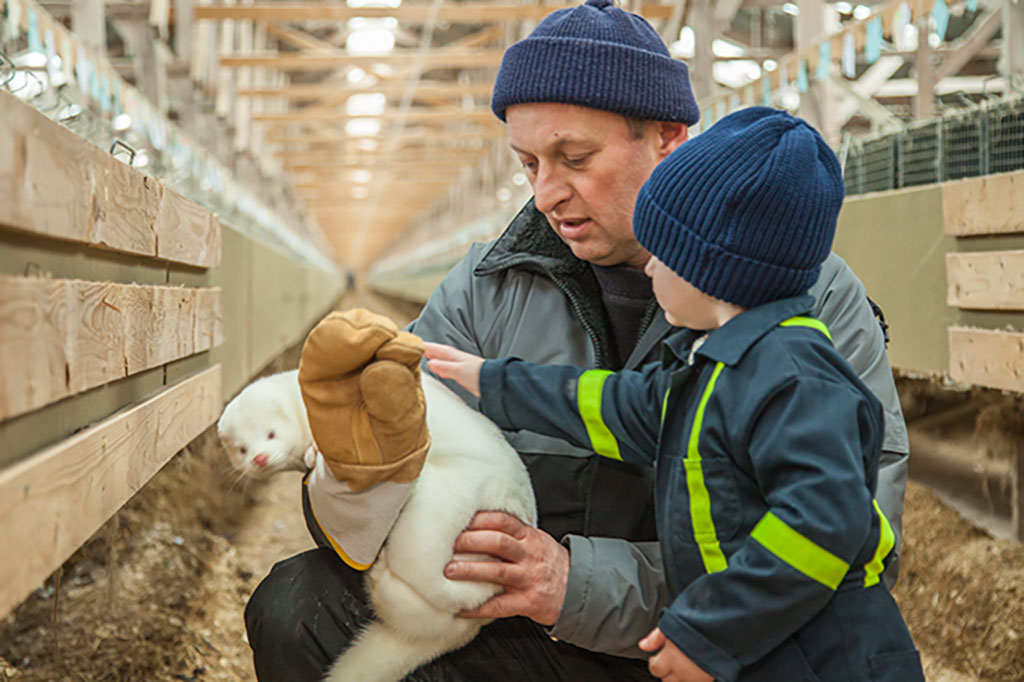
Catherine Moores (here with her son) manages a mink farm in Newfoundland where the animals are fed leftovers from a local fish-processing plant.
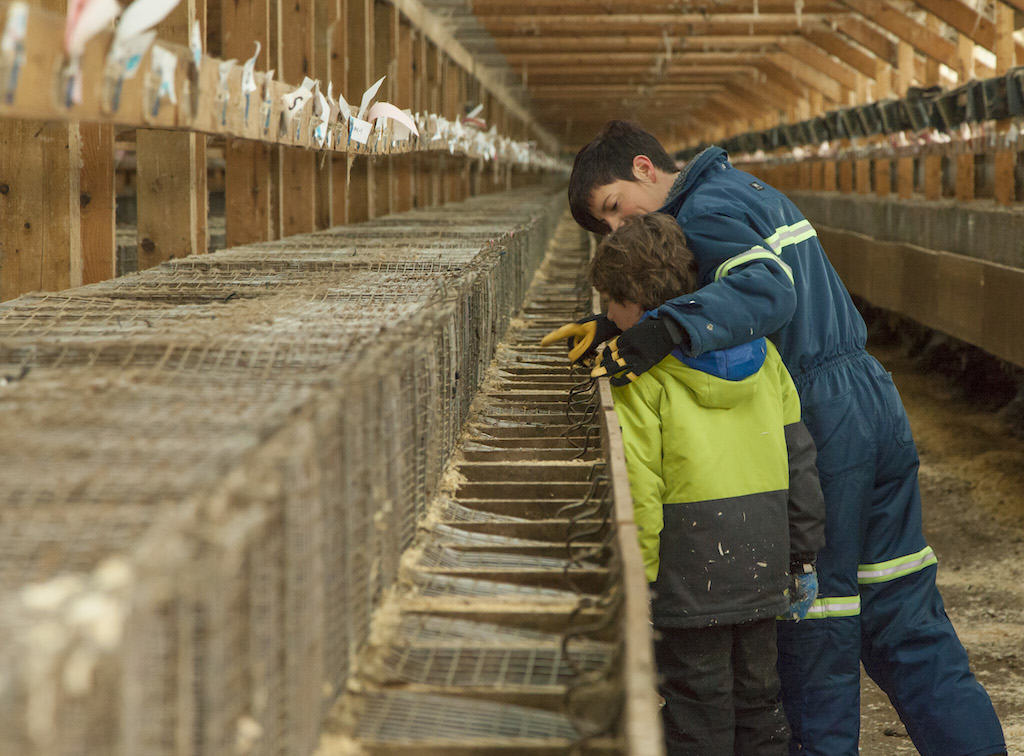
Thanks to more efficient practices, farmers now represent barely 2% of the North American population, compared with about 33% in 1900 - a demographic shift that poses challenges for the viability of rural communities and services. Fur farms provide needed employment, especially because mink and foxes can be raised on small parcels of land, and in regions where the soil is too poor or the weather too harsh for most other forms of agriculture.
Farm-raised mink and foxes are fed left-overs from other animal production, the parts of chickens, pigs, fish and other food animals that humans don’t eat. The manure, soiled straw bedding, and carcasses of the fur animals are composted to produce high-quality natural fertilizer to replenish the soil, completing the agricultural nutrient cycle.
The farm-raising of fur-bearing animals, which began in North America more than 120 years ago, also provides an efficient safety valve to reduce pressure on wild populations. And with careful selective breeding and excellent care, North American fur farmers have developed a remarkable range of natural colour ranges in mink and fox, reducing the need for the dyes needed with most textiles. Not least important from a social perspective, most fur-bearing animals are raised on family-run farms.
Fur craftspeople, trappers and farmers – together with fur buyers, processors, and a range of other specialized workers – maintain skills and knowledge that are part of our cultural heritage.
None of that would matter, of course, if animal species were being endangered or abused. But the modern fur trade is now conducted responsibly and sustainably. Trapping is strictly regulated by state and provincial wildlife departments, to ensure that only abundant furs are used, never endangered species.
North America is also the world leader in humane trapping research and development – work that provided the scientific basis for ISO standards, best practices, and the Agreement on International Humane Trapping Standards. Mink and fox farmers follow codes of practice to ensure excellent nutrition and care for their animals; this is the only way to provide the high-quality fur for which North America is known internationally.
Above all, fur is a natural, renewable, recyclable, long-lasting and ultimately biodegradable clothing material. After many decades of use, a fur garment or accessory can be thrown into your garden compost where it will return to the soil. By contrast, fake furs and other synthetic materials promoted by animal activists are generally made from petroleum, and are not biodegradable.
Simply put, most synthetics are another form of plastic bag. Troubling new research is revealing that these synthetics leach micro-particles of plastic every time they are washed - tiny plastic particles that are now being found in marine life and even in bottled water. Such synthetics may not be expensive to purchase, but they are very costly for nature and wildlife.
A sustainably produced, long-lasting and biodegradable natural clothing material. A rich heritage of increasingly rare craft skills. Support for rural and remote communities, and the responsible use and conservation of nature. The more closely we look, the more we understand how much we have to lose if we allow misinformed “animal rights” campaigns to turn designers, consumers and political leaders against North America’s founding industry.
***
To learn more about donating to Truth About Fur, click here.
Though rarely seen these days, moleskin deserves a special mention in the history of the fur trade. This unique fur… Read More
Moleskin is rare these days, but moles certainly aren't. Photo: Karelj, from Wikimedia Commons
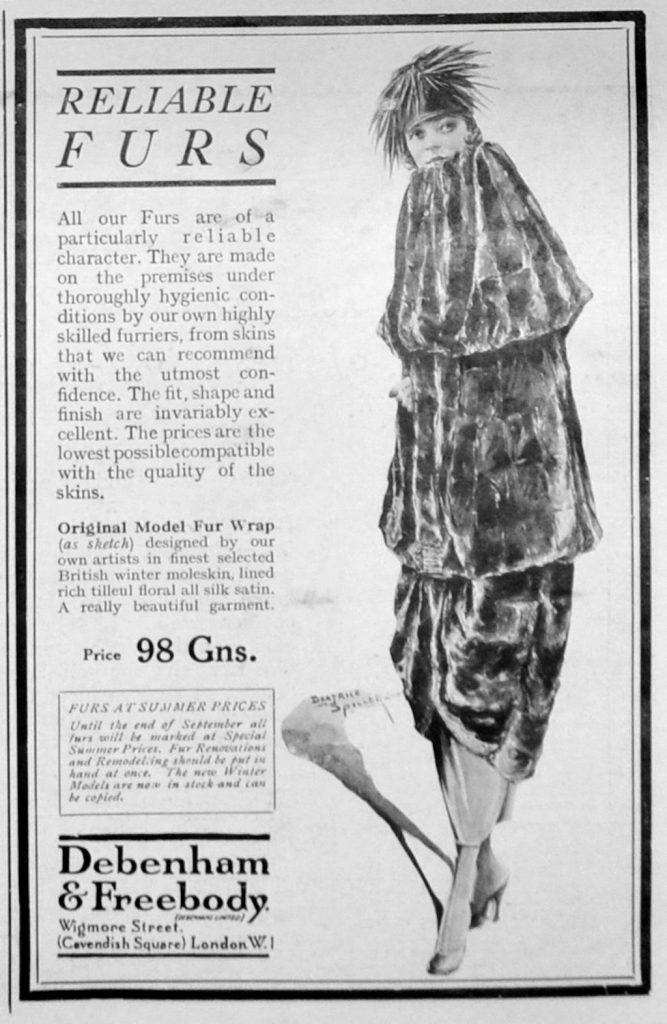
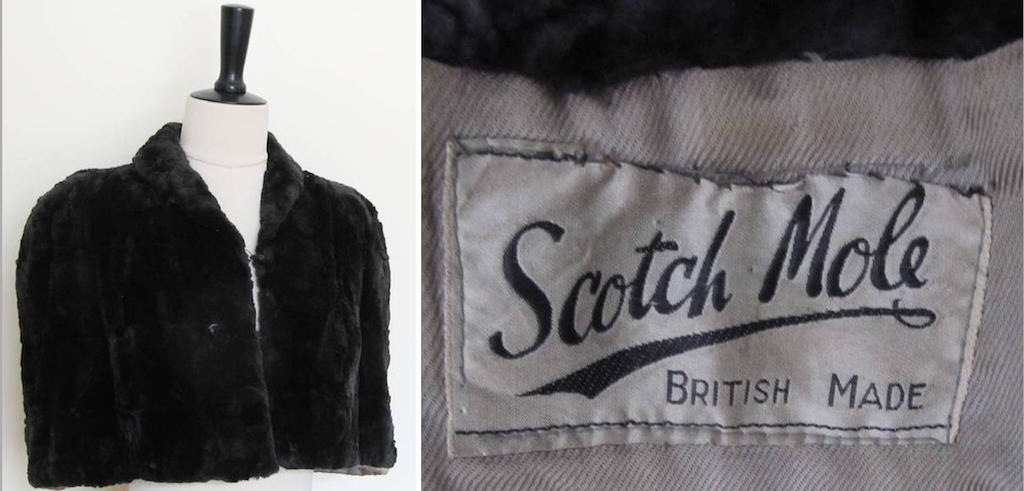
Though rarely seen these days, moleskin deserves a special mention in the history of the fur trade. This unique fur was once favoured by British high society, and at the height of its popularity gave value to a pest that was being trapped anyway, thereby satisfying a fundamental requirement of the ethical use of animals: minimisation of waste.
First some clarification: Moleskin, or mole skin, or mole fur, or simply mole, is the fur of moles, and where the fur trade is concerned, specifically the European mole (Talpia europaea). This may sound obvious, but a completely different fabric made of cotton is also called "moleskin", and is far more common these days.
Moles have never been a great fit for the fur trade because they're so small – an adult measures only 4.3 to 6.3 inches long. The tiny pelts are cut into rectangles and sewn together into plates which are almost always dyed because natural colours are so variable, making it difficult to find a large number of matching pelts. The most common colour is dark grey or "taupe" (French for mole), but light grey, tan, black and even white have all been observed.
These plates are - or at least were - then made into coats or trousers requiring 500 pelts or more, the lining of winter gloves (fur side in), and a very soft felt for premium top hats. (Cheaper hats used rabbit while everyday hats used American beaver.) Above all, though, moleskin has always been associated with the fronts of waistcoats.
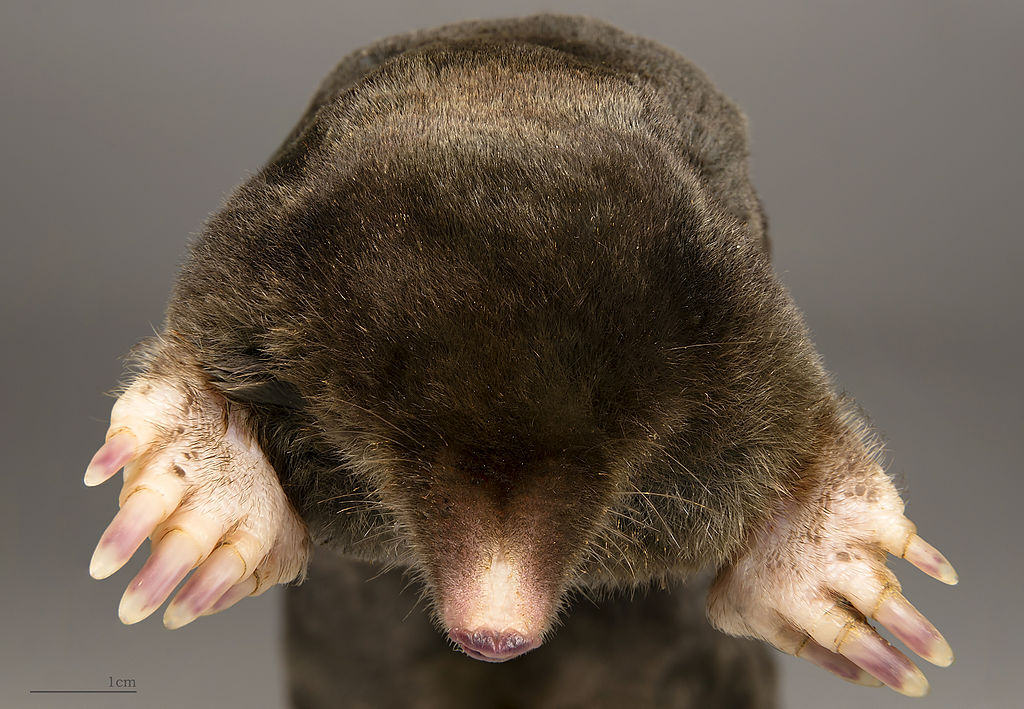
As seen in this taupe-coloured mole, there is no direction to the nap. Photo: Muséum de Toulouse [CC BY-SA 3.0], from Wikimedia Commons.
If you're undaunted by the labour involved in working with such small pelts, the result is unlike any other fur. The hairs are very short and dense, encouraging comparisons to velvet, while the leather, though quite delicate, is extremely soft and supple. But what makes moleskin truly special is the nap. The hair of other furbearers grows pointing towards the tail, hence the expression "to rub someone the wrong way." Moleskin, however, reacts the same whichever way you rub it, an adaptation believed to facilitate reversing in tunnels.
Royal Connections
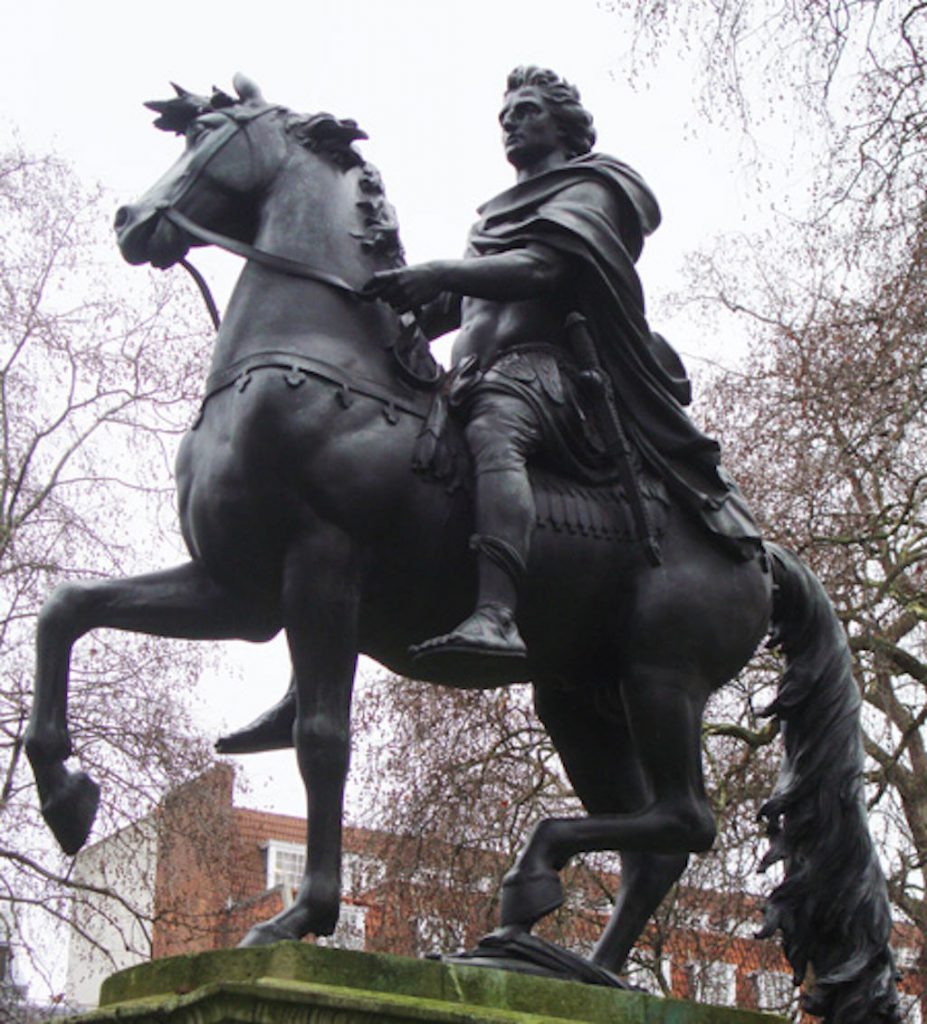
King William III astride Sorrel in St. James's Square, London. A single molehill, shown under Sorrel's hoof, brought down the royal House of Orange.
Historically, moleskin had a following wherever moles were hunted as pests, and particularly in the UK. From at least as early as the 18th century, every parish in England employed a molecatcher who supplemented his income by selling the pelts. (There was no money in the meat, however. Theologian William Buckland [1784 - 1856], who famously claimed to have eaten his way through the animal kingdom, described mole meat as "vile", rivalled only by bluebottle flies.)
The moleskin waistcoat was ubiquitous, and a tragic event reminds us that even moles were said to wear them! In 1702, King William III, better known as William of Orange, was out riding when his horse, Sorrel, tripped on a molehill and threw him. He broke his collarbone, developed pneumonia and died, prompting his Jacobite enemies in Scotland to toast “the little gentleman in the black velvet waistcoat."
But the most interesting period in the history of moleskin was in the early 20th century, and centred on another British royal, Queen Alexandra, wife of King Edward VII. Queen Alexandra was a fashion icon with enormous reach who set several trends among society ladies, like choker necklaces, high necklines, and "summer muffs". So great was her influence that some ladies even copied her "Alexandra limp", caused by a bout with rheumatic fever, by wearing shoes with different-sized heels.
Details are sketchy but the story goes that in 1901, as moles were creating havoc on Scottish farms, Queen Alexandra ordered a moleskin wrap. Whether the Queen simply fancied a bit of moleskin or was an enlightened wildlife manager depends on who's telling the story, but the result was a huge boon. Demand for moleskin went through the roof, and Scotland's pest problem was turned into a lucrative industry. During the period 1900 - 1913, the average annual supply of European and Asian moleskins was estimated at 1 million, and it increased thereafter. At the peak of moleskin's popularity, the US was importing over 4 million pelts a year from the UK.
After World War II the popularity of moleskin declined, perhaps in part because pelts were in short supply. Traditional molecatchers were being displaced by industrial pesticides, notably strychnine, which was first synthesised in 1954. But this poison was soon raising animal-welfare concerns and in 1963 it was banned in the UK for wildlife management. Moles, however, were exempted, and until recently dipping worms in strychnine was still the main method of managing moles on British farms. And because strychnine kills moles underground and unseen, supplies of pelts inevitably fell.
But now the tables have turned and traditional molecatchers are making a comeback.
At the dawn of the millennium strychnine was already in short supply, and in 2001 the UK suffered an epidemic of foot-and-mouth disease. In a bid to stop the disease spreading, public rights of way across land were closed and molecatchers were banned from entering farms. Within a short time there was a mole population explosion to an estimated 40 million. Then in 2006, the European Union ruled that strychnine could no longer be used as a mole poison and the stage was set for the return of traditional molecatchers.
The UK has always been the spiritual home of moleskin fashion, a position cemented by its most illustrious endorser, Queen Alexandra. Two factors are against it making a comeback anytime soon though: animal rights activism (for which the UK is also the spiritual home), and the cost of labour involved in working with such small pelts.
That said, if another royal influencer could be persuaded to don a new moleskin cap, who knows where it might lead? If I represented an organisation with a high-fallutin' name like the British Guild of Honourable Molecatchers, I'd get one off to Kate Middleton right away. Not only does she wear fur, but she's also a strong bet to be a future queen.
***
To learn more about donating to Truth About Fur, click here.
Katie Ball is a trapper from Thunder Bay, Ontario who also runs her own company, Silver Cedar Studio, designing and making… Read More
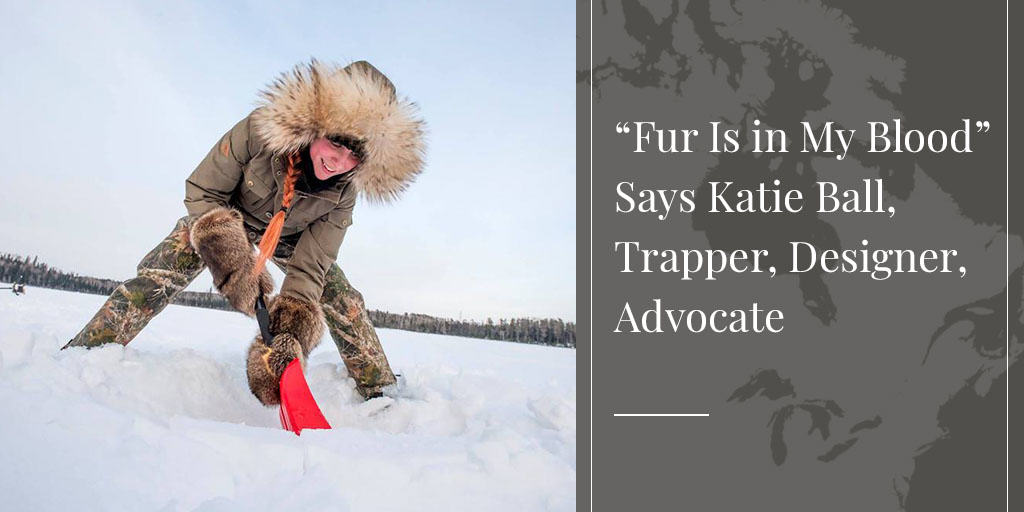
Sporting a fox ruff and raccoon mitts, "made by yours truly, of course!", Katie Ball loves the whole outdoors life, even ice fishing. Photo: Alyssa Lloyd, Bushwoman Workshops
Truth About Fur: You grew up helping your father run a trapline, but spread your wings to work in pet sales, veterinary care, and as a fashion model. Yet you returned to trapping and in 2014 went into business producing fur garments. In an interview with the International Fur Federation, you said fur “is in my blood and who I am to the core.” How did that happen, and how does it feel to be so sure of who you are?
Katie Ball: It started as one simple question. I was at a trappers' convention looking over new techniques of fur-processing when my dear friend (and now mentor) Becky Monk reached over a sheared and dyed peach beaver pelt and asked me, "Have you ever considered working with fur?" I had been looking for a medium that would allow me to combine my love of nature, fashion modeling and creativity into one package. Fur was that medium.
Fur goes beyond my individual self. It encompasses our rich Canadian history, it is the warmest, most natural product on the market, and its uses and ability to be manipulated into so many versatile looks know no bounds.
For me to be a part of this tradition is humbling. I take pride in my upbringing in a trapping family, and will do whatever it takes to help pass that on to future generations.
TAF: You've been working the same trapline with your father since 1989. Tell us about it, and the changes you've seen.
Katie Ball: Our trapline is 150 km north of Thunder Bay. The terrain is enveloped by boreal forest and offers a variety of landscapes that allows for a broad range of furbearers to be harvested. Lakes, rivers, bogs, marshes, swamps, red and jack pine forests, birch and aspen as far as you can see over rolling landscapes, we have it all. From the warm start of fall to the frigid deep freeze of winter, we truly experience the four seasons nature has to offer.
Many changes have come to the landscape over the years – forest fires, logging, mining, roads and aggregates. But these are not as negative as many think. Old growth does not really exist in boreal forest; fires, pests and disease make certain of this. We have had two forest fires that I have witnessed. With burns come new jack pines that would not seed without the searing heat of the fires. New shoots and growth give food to the fauna. Logging can create better habitat for specific wild game, increasing numbers. Mining reclamation restores the surface to its original glory. Out of destruction some of the most amazing opportunities can arise, and Nature sure knows how to make the best of it.
On another level, I've seen animal populations rise and fall in synch with one another, like lynx and rabbit. Rabbits have approximately a seven-year cycle. As the population begins to increase so do the lynx. But then the rabbit population crashes, and the lynx decline right after. Moose populations sank with the cancelation of the spring bear hunt years ago, but the hunt has been reintroduced in hopes it can help the moose population recover.
TAF: You currently represent three outdoors associations, so you are clearly motivated to serve. What benefits do such organisations provide to the fur trade, and what would you say to a trapper who is undecided about whether to participate?
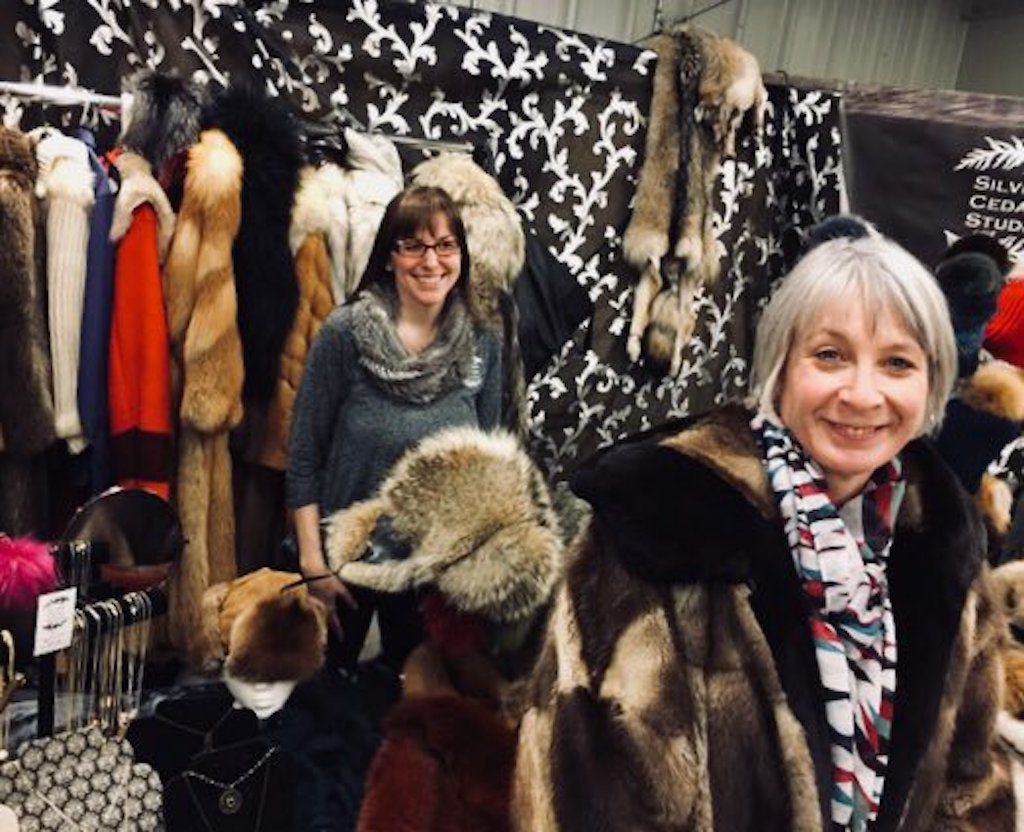
Minister of Employment, Workforce, and Labour Patty Hajdu is also a Thunder Bay resident. Here she visits the Silver Cedar Studio stand at the Northwestern Fur Trappers Association convention, 2018. Photo: Patty Hajdu / Facebook.
Katie Ball: These groups help give a voice to the outdoors community. Without them, we would not have a say on topics that could wipe out our passion, heritage and future. Most trappers just want to be out in the woods being stewards of the land, and I know the feeling. But politics wait for no man. We need to be on top of new regulations, legislation and activist groups who wish to do away with our lifestyle.
So get involved with your outdoors groups and make your voice heard. Help secure the future for our children, and take pride in what you do and love. We all share the same resource and our love of nature. There is strength in numbers, so why not work together to ensure that our way of life can be enjoyed for generations to come?
TAF: You call trappers “stewards of the land”. Can you give examples of how this works?
Katie Ball: Statistics show that there are more furbearers now than there were when the fur trade started. Populations are healthier, and even gene pools have benefited from trapping.
Trappers notice the small things, like what animals are moving through an area and when, or changes in their food supply. Are certain berries and plants growing? If it's a wet and cold spring, we know that many of the grouse young will not survive, and this can affect predator populations.
By knowing the lay of the land and how it all interlinks, trappers are a vast wealth of knowledge. Logging companies looking for gravel or decommissioned roads are better off talking to the local trapper than just following their GPS. They may be told of a washout or an old trail that will save time, money and resources.
Wilderness groups collecting data are better off talking to a trapper who will have insight on the local flora and fauna, and maybe even historical data.
Outdoors enthusiasts looking for a great camping spot or trails to hike – a trapper can point them in the right direction.
Plus, if something were to happen, it’s nice to know that someone is always out there in case of emergency.
TAF: How do you respond to accusations by animal rightists that trapping is inherently cruel? And do trappers need to work harder, or differently, to have their side of the story heard?
Katie Ball: With all the work conducted by the Fur Institute of Canada and many other groups, and with the Agreement on International Humane Trapping Standards (AIHTS) in force, it is hard to believe that even with the highest standard of trapping regulations and certified traps that many still think of trapping as cruel.
I have found that by talking to the public, educating individuals on our regulations, and standing behind our ethical practices, most get a bigger picture and realize that we are not out to destroy animal populations with archaic trapping methods. We are out helping maintain a healthy balance in nature.
Trappers need to stand up to such negative rhetoric. We need to be heard, as silence accomplishes nothing. And it is so much easier to reach the masses today.
Many trappers are not interested in getting in front of a crowd or being filmed, but they can still make a difference with one person at a time. Take the time to answer questions from inquiring minds. Take someone out for a day that would normally never get the chance to experience the wilderness. Spark a passion in an individual that will last them a lifetime.
It is only by educating the public that we can stamp out the negativity that surrounds trapping.
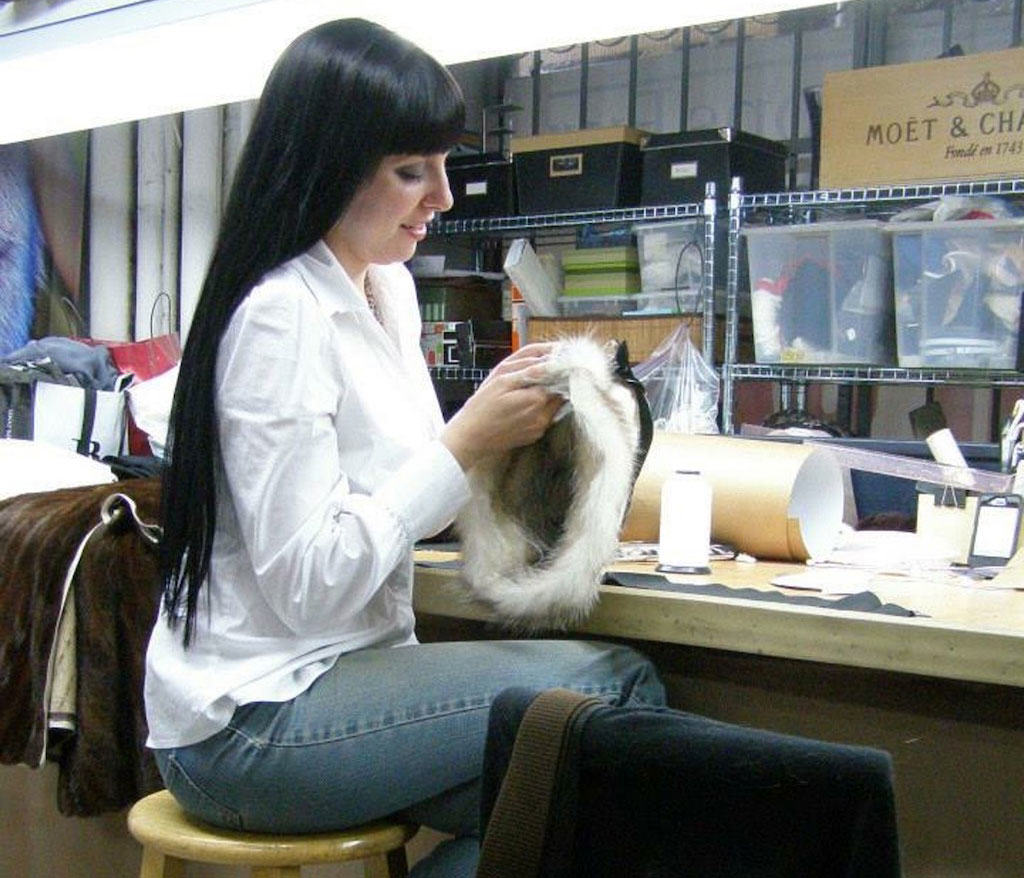
TAF: You have experience both as a trapper and in the fashion world, and are now producing fur garments. The Silver Cedar Studio website says that being a trapper helps you understand fur “in the way a carpenter understands wood.” Can you expand on this?
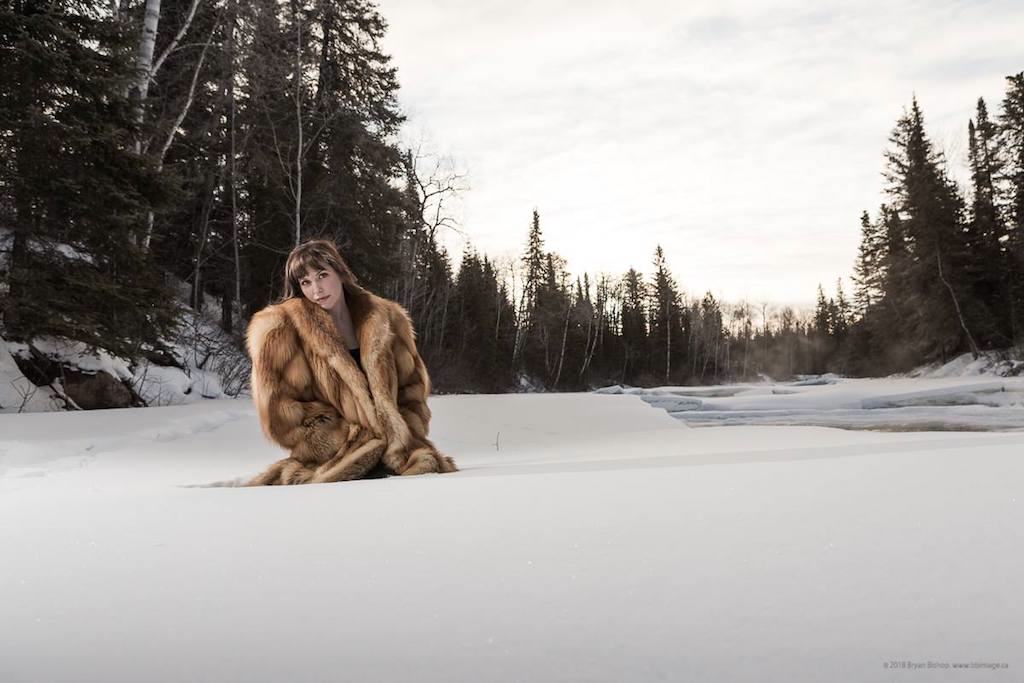
“This coat has much meaning to me. My father trapped each red fox to make it, all 27. This coat is a part of who I am, and influences me daily in my passions and trade.” Photo: BB Image.
Katie Ball: As a trapper I understand how the animals that I harvest live. I know their habitats and what challenges that may bring. And I understand the precautions and prepping that a trapper must undertake for each animal. That being said, as a designer, I can see fashion trends, take creative risks and develop a product specifically tailored for the individual customer.
By seeing both sides of this story, I am able to determine what furs are best suited for each and every fashion expectation and need of the customer. For example, warmth and durability are of the utmost importance to an outdoors enthusiast. Beaver and otter offer water-resistance, thick leather for durability, and dense underfur for holding air against the body while swimming. This translates to extra warmth for my client even on the harshest of winter nights.
TAF: On the subject of women as trappers, you told the International Fur Federation: “Regardless of gender, when it comes to working on the trapline, it comes down to individual strengths and weaknesses. There is no skill out in the bush that is labelled as gender specific.” Do women need encouragement to break the stereotype that trapping is for men?
Katie Ball: This is a question where the outside world perceives it differently than it is, and I do not understand why. When the world looks at trapping, it is visualized as almost exclusive to men. However the story is very different if you are part of the trapping community, or even just visit a trappers' convention.
To quote my friend and freelance writer (who is not a trapper) Ava Francesca Battocchio of her first experience at a trappers' convention, “You can imagine my intrigue when I found myself amongst a group of women trappers at the convention. These women were not passive onlookers – they were on the board of directors, they were role models and they were revered icons.”
There has always been quite the female presence in the trapping world. However, female numbers certainly have been on the rise and I for one am proud to see these numbers increase.
Being a trapper helps Katie understand fur "in the way a carpenter understands wood."
TAF: The future of fur trapping in North America rests with the next generation. Is it secure? Are enough young people taking up trapping, and if not, how can they be encouraged? Are currently low prices for wild furs affecting recruitment of young trappers?
Katie Ball: There are plenty of youth that are taking up the reins as trappers thanks to families getting them out on the land and making a pleasant experience that they will carry on for a lifetime. However, it's the people and youth that do not have this inherent advantage that we need to get out there.
“Take a kid trapping” is by far one of my favourite slogans. But take your kid and their friend. Take your niece or nephew and their friends. Get your neighbours and family friends to experience the great outdoors as well. There is no time like the present. It’s not just about trapping; educating people and creating allies will ensure that our heritage is passed on to future generations.
When it comes to fur prices, as my father always says, “We don’t do this for the money. We do it because we love it." The fresh air, nature, exercise and pride in knowing we are a part of a delicate balance – these are just a few reasons why we enjoy time spent trapping.
But if you want to look at it monetarily, fur prices have always fluctuated, depending on trends, politics, and the state of financial security. One factor that I find has been driving my business since I started is naturally sourced materials. People are not only looking at where their food comes from these days, but also where their clothes come from and what they're made of. People are choosing to get away from petrol-based products and are actively seeking out ethically sourced and eco-friendly products. I believe that we can start to see an increase in demand just from this trend alone in the near future.
TAF: Let's close on a lighter note. Trappers always seem to have a bunch of stories to tell. Can you share some of your memorable moments?
Katie Ball: Every day presents a new challenge, experience and memory: feeding the whiskey jacks from my toes as a kid, working in the skinning room with my dad in the dead of winter. Going out with my partner Richard has become a new and wondrous adventure, sharing our passion for the outdoors and learning from each other along the way.
Driving down the winter road with my uncle looking for signs of moose, when all of a sudden we were flanked on both sides by a wolf pack. They ran just like dolphins on either side of a boat. This lasted for about 3 km, then they disappeared as fast as they came.
Otters swimming around the boat while collecting our minnow traps.
So many events, but they always come out during conversation around the fire.
Wearing fur is so prevalent in human culture that it has even reached our illustrations and animation, from comic books… Read More
Image: Marvel Comics.
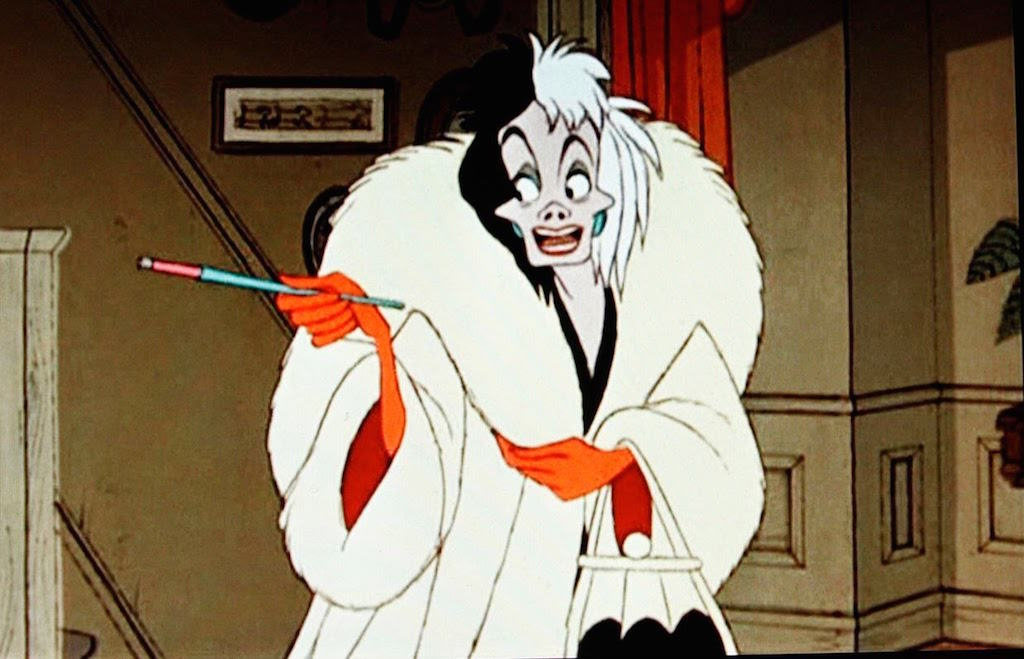
Wearing fur is so prevalent in human culture that it has even reached our illustrations and animation, from comic books to cartoons. The cartoon fur-wearing character that is usually thought of first is Cruella De Vil from One Hundred and One Dalmatians (1961). Although her fur coat and matching handbag emphasise her sense of high couture, she is far from the only one who wears furs in Toon Town!
"My only true love, darling. I live for furs. I worship furs! After all, is there a woman in all this wretched world who doesn't?" Cruella De Vil in 101 Dalmatians. Image: Disney.
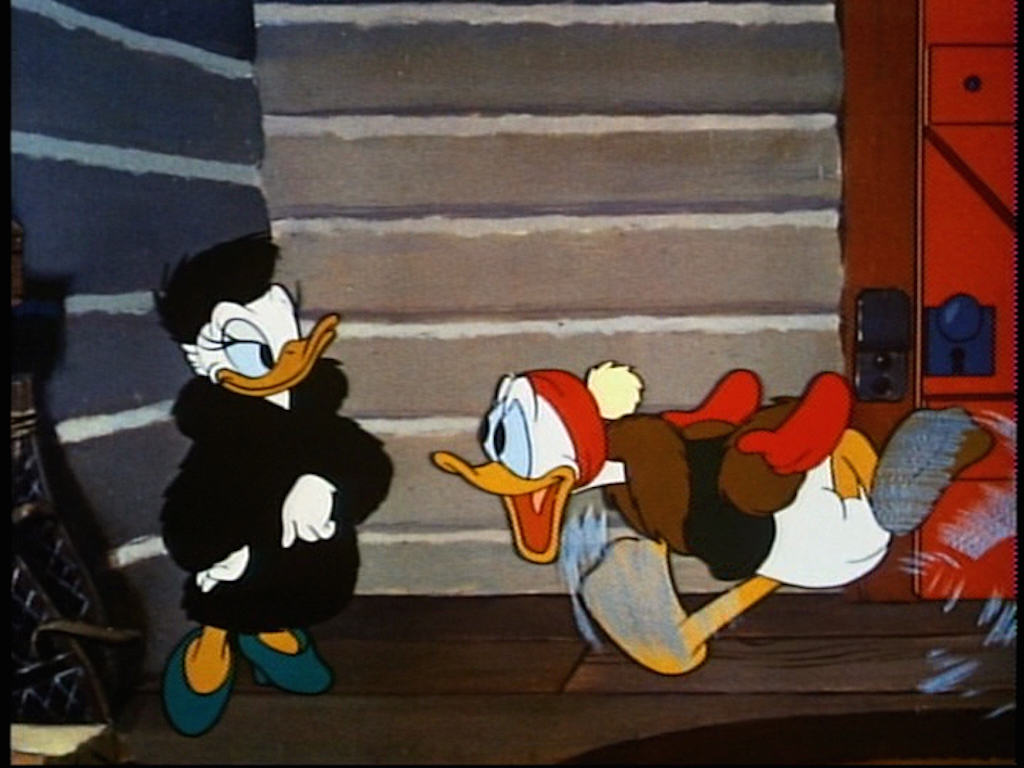
A pioneer of cartoon fur was Disney’s Donald Duck, who wore a fur overcoat while singing "Jingle Bells" in Donald’s Snow Fight (1942). I guess he liked it so much that in Dumb Bell of the Yukon (1946) he decided Daisy should have her own. So obsessed did he become with this idea that he imagined a bear cub was Daisy in a fur coat and kissed it!
In Dumb Bell of the Yukon, Donald kisses a bear cub believing it to be Daisy in a fur coat. Image: Disney.
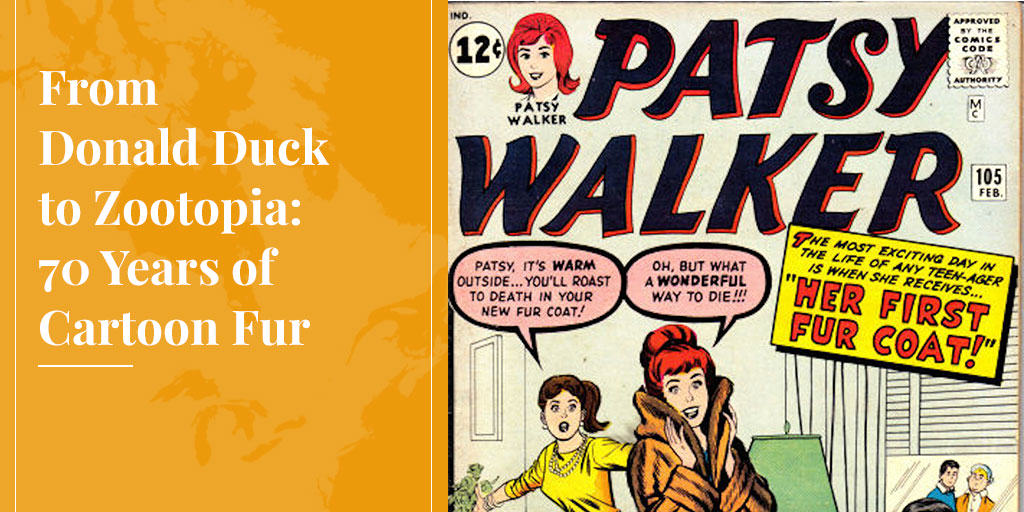
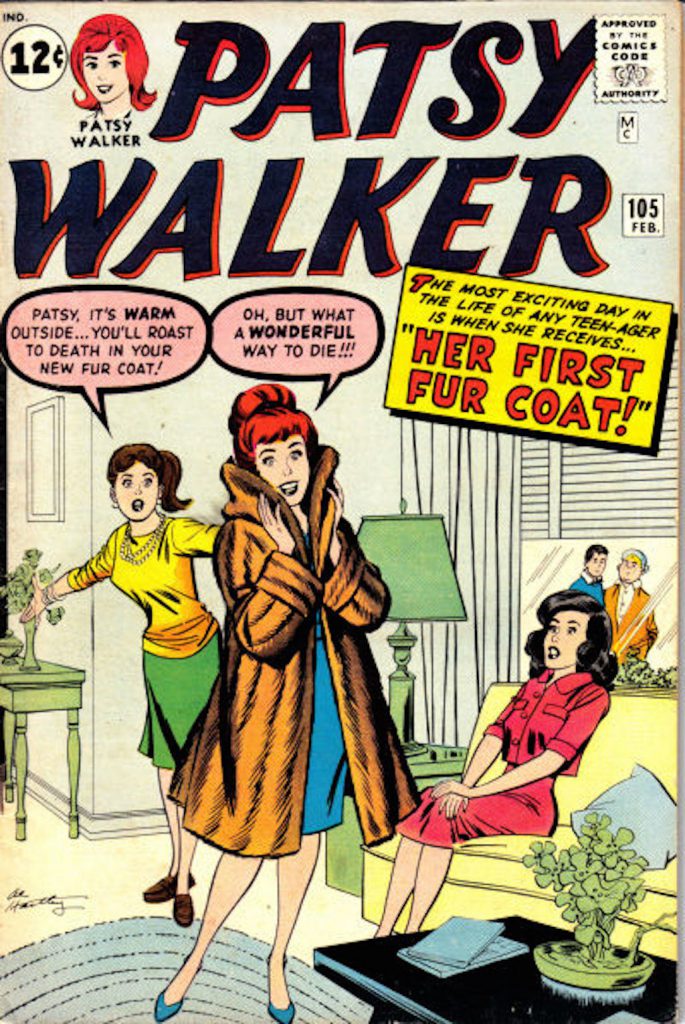
One that makes me giggle, especially this time of year, is the comic book Patsy Walker #105 from Marvel Comics. In "Her First Fur Coat!" (1963), Patsy is determined to wear her cartoon fur even though it's warm outside. “Every time I see a fur coat in a store window, it DOES something to me!" she says. "It just takes me out of this world!”
Before she morphed into superheroine Hellcat, Patsy Walker was all about teen humour. Image: Marvel Comics.
Another comic book fan of fur is Dr. Jean Grey who buys a white fur coat in the first series of X-Factor. She lost her old coat, so she goes shopping with Scott Summers, a.k.a. Cyclops. She tells the salesman that she wants to wear it right out of the store. When outside, she is enraptured by how soft and warm her cartoon fur coat is. She later gets in a snowball fight with Scott, still wearing her new fur coat, while calling herself "The Queen of the Icy North".
Jean Grey may be a mutant with superpowers, but she loves fur just like normal women. Image: Marvel Comics.
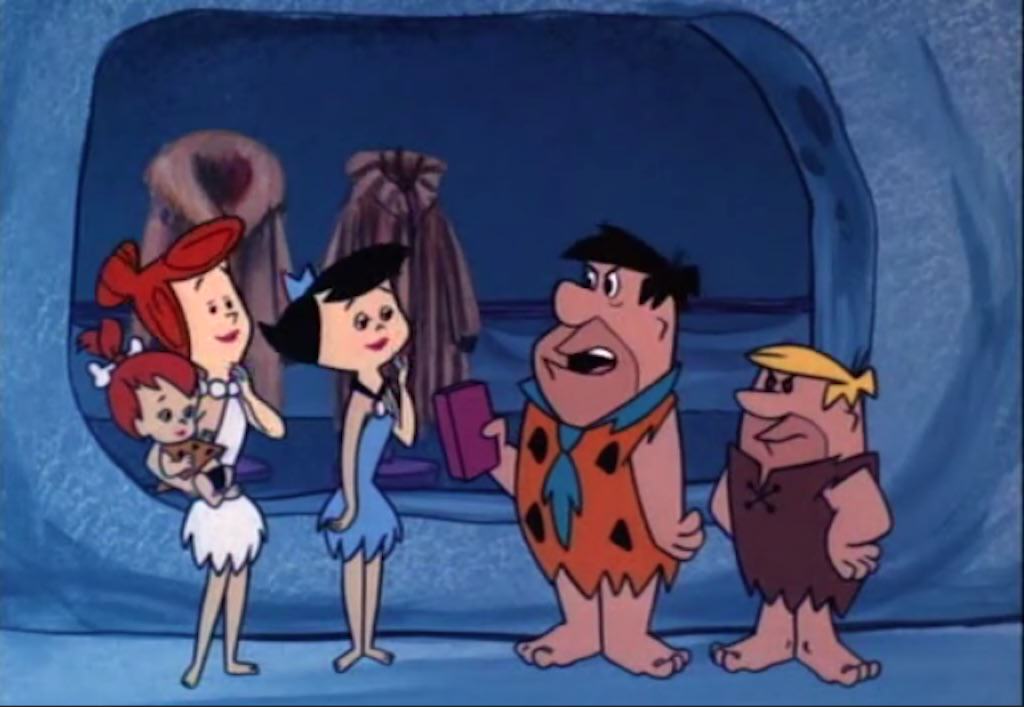
We already knew Wilma Flintstone liked fur because Betty Rubble mentioned to Barney, “when Wilma bought that fur coat”, in Hollyrock, Here I Come (1960). But of course the girls wanted more, so they set about trying to brainwash their husbands. “Every woman wants a mink coat. Your Wilma wants a mink coat," says Wilma to a sleeping Fred in Sleep On, Sweet Fred (1963). It almost worked too!
Wilma and Betty try to brainwash Fred and Barney into buying them new mink coats. Image: Hanna-Barbera.
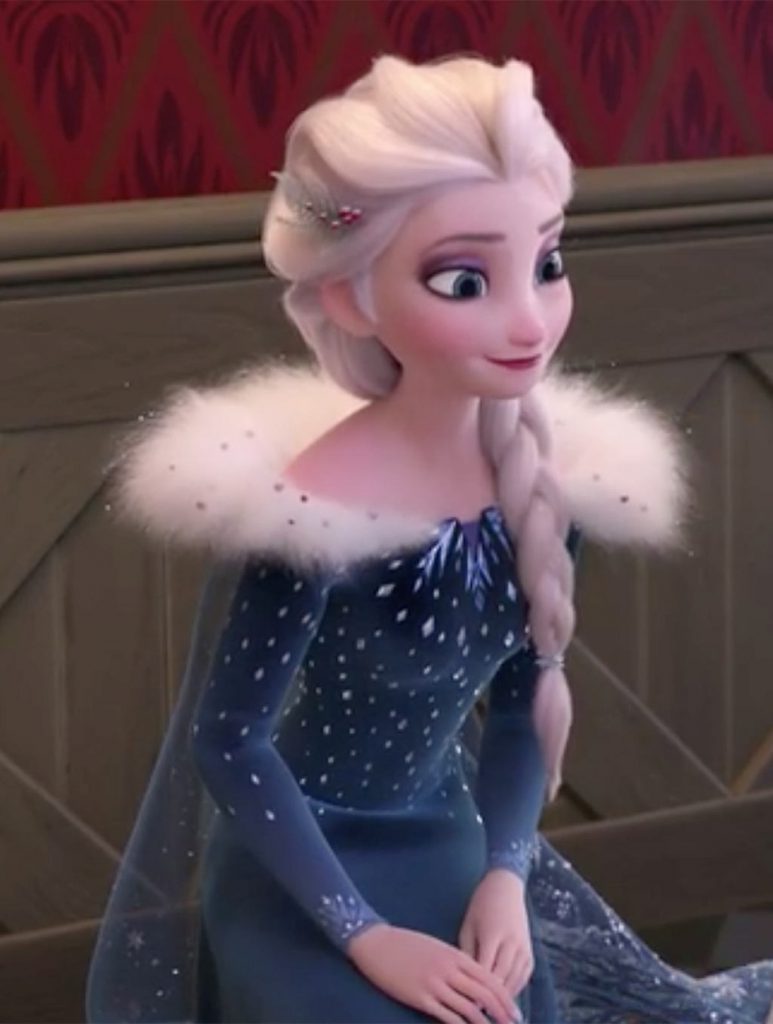
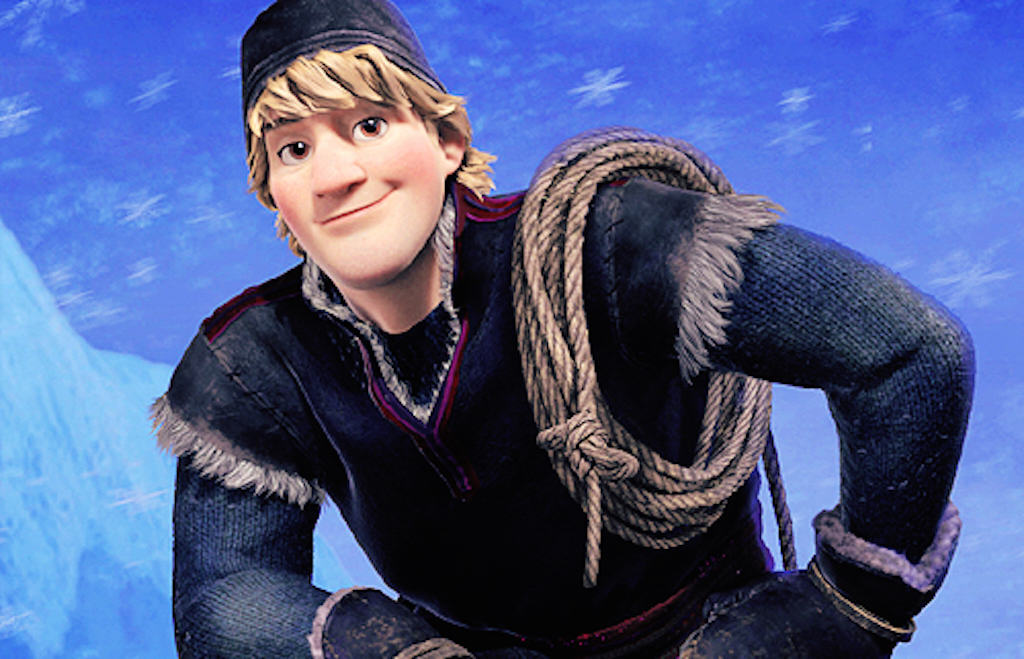
Some more recent fictional characters who are fashionable in cartoon fur can be seen in Frozen (2013). Notable are Elsa, Queen of Arendelle, in her fur-trimmed cape, and Kristoff the ice salesman in his leather-side-out fur-lined tunic.
Colour-matching her fur-trimmed cape with her hair is key for Frozen's stylish Queen Elsa. Image: Disney.
As an ice salesman, Frozen's hero Kristoff opts for the warmest way to wear fur, with the hair on the inside. Image: Disney.
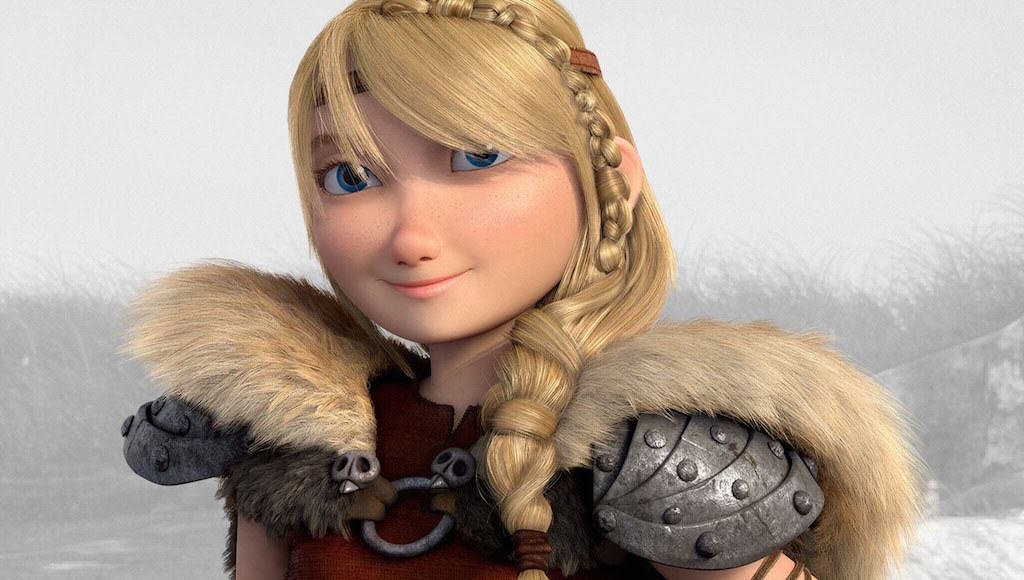
Both How to Train Your Dragon (2010) and its sequel (2014) have casts replete in cartoon fur garments and trims. But I especially like how Astrid Hofferson wears her fur stole on top of her armour. It may not be practical, but it surely makes her attire more dramatic.
How to Train Your Dragon heroine Astrid Hofferson makes a bold fashion statement wearing fur over her armour. Image: DreamWorks.
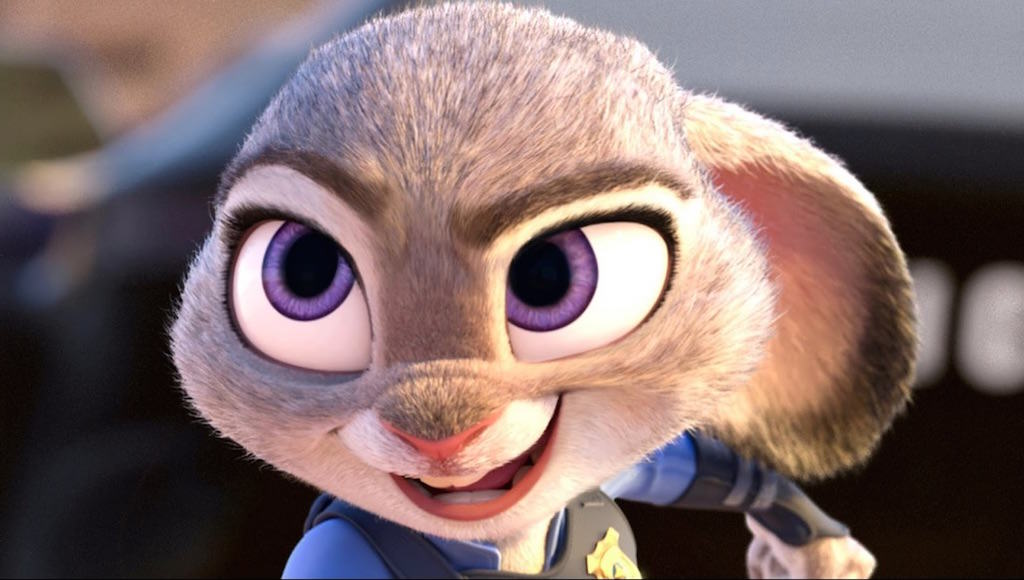
In computer animation, cartoon fur has evolved at an unbelievable rate. Just one of the smallest rodents in Zootopia (2016) has more individual hairs than every character in all of Frozen combined, thanks to the software iGroom.
Diminutive Judy Hopps, bunny star of Zootopia, has more hairs than the cast of Frozen combined. Image: Disney.
Fur, both physical and fictional, is here to stay.
Welcome to Fur Trade Tales, our series of real-life stories from real people of the fur trade. This is our… Read More
High country of the Selkirk Mountains, British Columbia. Photo: Calvin Kania.
Welcome to Fur Trade Tales, our series of real-life stories from real people of the fur trade. This is our second Trapline Tales, but look out for Fur Farm Tales, Furrier Tales, and more to come. If you'd like to contribute, please let us know at [email protected]
As a teenager growing up in the Selkirk Mountains of British Columbia, trapping with my father in the high country was exciting and fun. He taught me to respect the animals we trapped because they gave their lives for our livelihood. For him, it wasn't how many he caught, but how he caught them and in particular how humanely he could do so. He felt there had to be better methods of trapping and better tools than were on the market.
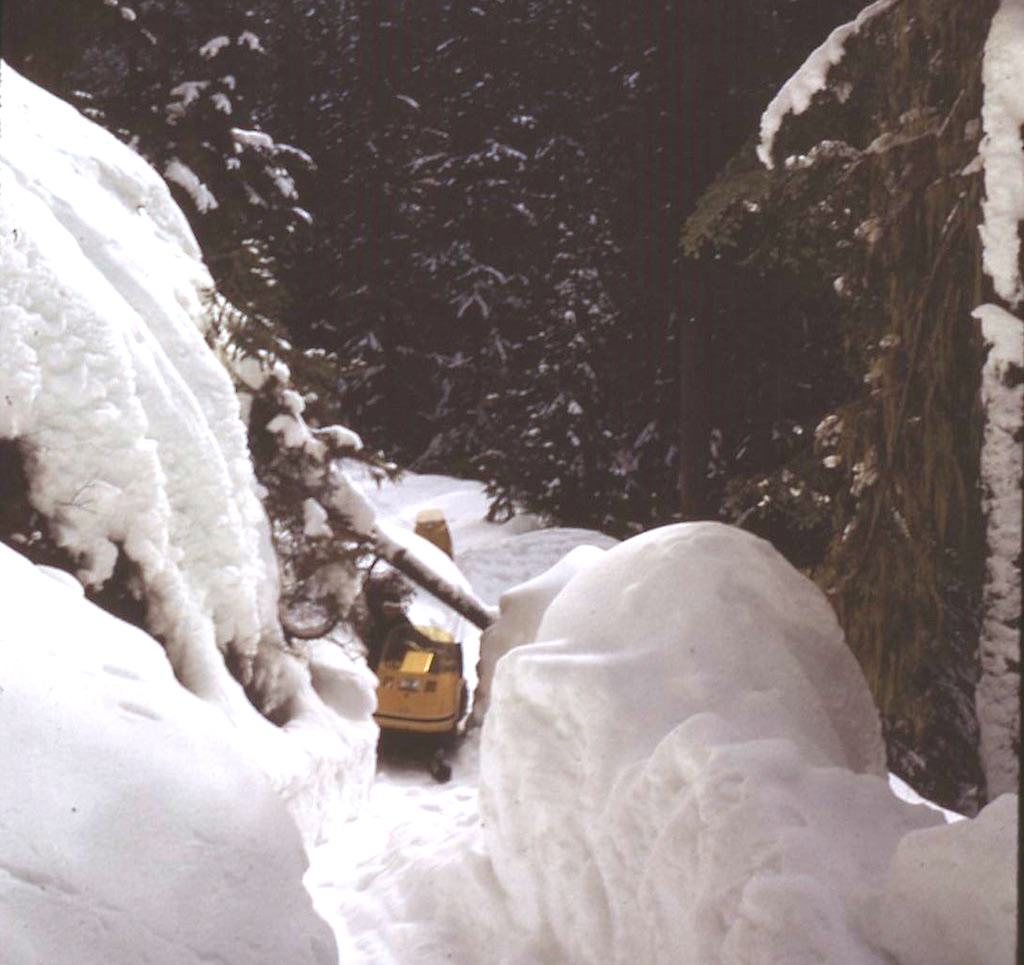
While Dad pursued his dream of making a better mouse trap, I was more inclined to pursue the next marten or muskrat. I loved marten-trapping because we did it in the high alpine country. It was always a struggle to get there in January, with the steep inclines of the logging roads and the fresh powder snow, but it was worth it – pristine country, brisk, fresh, pure white and untouched, under a clear blue sky. We would find a big ole spruce or hemlock tree with the boughs drooping down to create shelter from the five feet of snow that lay around, then under the tree we'd build a fire and make a pot of tea.
But make no mistake, trapping in the high country is anything but easy. As you will hear in the tale I'm about to tell, it requires perseverance and stubborness.
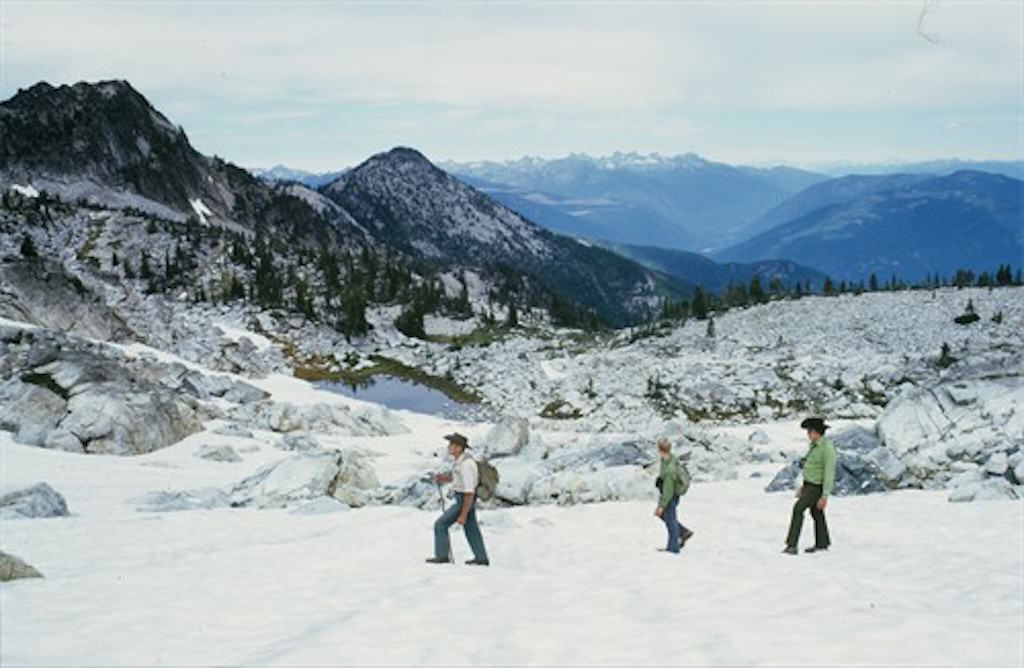
Summer hiking in the high country of the Selkirk Mountains in the mid-1970s. Dad takes the lead, while our friend and fellow trapper Vern Varney brings up the rear.
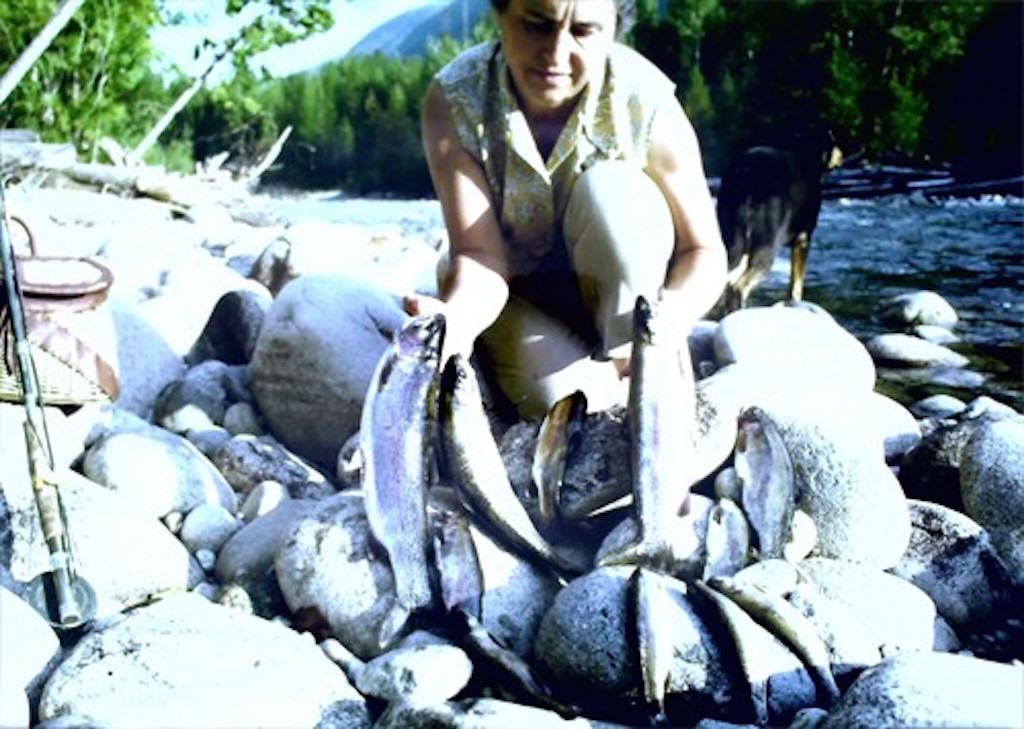
One Sunday in the summer of 1974, when I was 15, my parents and I headed up Airy Creek, a pristine area we had not trapped for five years, for berry picking and a fish fry. Picking berries has always been one of Mum's favourite things, and along the way her eagle eyes were hard at work. "Stop the truck," she cried. "I see some huckleberries!"
Now a few years earlier, she'd wanted to pick wild strawberries and dragged me along to help because that's what kids were for in those days. Do you have any idea how small wild strawberries are? About the size of a small button on my golf shirt. So imagine how long it took to fill an ice cream pale. All day. So when Mum got excited about picking those huckleberries on her own, we stopped the truck right away. "Yep, no problem Mum! Way you go! See you later!"
Fish Fry
Dad and I then ventured on up the old logging road until we came to a spot where a bridge used to be. The timber company had not logged here since 1970, so they hadn't kept up with road and bridge maintenance. Most logging roads in British Columbia are "de-activated" if the logging company is not intending to log the area again for some time, and with the total loss of this bridge, you could definitely say it was de-activated. The creeks here are not that big to traverse, but big enough to keep our truck and snowmobiles out when there's no bridge. Anyway, Dad decided if we were going to trap into the head end of Airy Creek, we needed to find a way to cross it come winter time.
Since it snows very heavily in the Selkirk Mountains, it wouldn’t take much to make a bridge to hold a snowmobile. So we got busy cutting three good-size hemlock trees and fell them across the creek side by side. We then winched them up onto the road bed on both sides of the creek, and cabled them to some larger trees on the bank.
By this time it was getting late in the afternoon and Mum finally caught up to us with her bucket of freshly picked huckleberries. She looked around and asked where the fish were. "In the creek," says Dad. "Are they cleaned yet?" "No, they're still swimming around." "Boy," she says, "I send you two up here to catch some fish for supper and you're fooling around with logs. Don’t you get enough of that around the farm? If I have to do your work and mine, so be it." And off she went with her fly rod.
"I send you two to catch some fish for supper and you're fooling around with logs!"
About an hour later she emerged with a few trout and saw no fire or tea pail boiling. Yep, we dropped everything in an instant and got on that fire and cleaned the fish!
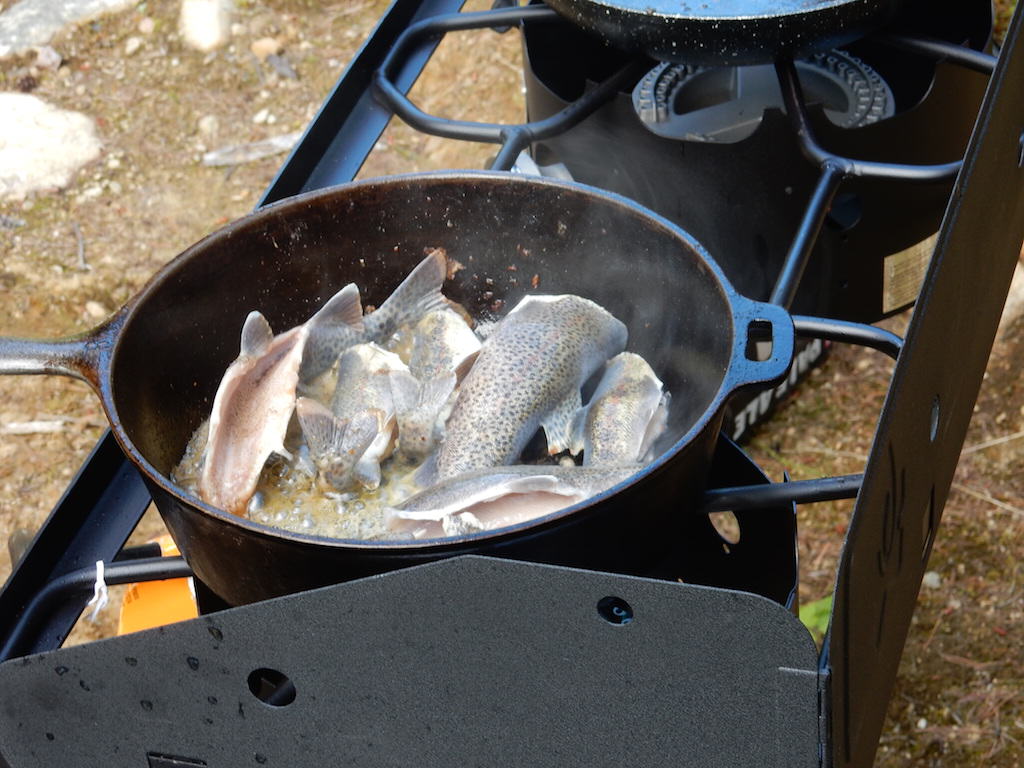
Let me tell you, there is nothing better than a fish fry on an open fire on a beautiful summer afternoon. The fire is ready, the black cast-iron pan is hot, and half a pound of butter is thrown in to melt. The fish are gently laid in the pan, but before you know it, they curl up so fast. With fresh home-baked bread, tartar sauce, fresh cucumbers and tomatoes from the garden, those little trout tasted so good with our freshly boiled tea.
The day came to an end and we were all full of Mother Nature's bounty.
Nothing beats a fish fry on an open fire on a beautiful summer afternoon.
Bridge-Building
That fall, Dad and I drove up to check on our bridge, hauling along some 1x4 wood planks Dad had sawn up on his portable sawmill. The three timbers were still in place, and we laid the planks across them so they looked like a railroad track.
But those planks were still two feet apart from each other, so we spread some hemlock boughs across them. In this high country in winter, the snow falls gently in big flakes and accumulates very quickly. By the time we were ready to trap, there would be four feet of snow piled up on that makeshift bridge, and our snowmobiles would have no problem crossing.
We never trapped the high country until after Christmas. Snow in December came hard and fast, accumulating at two or three feet a week, and that made it almost impossible to break trail to check the line every few days. So we usually left it until mid-January when the snow eased up, started to settle, and gave us a good base to travel on.
Trapping Time
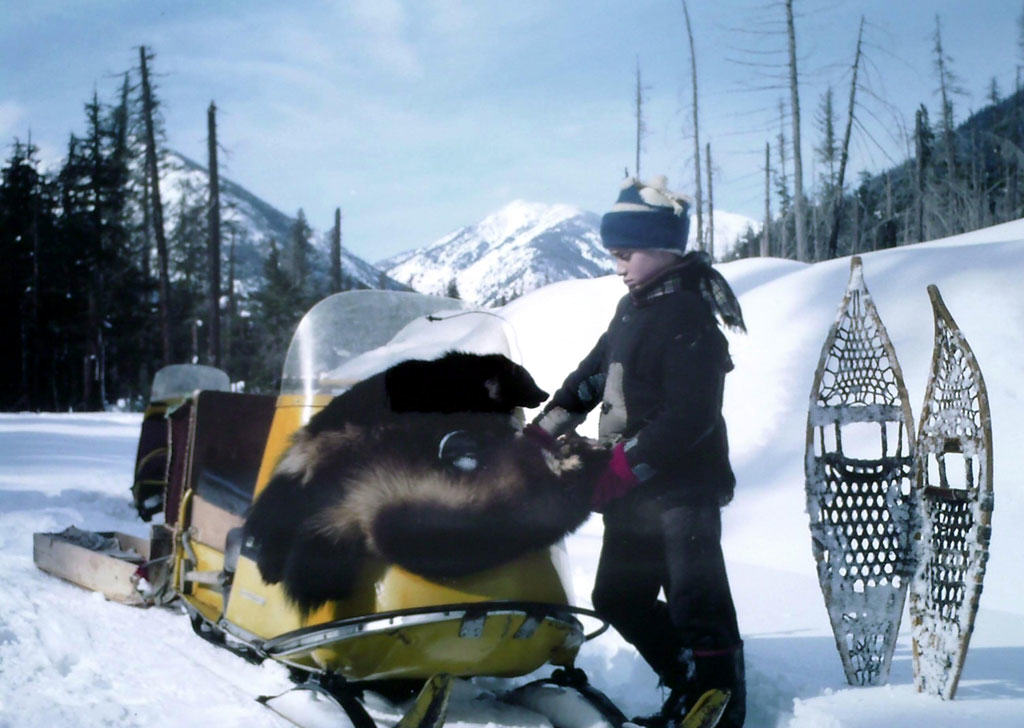
January was now here and it was time to trap some marten, lynx and wolverine up Airy Creek. I was so excited as we got our gear together – traps, bait, hatchets, nails, snowshoes, extra gas, and a sled to pull our supplies.
And for goodness sakes, we couldn’t forget our eau du toilet marten call scent (see recipe here). After all Mum had endured during our creation of this fine call scent, we'd darn well better not forget it! It was such a wonderful scent that it was stored in a quart jar with a lid and a very stiff 12-inch metal wire handle wrapped around the base of the lid for carrying. Even us trappers didn’t want to get any of it on our mitts or clothes!
With both snowmobiles mounted on the trailer – our vintage Bombardier and the newer Ski Doo Elan – and all the supplies loaded up, we started the truck and headed down the road. We reached our destination within half an hour because the logging company had kept the main road open. There we unloaded our equipment, fired up the snowmobiles and off we went, breaking trail over the old logging road.
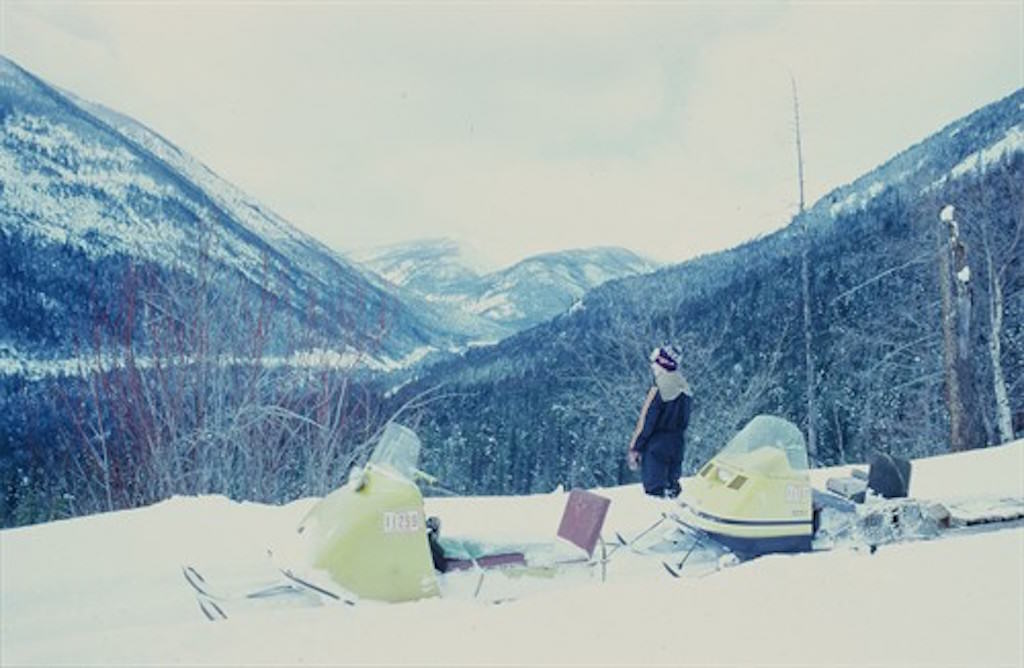
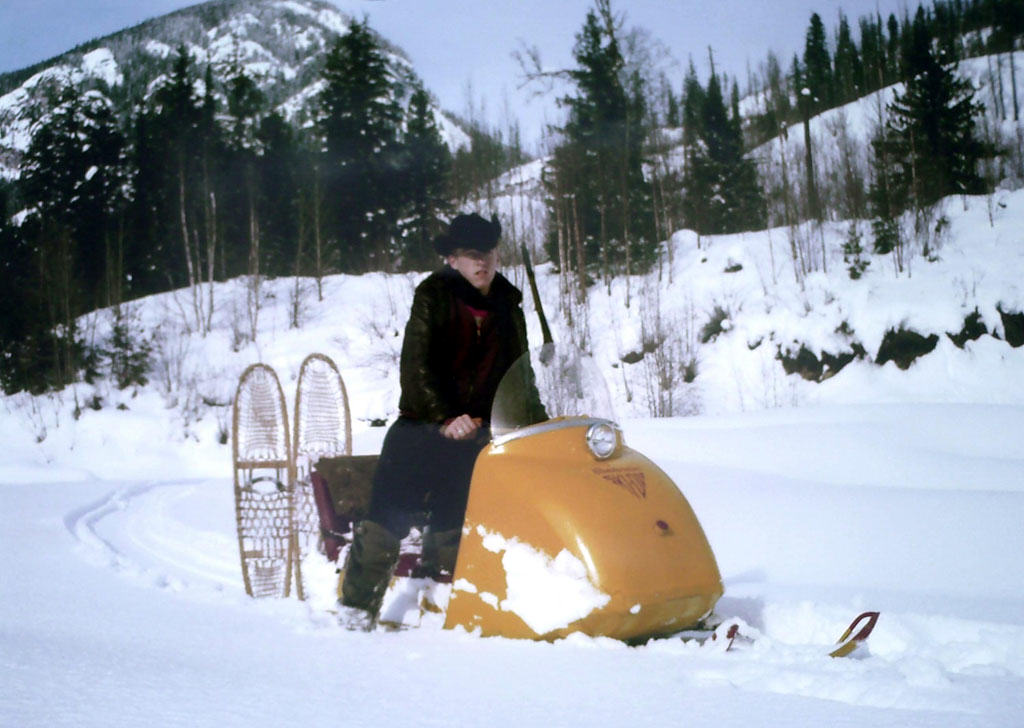
Here I am on our trapline in the mid-1970s. At left is our Bombardier snowmobile, bought in 1963 and the first in our area. We used the larger Ski Doo Elan to pull our sled.
It was pretty easy at this point as most of the road bed was level. Then we started to climb, and the machines slowed as we were now pushing snow, but we finally reached our bridge without having to break out the snow shoes.
"Wow! Look at that bridge!" I yelled. It was a thing of beauty. At least four feet of snow was piled up on it and it had a bow in it, but not to worry, Dad said. We got out the snow shoes and carefully walked across, packing the snow so it would be easy for the snowmobiles to cross.
Dad went first with the Bombardier. It was smaller and lighter than the Ski Doo so it could stay on top of the snow better and was easier to break trail with. He fired it up, gunned it, and was across in no time.
Now it was my turn, and I was pulling the sled. "Don’t go so fast," warned Dad. "If the sled slips off the bridge, you’ll be going with it into the creek." Oh gee thanks, wasn’t that something to look forward to! I was also scared of heights even at that early age. "Don’t look down," he said, "just straight ahead. When you get to this side you can gun it 'cause we have a steep hill ahead and we need as much traction as we can get before we bog down."
I let him get a couple hundred yards past the bridge before I started across. "Don't look down!" I kept telling myself, and lo and behold, I was across and feeling exhilarated. Now the work begins, I thought, because I knew those snow shoes were going to get a good workout breaking trail further up.
My machine was doing well because I was following in Dad's broken trail. He was already out of sight around the first bend because we were not to stop. We were gaining elevation fast and had to break as much trail as we could. Then I came around the next bend and there he was, stopped! What the !? We hadn’t gone a quarter of a mile. "What happened to the road?" I asked. "There isn't any," he replied. "It's down there at the bottom of the creek."
Mega Project
All of our summer work, gone in a flash. There it was, no road, for all to see. Over the years since the timber company last logged there, one spring the creek must have been high and washed 100 yards of road entirely away. All that was left was a barren hillside of sand and gravel with a drop of 300 feet to the creek below. "Now what?" I asked. "I guess we just start building a makeshift trail across the hillside along the bank," Dad said.
Well, if you think the bridge-building was a project, this was going to be a mega project. But first we had to build a trail under the trees that came off the hillside and piled up on this side of the road where it ended in mid-air. Of course it would have been a whole lot easier to have checked out this road last summer before we went to all the trouble of building a bridge.
Trail-building along a hillside was a mega project!
It took us all day to build a trail across that embankment. It was a good thing we always carried a snow shovel, and Dad knew a few things about road-building having worked on the Alaska Highway during World War II.
We decided to break some more trail before daylight ran out, but we'd only gone another half mile when I'll be darned if we didn’t hit another washed-away road. We shook our heads in bewilderment. "We've come this far and done this much work," said Dad. "There's no turning back now. We’ll just come up tomorrow and work on this section."
Well, we eventually found our way to the head of Airy Creek, and that winter caught 35 marten, two lynx and three wolverine. There were remnants of old logging camps scattered about, some going back to the 1940s, and an old collapsed cookhouse and bunk house were great locations for our lynx sets. No more washed-out roads, and our bridge held up through the season.
We did it for income, of course, and it helped that Dad knew how to stretch a penny. But we also did it for the love of trapping, and for simply being out there. And we couldn't have done any of it without Dad's perseverance and stubborness, qualities which he passed on to me and which have helped me survive close to 50 years in the fur trade.
There is a saying that the only things we all have in common are birth, death, and taxes. If there… Read More
There is a saying that the only things we all have in common are birth, death, and taxes. If there is a fourth thing common to every human being on the planet, it is that human lives depend on killing animals. This is true for hunters, trappers, animal-rights activists, vegans, and everyone else, regardless of where we live, our cultural differences, or our lifestyle choices. I don’t say this out of callousness or for shock value; rather, to put every one of us on the same page, in the same common history book of our species. If only for a moment.
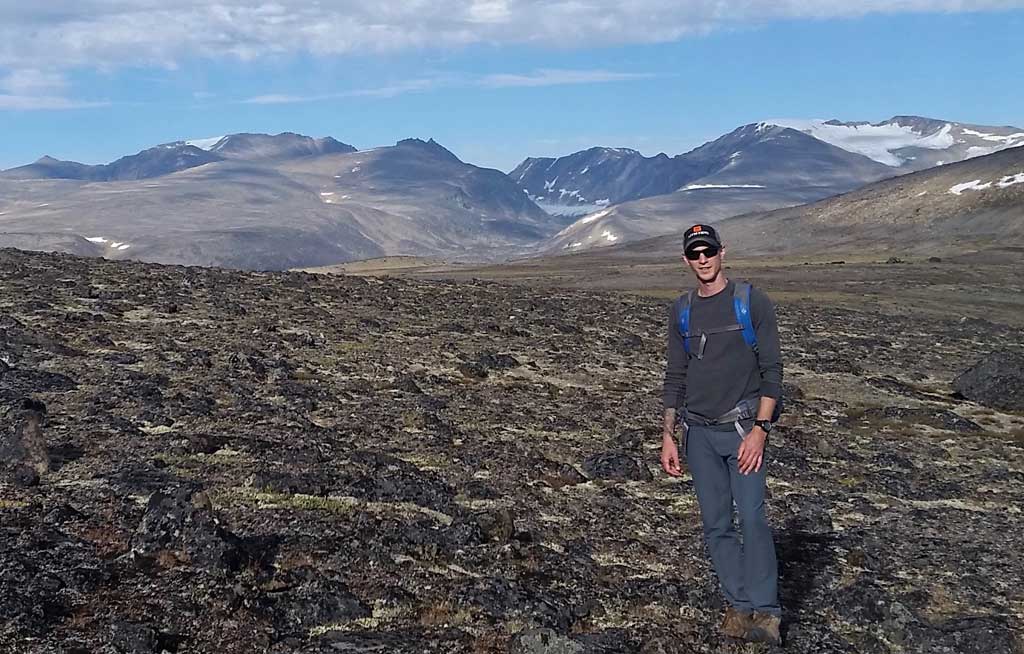
The author atop Mount Duval in Pangnirtung, Nunavut, Canada.
I would like to think we can all have the humility and honesty to acknowledge the fact that human life depends on the death of animals, despite how uncomfortable we may be with this truth. To that end, I won’t spend time going over the various ways that human civilizations and settlements displace wildlife and affect habitat. Many of us do our best to reduce our direct and indirect impacts on the natural world, but close as they may come, these impacts will never reach zero. None of us is exempt from the effects of human civilization on wildlife. The task as I see it is not so much to accept or refute this fact, but rather to reflect on our own understandings of it and what it means to have a relationship with animals that involves death.
One of the most common points of disagreement in conversations about animal ethics centers on the consumptive uses of animals. Concerns over the treatment of both wild and domestic animals and their use for food, fur, and other products is an important conversation and one that I believe should be of highest ethical importance to human beings; however, we often bring a set of unstated and embedded assumptions to these discussions that need to be examined if we are to ever truly understand our own ethics, have productive conversations with others, and be effective at conservation.
Reflecting on Foundational Concepts
One of the underlying assumptions that we need to critically reflect on in discussions over the use of animals is the very concept of killing. Our individual and collective understanding of the moral defensibility in killing animals and the nature of the human-animal relationship that is established through an interaction that involves killing are informed by our views of death itself.
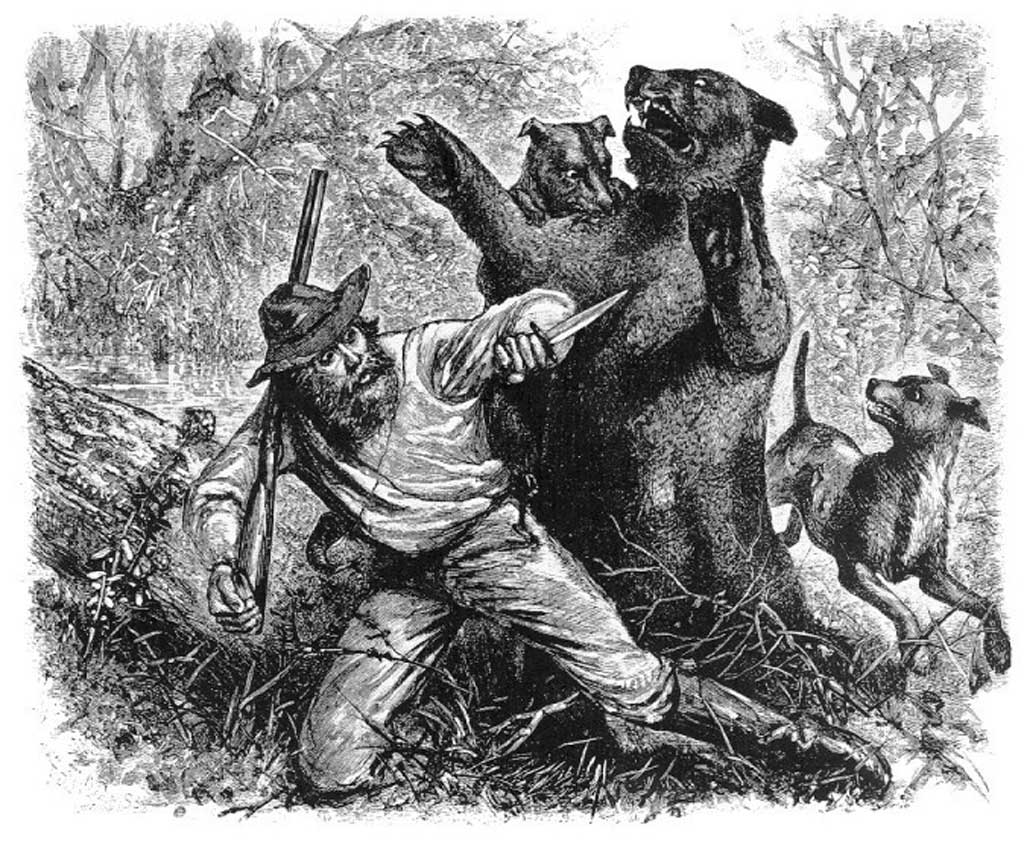
Much of the popular media presents human-animal relationships involving death centred around fear and even hatred. Humans and animals are seen as adversaries. This perspective distorts the fact that there are many ways to understand these encounters. Illustration: American frontiersman Hugh Glass and a bear try to kill each other.
In discussing the ethics around the use of animals, we must be thoughtful to the fact that understandings of central concepts such as death and killing are not universal. Cultures throughout the world have vastly different understandings of what it means to die, what happens after death, the relationship between life and death, and therefore what it means on a deep ethical level to kill an animal. Therefore, we cannot approach discussions with the assumption that we all understand the moral foundations of the topic in the same way. More importantly, we must be conscious not to assume that our own culturally-grounded way of understanding these concepts is correct. To approach conversations of such ethical gravity in that way is to demonstrate a sense of cultural centrism that has proven dangerous to both human cultures and ecological systems in the past.
It is possible that some of us have never really taken the time to deeply reflect on our own relationship with the death of wild animals. For the majority of the world that lives in urban centers and will never be personally involved in killing an animal, thinking about this may never be a necessity. In his examination of humanity’s relationship with nature and our own natural history, the author J.B. MacKinnon in The Once and Future World poignantly describes watching a grizzly bear feed on an elk calf. MacKinnon reflects on nature’s experience with death: “springtime in Yellowstone is not the season of gambolling fox kits ... but of the hungry bear and wary bison. Of death, that ordinary horror”. Killing is all around us all the time; whether and how we choose to understand that fact of life on a primal and philosophical level is our choice. MacKinnon goes on to suggest that “to endure among other species, you must experience the world as a place you share with them”. If we wish to share the world with wild creatures and natural processes, we owe it to ourselves to engage with them on their terms.
Consider the fact that most modern human beings eat next to nothing that is hunted or gathered from the terrestrial surface of the earth. This is an outcome that would strike our ancestors as bizarre if not apocalyptic, and yet it can’t be said to be the product of choice. We drifted to this point, generation by generation.
Let me clear about what this is not. I dislike dead-end arguments in discussions about ethics. It might be tempting to dispute the suggestion that death and killing are equal parts culturally contingent concepts and natural parts of the world, as simply a hunter’s way of justifying his own actions. That has been suggested to me before and I will humour that idea, but it is far more complex than that. Human ethics change over time to incorporate new ideas and knowledge and this changing is precisely what keeps ethics strong and meaningful. Therefore, the suggestion that any single argument can settle an ethical debate is unconvincing at best and suspicious at worst. This is not a claim that killing wildlife is morally defensible because “we have always done it”. I don’t believe that historical precedent justifies continued practice. However, in the same way that history does not justify the present, neither can it be disregarded as irrelevant. So I do think that the long history of interaction between humans and wildlife that has always involved a predator-prey relationship makes the conversation worth having in light of that history and not in exclusion of it. Cultures and belief systems are built upon shared experiences and give rise to knowledge systems and worldviews that are rooted in the places of those experiences. It is the diversity of these cultures that contributes to different understandings of what it means to kill an animal and our conversations on the ethics of killing and using animals must include space for the wide variety of cultural views that exist in the world.
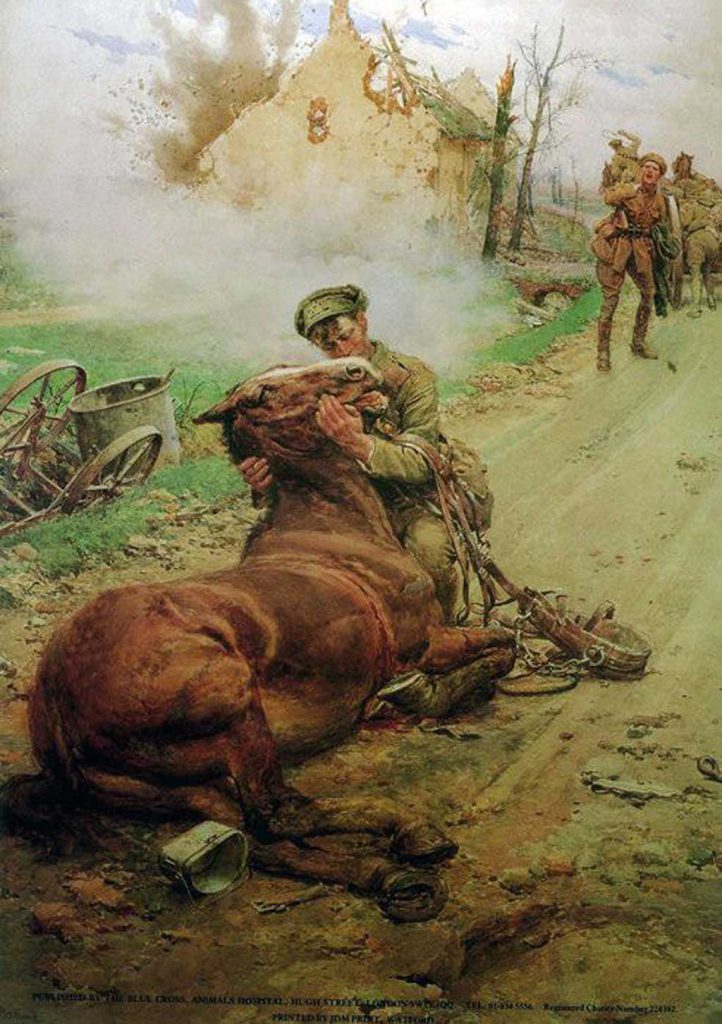
In contrast to the story of Hugh Glass, there are many other emotions involved in interactions with animals that involve killing. Although animals may die at our hands, we need to reexamine the sense of right and wrong that we sometimes take for granted when evaluating this and be open to a plurality of perspectives and emotions. Illustration: "Goodbye old man" by Fortunino Matania.
Multiple Worldviews
Our evaluation of the ethics in killing animals for our own uses is bound to be informed in some measure by our understanding of what death means and the subsequent emotions we attach to dying and being dead. It is helpful to consider examples of different cultural understandings of death. These contrasting worldviews around death mean that understandings about the relationship enacted with an animal in the act of killing it can also be very different. Bear in mind that I am highlighting two examples here and that the diversity of human cultural perspectives is nearly as wide and deep as the biodiversity of the natural world itself.
The dread of something after death, / The undiscover’d country
The Reverend Charles A. Curran, Professor at Loyola University of Chicago, discusses an understanding of death informed by Judaeo-Christian traditions. Curran explains that in Christian worldviews, death “immediately invokes in us the emotion of fear”. This fear of death is not so much a fear of the physical process of dying, but rather “the notion of the beyond that the word ‘death’ brings to us, because its fear is a fear of the beyond”. This fear is also related to the gravity of having to weigh the morality of our lives and what Curran describes as an “extreme ego anxiety about passing into nothingness” – the fear of irrelevance and being forgotten. There are other more obvious teachings in Christianity about what killing means for the morality of our own lives.
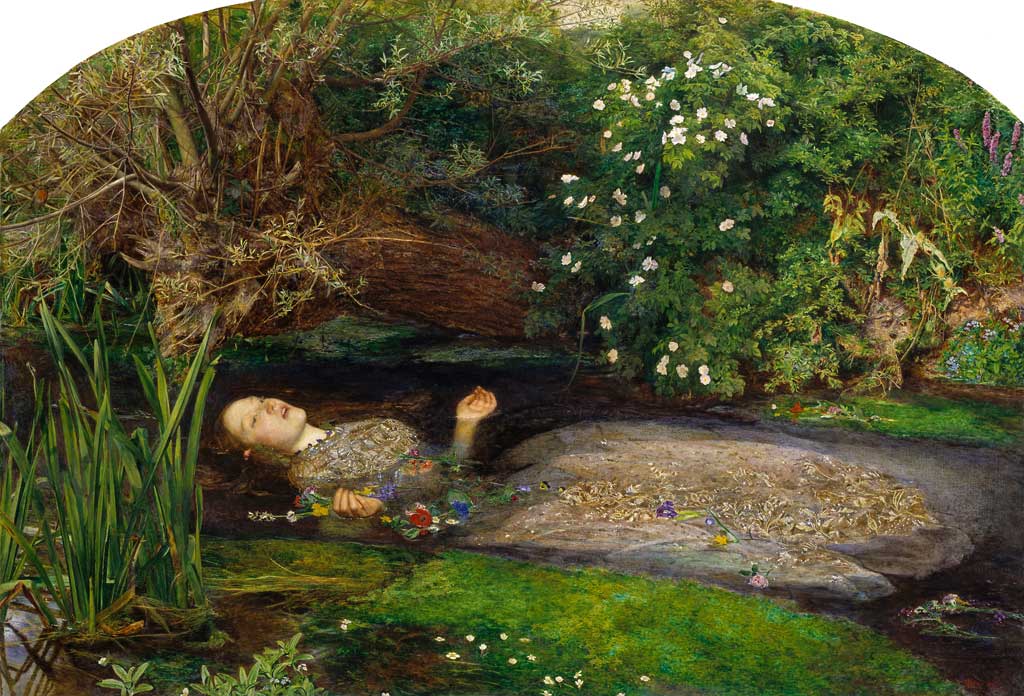
A Judaeo-Christian worldview positions death as the ultimate finality. Something to be feared and mourned. This perspective can be imposed on our understanding of how we relate to animals through killing. Illustration: "Ophelia" by John Everett Millais.
A Judaeo-Christian view of death has been imprinted on some of Western culture’s most influential pieces of art and literature, and it is perhaps only natural that our feelings around our own death would be imparted onto animals when we consider their death. Daniel E. Van Tassel, Professor of English at Muskingum College, notes “the stamp of such Christian views of death” in the “expression of fear at the imminence of death” among a number of Shakespeare’s characters. Van Tassel cites three reasons to fear death in Judaeo-Christian traditions: we fear losing the enjoyment of life and worldly pleasures, the emotional and physical pain that comes with death, and the eternal misery after death. In considering how such a culturally-dominant, if latent and subconscious, understanding of death may impact our view of killing animals, we can certainly identify in animal-rights and other anti-hunting/trapping campaigns references to the second fear of death: fear about the pain and suffering that killing brings. In this fear we see MacKinnon’s characterization of death, “that ordinary horror”.
Like other northern hunting peoples, many Yukon First Nation people conceive of hunting as a reciprocal social relationship between humans and animals.
In a book chapter I have frequently returned to in discussions over human-animal relationships, Paul Nadasdy, Associate Professor of Anthropology at Cornell University, discusses the contrasts between Western and Yukon First Nations’ understandings of the concept of wildlife management, focusing particularly on contrasting notions of ownership and control between cultures. Within a Yukon First Nations worldview, humans and animals interact on the basis of a reciprocal social relationship defined by the need to uphold certain responsibilities. Humans hunt wildlife but do so within the context of specific practices designed to maintain the relationship, practices that vary between cultures, but “commonly include the observance of food taboos, ritual feasts, and prescribed methods for disposing of animal remains, as well as injunctions against overhunting and talking badly about, or playing with, animals”. Maintaining the social relationship one has with animals is of utmost importance and in this particular cultural worldview, involves killing.
There is an element of control and agency that is important in understanding the contrast between different worldviews. In a Western worldview, humans are most commonly positioned above and in control of nature: the world is here to be used by humans. In, for example, a Yukon First Nations worldview, animals have agency and can choose not to present themselves to human hunters. Humans must therefore fulfill certain social obligations towards animals and these obligations are often carried out through hunting. The concept of killing and what it means to kill an animal is thus conceived of quite differently in a Yukon First Nations context than one dominated by Western knowledge and cultural traditions.
The idea that there exists a plurality of knowledges informed by one’s culture must accompany us into ethical conversations and decision-making around the use of animals. We must remember that in many cultures, a context of respect and gratitude is the very the foundation of how humans have come to understand a relationship with animals that involves killing.
Conclusions
I am not a religious person and I would not even suggest that I am spiritual. I have come to understand my actions and morality on my own terms and I have tried to inform that understanding as much as possible by lessons in nature, though inspiration for this understanding can come from many places. I want to make it clear that caring deeply about wildlife is not dependent on religious or spiritual guidance; I have thought and felt deeply about both the individual animals I have killed and about the populations and species of which those individuals were a part. When I kill an animal, there is an intense and undeniable connection with that individual – from the moment I first see it to every single time I cook a portion of it – and there is also a connection with that animal that feels more historic, a sense of shared history on the landscape. Animal-rights campaigns often focus on individual animals that have been given human names. This kind of anthropomorphism often loses the ability to situate the relationship between human and animals on an evolutionary scale. For me, it is precisely the simultaneous feelings of intense personalization with an individual animal and a depersonalization with the awareness that there is a deeper historic interaction that we are a part of that gives the encounter so much meaning.
One thing that many of us can agree on is that healthy ecosystems and wildlife populations are critical for the survival of our species and this planet. We might also agree that maintaining healthy ecosystems and wildlife populations depends on human appreciation and valuation of those places and species and in order for humans to care about and take care of the natural world, they need a personal relationship with it. It may be that some wish to redefine the foundation of this relationship in a way that reflects changing social and cultural norms, but this cannot be taken for granted and this new foundation cannot be laid without conscious and thoughtful reflection, otherwise we risk losing the historic relationships within which both humans and animals have mutually evolved.
We may personally disagree with particular conservation policies or strategies, but it is imperative that we maintain our connections with animals and understand that there are cases where this connection takes place through an interaction that involves death. I personally consider ethical concerns about animal welfare as one of our most important considerations in killing animals. However, when engaging in discussions with one another over the ethics of using animals, we need to be conscious of the foundational assumptions on which these conversations are built. We need to identify and critically reflect on the culturally specific concepts we bring to our decision-making around killing and understand and respect that ethics are a sliding scale throughout the world.
In doing so, we may find that misunderstandings and disagreements run deeper than the specific applications and policies we find ourselves debating and that we gain much more from engaging with a plurality of ethical perspectives than from disregarding them.
Welcome to Fur Trade Tales, our new series of real-life stories from real people of the fur trade. We kick… Read More
The author hard at work in Fur Canada's store with executive assistant Jialin.
Welcome to Fur Trade Tales, our new series of real-life stories from real people of the fur trade. We kick off with our first Trapline Tales, but look out for Fur Farm Tales, Furrier Tales, and more to come. If you'd like to contribute, please let us know at [email protected]
Everyone in the fur trade has tales to tell, and I am honoured that Alan Herscovici – the creator of Truth About Fur – thinks mine are worthy of launching Trapline Tales. It’s the least I can do. Alan has devoted his working life to the trade, sometimes at great personal cost, and has been a passionate spokesperson to the media on behalf of us all. We owe him a great debt of gratitude.
Today I run a company called Fur Canada, making a range of fur products, museum-quality taxidermy specimens, and traps, but my journey in the fur trade began long ago, in a place called the West Kootenay, in British Columbia. I grew up there in the 1960s and '70s, and it had to be the best childhood any kid could experience. With my parents and siblings, I learned the ways of living off the land. We grew every kind of vegetable, had milk cows, chickens, horses and beef cattle, and in winter I would assist my father on his fur trapline.
Growing up in British Columbia, I learned many skills for living off the land, including moose fishing!
Snowmobiles – and a Missed Opportunity
Every weekend during winter was a new experience. My father's trapline was 100 kilometres long, and it took us five years just to rotate every corner of it. In 1963, we also acquired the area's first snowmobile.
One day my mother and I were shopping in Nelson when I spotted a parked truck with two big, yellow snow-plowing machines on a trailer. "What are they?" my mother inquired of the gentleman attending them, who happened to be a distributor. He graciously explained how they worked and their advantages over snowshoeing. He called them "snowmobiles", and they were made by a Quebec company called Bombardier. She said her husband was a trapper and might be interested in one, so he followed us home. My father quickly took a liking to these machines, and since it was late, invited the gentleman to stay the night.
Next morning, my older brothers and father road-tested the machines, and by lunchtime the deal was made. We were the proud owners of a brand new Bombardier snowmobile! I still have it to this day, and one day will restore it to its original state.
During that winter and the next, the gentleman made follow-up visits in case repairs were needed. He was very impressed with my father and his success with the machine, because within that first winter, he had contracts with the power company and timber company to check on their power lines and spar tree equipment that was inaccessible in the back country.
On one of his visits he told my father that he was the sole distributor for Alberta and British Columbia, and the territory was now more than he could handle. Would my father like to take over the distributorship for BC? My father pondered for a moment and could only envision the excessive work ahead in promoting, selling and servicing the product during the trapping season – the most important part of the year for him. His answer was an emphatic "No!" I'm not sure he gave much thought to setting up his two teenage sons and me, then just six years old, in the snowmobile business, as fur trapping was his passion. You could say, there was a great missed opportunity for the family, as hindsight is always 20/20.
My brother Ken, in 1963, proudly modelling our Bombardier snowmobile.
Breaking Trail
A few years later my father purchased another snowmobile. At this point Bombardier was selling them under the brand name Ski Doo, and our new Ski Doo was called an Olympic.
At 10 years old, I was operating our original Bombardier and my father ran the Olympic, because it was much bigger and heavier. We were trapping in the high Selkirk Mountains, so it was common to get 40-60 centimetres of snow in a week. He would break trail and I would follow. When the snow became too deep and the machines bogged down, out came the snowshoes and I would start breaking trail one step at a time. In that deep, fluffy snow it was difficult, so I would only go about 300 metres and return to the snowmobile. I would get it unstuck, fire it up and away I went. Straddling my freshly broken snowshoe trail, I would get the machine up to full speed until that ole Bombardier hit the virgin snow, go 20 metres and come to a stop, stuck again. Out came the snowshoes and the process started all over again.
Many a Saturdays were spent breaking trail. We would return the following day to set traps. Then a few days later return to check the traps. This kind of fun went on from December to the end of February, when the high-country trapping season ended.
Here I am, aged 10, with our Ski Doo Olympic and two wolverines from our trapline. My father was ingenious, always seeking new ways to outsmart the wolverine.
Stinking Rotten Scent
In the summer there was no trapping, of course, but it was still on our minds, and one of the highlights was making call scent for marten. There were two goals. First, it should not freeze. And second, it should be a stinking rotten scent, and the hot summer weather was perfect for this.
Here's how we did it:
Take 10-20 mink scent glands, and 10 complete beaver castor glands. Chop and mash them into a fine paste, then place in a glass gallon jar.
Add 2 cups of herring fish roe.
Add 1 litre of fish oil – herring or salmon works great.
Stir ingredients until fully mixed.
Place the jar atop the roof in full sun with a light lid cover.
Every 30 days give ingredients a stir.
After 90 days, remove the jar from the roof and secure with a tight lid until trapping season starts.
During the summer, our recipe would cook and percolate on the roof. It was one of those odours that had to be acquired in order to appreciate the effort that went into making this eau du toilet scent.
All trappers understood the value and creativity of such a fine call scent and its importance in trapping marten. My mother, on the other hand, did not have the same appreciation for our efforts. She had a few choice words for us during those hot spells when she was hosting summer garden parties and the marten eau du toilet scent would waft its way down from the roof top and into the party.
Parting Shots
• Shame on provincial governments! Shame on Air Canada! Canada has a free trade agreement with the USA, Mexico, Korea and others, but we don’t have free trade and free flow of goods within our own country! And can you imagine? Our national airline has an embargo on a wildlife species that the Inuit people of the Canadian Arctic legally harvest for sustenance!
• Sorry Mum! The first critters my father trapped, back in the 1920s, were skunks, when their fur was highly prized. He always joked that his wedding day, November 10, was also the first day of the skunk-trapping season. He told that joke for 72 years until he passed away on his 97th birthday. My mother did not quite see the humour. She says the joke wore off after the first five years.
• Squirrel surprise. When I was about 10, a chum and I ventured into the realm of squirrel cuisine. After hours setting up a spot in the woods, including a makeshift rotisserie, finding dry wood in three feet of snow with wet matches, smudge smoke in our eyes, wet clothes and cold feet, we were ready. We skinned and eviscerated that little critter, then stuffed it with hazelnuts and roasted it over an open fire. Surely this would be a mouth-watering meal, the best-tasting squirrel ever! Well, let's just say that it sounded better than it turned out. It was several more years before I ventured back into the fine cuisine of squirrel cooking.
• Name-dropping. Among the many products my company makes are coyote fur collars for parkas, and one of our clients has an impeccable pedigree: Amundsen Sports of Norway. The name rings a bell, right? CEO Jorgen Amundsen is carrying on a family tradition of adventurers started by his great uncle, Roald Amundsen, the first man to set foot on the South Pole in 1911!
Fur-trimmed and down-filled parkas are everywhere in our cities these days, but is the coyote, fox or other fur trim on the hoods just decorative, as activists claim, or does it really help keep us warm?
We're not all Inuit hunters, Iditarod dog mushers, or polar explorers, but we've all seen them, if only in pictures: men and women braving the elements in voluminous parkas, topped off by huge hoods with giant fur ruffs. Yet their faces are so exposed, and most of the fur trim doesn't even contact the skin, so can they really be that warm? Or are they just for show? Have faith: fashion statements are the last thing on anyone's mind when the mercury plummets and the wind picks up. Developed over millennia by the indigenous peoples of the Arctic, these ruffs work.
For most southerners, a parka hood is just about protecting the head from a bit of wind and rain. But people who work at –30°C, often for long periods, need much more. That doesn't mean bundling up like Himalayan mountaineers though, because beyond keeping warm, they also need to function effectively. Whether it's trapping, fishing, or driving a snowmobile, they want clear vision both in front and to the sides. Giant fur ruffs fit the bill perfectly.
Here are the key design features, and why they work so well:
Show Some Cheek
There are two ways your body loses heat in cold weather: conduction and convection. Conduction is not a major concern for southerners, unless we get soaked to the skin, and then our body will cool down really fast, especially if there's a wind to add convection. And so we blithely pull our hoods close around our faces, and there may even be a draw string for just this purpose.
Now try ice fishing in Nunavut – or almost anywhere in Canada, for that matter – in January, and see what happens! Your hood's fur trim is tight up against your cheeks, right next to your mouth. Each time you exhale, the moisture in your breath forms ice on the fur. And since ice is a far better conductor of heat than air, your fur trim, far from keeping you warm, becomes a very efficient conductor of heat away from your face. Next thing you know, you've got frostbite.
Real polar ruffs greatly reduce this ice formation. The fur trim is still tight up against the face, but contact is made behind the cheekbones. Hence the exposed face we talked about.
You also want your hood's fur ruff to be large. Your traditional caribou or seal skin parka is already bulky, so top it off with the lion-meets-angry-frilled-necked-lizard look! The most spectacular of all ruffs, a “sunburst" ruff, can measure three times the diameter of the wearer’s head!
Sunburst fur ruffs are mostly worn by Inuit women and girls. Modelled here is a Mother Hubbard-style dress with a wolf ruff and wolverine lining, cuffs and hem. The kamik boots are seal. Photos: Denise LeBleu.
Wind removes heat from your face by convection, and the faster it blows, the more heat it removes. But when the wind hits a solid object, a boundary layer is created in front of the object, inside which the wind slows down. The larger the object, the thicker and more insulating the boundary layer. Ergo, the greater the diameter of your fur ruff, the warmer you'll be.
This has long been intuitive to Inuit designers, and in fact to all of us. It's the reason why, when we face into a gale with a wall at our backs, the wind speed is much less than if we're standing in the open. The wall has created a boundary layer.
In 2004, a research team from the universities of Michigan, Washington and Manitoba quantified this boundary layer effect using a heated model of a human head, thermocouples, a wind tunnel, and a variety of hoods. As expected, the most effective hood by far in slowing heat loss had a sunburst ruff. It was particularly superior to other hoods when the wind was at a high yaw angle to the model's face, i.e., blowing from the side.
The Inuit have also long understood that fur trim works best when the hairs are of varying lengths. This is naturally the case when traditional furs such as arctic fox, wolf, or wolverine are used, since they have long guard hairs and short underfur, and different parts of the pelt are different lengths. Coyote and fox also have these qualities and are more commonly available on modern parkas. The effect can be enhanced further by using two types of fur within one ruff.
The same 2004 research team sought to quantify this also, comparing the sunburst ruff with a "military hood" with short-haired fur of uniform length. Once again the sunburst ruff came out top, with the researchers concluding that a variety of hair lengths disrupts the wind flow more and thereby helps build an effective boundary layer.
One comparison not made by the researchers was between real fur trim and fake fur, but since fake fur hairs are uniform in length, the conclusion is unavoidable that fake fur trim can't compete with the real deal.
That aside, their conclusion was unequivocal: "The present experiments clearly demonstrate the superiority of the sunburst fur ruff configuration for all wind velocities and yaw angles tested. ... The sunburst fur ruff design is truly a remarkable 'time-tested' design."
Iditarod competitors don't dress for show. Here, Mitch Seavey starts the 2010 event, complete with giant fur ruff. Photo: By Frank Kovalchek from Anchorage, Alaska, USA [CC BY 2.0], via Wikimedia Commons.
Southerners Take Heart
The good news for everyone living south of the Arctic Circle is that we can all benefit from this "time-tested" design – perhaps just scaling it down a bit. Caribou or seal skin parkas are overkill for most of us, not to mention the stares they'd attract. But we can easily fit ourselves out with a down-filled hood with real fur trim that's plenty big enough.
The most popular fur for ruffs these days is coyote, which not only keeps us warm, but also dovetails with the need to manage a growing coyote population across North America. Fox can also be effective.
Truth About Fur's Alan Herscovici lives in Montreal, currently blanketed in snow, where temperatures in January average about -10°C, but have risen no higher than -20°C for much of this winter. With wind chill, it can feel like -30°C.
"Call us 'southerners' if you want, but there are days I feel like Nanook of the North," says Alan. "The coyote ruff on my parka has proven its worth this winter!"
The fur trade is criticized by activists for killing animals "just for their fur", when in fact the list of by-products is long and diverse. Carcasses are made into fertilizer, bio-fuel, pet food and crab bait, while rendered fat is used in leather tanning and cosmetics. And don't forget (cue drum roll) muskrat stew!
City-dwellers find it hard to swallow that furbearers taste good, and in some cases they're right. Opossum, skunk and coyote will never make it onto a gourmet menu. But there's still plenty of fine dining to be had!
So without further ado, here’s our list of Top 5 Tasty Furbearers.
At number five in our countdown comes bear. We’d rank it higher because just one animal can feed a village, but laws governing the sale of wild meat mean you can't just walk into your local store and buy bear.
Eating bear has a long history in North America, and "roast bear was on the menu for more than a few state dinners during our nation's youth," writes Holly A. Heyser in The Atlantic. But beware. The saying goes, you are what you eat, and it's never truer than for "insanely variable" bear meat. "Eat a bear that had been dining on berries and manzanita and you are in for a feast. Eat a bear that had gorged on salmon and it'll taste like low tide on a hot day. Ew.”
But there's a bonus, no matter how your bear turns out. Save the fat because eggs and beans fried in bear fat – yum!
Old-Fashioned Squirrel Stew is said to be “downright delicious” and looks it too! Or get creative with these recipes for pot pie, fried squirrel, and baked squirrel.
Coming in at number three is muskrat, for two reasons. First, because muskrat stew tastes great. And second, because North Americans consume so many of them. Muskrat fur is not as wildly popular today as it once was, but it’s still the most trapped furbearer, accounting for 35% of animals taken in the US and 28% in Canada.
Just remember that muskrats are named for their musk glands. Fail to remove these properly and you're in for an “unpleasant dining experience”, but clean it right and cook it right and it’s “delicious”.
#2: Succulent Seal
Unlike in the US, the Canadian government knows when it's on to a good thing. Here, seal meat is served in the parliamentary restaurant on Parliament Hill, Ottawa. Photo: National Post.
At number two comes succulent seal, and it might have come in first if it weren't for one sad fact: Americans are not allowed by law to enjoy this culinary delight.
What we really like about seal meat is that it’s not a “by-product” of harvesting fur, but a product in its own right. Seal meat has been an important source of protein for Canada’s Inuit since the dawn of time. It’s also important to the economies of all sealing communities, especially since the EU joined the US in banning almost all seal products.
With very little fat, seal meat is extremely healthy, and its mild, briny taste means it can be prepared in many ways – smoked, tartare, seared top loin, mixed with pork for a sausage flavour, and so much more. So it’s also growing in popularity with city-dwellers looking to combine healthy living with fine dining.
#1: Beaver Tail
Cooking beaver tail is tricky. Do it wrong, and you'll think you're eating Styrofoam! Photo: Photo: Bob / Cannundrums.
And at number one in our countdown comes ... beaver! Once a favorite of Mountain Men, it's still popular today and widely available. We also like that one large animal can feed a family. And provided you take great care in removing those smelly castor glands, it can pass for brisket. Here’s a recipe for beaver stew, and one for pot roast.
But the clincher for us in naming beaver our favorite furbearer feast is the tail. It's made almost entirely of fat, and is the part Mountain Men wanted most of all to keep them warm through the long winter nights. We must be honest, though; part of its appeal is that it's notoriously easy to mess up. Do it wrong, and you'll think you're eating Styrofoam, but cook it right and it will melt in your mouth like butter!
Bon appétit fur lovers!
Manage Consent
To provide the best experiences, we use technologies like cookies to store and/or access device information. Consenting to these technologies will allow us to process data such as browsing behavior or unique IDs on this site. Not consenting or withdrawing consent, may adversely affect certain features and functions.
Functional
Always active
The technical storage or access is strictly necessary for the legitimate purpose of enabling the use of a specific service explicitly requested by the subscriber or user, or for the sole purpose of carrying out the transmission of a communication over an electronic communications network.
Preferences
The technical storage or access is necessary for the legitimate purpose of storing preferences that are not requested by the subscriber or user.
Statistics
The technical storage or access that is used exclusively for statistical purposes.The technical storage or access that is used exclusively for anonymous statistical purposes. Without a subpoena, voluntary compliance on the part of your Internet Service Provider, or additional records from a third party, information stored or retrieved for this purpose alone cannot usually be used to identify you.
Marketing
The technical storage or access is required to create user profiles to send advertising, or to track the user on a website or across several websites for similar marketing purposes.